REVIEW · BOHOL
Bohol Chocolate Making and Farm Tour
Book on Viator →Operated by Ecotravelers Travel & Tours · Bookable on Viator
If you like chocolate, this is the part you actually get to touch. This Bohol Chocolate Farm tour takes you from cacao trees to bean-to-bar treats, with a guided look at the full chain: harvesting, fermentation, sun drying, roasting, and moulding your own chocolate to take home.
I especially love the hands-on chocolate making and tasting side of the day. You get to experience the farm process, plus you can taste the chocolate products you made, and you may even include fresh tropical fruit tasting during the tour.
One thing to consider: it is a full 5 to 6 hour outing, so plan it as your main Bohol activity block rather than a quick add-on between beaches or island-hopping.
In This Review
- Key highlights worth penciling in
- A practical chocolate-farm day near Chocolate Hills
- What you’ll learn on the cacao process (and why it changes your taste)
- Entering the farm: how the tour starts
- Harvest, fermentation, sun drying: the steps that do the heavy lifting
- Roasting and moulding your own chocolate to take home
- The tasting extras: cacao fruit and possible tropical fruits
- How long it really takes (and how to plan your Bohol day)
- Price and value: what $88 buys you in real terms
- Family-friendly, but with a serious payoff
- Logistics that make it smoother: pickup, private group, and mobile tickets
- Who should book the Bohol Chocolate Farm tour
- Should you book it? My honest take
- FAQ
- How long is the Bohol Chocolate Making and Farm Tour?
- What does the tour cost?
- Is pickup included?
- What’s included in the tour price?
- Is this tour private or shared?
- Can I cancel for a refund?
Key highlights worth penciling in
- Tree-to-treats process: Learn cacao farming steps and how beans turn into chocolate.
- Tasting built in: You’ll get to taste fresh chocolate fruit and the products you make.
- Hands-on moulding: You roast and mould your own chocolate to take home.
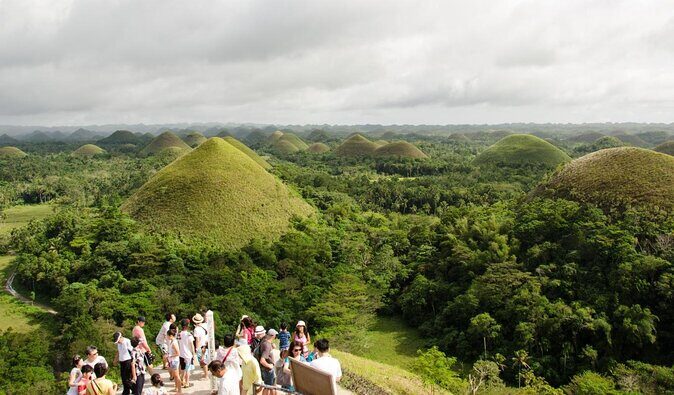
- Bohol Chocolate Hills area access: You travel about 30 minutes from the Chocolate Hills area to the farm.
- Private group experience: Only your group joins, with private transportation included.
- Family-friendly format: The activity style works well if you’re visiting with kids.
A practical chocolate-farm day near Chocolate Hills
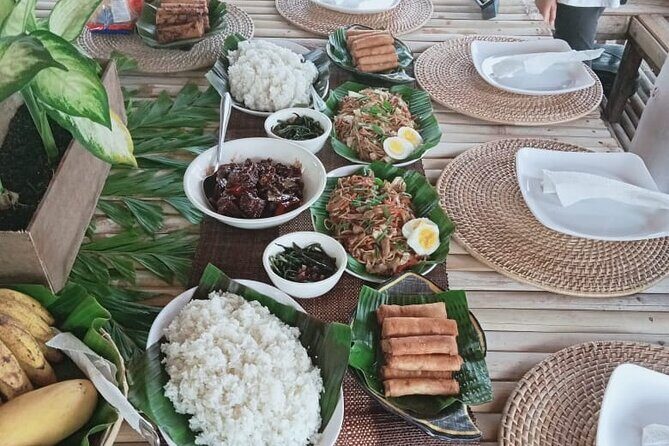
Bohol is full of “see it” sights, but this tour is more of a “do it” experience. You start in the Chocolate Hills area and ride about 30 minutes to a cacao farm, then spend the focus of the day learning how chocolate actually happens. It’s a smart change of pace when you’re already planning time around the Chocolate Hills complex.
The pace is built for learning without feeling like a classroom. You’re guided through the farming and processing steps, and the hands-on part is not just a photo moment. That matters, because chocolate is one of those foods where the story behind it can be as interesting as the taste.
Also, this is run as a private tour/activity. That means you’re not sharing your attention with a big crowd. If you want questions answered, or you’re traveling with family and prefer a calmer rhythm, that’s a real plus.
A few more Bohol tours and experiences worth a look

What you’ll learn on the cacao process (and why it changes your taste)
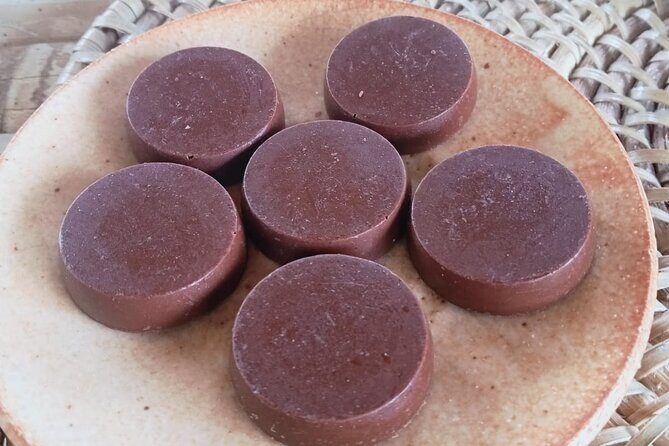
The tour is designed around the cacao journey, from the start of the plant cycle to finished chocolate. You’ll hear about growing cacao trees, then move into the steps that turn harvested cacao into beans suitable for chocolate making. The key phases you’re taught include harvesting, fermentation, and sun drying, before the beans are roasted and shaped into chocolate.
Why does this matter? Because chocolate flavor isn’t magic; it’s a result of what happens to the beans after harvest. Fermentation and drying are where much of the groundwork for taste gets laid. Then roasting helps develop that familiar aroma and flavor, and moulding is the last hands-on step that makes it real and personal.
You’re not just told what happens—you get to connect the steps to the end product you taste. That’s the difference between hearing chocolate lore and understanding why the chocolate you eat tastes the way it does.
And yes, cacao fruit tasting is part of the experience. You’ll get to taste the fresh chocolate fruit, and depending on the tour version, you may also include fresh tropical fruit tasting. That gives you a wider flavor picture of what’s happening before the beans become chocolate.
Entering the farm: how the tour starts
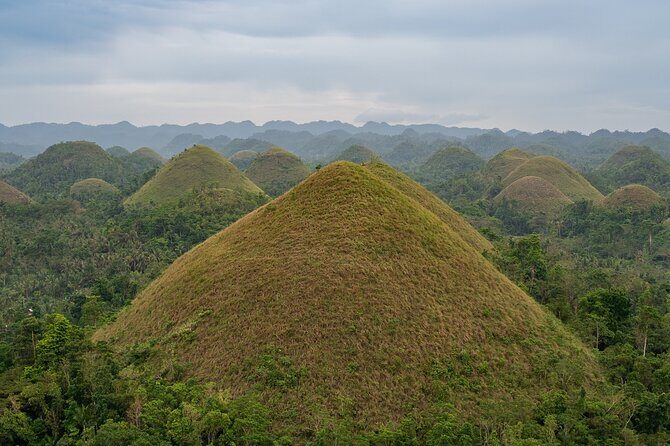
Once you’re collected and transported from the Chocolate Hills area, the farm visit becomes the core of the day. The travel segment is short—about 30 minutes—so you’re not losing half your time just getting there. After that, you settle into the farm area for the guided portion and hands-on chocolate making.
This is also where the tour’s educational tone kicks in. The farm is described as a cacao growing operation in biodynamic conditions on the island of Bohol. You’ll learn how they grow fine-flavour cacao, and you’ll see the flow of the process from fruit to beans to chocolate.
You’ll likely also notice the tour is designed around progression. It’s not random facts. It’s a sequence that builds from tree to harvest to processing, and then to your finished chocolate.
Harvest, fermentation, sun drying: the steps that do the heavy lifting
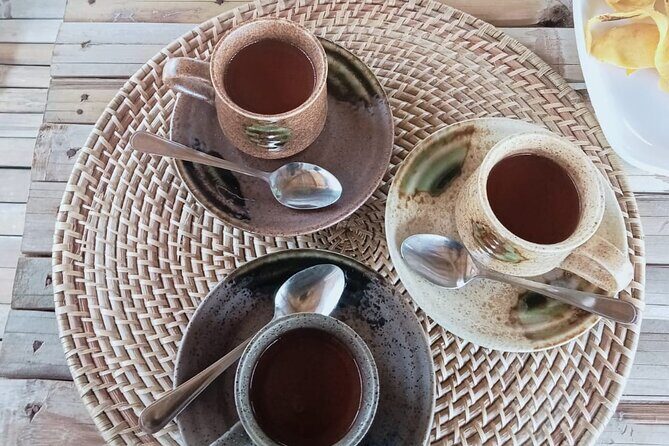
The tour includes the full chain of processing, so you’ll walk through what happens between harvest day and roasted beans. The tour specifically mentions fermentation and sun drying of cacao beans, which are two of the most important steps in turning cacao into usable chocolate ingredients.
Even if you’ve heard these terms before, the farm context helps them make sense. It’s one thing to read that fermentation matters; it’s another to understand it as a step in preparing the beans for the next stage. The tour’s goal is to connect the process steps to the final chocolate you mould and take home.
Sun drying is another key piece because it stabilizes and prepares beans for roasting. Again, you’re not expected to memorize a chemistry chart. You’re guided through a logical process, so you come away with a clear idea of how raw cacao becomes chocolate.
Roasting and moulding your own chocolate to take home
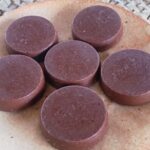
This is the part chocolate lovers tend to remember most: making the chocolate yourself. The tour includes going from roasted cacao to moulding your own chocolate. That step turns what you’ve learned into something tangible, and it’s also where the experience feels like a real activity rather than a guided talk.
You also get to taste the products you make. That tasting gives you immediate feedback. If you were worried you’d just watch from the side, don’t. The format is hands-on, and the fact that you enjoy what you made is a big theme in the positive feedback.
It’s also a great souvenir because it’s edible and personal. You’re not bringing home a generic chocolate bar that you could buy anywhere. You’re bringing home something tied directly to the steps you learned on-site.
A few more Bohol tours and experiences worth a look
The tasting extras: cacao fruit and possible tropical fruits
Chocolate tours can get stuck in one flavor lane. This one gives you more angles. You get the chance to taste fresh chocolate fruit, which is a fascinating contrast to the chocolate you’re used to eating. Cacao fruit has its own character, and tasting it helps you understand that the bean is only part of the story.
The tour may also include fresh tropical fruit tasting. Since it’s written as may include, treat it as a bonus rather than a guarantee. If you love sampling local produce, that optional add-on is exactly the kind of extra that turns a good tour into a memorable one.
The tasting also makes the day feel less technical. You still learn processes, but you also get to enjoy the flavors along the way.
How long it really takes (and how to plan your Bohol day)
This experience runs about 5 to 6 hours total. The farm portion is around 3 hours, with the rest of the time spent on transport between the Chocolate Hills area and the farm plus the flow of the day.
That timing matters because it affects what else you should schedule. I treat this kind of tour as the centerpiece of your day. If you try to squeeze in another major activity right after, you’ll likely feel rushed.
The farm’s stated hours are 7:30 AM to 3:30 PM, Monday through Sunday. That broad window gives you options for timing, but it also means you should check your pickup time once you book, since the experience start time drives how the day feels.
If you want the experience to be relaxed and not stressy, plan for a slower pace later in the evening. You’ll likely want time to enjoy your takeaway chocolate and process what you learned.
Price and value: what $88 buys you in real terms
At $88 per person, you’re paying for more than a guided lecture. The tour includes private transportation, use of chocolate-making equipment, snacks, and the admission ticket tied to the farm experience. On a day like this, that combination is where the value shows up.
Here’s the practical way to think about it: you’re paying for (1) your guide time and education, (2) the hands-on materials and equipment to mould chocolate, (3) food in the form of snacks, and (4) the convenience of getting to and from the farm area without figuring it out on your own.
Could you buy chocolate elsewhere for less? Sure. But the point here is the “tree to treats” learning and the make-your-own end result. That’s the part you can’t replicate easily without taking a specific tour like this one.
Also, it’s booked about 31 days in advance on average. That’s a hint that it’s popular enough that you should reserve early, especially if you’re traveling during peak periods.
Family-friendly, but with a serious payoff
The experience is described as family friendly, and the structure supports that. Kids (and adults) can handle the day because it’s active: tasting, learning the process in stages, then making chocolate. It’s not only passive listening.
That said, it’s still a real chocolate learning experience. You’re guided through actual steps in the cacao lifecycle, from growing and harvesting through fermentation and sun drying. If you’re a chocolate person who cares about why things taste different, you’ll likely appreciate the clearer bean-to-bar storyline.
If you’re visiting Bohol with mixed ages, this is one of those tours that can satisfy both curiosity and hands-on fun.
Logistics that make it smoother: pickup, private group, and mobile tickets
Some tours are “meet us somewhere and good luck.” This one is more direct. Pickup is offered, and the tour includes private transportation, which cuts down on the stress of getting from place to place.
It’s also run as a private tour/activity, meaning only your group participates. That improves the experience if you want to ask questions or if someone in your group gets tired easily and you’d rather keep things calm.
You’ll receive a mobile ticket, which is handy when you don’t want to keep track of printed papers. It’s a small detail, but it matters when you’re moving around a busy island.
Who should book the Bohol Chocolate Farm tour
Book this tour if you want a chocolate experience with actual process and hands-on making. It’s especially good for:
- Chocolate lovers who want the bean-to-bar story tied to taste
- Families looking for a farm activity that doesn’t feel like a museum
- People combining the Chocolate Hills area with something interactive nearby
- Travelers who enjoy food tasting and learning how ingredients start
You might skip it if you only want sightseeing with minimal time commitment. Since it’s about 5 to 6 hours and centered on cacao processing, it’s not a quick, low-time activity.
Should you book it? My honest take
I think you should book if chocolate is one of your travel interests. This is one of the better ways to understand what you’re eating because it stays tied to the whole pipeline: tree, fruit, beans, processing, then your own chocolate to take home.
The best part is that the experience is both educational and hands-on. You learn the steps (harvesting, fermentation, sun drying, roasting, moulding) and you also taste the cacao fruit and the chocolate you made. That combination is exactly why people rate it highly.
If you prefer very flexible schedules and tiny time blocks, you may find the 5 to 6 hours a lot. But if you want one main activity that’s different from the usual Bohol checklist, this is a strong pick.
FAQ
How long is the Bohol Chocolate Making and Farm Tour?
It runs about 5 to 6 hours total, with the farm experience part listed as around 3 hours.
What does the tour cost?
The price is $88.00 per person.
Is pickup included?
Yes, pickup is offered, and the tour includes private transportation.
What’s included in the tour price?
The tour includes admission ticket (included), private transportation, use of equipment for chocolate making, and snacks.
Is this tour private or shared?
It’s a private tour/activity, so only your group will participate.
Can I cancel for a refund?
You can cancel for a full refund up to 24 hours in advance of the experience’s start time (local time). If you cancel less than 24 hours before, the amount paid is not refunded.