REVIEW · BORACAY
Boracay: Introduction to Scuba Diving Experience
Book on GetYourGuide →Operated by BORACAY ADVENTURES TRAVEL N TOURS INC · Bookable on GetYourGuide
First time underwater? This program keeps it simple. I like the structured pre-water briefing plus the calm, step-by-step coaching (people have been guided by instructors like Romeo and Roy), and you also get real hands-on control work in the shallows—mask clearing, regulator recovery, and equalizing. The main drawback to consider: the water time is short by design, so if you’re expecting a long, photo-heavy outing, you may want to upgrade later.
You’ll meet in front of Tiger Sugar at Astoria Station 1, then choose a 9:00 AM or 1:00 PM start. Most trips run about 2–3 hours total, and the plan is capped at about 6 meters for beginners (with a higher max possible depending on comfort).
In This Review
- Key highlights I’d anchor on
- Why Boracay works so well for a beginner’s first underwater session
- Your 3-hour flow: briefing, shallow skills, then reef time
- Meet at Astoria Station 1 (in front of Tiger Sugar)
- Theory and safety: breathing, pressure, and hand signals
- Gear up: mask, fins, wetsuit, BCD, regulator, tank, weights
- Confined shallow-water practice: skills you actually need
- Boat transfer and arrival at a beginner-friendly reef site
- The guided underwater experience: about 30–40 minutes
- Celebration and your digital completion certificate
- The shallow-water coaching that makes or breaks the experience
- Marine life and the 6-meter ceiling: what you’re likely to see
- Price and logistics: is $50 good value?
- Who this Boracay intro scuba session fits best (and who should skip)
- It’s best for you if…
- Don’t book if you’re in a higher-risk group
- Flying after your session is the big rule
- Making your experience calmer: practical tips before you start
- Should you book this beginner scuba session in Boracay?
- FAQ
- How long does the Boracay beginner scuba experience take?
- Do I need any scuba certification to join?
- How deep will I go?
- What equipment is included?
- Are photos or videos included?
- Where do I meet the tour guide?
- Is hotel pickup or drop-off included?
- What languages are the instructors available in?
- Can I fly soon after the session?
Key highlights I’d anchor on
- Beginner-focused training in shallow water before you go out
- Small guide ratio (about 1 guide for every 2–4 people)
- Guided underwater experience with strict, close supervision
- Photos and/or videos included, plus a digital completion certificate
- Controlled depth around 6 meters for first-timers (programs can reach up to 12m)
Why Boracay works so well for a beginner’s first underwater session
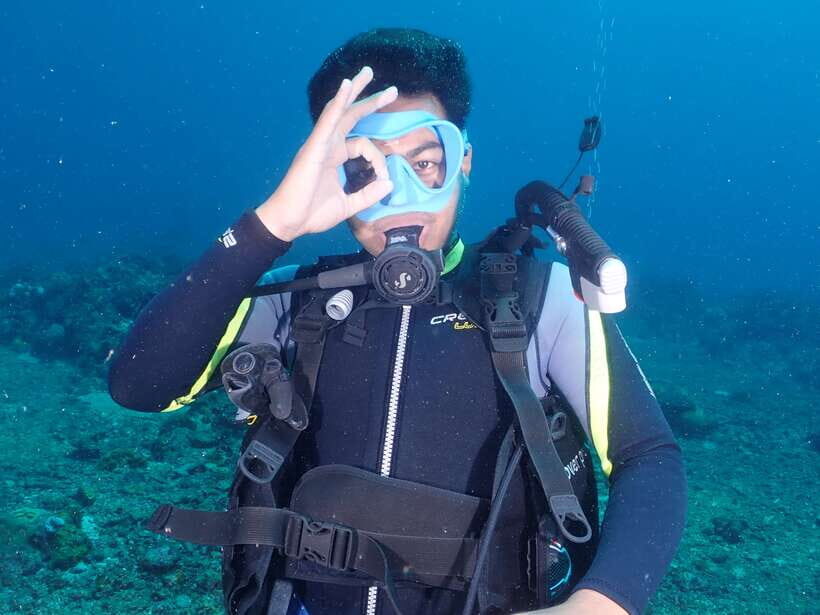
Boracay’s big selling point for first-timers is the easy setup. Your session is built around the idea that you’ll learn to breathe underwater, manage pressure changes, and communicate safely—without feeling like you’re thrown into the deep end.
This is not a long, complicated program. It’s a short, guided experience that’s intentionally capped for comfort. You’ll descend to around 6 meters (20 feet) for beginners, where you can enjoy clear time over coral gardens without pushing your limits. The guides also keep the experience practical: you’re not just watching from above; you’re learning how to move and stay calm.
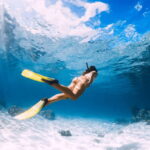
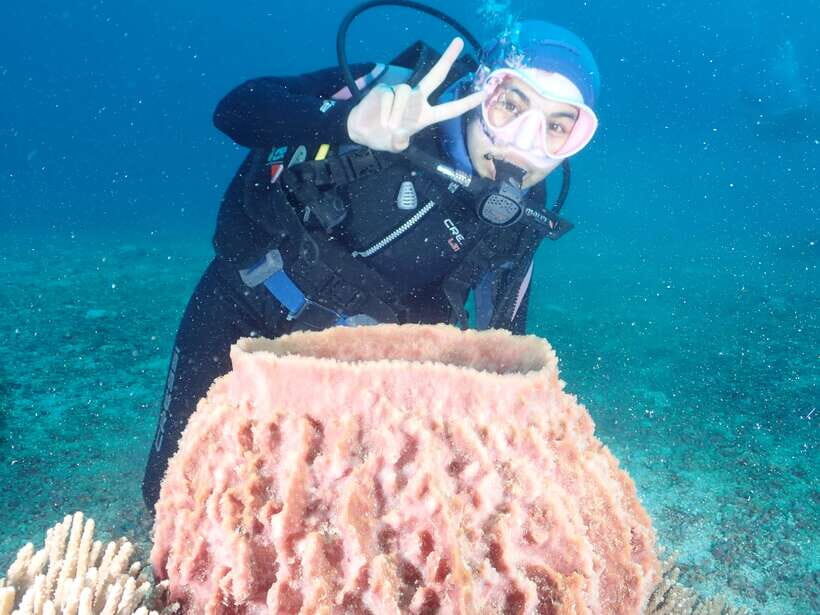
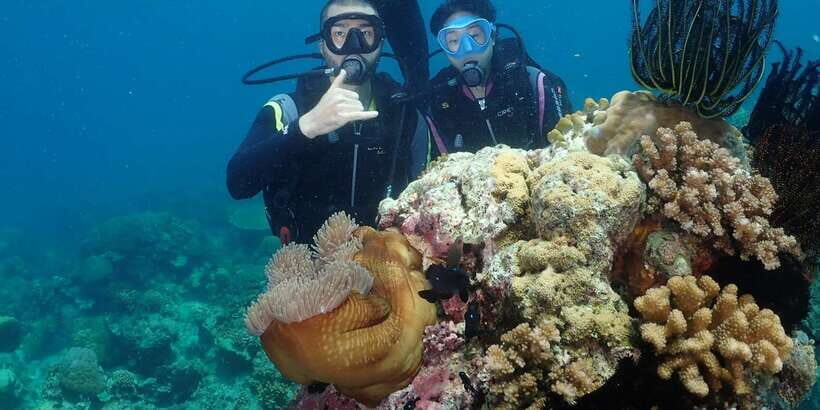
And yes, it’s also a place where you can see real life up close. Expect coral textures and common reef characters like parrotfish and clownfish, and there’s always a chance of bigger sightings such as turtles—especially when you’re hovering and slow-moving, as the program encourages.
You can also read our reviews of more scuba diving tours in Boracay

Your 3-hour flow: briefing, shallow skills, then reef time
Here’s what your day typically feels like, from start to finish. Timing matters here, because you want to be steady and not rushed.
Meet at Astoria Station 1 (in front of Tiger Sugar)
You’ll gather at Astoria Station 1 Beach Front, right in front of Tiger Sugar Cafe, and look for the Boracay Adventures guide holding the Get Your Guide sign.
This matters because there’s no hotel pickup included. If you’re staying elsewhere, give yourself a little buffer time to get there calmly.
Theory and safety: breathing, pressure, and hand signals
Before you get wet, you’ll go through a clear orientation with a certified PADI Instructor (and support staff as part of the team). They’ll cover:
- Breathing through the regulator
- How to equalize pressure
- Basic equipment overview
- Underwater hand signals
- Safety rules and what to do if something feels off
The best part of this phase is that it’s not just lecture. It’s the language you’ll use underwater, so the guide isn’t relying on guessing. If you’re nervous, this step is where you’ll get control back.
Gear up: mask, fins, wetsuit, BCD, regulator, tank, weights
Next comes the equipment fitting. You’ll use standard scuba gear, including:
mask, fins, wetsuit, regulator, BCD, a tank, and weights (plus a snorkel as part of the kit).
Getting fitted properly isn’t a small detail. A good mask seal and comfortable regulator position can mean the difference between you feeling relaxed—or constantly distracted. The team will help you get the fit right before you train in the shallows.



Confined shallow-water practice: skills you actually need
Before you go out into open water, you’ll practice in calm, shallow conditions near the beach. You’ll work on core skills like:
- Breathing underwater through the regulator
- Clearing water from your mask
- Regaining your regulator if it comes loose
This is where beginners gain confidence fast. You’re not expected to be fearless—you’re expected to be coached.
Boat transfer and arrival at a beginner-friendly reef site
After the shallow practice, you’ll board a local boat for a short ride. You’ll get scenic views of Boracay’s famous coastline from the water, which is a nice mental reset before your underwater portion.
Then you’ll head to a beginner reef area, where the guide keeps the plan controlled and close.
The guided underwater experience: about 30–40 minutes
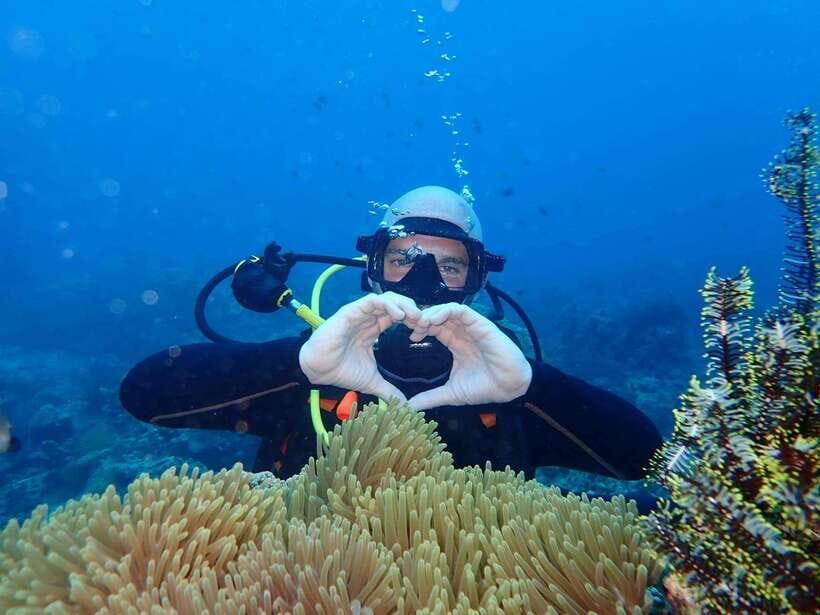
You’ll descend to a maximum depth of 6 meters (20 feet) for beginners, and the session time is typically around 30–40 minutes.
What you’ll do underwater is the heart of the experience:
- Hover and move slowly over coral areas
- Watch marine life closely with the guide pointing out highlights
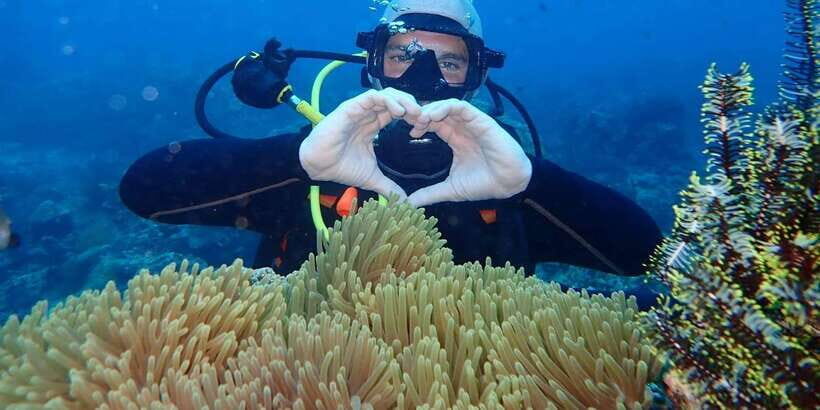
- Use the agreed hand signals for communication
- Stay within the controlled plan for depth and comfort
If you’re anxious, pay attention to one key phrase your guide will likely emphasize: follow closely, keep calm, and prioritize breathing. Several past participants noted they were checked regularly and reminded to follow safety procedures, which is exactly how you want it for a first time.
After surfacing, you’ll return by boat and head back to the shop.
Celebration and your digital completion certificate
At the end, you’ll get a digital certificate of completion. You’ll also receive complimentary photos and/or videos of your underwater session, which is great for remembering what you actually felt—especially the moment your breathing and buoyancy finally click.
The shallow-water coaching that makes or breaks the experience
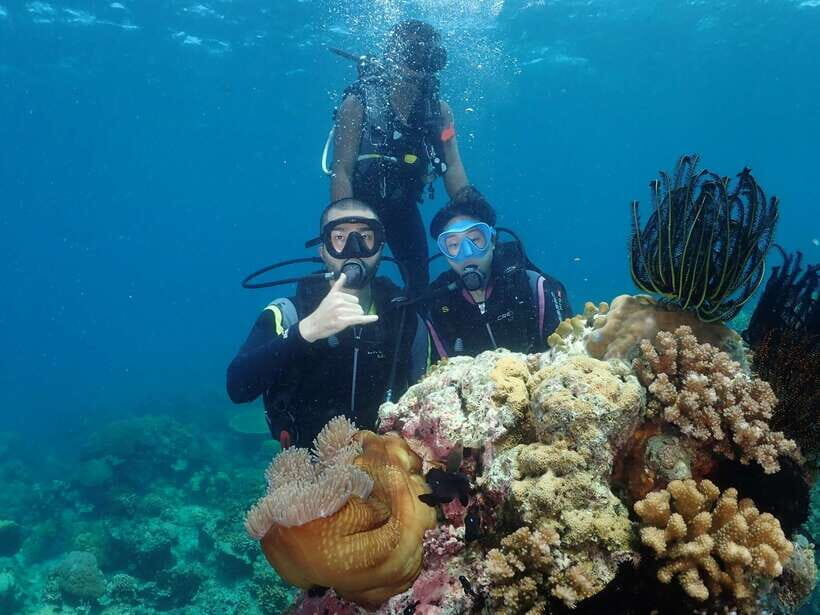
This is where the program earns its value. A lot of first-time attempts fail because people jump straight to the open water without feeling comfortable with basics.
Here, the shallow section is built around the specific fears beginners have:
- What if I can’t breathe?
- What if my mask floods?
- What if something slips and I panic?
You practice exactly those moments in a controlled setup. Clearing a flooded mask and recovering a regulator are not glamorous skills, but they’re empowering. Once you’ve done it once (with an instructor right there), the open-water part feels less like an unknown.
Also, you’ll see different instruction styles depending on who your guide is. Some guides are known for being extra patient with equalizing pressure and step-by-step reminders (names you may encounter include Roy, Romeo, Butch, Gary, Luis, Joliou, and others). The important part: you should feel you can ask questions and get feedback fast.
Marine life and the 6-meter ceiling: what you’re likely to see
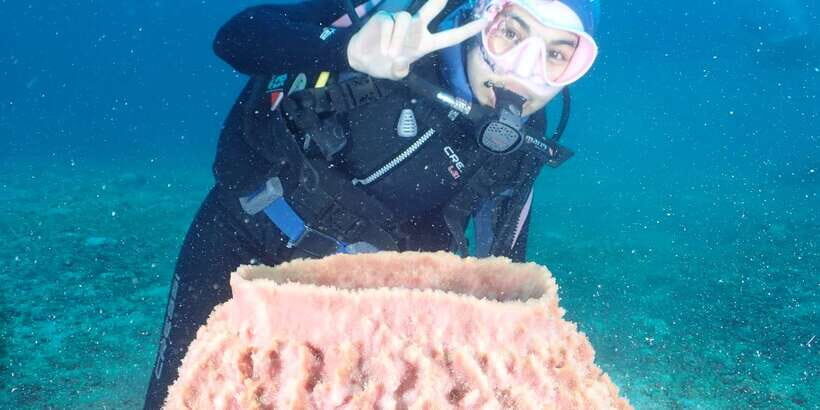
Let’s set expectations. At beginner depths around 6 meters, you’re not searching for dramatic “deep” surprises. You’re getting a clear view of corals and fish that live close to the surface—plus the feeling of floating and moving calmly under a clear blue layer.
In practical terms, you can reasonably expect to spot:
- Colorful reef fish (parrotfish and clownfish are specifically mentioned)
- Coral textures and a close-up look at reef structure
- The occasional larger animal like a turtle, depending on the site and conditions
One bonus: buoyancy control tends to matter more here than raw strength. If you move gently and hover, you’ll get longer looks. If you churn the water, you’ll disturb visibility and spend more energy.
And about those included photos/videos: they’re a genuine perk, because underwater photography is hard to do solo. Do note that photo/video quality can vary a bit (one participant felt the camera output didn’t match expectations and said it was rushed). So think of it as a nice extra, not something you should bet your vacation album on.
Price and logistics: is $50 good value?
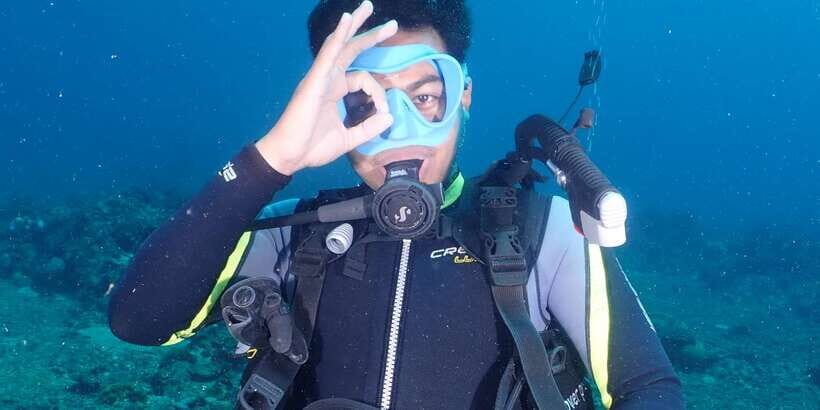
At $50 per person for a beginner intro scuba session, the value comes from what’s included—not just the fact that it’s affordable.
You’re paying for:
- A proper theory + safety briefing
- Equipment rental (including wetsuit, BCD, regulator, tank, weights)
- A shallow skills training session
- A guided open-water experience with controlled depth
- Boat transfers
- A digital completion certificate
- Complimentary photos and/or videos
Where value can soften a bit is logistics. Hotel pickup and drop-off aren’t included, and meals aren’t included either. So you’ll want to budget for getting yourself to Astoria Station 1 and having something to eat afterward.
I’d still call this strong value if you want:
- A low-pressure “try it” experience
- Real coaching before you go underwater
- A guided safety net you can actually feel
Who this Boracay intro scuba session fits best (and who should skip)
This isn’t for everyone, and it’s good that the operator is clear.
It’s best for you if…
- You’re a true beginner with no prior certification
- You want training that covers breathing, equalizing, and basic safety signals
- You’d rather have close guidance than wing it on your own
Don’t book if you’re in a higher-risk group
The experience is listed as not suitable for:
- Children under 10
- Pregnant women
- People with back problems
- People with altitude sickness
- People with pre-existing medical conditions
- People with hearing impairment
If any of those apply, don’t try to “power through.” Safety limits are there for a reason.
Flying after your session is the big rule
You should know the flight timing restriction: you cannot fly if you have a flight scheduled within 12–24 hours of your last underwater session. That’s a critical decompression-safety rule.
Making your experience calmer: practical tips before you start
The program is designed to teach you. Still, you’ll enjoy it more if you show up ready.
- Arrive on time for your chosen slot (9:00 AM or 1:00 PM). Rushing in at the last second increases stress.
- Treat equalizing like practice, not a test. If pressure changes feel weird, say something. Your guide will help you correct your technique.
- Follow the communication rules. Hand signals and staying close aren’t “extra.” They’re the system that keeps the group safe.
- Wear comfort-first swim clothes. You’ll be in wetsuit gear, so prioritize easy-to-wear basics and bring something dry for afterward.
- If you’re nervous, tell them early. Past experiences show instructors adjust their pacing—some guides have even provided a more one-on-one feel when conditions allowed.
Also, keep in mind what the structure is aiming for: a controlled, successful first underwater moment. Your job is to cooperate with the training plan and trust the coaching.
Should you book this beginner scuba session in Boracay?
If you’re new to scuba and you want a guided, safety-first intro with equipment, shallow-water practice, and a structured underwater experience, I think this is a great fit. The $50 price is compelling for the amount of instruction and gear you get, and the included certificate plus photos/videos make it a satisfying souvenir package.
I’d only hesitate if you’re expecting a long, hardcore reef expedition or you’re photo-obsessed with professional-level results every time. Also, if you have any health or flight-timing constraints from the operator’s rules, skip this and choose a safer alternative.
If you fall into the beginner bucket and want a confidence-building first trip, this is exactly the kind of tour that turns a maybe into a yes.
FAQ
How long does the Boracay beginner scuba experience take?
The total duration is about 3 hours, and the activity itself runs approximately 2–3 hours depending on conditions and timing.
Do I need any scuba certification to join?
No. It’s designed for beginners with no prior certification.
How deep will I go?
For beginners, the guided underwater portion is typically around 6 meters (20 feet). The program also states a maximum possible depth of 12 meters (40 feet).
What equipment is included?
All scuba equipment rental is included, including a mask, fins, wetsuit, regulator, BCD, tank, weights, snorkel, plus boat transfers to and from the site.
Are photos or videos included?
Yes. Complimentary photos and/or videos of your underwater experience are included.
Where do I meet the tour guide?
Meet in front of the Tiger Sugar cafe at Astoria Station 1 Beach Front. Look for the Boracay Adventures guide holding the Get Your Guide signage.
Is hotel pickup or drop-off included?
No, hotel pickup and drop-off are not included.
What languages are the instructors available in?
Instructors are listed as English, Chinese, and Korean.
Can I fly soon after the session?
No. If you have a flight scheduled within 12–24 hours of your last underwater session, you cannot fly after diving/scuba.