REVIEW · CEBU CITY
Cebu City: Historical Street and Food Tour
Book on GetYourGuide →Operated by Realist Filipino Tour Services · Bookable on GetYourGuide
Cebu City hits fast: history first, then balut. This 3-hour walking-and-neighborhood tour ties together Spanish-era landmarks and very real street food, from Cebu Farmers Market up to Magellan’s Cross and the oldest Catholic church site. You’ll also pause at key monuments like the Heritage of Cebu Monument metal sculptures, so it’s not just photo stops.
I especially like how the tour blends food with context, not random snacking. You’ll taste classic items like balut (a boiled salted duck egg) while your guide explains why Cebu matters as the Philippines’ oldest city and first Spanish settlement.
One thing to consider: at about three hours and at a price around $90, the food portion can feel lighter than a full-on food crawl—book it for the history + the best one-or-two signature bites, not for a huge buffet.
In This Review
- Key Things You’ll Notice on This Tour
- Cebu Farmers Market to Street-Food Bites That Make Sense
- A 3-Hour Loop Through Cebu’s Spanish-Era Core
- Heritage of Cebu Monument: Metal Sculptures With Real Messaging
- Yap Sandiego Ancestral House: Coral Stone and Mixed Influences
- Basilica Minore del Sto. Nino de Cebu: Cebu’s Oldest Catholic Footprint
- From Carbon Market to Magellan’s Cross: Two Different Ways to See the Same Past
- Cebu Metropolitan Cathedral: War Damage, Then Rebuilding
- Street Food on This Tour: What You’ll Likely Like (and What Might Not)
- Price and Value: Why $90 Can Be Fair Here
- Pacing, Comfort, and Practical Tips That Save Your Trip
- Should You Book the Cebu City Historical Street and Food Tour?
- FAQ
- How long is the Cebu City Historical Street and Food Tour?
- How much does it cost?
- What’s included in the tour price?
- Is pickup included, and is hotel transfer provided?
- What language is the tour guide speaking?
- Is the tour still running in bad weather?
- What food is highlighted on this tour?
- What should I bring, and what is not allowed?
Key Things You’ll Notice on This Tour
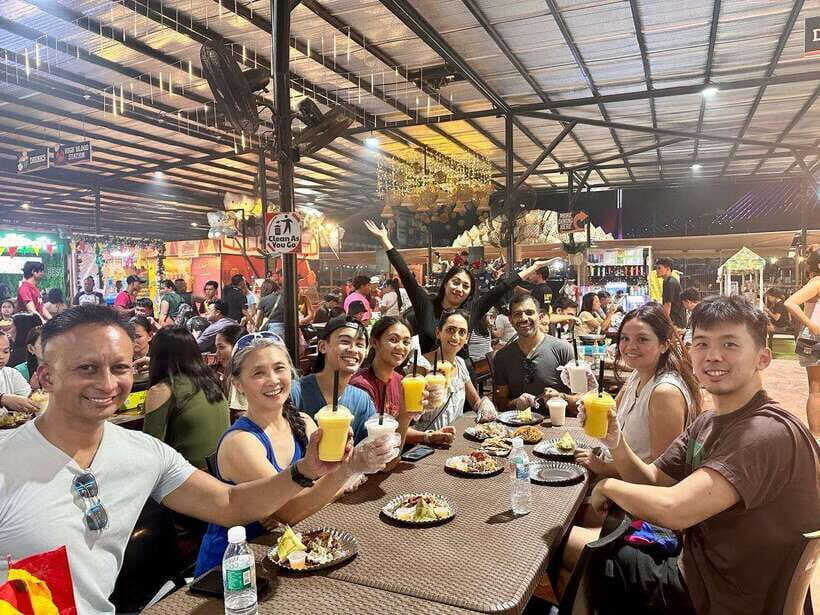
- Small group (max 10): easier pace, more time for questions, and less “herding.”
- Balut as the headline: you’ll learn how locals eat it, not just that it exists.
- 16th-century anchors: stops tied to Cebu’s early Spanish and Catholic story.
- Yap Sandiego Ancestral House details: coral stone from 1680 with Chinese-and-Spanish influences.
- Carbon Market and Magellan’s Cross: two landmarks that explain Cebu’s colonial footprint in different ways.
- Guides make or break it: several reviews highlight top English and high energy (including guides like Kyle, Philip, and Nescian).
Cebu Farmers Market to Street-Food Bites That Make Sense
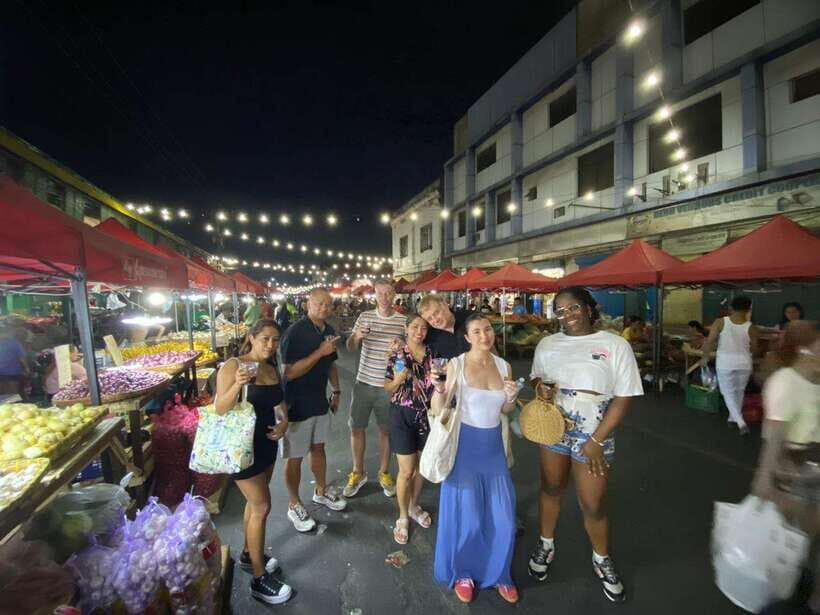
The tour starts where locals actually shop and snack: Cebu Farmers Market. It’s a good move because you get oriented to the food culture before you start walking the historical circuit. You’ll learn what to look for, how dishes are built for quick eating, and why flavors in Cebu can feel bold and direct.
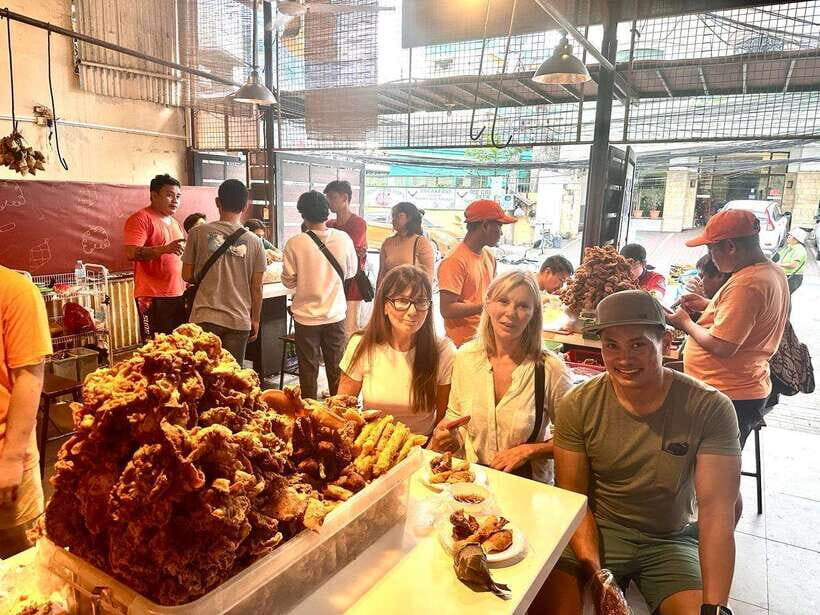
Then you move into the street-food rhythm. The star is balut, a boiled salted duck egg that’s traditionally eaten with salt. If you’re new to it, don’t treat it like a dare—your guide will set expectations on what it is and how it’s commonly eaten. Even if you skip it, the point is learning the food logic behind the bite.
Also, this is one of those tours where you’re not stuck just observing food. You’ll taste local delicacies and street food along the way, so you get the “why” behind what you’re eating, not just the “what.” Some reviews mention generous food and drinks, which helps justify the price if your main goal is to leave fed and informed.
You can also read our reviews of more food & drink experiences in Cebu City
A 3-Hour Loop Through Cebu’s Spanish-Era Core
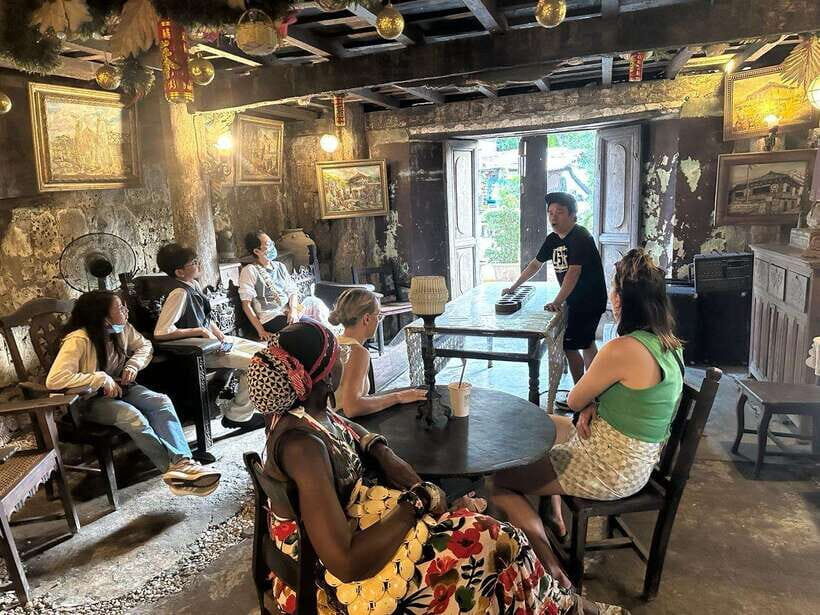
Cebu is the oldest city in the Philippines, and that shows in the way the streets and landmarks line up. The tour keeps this idea front and center: you’re walking through neighborhoods where the Spanish settlement and early Catholic presence left strong physical traces. The guide’s job here is to connect the timeline—so you’re not just bouncing from one landmark to the next.
Along the route, you’ll also hear about Cebu’s role as a first Spanish settlement and capital. That context matters because it changes how you read what you see. A church façade isn’t just pretty; it’s part of a long chain of influence, rebuilding, and survival.
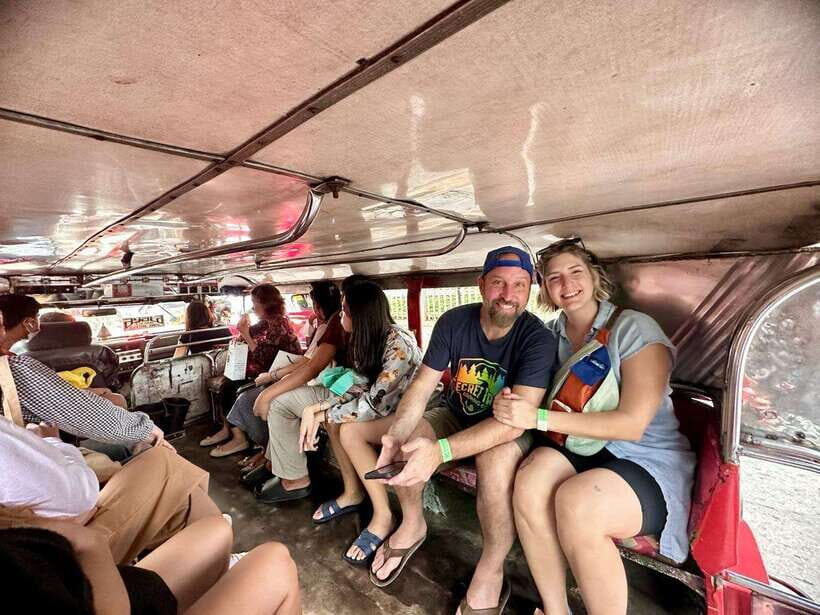
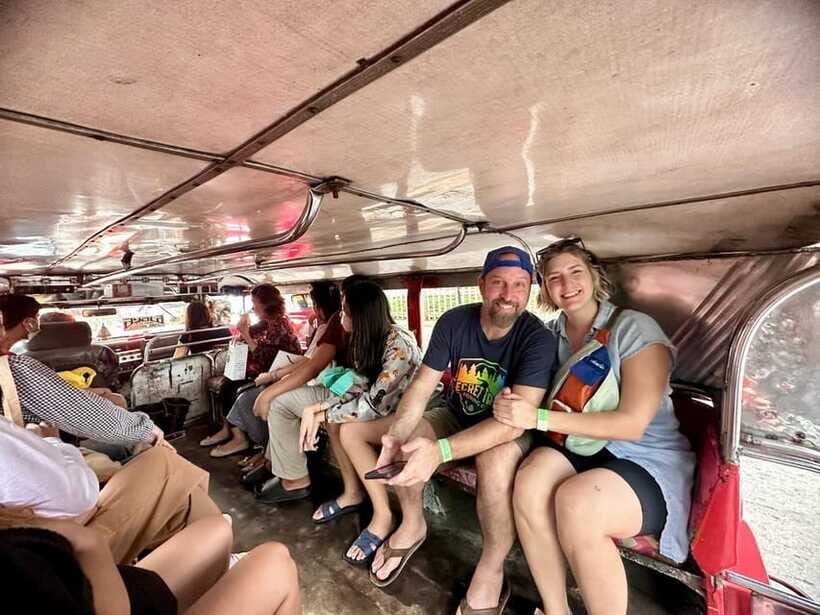
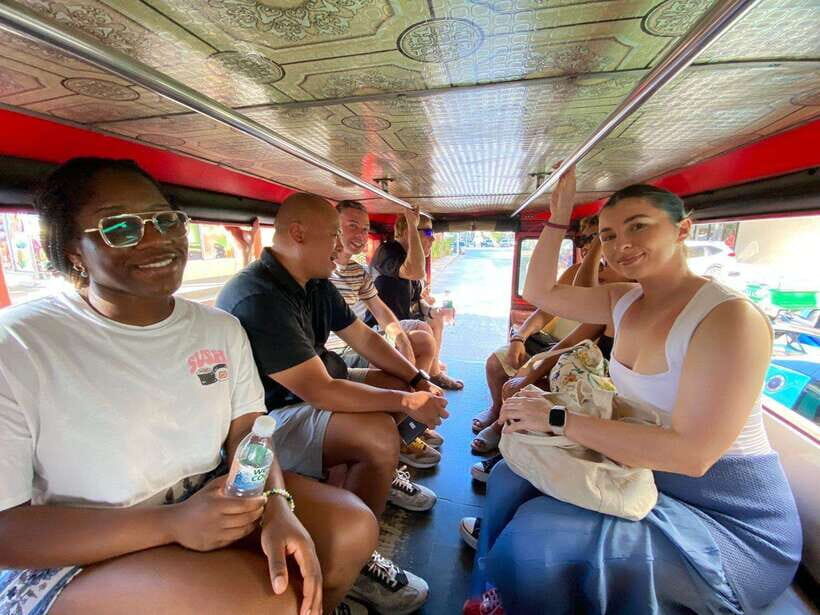
You may also ride a short stretch on local transport between stops. One review specifically calls out local bus rides as part of the fun. If that happens for your group, it’s a nice way to see real daily Cebu life instead of only “museum mode.”
Heritage of Cebu Monument: Metal Sculptures With Real Messaging
One stop that stands out is the Heritage of Cebu Monument, known for its metal sculptures. This is the kind of landmark that can look abstract at first—unless someone explains what you’re looking at. On this tour, you get that “translate it for me” help.
What I like here is the balance. It’s not only old buildings; it’s also how Cebu narrates itself in public art. When you understand what the sculptures represent, they stop being scenery and start being a clue about pride, identity, and the story Cebu tells its own visitors.
Yap Sandiego Ancestral House: Coral Stone and Mixed Influences
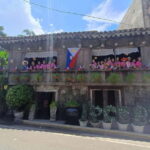
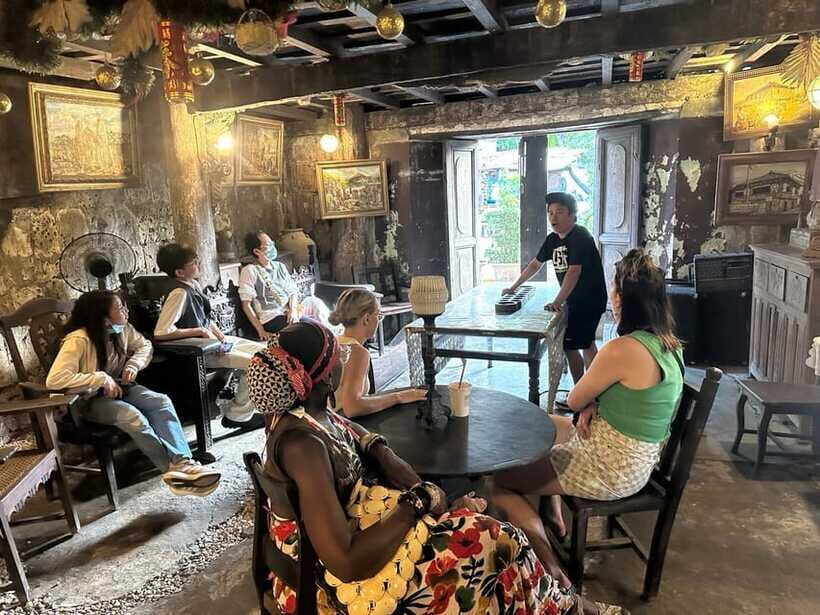
Next comes a highlight for architecture nerds and casual photo fans: the Yap Sandiego Ancestral House, built from coral stone in 1680. Coral stone is a detail that sounds technical until you stand there and realize it’s tied to local building materials and history.
This is also where the tour gets specific about style. You’ll see Chinese and Spanish architectural influence, which gives you a physical example of Cebu’s cultural mixing. Instead of hearing it as a theory, you can spot it in the way the structure is built and finished.
If you care about authenticity, this stop is a strong one. It’s not just a “marker,” it’s a surviving house from a very old era. Even if you only spend a few minutes inside or around it (your exact time depends on the pace), it’s the kind of site that makes the tour feel anchored, not generic.
Basilica Minore del Sto. Nino de Cebu: Cebu’s Oldest Catholic Footprint
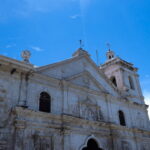
Then you move to Basilica Minore del Sto. Nino de Cebu. This is a key stop because it links Cebu to the earliest Catholic period in the Philippines. The tour highlights that the church dates back to 1565, and that it’s considered the oldest Roman Catholic church in the country.
Here’s what you’ll get if you listen closely: history changes when you stand in front of a site that’s been rebuilt, interpreted, and re-used over centuries. Churches in this area can look like they’re just religious places, but they also function as timeline anchors for the city.
It’s also a good moment to slow down. After eating and walking, you’ll want a calmer pause where you can look up and take in the details. Bring your camera, but don’t forget to look with your eyes first—this is a place where details are part of the story.



From Carbon Market to Magellan’s Cross: Two Different Ways to See the Same Past
After the basilica area, the tour heads to Carbon Market. The name comes from a Spanish word for coal, and it’s described as a former coal depot. That’s an important clue: this wasn’t only about politics and religion. Cebu’s colonial era also ran through trade, fuel, and industry.
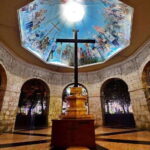
From Carbon Market you continue to Magellan’s Cross, where a Christian cross was placed by explorers led by Ferdinand Magellan in 1521. This is one of those landmarks you’ve probably heard of before, but it lands differently when your guide connects it to the broader story.
In reviews, I like that the tour team is described as helpful with safe navigation around Carbon Market and Colon street. If you’re traveling solo, that kind of “I’ll help you move through the area safely” support is worth something. It turns a checklist stop into a guided, confidence-building experience.
Cebu Metropolitan Cathedral: War Damage, Then Rebuilding
The final big landmark stop is Cebu Metropolitan Cathedral. The tour notes that the church was destroyed during the Second World War and rebuilt in the 1950s.
This is a smart inclusion because it rounds out the timeline. Early Spanish architecture is one part of Cebu’s story. Reconstruction after global conflict is another. Together, they make it easier to understand why the city’s “old” doesn’t mean unchanged.
As you walk from Magellan’s Cross toward the cathedral area, you’ll also get more chances to eat street food during the tour. That’s a practical choice: if you’re spending time outdoors in Cebu’s weather, you want energy at key points, not only at the start.
Street Food on This Tour: What You’ll Likely Like (and What Might Not)
Let’s talk food honestly. This tour is famous for balut, and that alone can carry a lot of satisfaction if you enjoy trying local traditions. The rest of the street food is described as Filipino and known for bold flavors and combinations. You’ll also be taught how to eat it in the local way—like using salt with balut.
That said, at roughly $90 for three hours, you’re paying for the guide’s context and the route through multiple major sites, not for a “quantity-first” food crawl. One review was blunt about the price-for-food value. I get the concern. If your main goal is to eat as much as possible, you may feel better choosing a dedicated food tour.
If, however, you like food with story, this format works. You’ll eat while your guide explains Cebu’s identity—why the city developed where it did and how Spanish influence and Catholic history took root. For me, that’s the sweet spot.
Price and Value: Why $90 Can Be Fair Here
$90 isn’t a bargain, but it’s not automatically overpriced either. For this tour, you’re paying for several things at once:
- A live English-speaking guide leading a tight route
- Access to multiple major historical stops in just three hours
- Guided explanations at each site (not just a pass-by)
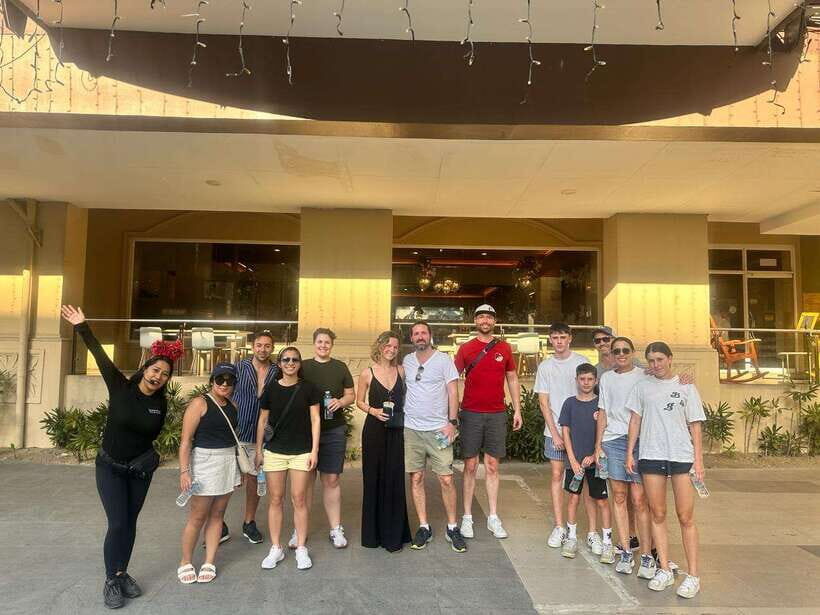
- Small-group experience limited to 10 people
You’re also booking convenience. There’s no hotel transfer included, but pickup is handled by meeting in the designated area where the guide holds a paper with your name. That small detail matters in Cebu, where finding the right starting point can be annoying.
And the biggest “value” factor is pacing and safety. Reviews repeatedly praise guide energy and English ability, with specific guide names like Kyle, Philip, and Nescian mentioned as excellent at keeping things moving and making solo visitors feel looked after. If that’s your priority, $90 can feel more reasonable.
Pacing, Comfort, and Practical Tips That Save Your Trip
This tour runs rain or shine, so you’ll want to dress like Cebu weather can change its mind quickly. Comfortable clothes and comfortable shoes are non-negotiable. You’ll be on foot through multiple city areas, and you’ll do best with shoes that handle uneven sidewalks.
Bring a camera if you like architecture and old street details. Also plan for cash, since you may want to handle small extras even if the tour covers tastings. Jewelry isn’t allowed, which is worth noting if you’re traveling with anything delicate.
Finally, think about who this is best for:
- You like history but don’t want a slow, museum-style pace
- You’re curious about street food and want help with the big items like balut
- You appreciate a guide who can explain clearly in English
- You’re okay paying for a small-group experience (max 10) rather than DIY-ing everything
Should You Book the Cebu City Historical Street and Food Tour?
Book it if you want an efficient, guided way to see Cebu’s key Spanish-and-Catholic landmarks while tasting real street food along the route. The strongest reason to choose it is the combination: you’ll eat, then you’ll understand what you’re looking at.
Skip it or adjust expectations if your only goal is maximum food volume. This is a three-hour tour, and the food is part of the story, not the whole event. Also, if you’re very budget-driven, you can build a similar day on your own—but you’ll miss the guide explanations that make the sites connect.
If you care about a high-energy guide with clear English—people mention guides like Kyle, Philip, and Nescian—this tour is a solid bet.
FAQ
How long is the Cebu City Historical Street and Food Tour?
It lasts 3 hours.
How much does it cost?
The price is $90 per person.
What’s included in the tour price?
You get a tour guide and a guided tour.
Is pickup included, and is hotel transfer provided?
Pickup is included, but hotel transfer is not. You should wait in the designated area, and the guide will hold a piece of paper with your name.
What language is the tour guide speaking?
The live tour guide speaks English.
Is the tour still running in bad weather?
Yes, it runs rain or shine.
What food is highlighted on this tour?
Balut is highlighted, along with other Filipino street food and local delicacies.
What should I bring, and what is not allowed?
Bring comfortable shoes, a camera, comfortable clothes, and cash. Jewelry is not allowed.