REVIEW · CEBU CITY
Cebu: Exploring Cebu City’s rich history and Uphill Tour
Book on GetYourGuide →Operated by Rides - Cebu Tours & Rental Cars · Bookable on GetYourGuide
Cebu can feel like two cities at once: old ports below and viewpoints above. This full-day historic route hits major icons like Fort San Pedro and Magellan’s Cross, then moves uphill for city panoramas. I like how the day is structured so you’re not just driving past places—you actually get time at each stop to look around and take photos. The one thing to keep in mind: it runs rain or shine, so bring an umbrella and plan for walking and stairs.
Two things I really liked are the mix of Spanish-era sites with Chinese-Filipino heritage stops, and the way the driver handles the day like a friendly tour coach. In the best reviews, your driver-guide is named Joey—arriving early, staying upbeat, and even helping with extra stops like grabbing snacks at 7/11 plus lots of photos. One possible drawback is that the self-guided format means you’ll want to be ready to ask questions on the spot rather than waiting for a full lecture.
In This Review
- Key takeaways
- Fort San Pedro and Magellan’s Cross: the day starts where Cebu looks back
- Basilica Minore del Santo Niño and the Heritage of Cebu Monument: faith, story, and street-level context
- Uphill stops at Sirao Garden and Mt. Busay viewpoints: why the hill section is worth it
- Yap-SanDiego Ancestral House: Filipino-Chinese life under Spain
- Temple of Leah: romance meets city panorama (and why timing matters)
- Taoist Temple: the quiet ending you can actually feel
- The National Museum of the Philippines – Cebu: culture credit, with one key catch
- Price and logistics: what $59 gives you in real travel terms
- Your driver-guide (Joey) and the self-guided format: how to get the most out of it
- Who should book this Cebu City history and uphill tour?
- Should you book this tour?
- FAQ
- How long is the Cebu City history and uphill tour?
- What’s the pickup and drop-off situation?
- Is lunch included?
- What’s included in the price?
- Is the tour guided or self-guided?
- Is the tour okay if it rains?
Key takeaways
- Fort San Pedro + Magellan’s Cross: the classic start of Cebu’s earliest documented crossroads of faith and power.
- Basilica Minore del Santo Niño: one of the oldest Roman Catholic church sites in the Philippines, with lasting devotional energy.
- Temple of Leah and uphill viewpoints: photo-friendly panorama time, including Mt. Busay viewpoints.
- Yap-SanDiego Ancestral House: a clear window into Filipino-Chinese life during Spanish colonial years.
- National Museum of the Philippines – Cebu: a useful history stop, but it’s closed every Monday.
- Driver-guide support (English): best results happen when you use them—ask, compare, and take your cues.
Fort San Pedro and Magellan’s Cross: the day starts where Cebu looks back
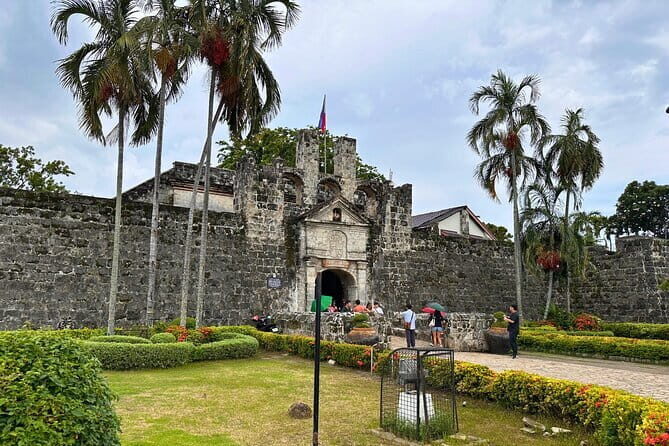
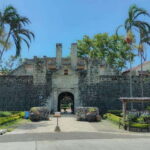
Most tours in Cebu City either go heavy on one neighborhood or they rush. This one starts in the old port area with Fort San Pedro, often called the oldest Spanish fort in the Philippines. Even if you’re not a military-history person, the fort gives you a physical sense of why this part of Cebu mattered: it’s compact, scenic, and built for defense—so it’s easy to picture earlier sea travel and trade.
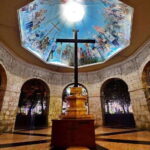
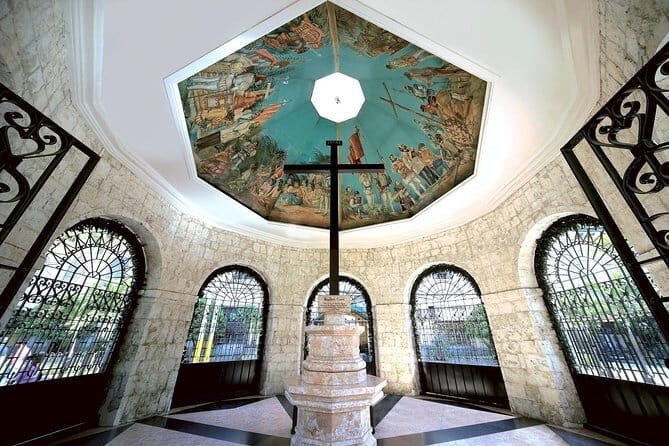
Right after, you walk a short stretch to Magellan’s Cross, a symbol tied to the arrival of Christianity in the Philippines. It’s a quick stop on paper (you get about 15 minutes), but it’s a high-impact moment. I like it because you’re not waiting around for the “main event.” You get the landmark, you take your bearings, then you move on while the day is still fresh.
Practical note: wear shoes you can handle on uneven areas, and don’t plan to rush. Your driver-guide can help with pacing, and that’s important because the rest of the route stacks several popular sites close together.
You can also read our reviews of more city tours in Cebu City

Basilica Minore del Santo Niño and the Heritage of Cebu Monument: faith, story, and street-level context
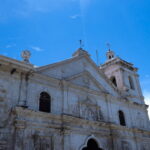
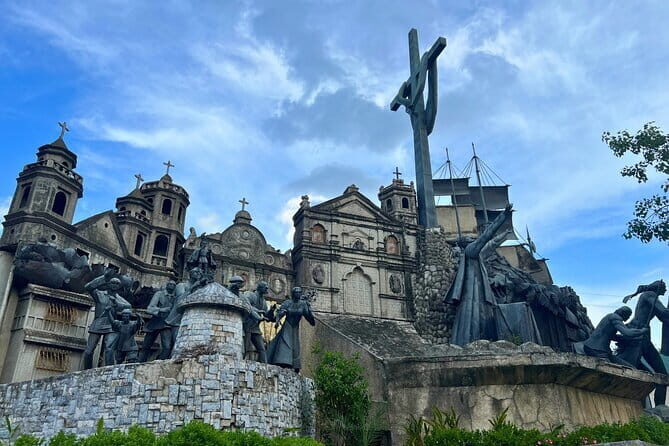
Next is Basilica Minore del Santo Niño de Cebu, recognized as the oldest Roman Catholic church in the Philippines. This is one of those places where the building matters, but so does the lived atmosphere. People come here for devotion, not just photos. You’ll have around 30 minutes, which is enough time to look around calmly without turning it into a sprint.
A short time after, you hit the Heritage of Cebu Monument, which visually narrates Cebu’s past. I like pairing a real church with a storytelling monument because you get two different learning styles in one block of time. One is personal and present; the other is more about big-picture interpretation.
A small drawback: if you like deep, guided explanations at every stop, the “self-guided” style can feel a bit hands-off. The upside is that you’re not trapped in a rigid tour pace. You can spend a little longer where your interest spikes—then move on before you get tired.
Uphill stops at Sirao Garden and Mt. Busay viewpoints: why the hill section is worth it

Cebu City’s skyline isn’t just scenery. It helps you understand geography—where the city spreads and how the coast shapes everything. That’s why the uphill portion feels like more than a photo detour.
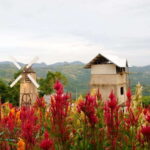
You’ll spend time at Sirao Garden (about 15 minutes). It’s a viewpoint-style stop, meaning you’ll want to keep an eye on the sky and lighting. Then the tour climbs toward the summit area of Mt. Busay, timed to give you a proper look over the city. Even if you’ve seen photos of Cebu before, the height changes the whole feel. Streets become patterns, and distances become easier to grasp.
Best tip: plan to take a few photos from different spots instead of just one “default” shot. From viewpoints like these, the city can look completely different depending on where the sun hits.
Yap-SanDiego Ancestral House: Filipino-Chinese life under Spain
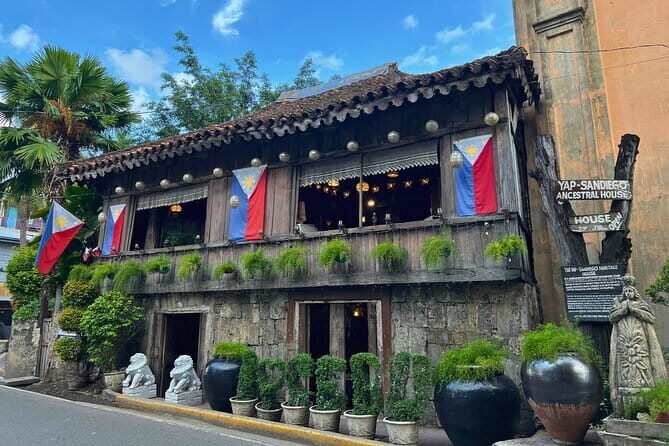
After lunch time (or around the mid-day stretch), you’ll see Yap-SanDiego Ancestral House, a window into Filipino-Chinese life during Spanish colonial periods. This stop is included as a photo stop plus a visit, with about 30 minutes. That timeframe is useful: it’s long enough to walk through and notice details, but not so long that you feel stuck indoors.
I like this stop because it adds texture. The Spanish-era landmarks are dramatic, but this ancestral house helps you see how different communities lived side by side, especially in trade-linked cities like Cebu. If you’re the type of traveler who likes how history shows up in everyday objects and architecture, you’ll probably enjoy this more than you expect.
Watch for comfort issues: houses like this can mean more time on the feet. If it’s hot, slow down and take breaks when you can.
Temple of Leah: romance meets city panorama (and why timing matters)
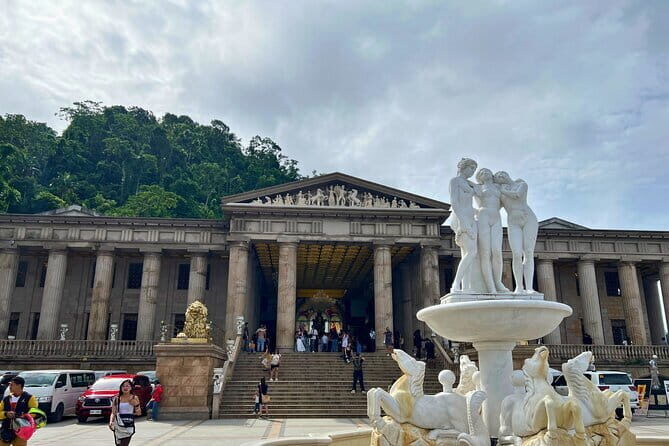
The Temple of Leah is a grand monument with panoramic Cebu City views, and it’s positioned late enough in the day that light can be in your favor. You’ll have time here, and the main draw is the view—plus the photo ops. If you want to understand the scale of Cebu City, this is one of the clearest ways to do it from above.
What I like is that this isn’t just “look at the city.” It’s also a change in mood. Earlier stops are grounded in faith and colonial-era story; Temple of Leah feels more like a dramatic hillside pause. You get to reset your eyes before the tour continues to the final serenity stop.
Timing matters because you’ll feel the difference between early sunlight and later shadows. If the weather is uncertain, still go for it—rain can change the mood and visibility—but you’ll want that umbrella.
You can also read our reviews of more historical tours in Cebu City
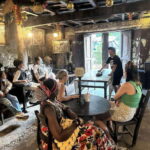

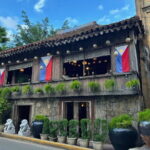
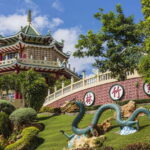
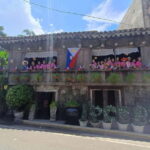
Taoist Temple: the quiet ending you can actually feel
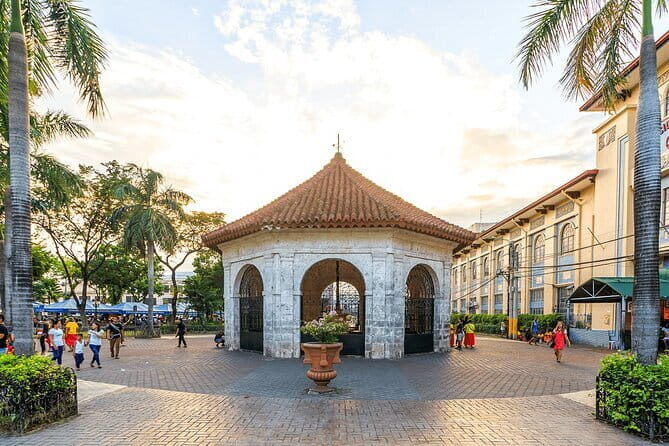
Most day tours end with a rushed last stop. This one ends with Taoist Temple, described as a peaceful retreat with stunning views and a tranquil atmosphere. You’ll have about 30 minutes, which is a rare amount of time to slow down at the end.
If you’ve been moving fast through church courtyards and city landmarks, this final stop helps your brain file the day in order. It’s also a nice contrast to earlier “big” historical sites. You’re not learning a new fact every minute; you’re letting the setting do the work.
One practical point: bring water. Even if you’re not sweating at every stop, you’re still outdoors and walking. The tour also runs rain or shine, so expect damp ground in wet conditions.
The National Museum of the Philippines – Cebu: culture credit, with one key catch
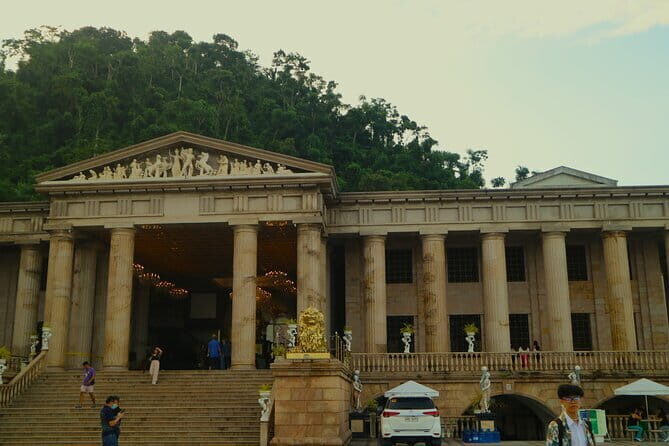
The National Museum of the Philippines – Cebu gets about 30 minutes. This is a strong stop for travelers who want more context, especially after you’ve seen churches, forts, and monuments. Museums help you connect names, dates, and themes rather than treating each landmark like a separate snapshot.
Here’s the important catch: the museum is closed every Monday. So if your schedule lands on Monday, you’ll want to plan for a swap—either pick a different day or check whether your driver can adjust the order.
Even with just 30 minutes, I’d treat this as your “memory anchor.” You’ll likely leave with a better sense of how the pieces fit together.
Price and logistics: what $59 gives you in real travel terms
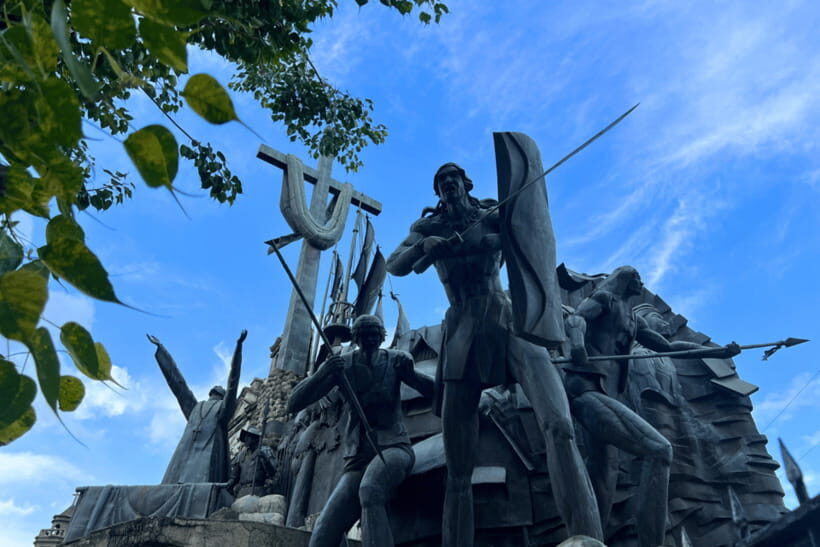
At about $59 per person for an 8-hour day, the value depends on what you care about most: convenience, included fees, or a full checklist of key sights.
Here’s what you’re getting:
- Hotel pickup and drop-off
- Private air-conditioned car
- Entrance and admission fees included
- English-speaking driver
That means you’re not paying separate entry tickets at each stop, and you’re not spending energy negotiating transport between hills and historic sites. For a day like this—where distance and stops add up—that’s the big practical win.
What you’ll pay separately:
- Lunch (not included)
If lunch isn’t a problem for your budget, the all-in feel becomes a plus. If you hate searching for food mid-tour, plan ahead: wear pants as advised, bring water, and keep snacks in mind so you’re comfortable during transitions.
Also note: the vehicle type (car or van) depends on how many passengers. If you’re traveling as a small group, you may get more personal space and an easier flow.
Your driver-guide (Joey) and the self-guided format: how to get the most out of it
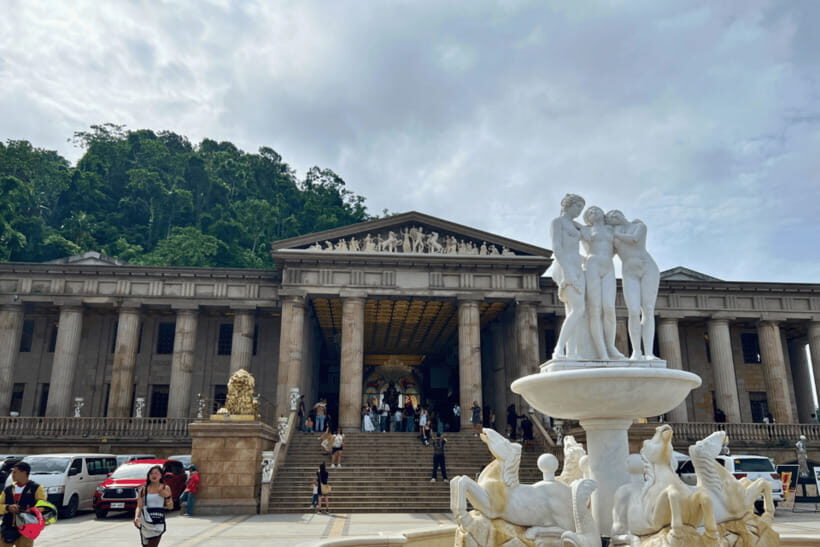
This tour is described as self-guided, but don’t assume you’re on your own. Your driver serves as your tour guide, and the best results come when you treat them like a resource.
In top reviews, Joey stands out for a few reasons that actually matter for your day:
- He arrived early and seemed genuinely friendly.
- He was helpful with timing and kept the driving considerate and safe.
- He even made life easier with extra stops like 7/11 for bits to snack on later.
- He took a lot of photos of the group together, which is a small thing until you realize how often you end up with solo shots on trips.
If you want the experience to feel more guided without losing flexibility, use a simple approach:
Ask a question at each stop before you start walking. Then compare what you notice with what they suggest. It turns the day into a conversation instead of a checklist.
Who should book this Cebu City history and uphill tour?
This is a great fit if:
- You want a single day that combines colonial-era landmarks, heritage architecture, and uphill city views.
- You prefer structured sightseeing without paying separately for every ticket.
- You enjoy photo opportunities but also want stops that teach you something beyond a signboard.
- You like the idea of a friendly English-speaking driver guiding the flow while you explore at your own speed.
It might be less ideal if:
- You need constant formal commentary at every site.
- You’re sensitive to walking in uneven terrain or on hills.
- Your schedule is fixed on Monday, since the National Museum is closed.
Should you book this tour?
If you’re spending limited time in Cebu City and want the highest “signal” day—fort, cross, churches, heritage house, a museum, and a couple of standout viewpoints—this is a solid choice. The real reason I’d book is the combination of included admissions, hotel pickup, and a driver who (in the best cases) actively improves your experience with extra practical help, like Joey’s early start and photo support.
Book it if you want an efficient day with breathing room at each stop. Skip it if Monday museum timing would break your plan or if you strongly dislike hills and outdoor viewpoints. Otherwise, this uphill history day is an easy way to get your bearings fast and still feel like you saw Cebu, not just passed through it.
FAQ
How long is the Cebu City history and uphill tour?
The tour duration is 8 hours.
What’s the pickup and drop-off situation?
Pickup and drop-off are available in Cebu City and Lapu-Lapu City (Mactan). There are multiple pickup and drop-off options listed, and you should specify your preferred location at booking.
Is lunch included?
No, lunch is not included.
What’s included in the price?
The price includes hotel pickup and drop-off, transportation in a private air-conditioned car, and entrance/admission fees.
Is the tour guided or self-guided?
It’s self-guided at the stops, but your driver serves as your guide for the day.
Is the tour okay if it rains?
Yes. The tour runs rain or shine, so bring an umbrella and water. The National Museum of the Philippines – Cebu is closed every Monday.