REVIEW · CEBU CITY
Small Group Cebu City And Uphill Mountain Tour
Book on GetYourGuide →Operated by Global Experience · Bookable on GetYourGuide
Cebu in a single day feels like speed-dating history. You’ll hit headline stops like Magellan’s Cross and the Santo Niño church, then ride up toward scenic photo spots like Sirao and Temple of Leah. I love the mix of Spanish-era landmarks with distinctly Chinese and Filipino vibes, and I especially like how the day includes time for photos without feeling totally rushed. One heads-up: lunch and a couple of attractions/fees are extra, so you’ll want a little cash buffer.
The whole thing runs as a small-group van day with an English-speaking guide (Lee is specifically mentioned in feedback), plus a driver who keeps you moving and feels safety-conscious. Pick-up is only from Cebu City Center, and the morning window is limited, so if you’re staying outside the core, you may need another plan.
In This Review
- Key highlights I’d plan around
- Your day in Cebu City and the uphill viewpoints
- Pickup from Cebu City Center and the “8 hours” reality check
- Sirao Pictorial Garden and Camping Site: the photo stop that earns its time
- Temple of Leah: big architecture and a budget line you shouldn’t ignore
- Taoist Temple and Cebu Heritage Monument: where the tour slows down
- Downtown classics: Magellan’s Cross and Santo Niño Church (quick hits done right)
- Fort San Pedro: Cebu’s old fort energy, even if the timing is tight
- House of Lechon and the lunch you should budget for
- Souvenir time and Taboan Public Market: snackable shopping, not a long mall run
- 10,000 Roses Café and the CCLEX drive: LED roses and late-day vibes
- Why the $60 price can make sense (if you budget the add-ons)
- Who this tour suits best
- Should you book this Cebu City and Uphill Mountain Tour?
Key highlights I’d plan around
- Sirao Flower Farm time (1.5 hours): lots of walking and photo time in the up-hill gardens people associate with Cebu’s Little Amsterdam.
- Temple of Leah views: a short visit that’s big on wow-factor, with a separate per-person fee you should budget for.
- Taoist Temple + Cebu Heritage Monument: a cultural break from just sightseeing photos, and a chance to slow down.
- Fort San Pedro and downtown icons: quick hits on Cebu’s early colonial and religious landmarks.
- Taboan Public Market: a focused window to snack/shop for dried fish and local treats.
- 10,000 Roses Café via CCLEX: a scenic drive plus an LED-rose stop that works especially well for evening light.
Your day in Cebu City and the uphill viewpoints
This is a classic one-day format: start in town, cover the major historic sights, then climb toward gardens and lookout-type stops. The pacing is designed so you don’t just stare at a checklist—you get short self-guided windows where you can move at your own speed, take pictures, and still come back together on time.
Because it’s 8 hours, it’s ideal if you want the best-known Cebu highlights without spending your whole day in taxis. It’s also a good fit if you’re the kind of traveler who likes order and timing—your van pickup, transport between areas, and admission handling are already wrapped into the plan.
You can also read our reviews of more city tours in Cebu City

Pickup from Cebu City Center and the “8 hours” reality check
Pickup is included, but only within Cebu City Center, and it happens between 8:00 AM and 9:00 AM. That matters because if you’re staying farther out, you could lose the convenience factor (and you may still need to get yourself to the pickup zone).
You’ll finish at SM City Cebu. That’s handy if you’re planning to continue shopping, grab dinner, or head onward from a major mall area. The rest of the timing is set up around the major sites, with self-guided time built in for each stop.
And yes, you’ll be in an air-conditioned vehicle during the ride. That’s not a minor detail in Cebu heat, especially when you’re switching between outdoor viewpoints and temple/city centers.
Sirao Pictorial Garden and Camping Site: the photo stop that earns its time
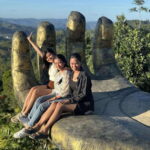
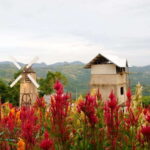
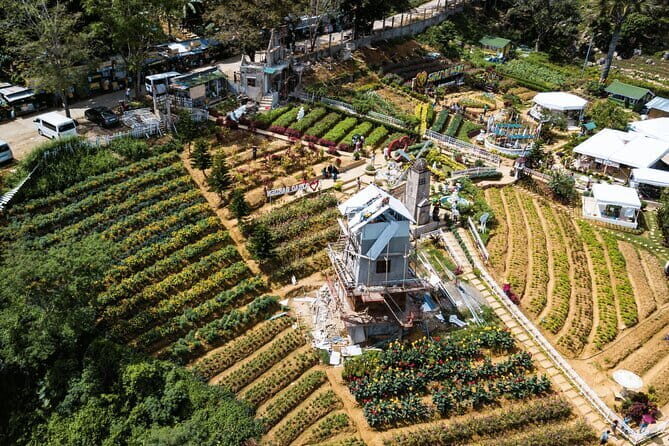
Your first big scenery hit is Sirao Pictorial Garden and Camping Site, with 1.5 hours for self-guided wandering. The tour frames this as Cebu’s Little Amsterdam, and that’s a useful mental shortcut: expect flower-heavy, scenic areas that are built for pictures and strolls.
This is where the uphill part of the trip starts to feel real. If you like taking time with composition—pathways, arches, flower rows—this is your breathing room. You’re not being herded through in five minutes; you get enough time to walk around, find a good angle, and still stay on schedule.
Possible drawback: it’s a garden/photography stop, so if you prefer mostly historical interiors or museums, you may want to view Sirao as the scenic palate cleanser between the city landmarks.
Temple of Leah: big architecture and a budget line you shouldn’t ignore

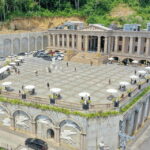
After Sirao, you’ll head to Temple of Leah for 30 minutes of self-guided time. It’s described as an architectural tribute to love, and the pricing details here are important: the Temple of Leah fee is not included (150 per person, guest expense).
This stop is essentially a short-but-important viewpoint experience. Even within a half hour, you should be able to get photos, read the setting from a few angles, and enjoy the higher vantage where Cebu’s city sprawl starts to make sense.
What to consider: because there’s an extra entrance fee here, you’ll want to budget a little more than the $60 tour price. Also, if you’re the type who hates waiting in ticket lines, keep in mind that this is still an attraction with on-site visitors.
Taoist Temple and Cebu Heritage Monument: where the tour slows down
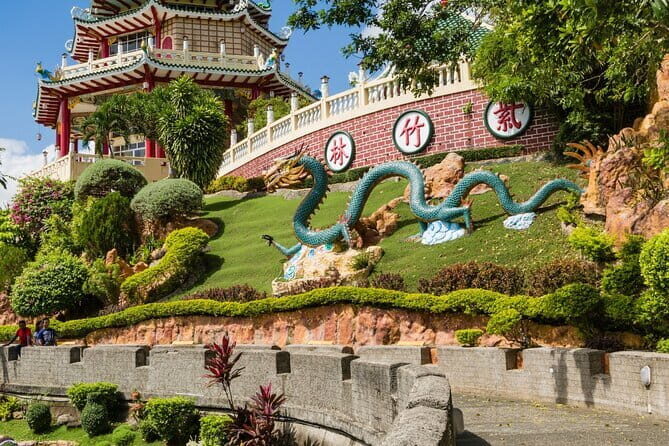
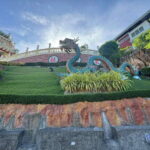
Next up is the Taoist Temple, also 30 minutes self-guided. The theme is Chinese heritage, and it’s positioned as a more serene sanctuary compared with the busy city streets. This is one of those stops that’s easier to enjoy when you can slow down—look at the details, notice the symbolism, and take in the atmosphere instead of only photographing fast.
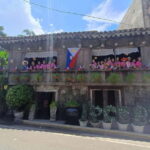
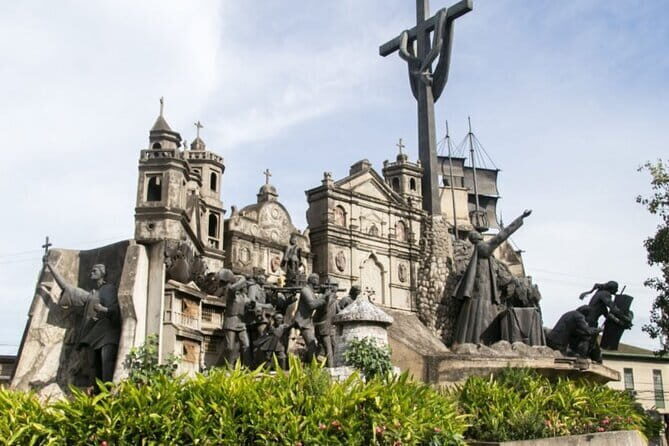
Then you’ll move into Cebu Heritage Monument (linked with Cebu Heritage Park), with 30 minutes self-guided. This is the history-and-identity angle of the day. You’re not looking at a single famous statue; you’re getting a sense of how Cebu wants to tell its own story through landmarks.
Why this portion matters: it balances the day. Without stops like this, one-day Cebu tours can turn into a string of “check-the-box” photos. This gives you a better sense of place.


Downtown classics: Magellan’s Cross and Santo Niño Church (quick hits done right)

Now you’re back in the central zone for two of Cebu’s most iconic sights.
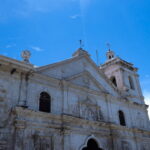
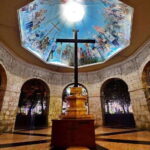
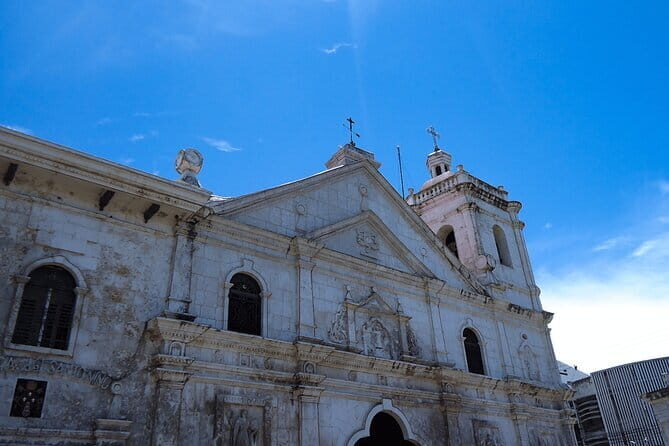
You’ll visit Magellan’s Cross for about 15 minutes, and then the Basilica Minore del Santo Niño de Cebu Pilgrim Center for about 15 minutes as well. These aren’t long visits, and that’s okay. The point is to see the key landmarks and get your photos while you’re fresh—rather than losing the whole day to crowds and slow-moving lines.
Practical tip: treat these stops like sunrise viewing, even if it’s not sunrise. Aim to arrive mentally ready to move quickly, and don’t plan to do a deep reading of everything on-site. If you’re drawn to history, you’ll get more mileage by using the guide’s context during the ride and then using your time on-site for angles and atmosphere.
Fort San Pedro: Cebu’s old fort energy, even if the timing is tight
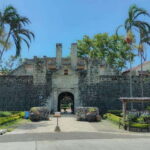
The tour’s highlights specifically include Fort San Pedro. Even if your time there feels short compared with Sirao or 10,000 Roses, that’s still a valuable addition. Fort San Pedro is the kind of place where you get instant “old Cebu” vibes: walls, heritage, and the sense that power and trade shaped the city long before modern streets.
What I like about pairing this with Magellan’s Cross and Santo Niño: it creates a simple timeline. You get religious legacy in one pocket, colonial-era history in another, and then you move toward markets and gardens.
Possible drawback: because downtown icons are time-boxed, you may have less room to linger if you find a lot to read. If that happens, focus on one thing: a single viewpoint or structure angle you can’t get elsewhere.
House of Lechon and the lunch you should budget for

Lunch is at House of Lechon, and it’s not included. The idea is straightforward: you’ll get Cebu’s famous roasted pork as your meal break, but you pay as you go.
From a value perspective, I actually like this setup. When lunch is included, it can become a rushed group meal where quality depends on the group’s pace. Here, you can eat what you want within reason and still keep the day moving.
One caution: since lunch is your guest expense, plan for it in your total trip budget. If you’re traveling with someone and you both eat big, the final lunch bill can add up faster than the $60 tour cost.
Souvenir time and Taboan Public Market: snackable shopping, not a long mall run
There’s a shopping stop for souvenirs, and then you’ll get 30 minutes at Taboan Public Market. This is where you can grab local treats and dried fish, which are the kind of things that actually make sense to bring home from Cebu.
What you should expect: a lively market feel, and a short window. So you’ll do best if you go with a few targets in mind—something edible, something small, and something that won’t explode in your suitcase.
Why it’s worth including: Cebu’s best shopping isn’t always expensive boutiques. It’s often practical local food, wrapped up neatly for travel.
10,000 Roses Café and the CCLEX drive: LED roses and late-day vibes
To reach 10,000 Roses Café & More, you’ll take a scenic drive along CCLEX. Then you get 30 minutes self-guided at the rose café area.
This is described as a glowing sea of LED roses, which explains why this stop is so popular for photos. If you love night-lit pictures, this one can deliver. If you don’t care about LEDs, it can still be fun as a quick break: sit, snap a few shots, and enjoy the atmosphere without committing to a full dinner plan.
Practical advice: wear comfortable shoes. Even with a short time slot, LED or not, you’re still moving through a themed area where people linger.
Also note: there’s an extra line item in the tour’s non-included details for La Vie Parisienne with a P100/pax consumable fee. The exact experience tied to that fee isn’t spelled out in the details you provided, so treat it as an optional extra you may choose if it’s available when you arrive.
Why the $60 price can make sense (if you budget the add-ons)
At $60 per person for an 8-hour day, the biggest value driver is what’s wrapped in: admissions, air-conditioned transportation, and a guide/driver team. For an action-packed day with multiple sites, this is the sort of price that can save you hassle more than it saves you money—especially when you compare it to doing everything independently with separate entrance fees, transport, and waiting.
Where the math changes is lunch and the couple of extra fees:
- Lunch at House of Lechon is extra.
- Temple of Leah has a separate fee (150 per person).
- La Vie Parisienne may add a P100 per person consumable fee.
My suggestion: don’t think of the $60 as the whole day’s cost. Think of it as the foundation, then budget an estimated add-on amount for the named extras.
The other value angle is time. With pickups and a planned routing, you’re not trying to coordinate taxis between distant areas (especially for uphill stops). For a first Cebu day, that matters.
Who this tour suits best
This works well if:
- you’re on a short trip and want Cebu’s top sights in one go
- you like mix-and-match travel days: history plus gardens plus markets
- you want an English guide and a driver who keeps things organized and safe
- you care about photo stops and not just monuments
It might be less ideal if:
- you hate extra entrance fees and pay-as-you-go meals
- you want long, quiet time inside churches and museum-style spaces
- you prefer deeply guided lectures over self-guided photo windows
A small-group format helps here. You’re not lost in a huge crowd, and you’re more likely to get quick guidance from Lee and the driver for timing and photos.
Should you book this Cebu City and Uphill Mountain Tour?
If your goal is one efficient day that covers Cebu’s famous downtown icons plus uphill scenic stops, I think this is a solid choice. The guide support (including Lee) and the comfortable, scheduled van ride make it feel like you’re spending your day on experiences, not logistics.
Just go in with the right expectations: plan for lunch and the extra Temple of Leah fee, and treat Sirao and 10,000 Roses as your two main scenery/photo windows. If that sounds like your style, book it. If you want a slower, heavier-history day with fewer add-on costs, you might prefer a more focused tour.