REVIEW · MANILA
From Manila: 4-Day Sagada and Banaue Rice Terraces Tour
Book on GetYourGuide →Operated by Abraham Tours Philippines · Bookable on GetYourGuide
Sagada feels like a different planet after you leave Manila’s rush. This 4-day Sagada and Banaue Rice Terraces trip strings together UNESCO-grade rice terraces, the Hanging Coffins of Sagada, and real cave time in Sumaguing Cave, with local storytelling from guides who actually come from the Cordillera. I especially like the mix of culture stops with hands-on hiking, and I also like that you sleep in a guest house looking over Batad Rice Terraces. The tradeoff is physical terrain: expect steep steps, slippery cave sections, and mountain walking that will not feel gentle.
One more thing I appreciate is how much attention gets paid to matching the plan to the group. Guides on the ground (including Zohan, and other local guides) keep things moving and adjust when weather or condition changes. Yes, the long overnight bus ride from Manila is part of the deal, even with air-con and comfort breaks, so mentally budget for a travel day before the fun starts.
In This Review
- Key things you’ll notice right away
- From Manila to Sagada: the long bus ride that shapes the whole trip
- Echo Valley and the Hanging Coffins: why the stories matter
- Sumaguing Cave: the signature adventure, with real footing challenges
- Ifugao villages, weavers, and the Ifugao House Museum: culture you can see with your own eyes
- Batad Rice Terraces and Tappiya Falls: how to enjoy the toughest parts
- Bangaan Village on Day 4: one last terrace hike before Banaue and Manila
- Price and value: what $306 buys you (and what you’ll still pay for)
- Comfort, food, and timing: how to avoid the common mistakes
- Who this tour fits best (and who should skip it)
- Should you book the Sagada and Banaue Rice Terraces Tour?
- FAQ
- How long is the Sagada and Banaue tour?
- What is the price per person?
- Where do I meet for the tour?
- What’s included in the price?
- Which meals are not included?
- Is the tour guided, and what language is used?
- Is there free cancellation?
- Can I reserve now and pay later?
- Is this tour suitable for everyone?
- Is it private or a small group?
Key things you’ll notice right away
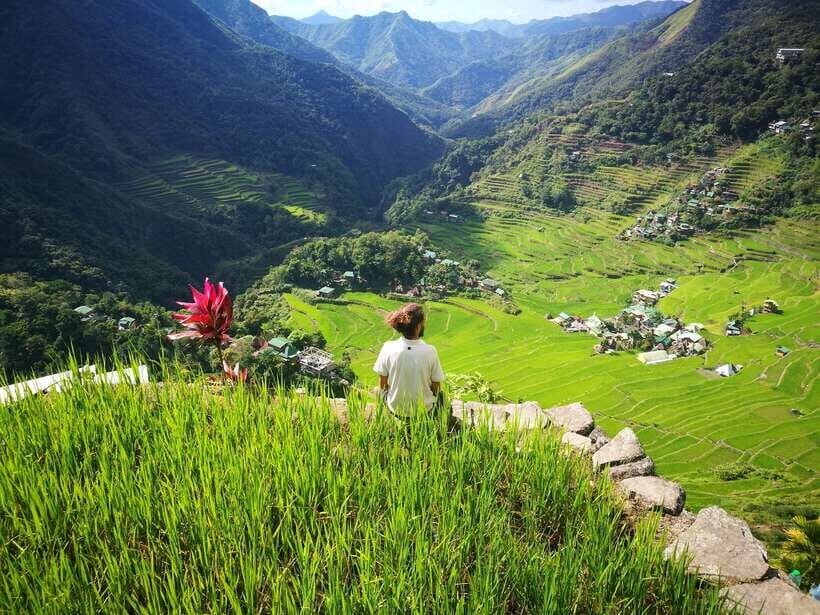
- UNESCO Ifugao Rice Terraces plus multiple terrace viewpoints, not just one quick photo stop
- Echo Valley Hanging Coffins explained with context, not treated like a roadside spectacle
- Sumaguing Cave spelunking as a core experience, with the kind of footing that rewards caution
- An overnight guest house above Batad so you wake up to rice terrace scenery
- Tappiya Falls time that gives your legs a breather after terrace hiking
- Flexible guide energy as the group’s pace and conditions change
From Manila to Sagada: the long bus ride that shapes the whole trip
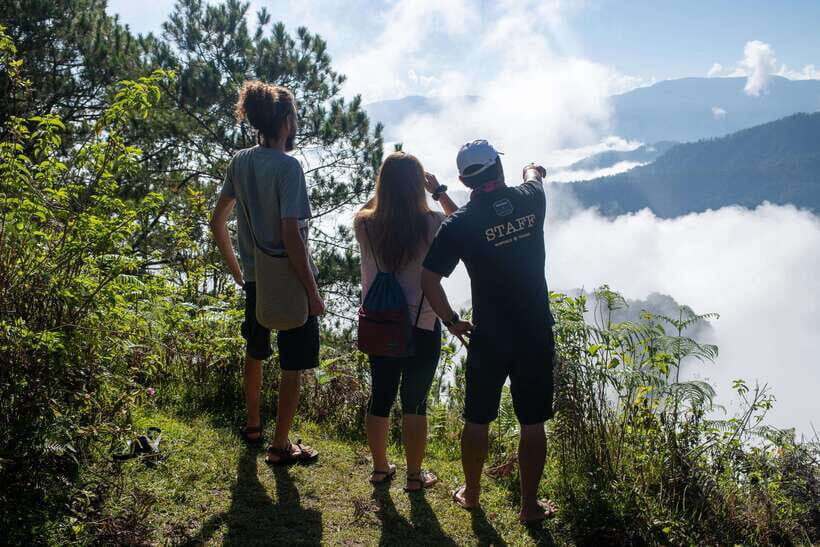
This tour is built around getting north into Luzon’s highlands, and that means an overnight bus from Manila to Sagada. It’s not a short transfer, but it’s also not a punishment if you plan like a mountain traveler: bring layers, expect some bumps, and use the comfort breaks to reset your body.
The route climbs toward Mountain Province, so even if you start the day tired, the air gets crisper as you near Sagada. That matters because Sagada is one of those places where the weather changes the mood. Cool mornings make the first hikes feel more manageable, and the evening chill sets you up for the quieter, more atmospheric cave and memorial-site visits.
The best practical move: treat the bus as day zero. Once you arrive, you’ll get a mountain schedule. If you keep your expectations realistic, the rest of the itinerary feels smoother.
A few more Manila tours and experiences worth a look
Echo Valley and the Hanging Coffins: why the stories matter
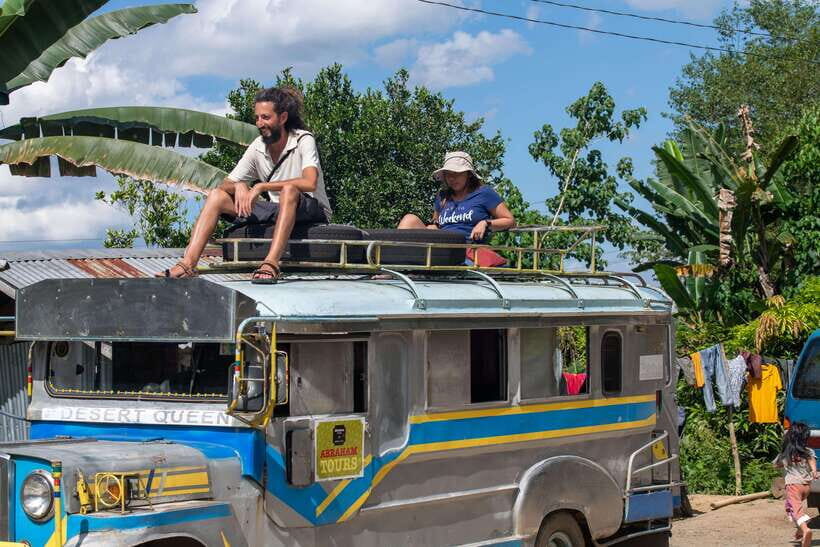
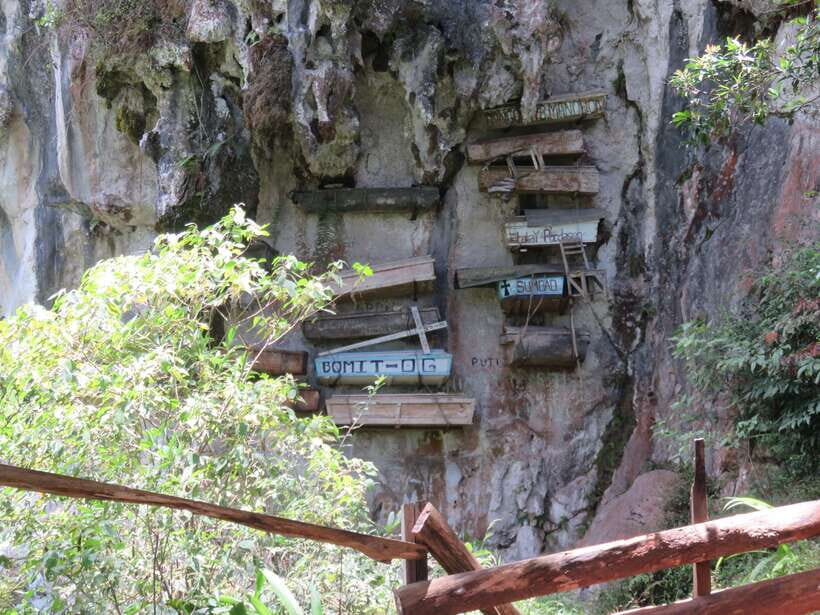
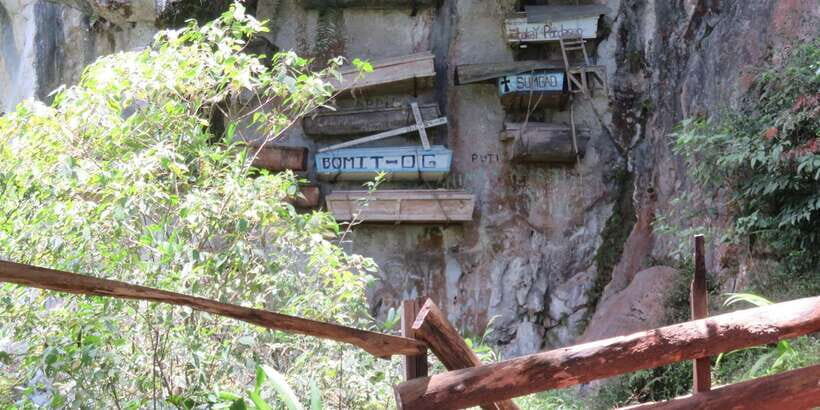
Echo Valley is where Sagada’s Hanging Coffins come into focus. This isn’t just a viewpoint; it’s a cultural site tied to Cordillera beliefs and family traditions. What makes this stop valuable is how you’re guided through the why behind the sight.
In a place like Sagada, the visual details can be easy to reduce to photos. I love that this tour doesn’t stop there. A good guide will connect the site to local practices and explain what it meant for the community, so you understand it as a living cultural framework rather than a tourist photo trick.
There’s also a practical side: reaching the area requires walking and some careful movement. You’re in mountain terrain, and footing can be uneven. Wear shoes with real grip. Plan to move slowly, especially if the ground is damp.
Sumaguing Cave: the signature adventure, with real footing challenges
If you’re coming for one big activity, this is it: Sumaguing Cave. The tour’s cave time is famous in Sagada for a reason, and the practical lesson is simple: treat it like a physical experience, not a casual stop.
From what’s consistently described, the cave segment can involve crawling and navigating uneven, slippery surfaces. Some people do barefoot cave spelunking styles, which tells you the cave experience isn’t designed to be fluffy. Even if conditions change, you should assume you’ll need care, patience, and the willingness to go at a cautious pace.
What to prep:
- Pack for damp conditions. Your clothes will likely get wet or at least feel like you’ve been in a humid environment for hours.
- Keep valuables minimal. Anything you care about should stay secured.
- Bring a towel or plan to use one afterward if your lodging setup allows it.
The payoff is huge. When you’re underground, the experience becomes less about ticking boxes and more about moving through a natural system that feels ancient and oddly personal. This is one of those activities where a local guide’s awareness helps a lot, especially when the cave floor is not your friend.
Ifugao villages, weavers, and the Ifugao House Museum: culture you can see with your own eyes
After Sagada’s memorial sites and cave time, the itinerary shifts toward Ifugao, where rice terraces aren’t just scenery—they’re part of how communities organize life. This day is set up to show you the human side: weaving traditions, daily practices, and heritage housed in places like the Ifugao House Museum.
This is a highlight for a simple reason. Rice terraces can look like a perfect postcard from far away, but you’ll understand them more when you see the crafts, homes, and museum exhibits that connect people to the land. You also get a clearer sense of how traditions persist through generations.
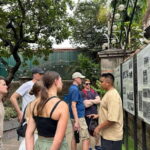
One of the strongest values here is the guide connection. Guides from the region can explain details that don’t show up in standard guidebooks. If you’re the kind of traveler who likes to ask why a practice exists, this is the part that rewards your curiosity.
Batad Rice Terraces and Tappiya Falls: how to enjoy the toughest parts
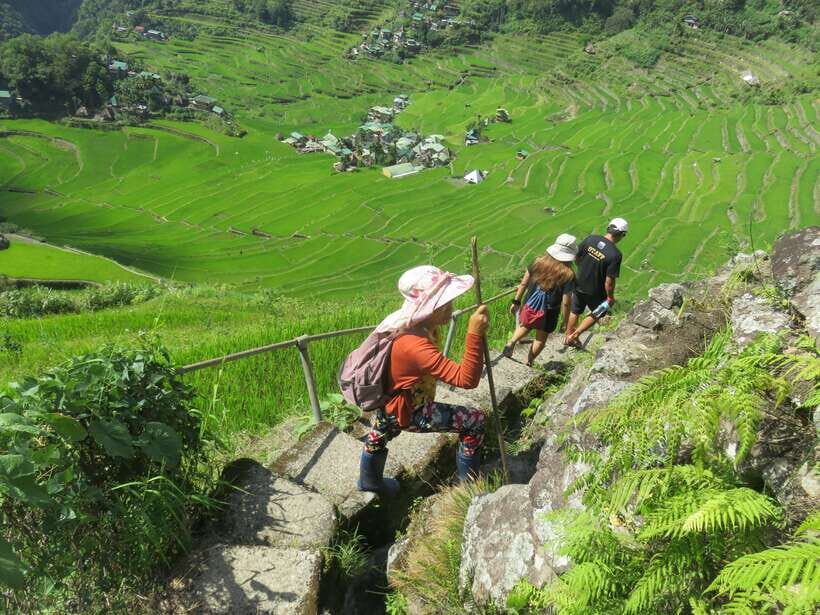
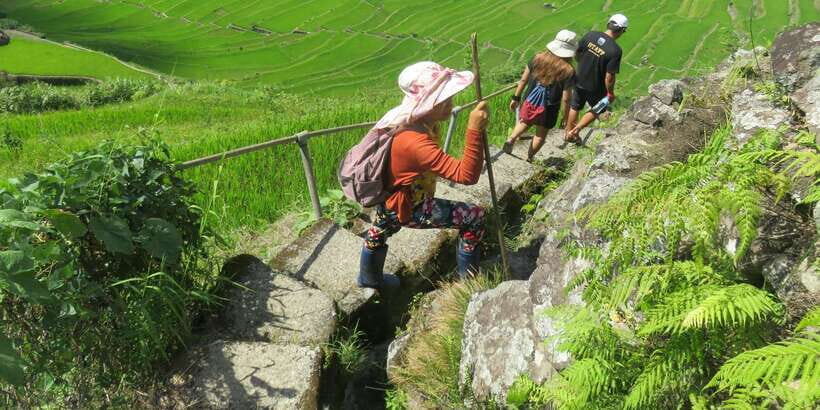
Batad is where the itinerary delivers on the “wow” factor. The rice terraces here are stepped, layered, and built into steep hillsides. They’re also demanding in the real-world way: short hikes that still feel like hikes because of elevation, uneven paths, and stairs that go on longer than you expect.
I like that this tour doesn’t pretend the trek is easy. The routes are challenging enough to be satisfying, but they’re also focused and guided. You’re not wandering aimlessly. You’re moving with purpose—usually from terrace viewpoint to terrace viewpoint, with time to stop and take in what the terraces look like in different light.
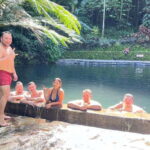
Then there’s Tappiya Falls. It’s a welcome rhythm change after walking: you get a cooling break that helps your legs reset. If you want to swim, do it with common sense—mountain waterfalls can be cold, and slippery areas are common around water. Even if you just soak your feet, you’ll feel better for the next stretch.
One thing to keep in mind: Batad is often associated with amazing scenery at sunrise and sunset. This tour includes an overnight in a guest house overlooking Batad Rice Terraces, which is the advantage. You’re not just passing through. You get a chance to wake up into the view and feel how the terraces sit with the mountains around them.


Bangaan Village on Day 4: one last terrace hike before Banaue and Manila
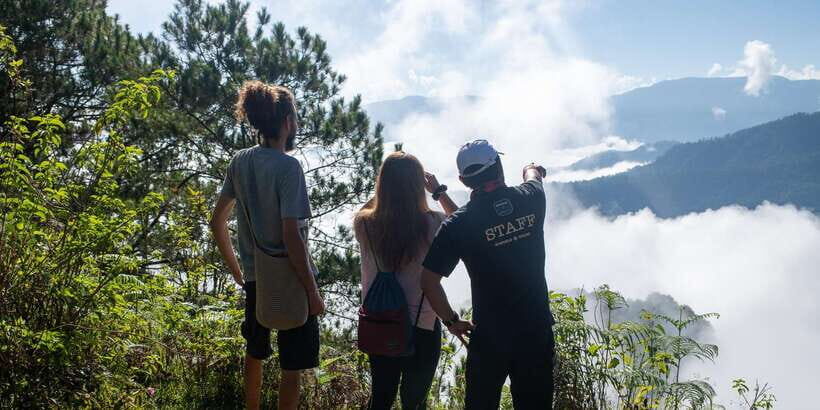
Day 4 brings Bangaan Village into the mix, with another rice terrace hike designed for big views. This part works best if you keep your pace controlled. The terrain can still be steep, and by this point in the trip your muscles will tell you the truth.
The value of Bangaan is that it expands the terrace experience. If you’ve only seen one terrace angle, it can feel like you’ve seen one style. Bangaan helps show the variation—how different village viewpoints frame the green steps against the mountain backdrop.
After the hike, the tour winds down in Banaue. You’ll have a farewell meal and then board a bus back to Manila. The schedule can feel like a lot when you add up the trekking and the travel, but that’s exactly why the early nights in guest houses matter. They give you real recovery time so the trip doesn’t turn into pure motion.
Practical tip: pack a small bag you’ll use on both the hikes and the bus ride home. Think: water, a light layer, and something to protect your phone or camera from damp or dust.
Price and value: what $306 buys you (and what you’ll still pay for)
At $306 per person for four days, the price is less about luxury and more about what’s included. You’re paying for:
- Transportation between key points (including that overnight move from Manila)
- Entrance fees
- Local guides in Sagada and Banaue
- Two nights of hostel-style accommodation (one in Sagada and one in Batad)
- Daily breakfast, plus a lunch on day 3
What’s not included is equally important for budgeting:
- Dinners
- Drinks
- Lunch on days 1 and 2
To judge value fairly, compare this tour to the cost of doing it piece by piece—transport, entrance fees, and guided coordination. Rice terrace regions aren’t an easy “DIY everything” destination when you factor in transport timing, cave logistics, and the fact that guides add meaning to the sites. Here, you get guided context at multiple points, not just one.
If you’re the type who usually eats cheaply, your extra daily cost might feel manageable. If you prefer restaurant meals and drinks, plan to spend more. Either way, the tour’s big-ticket value is the guided access and the way it strings together multiple high-effort sights without you having to solve the route.
Comfort, food, and timing: how to avoid the common mistakes
This trip uses mountain travel logic. That means you should pack for two climates:
- Cool mountain air (Sagada, higher elevations)
- Damp cave conditions and misty outdoor hikes
Comfort on the bus is one of those “nice but not miraculous” details. The overnight ride includes air-con and comfort breaks, but it’s still a long journey. Bring a neck pillow if you use one, and plan for rest that isn’t perfect sleep.
Food-wise, you’ll have daily breakfast, and there’s a lunch on day 3. Dinners are not included. I like knowing this up front because it helps you avoid the budget surprise of paying for every meal on top of the tour. You can keep day 1 and day 2 lunches flexible. On day 3, you’re covered at lunch, which is useful because that’s the day when hiking and terrace viewing demand energy.
Shoes and layers are your biggest “comfort upgrades.” For caves, plan around dampness and grip. For terraces, prioritize traction and support.
Who this tour fits best (and who should skip it)
This isn’t a casual stroll tour. It includes cave navigation and hikes around steep rice terraces. It’s also specifically listed as not suitable for:
- Pregnant women
- Wheelchair users
Beyond that, it’s best for people who:
- Want culture and context, not only photos
- Are comfortable with physical activities, even if hikes are short but steep
- Like having a local guide explain traditions, especially around the hanging coffins and Ifugao community life
If you prefer fully flat walking, or if you want a “light” day every day, you might find this itinerary more demanding than expected. The good news is that guides can adjust pacing for different group types, so you won’t feel abandoned on the trail.
Should you book the Sagada and Banaue Rice Terraces Tour?
Book it if you want a north Luzon mix that feels real: UNESCO rice terraces, Sagada’s hanging coffins with stories, and Sumaguing Cave as the kind of activity you remember for years. The value at $306 is strongest when you actually appreciate guided access and don’t want to piece together transport and entrance fees yourself.
Consider skipping or switching to something less active if:
- You know you struggle with steep steps or slippery surfaces
- You can’t do cave-type terrain safely
- You want a trip where most days are easy walking
If you can handle a physically meaningful itinerary, you’ll probably love how the trip connects people, beliefs, and landscapes into one arc. You’ll go home with more than pictures—you’ll have a better sense of how the Cordillera region keeps its traditions alive.
FAQ
How long is the Sagada and Banaue tour?
It runs for 4 days.
What is the price per person?
The price is listed as $306 per person.
Where do I meet for the tour?
You meet at Coda Lines Terminal. Plan to arrive 15 minutes before departure.
What’s included in the price?
Transportation to all sites, entrance fees, daily breakfast, lunch on day 3, local guides in Sagada and Banaue, and hostel accommodation for two nights (in Sagada and Batad).
Which meals are not included?
Drinks are not included, and lunch on day 1 and day 2 is not included. Dinners are also not included.
Is the tour guided, and what language is used?
Yes, there is a live tour guide in English. You also skip the ticket line.
Is there free cancellation?
Yes, you can cancel up to 24 hours in advance for a full refund.
Can I reserve now and pay later?
Yes, there’s a reserve now & pay later option listed.
Is this tour suitable for everyone?
It is not suitable for pregnant women or wheelchair users.
Is it private or a small group?
Private or small groups are available.