REVIEW · MANILA
Experience Intramuros with Bamboo Bicycle – Ecotours
Book on Viator →Operated by Bamb Ecological Technology Inc. · Bookable on Viator
Intramuros can feel like a big, hot museum. This tour turns it into a moving ride with bamboo bikes and a guided history loop that actually fits into 3 hours. You’ll get a small-group pace, bottled water during the ride, and guided stops that connect places like Fort Santiago and the old gates to the stories behind them. Guides like Anj, Chi, Paolo, and JD are repeatedly praised for keeping the group together and making the history land.
What I really like is the practical “ride-first” approach—flat, easy biking most of the time—and the fact that you visit the major Intramuros landmarks rather than only snapping photos from the sidelines. The one drawback to consider: some parts of Intramuros are crowded with pedestrians, and you’ll also ride on city roads at times where cars and motorcycles appear, so you need comfort riding in traffic.
In This Review
- Top reasons this bamboo bike loop works so well
- Bamboo bikes in Intramuros: what to expect from the vibe
- Meeting at Bambike HQ and getting your bike fit
- Casa Manila and Muralla Street: the history starts before you even hit the walls
- Puerta Real Gardens and Puerta del Parian: gates that tell you how power worked
- Café Y Ruedas refresh break: a smart pause before the big church stops
- Plaza Roma and Manila Cathedral: the center of gravity for Intramuros
- Fort Santiago on your route: riding close, then walking inside
- San Agustin Church: UNESCO timing and a final dose of atmosphere
- How hard is the biking? Easy pace, crowded streets, real traffic
- Guides and group size: safety support is part of the deal
- Price and value at $39: what you’re really paying for
- Weather, smells, and other real-world considerations
- Who should book this bamboo bike tour (and who should skip it)
- Should you book Intramuros with Bamboo Bicycle – Ecotours?
- FAQ
- How long is the Bamboo Bicycle tour in Intramuros?
- What does the tour cost?
- Where do I meet the tour?
- How big is the group?
- What’s included in the tour price?
- Is there walking during the tour?
- Does it run in the rain?
- Is this tour suitable for children?
- Can I cancel for a full refund?
Top reasons this bamboo bike loop works so well
- Bamboo bikes with a custom fit: you choose a style/size, and every bike is unique
- Big landmarks in limited time: Fort Santiago, Manila Cathedral, and San Agustin are all on the route
- City-wall riding: you’re not just walking up to walls—you get a view from the saddle
- Real breaks built in: a refresh stop at Café Y Ruedas, plus snacks at the end
- Small group limit: max 15 travelers, with helmet use and road support
- Weather-ready kit: sunscreen or rain ponchos when needed, plus a cold towel at the end
Bamboo bikes in Intramuros: what to expect from the vibe
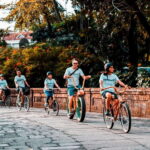
The smart thing here is choosing bikes inside a historic district. Intramuros is dense—stone walls, gates, churches, and narrow streets—so walking can turn into “stop, start, sweat, repeat.” On a bamboo bike, you keep momentum, and you can cover more ground without feeling like you’re sprinting between sights.
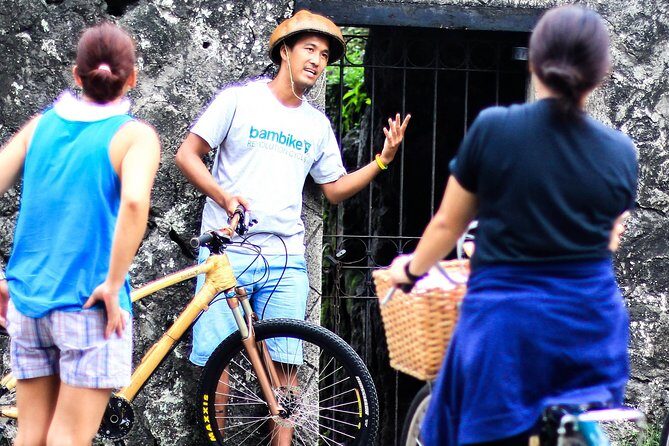
The bikes are also part of the charm. You’re not stuck on a generic rental. You pick a style and size, and they’ll help personally match you to a bike that should feel comfortable for the ride. Bamboo bikes also tend to make people slow down and look around, which helps when your guide is pointing out details you’d normally miss—like why a gate mattered to defense strategy.
Just be ready for the neighborhood feel. Intramuros is not a closed car-free track. Even with a slower pace, you’ll share space with pedestrians and occasional vehicles, so it’s better suited to riders who can stay focused rather than people hoping for a totally empty ride.
You can also read our reviews of more tours and experiences in Manila.
Meeting at Bambike HQ and getting your bike fit
You start at Bambike Ecotours Intramuros at Bambike HQ in the Plaza San Luis Complex, right on Real St near the corner of M General Luna St. The meeting point matters because this area is already central to the action—so once you’re rolling, you don’t waste time relocating.
Before you ride, you’ll fill out waivers and then choose your bamboo bike. The tour is designed so that they personally select what fits you best, which is a big deal for comfort. In a 3-hour tour, a slightly awkward bike can ruin the whole mood, so I like that they treat the fitting as part of the experience rather than a quick afterthought.
You also get gear support: you’ll use a helmet, and they provide sunscreen or rain ponchos when needed. That’s the kind of thing that makes the tour feel “ready for the day,” especially in Manila weather where conditions can flip quickly.
Casa Manila and Muralla Street: the history starts before you even hit the walls
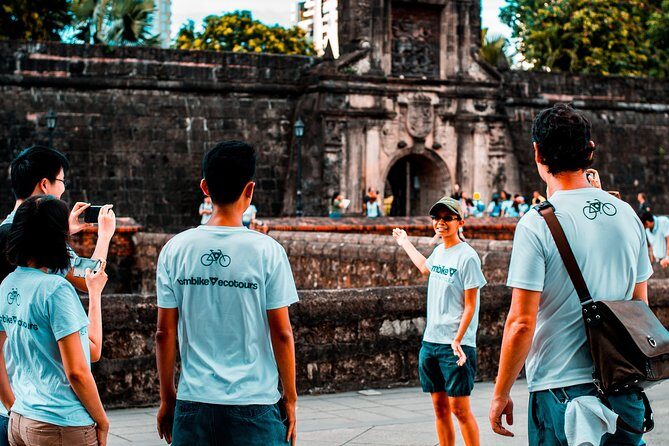
Your route begins with a stop at Casa Manila, a traditional house inspired by Spanish Colonial-period architecture. Even if you’re not an architecture nerd, it sets context fast: you’re about to move through a district that’s shaped by Spanish planning, religious power, and later occupations.
From there, you head into the main Intramuros flow along Muralla street. One of the key early moments is learning about the Japanese Cannon and the history of the Japanese occupation during World War II. This is where the tour does something useful: it connects the stones to real timelines. Instead of random facts, you’re hearing why specific points exist where they do.
Time-wise, expect roughly short orientation moments here—think “grab a photo, hear the story, then keep rolling.” That pacing works well because it keeps you from getting bogged down early, but it also means you should listen closely during these stops if you want the details to stick.
Puerta Real Gardens and Puerta del Parian: gates that tell you how power worked
Gates in Intramuros aren’t just dramatic entrances for postcard photos. They were part of defense planning. At Puerta Real Gardens, you’ll explore one of the main gates and hear how the Spanish used fortress strategy beyond the walls. This stop is a good one if you like understanding the “why” behind the layout.
Then you move to Puerta del Parian, which is tied to Chinese influence and the significance of Chinese people in Philippine history. This is a reminder that Intramuros wasn’t only about Spanish control or church authority. It was also shaped by trade, communities, and cultural mixing.
One practical note: gate areas can be busy with foot traffic, especially near the points where people naturally slow down for photos. In a bike tour, that means you’ll want to keep your bike under control and stay attentive to your guide’s instructions.
Café Y Ruedas refresh break: a smart pause before the big church stops
In the middle of the ride, you’ll bike out toward the walls for a refreshing break at Café Y Ruedas. This stop has admission included, and it functions like a reset button. When you’re out in the sun, even an easy bike ride adds up, so the pause matters.
This is also where the tour feels thoughtfully paced. Instead of squeezing every landmark into back-to-back moments, you get a breather. That helps you enjoy the next cluster—Plaza Roma and the Manila Cathedral area—without feeling rushed or overheated.

Plaza Roma and Manila Cathedral: the center of gravity for Intramuros
Next comes Plaza Roma. You’ll learn about the history of the public plaza and the establishments surrounding it, including context that brings you into the religious and civic role of the space.
Then you visit Manila Cathedral, described as the heart of Christianity in the Philippines. You’ll have time to experience the church’s history and interior. Even though you’re moving through Intramuros by bike, this part still feels like the “pause and focus” segment, because churches are where you’ll want to slow down, absorb, and take in details your bike tour can’t fully replace.
In short: bike time gets you there efficiently; cathedral time lets you appreciate why the district became such a focal point. If your day is short, this sequence is a solid use of your time.
Fort Santiago on your route: riding close, then walking inside
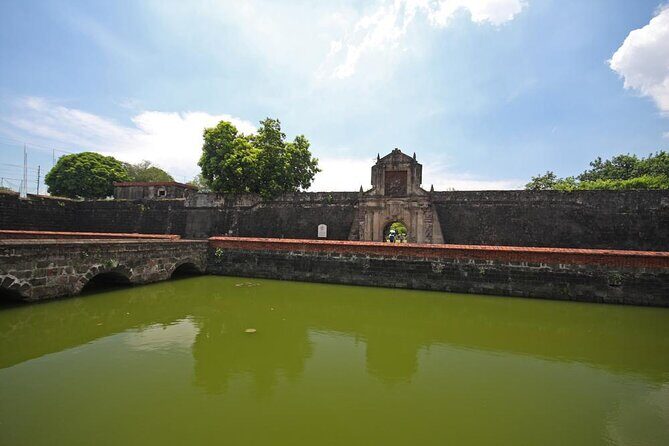
Fort Santiago is one of the highlights, and it gets the longest time allocation among the major included stops. You’ll explore the stone fortress and learn about spots that carried significance in Philippine history. Fort Santiago is also a place where the experience benefits from a mix of movement and walking, because you’ll be inside areas that aren’t bike-friendly.
Expect a small amount of walking here—inside the fort. That’s worth noting if you’re planning your day around comfort levels. The overall ride is easy for most people, but the fortress interior is where you trade some of the bike time for feet-on-stone exploring.
Also, Fort Santiago admission is included, so you aren’t scrambling for separate tickets in the middle of the tour. That’s a genuine value perk: fewer “wait here while you buy” moments.
San Agustin Church: UNESCO timing and a final dose of atmosphere
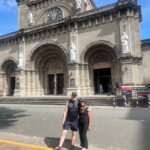
To close the landmark run, you’ll visit San Agustin Church – Immaculate Conception Parish, noted as the oldest church in the Philippines and recognized as a UNESCO World Heritage Site.
This stop is shorter, but it’s a good way to end. After Fort Santiago’s heavier vibe, San Agustin brings you back into religious and architectural significance. It also gives you a visual payoff for your “Intramuros history” focus: you’ve covered gates, WWII-era points, and major institutions—and now you see one of the most iconic church spaces.
Finally, you ride back to the meeting point and get a cold towel at the end. Small thing, big effect, especially when your day starts to feel sticky-hot.
How hard is the biking? Easy pace, crowded streets, real traffic
Most riders find this a flat and easy biking style, with a gentle rhythm that makes it doable for a range of fitness levels. The route is designed so you can listen to your guide while riding, not just pedal your way through.
Still, don’t assume it’s a car-free playground. Intramuros streets can be crowded with pedestrians, and you may ride at times where you share space with cars and motorcycles. That means your comfort level matters more than your fitness level.
Also, the tour happens in all weather conditions. That’s great if you like not losing your day. But it also means you should dress for heat and possible rain, and actually use the provided rain ponchos when it’s needed.
Guides and group size: safety support is part of the deal
The experience runs with a small group—maximum 15 travelers—and includes a local guide plus a tour escort/host. That staffing helps keep everyone together, which is crucial in a district like Intramuros where people naturally wander and stop for photos.
Many guides are praised for being energetic and organized. Names that show up repeatedly include Anj, Chi, Chloe, Josh, JD, Paolo, and Justine. A pattern in the feedback is clear: guides take their time, explain clearly, and manage safety actively.
You’ll also get helmet use and road support. Some riders specifically highlight a second guide working to block traffic so bikes can move safely through busier roads. That’s exactly the kind of behind-the-scenes handling that makes a bike tour feel less stressful.
Price and value at $39: what you’re really paying for
At $39 per person, this is positioned as a budget-friendly way to cover a major chunk of Intramuros with transport, guidance, and key site time.
What makes it feel like a good value is the package:
- you get a bamboo bike, helmet use, and a cold towel finish
- you receive bottled water during the ride plus refreshments afterward
- sunscreen or rain ponchos are provided when needed
- you include admissions for Café Y Ruedas and Fort Santiago
- you also get a guided history experience through major spots like Puerta gates, Plaza Roma, Manila Cathedral, and San Agustin
If you were to try to assemble that day on your own—bike rental, helmet, site admissions, plus the time cost of trying to learn history while navigating alone—you’d likely spend more than the sticker price in time and small add-ons. Here, the tour organizes the day so you can focus on seeing and learning.
The main trade-off: this isn’t a slow, linger-at-each-place walking tour. It’s built to fit many highlights into a short window, so you won’t have unlimited time in every church or fortress corner.
Weather, smells, and other real-world considerations
Two things stand out as practical “know before you go” factors.
First: rain. The tour runs in all weather conditions, and ponchos are provided. One review describes warm rain and emphasizes that the guide handed out what was needed, so you’re not stuck totally soaked. Still, bring a light layer that dries fast and expect slick conditions where you’ll be riding near crowds.
Second: sanitation smells. One rider reported a strong sewage-like smell in parts of the area for much of the tour, and another mentioned an issue with the bathroom at the office. I can’t predict this will be your experience, but it’s worth mentally preparing for the reality of being outside in a dense urban historic district.
If odor bothers you, it can help to keep expectations flexible and remember you’re on a moving route with periodic breaks. Use the refresh stop as a reset.
Who should book this bamboo bike tour (and who should skip it)
This is a strong fit if you want:
- a light cycling day without a long fitness test
- the key Intramuros sights in one guided run
- an easier way to get around than walking in the heat
- history explanations tied to specific locations, including WWII-era context
It might be a less perfect match if:
- you dislike riding near traffic, even at low speeds
- you’re sensitive to crowded sidewalks
- you need long, uninterrupted time inside each major site (this tour is timed)
It also works well for solo travelers. Small group size means you can ask questions and still get value from the route, without needing to join a huge crowd.
Should you book Intramuros with Bamboo Bicycle – Ecotours?
If your goal is a 3-hour, high-coverage Intramuros day—with city-wall riding, major landmarks, and a guide who manages safety—this is an easy yes. The $39 price point feels fair when you include bike use, helmet, water and refreshments, and admissions for key stops.
Book it if you’re comfortable riding at slow speeds in a lively historic area and you want a day that mixes movement with focused stops like Manila Cathedral and Fort Santiago.
Skip it or pick a different format if you want a quiet, fully car-free ride or you prefer slower museum-style pacing. Intramuros is busy, and this tour leans into that reality rather than trying to pretend it isn’t there.
FAQ
How long is the Bamboo Bicycle tour in Intramuros?
The duration is approximately 3 hours.
What does the tour cost?
The price is $39.00 per person.
Where do I meet the tour?
You meet at Bambike Ecotours Intramuros, Bambike HQ in the Plaza San Luis Complex on Real St corner M General Luna St, Intramuros, Manila.
How big is the group?
The tour has a maximum of 15 travelers.
What’s included in the tour price?
Included items are a local guide, tour escort/host, use of helmet, use of sunscreen or rain ponchos when needed, use of the bamboo bicycle, cold towel at the end of the tour, and gratuities. Bottled water and refreshments are also part of the experience, and admissions are included at specific stops.
Is there walking during the tour?
Yes, a small amount of walking is involved, including inside Fort Santiago.
Does it run in the rain?
It operates in all weather conditions, and you’ll receive rain ponchos if needed. Separately, if it’s canceled due to poor weather, you’ll be offered a different date or a full refund.
Is this tour suitable for children?
Children must be accompanied by an adult.
Can I cancel for a full refund?
Yes. You can cancel up to 24 hours in advance for a full refund. Canceling less than 24 hours before start time isn’t refunded.