REVIEW · MANILA
Manila: Rich History of Intramuros Private Tour
Book on GetYourGuide →Operated by Approfondi Transport Services · Bookable on GetYourGuide
Intramuros feels like a time machine. This private tour threads Spanish-era Manila with American and Filipino influences, using real monuments—Fort Santiago, Manila Cathedral, San Agustin—to make the story make sense. I especially like the combo of a licensed English guide and the kalesa ride that lets you feel the cobblestones without rushing.
One consideration: the tour’s transport can be handled a bit differently than you might expect. A past guest reported being placed into two separate rides and waiting around on a sidewalk afterward, so if you’re arriving with a tight schedule, keep your phone ready and confirm pickup details.
If you’re lucky, you’ll get a guide who’s great at turning facts into something human. Names that came up in guides include Alan and Iya, and a solo-guide experience with Raymond—both praised for clear explanations and keeping the pace comfortable.
In This Review
- Key things to know before you go
- Intramuros works because it’s built like a story
- Pickup, timing, and how the 4 hours feel in real life
- Baluarte de San Diego: the views and the fort-life context
- Baluarte de San Francisco de Dilao: another angle on Intramuros defense
- Fort Santiago: Rizal’s presence is the emotional anchor
- Plaza de Roma and the cathedral corridor: the quick walk that hits hard
- San Agustin Church Museum: religious art you can actually look at
- Casa Manila Museum: colonial interiors in plain, usable context
- Kalesa rides: the fun part that also helps you read the streets
- Rizal Park: the outro with monuments, lagoon, and museum complex
- Price and value: what $108 covers (and what it doesn’t)
- The best fit: who will love this tour
- Quick practical tips to make it smoother
- Should you book this Intramuros history tour?
- FAQ
- How long is the Manila: Intramuros Private Tour?
- Where are the pickup and drop-off locations?
- Is the tour private, and is it offered in English?
- Are entrance fees included?
- Do we ride a kalesa during the tour?
- Which major sites are included besides Intramuros?
- Is food or drinks included?
- Is this tour suitable for wheelchair users or people over 95?
Key things to know before you go
- Private, English-language experience with a licensed guide, so you can ask questions as you walk.
- Hotel pickup and drop-off from Makati and the Bay area keeps the start (and finish) simple.
- Multiple historic stops in one run: Baluartes, Fort Santiago, Plaza de Roma, Manila Cathedral, San Agustin, Casa Manila.
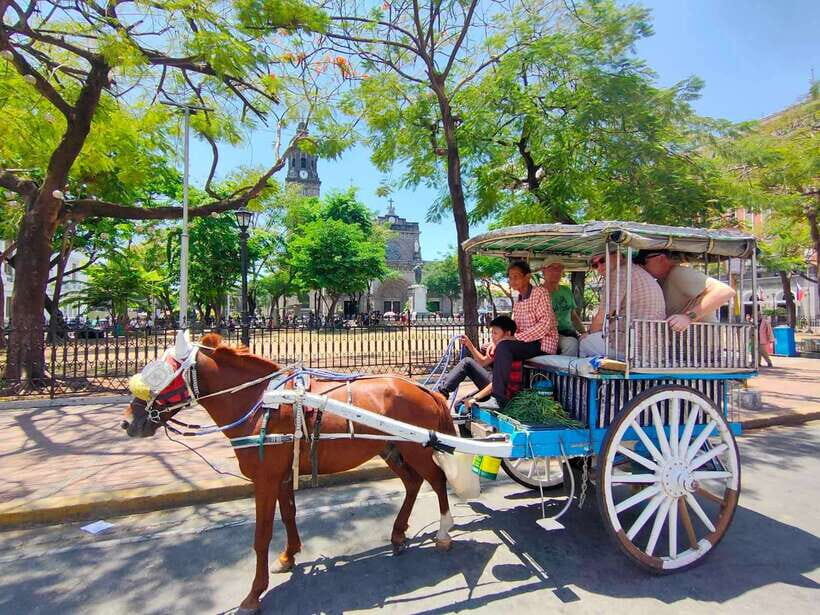
- Kalesa rides break up the walking and give you a slower view of Intramuros streets.
- Rizal Park is included at the end, including the Rizal Monument, Central Lagoon, and the National Museum Complex.
- Entrance fees are included, but food and drinks are not—plan a snack or light picnic.
Intramuros works because it’s built like a story
Intramuros isn’t just one landmark. It’s an entire walled district where you keep moving between eras. That matters, because you don’t have to mentally connect dots—you can see the changes in walls, churches, and civic squares as you go.
This tour is set up to do that for you. You start at the fortifications area (the baluartes), then work inward toward Fort Santiago and the central cathedral complex. After the churches and museums, you end in Rizal Park, where the national story shifts from colonial times to the Philippines’ own modern identity.
The best part for me is the pacing. It’s not a race through photos. You get guided time at major sites plus walking breaks, and the kalesa ride helps you slow down for the street-level feel.
You can also read our reviews of more private tours in Manila


Pickup, timing, and how the 4 hours feel in real life
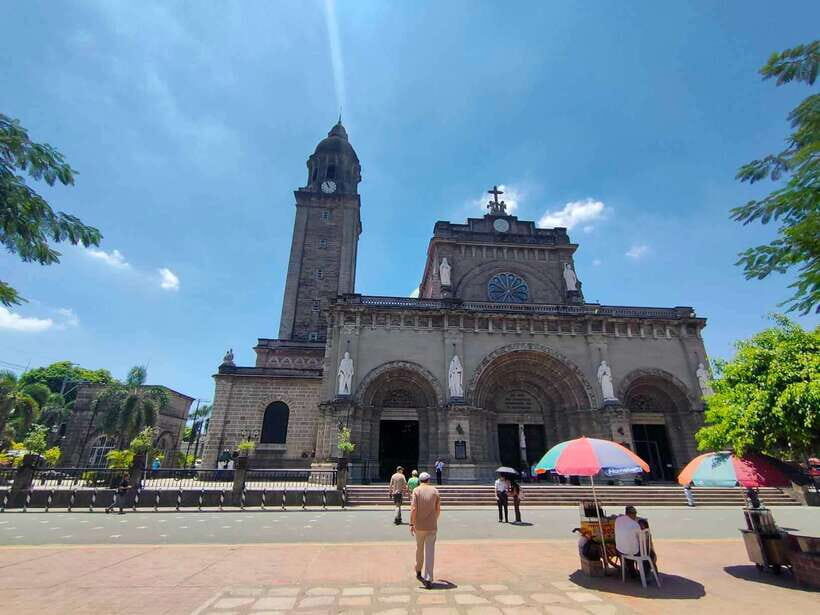
The tour runs about 4 hours. You’ll be picked up from hotels in Makati or the Manila Bay area, and you’ll be dropped off in one of those areas too.
A practical note: you’re asked to wait in your hotel lobby about 10 minutes before the designated pickup time. If your pickup is from a hotel concierge area, ask them to page you a bit earlier than the formal time. One guest described confusion around transport, so being ready helps.
Also, this is a private group, which usually means less standing around and more “go when you’re ready.” Still, keep in mind that Intramuros is an active area. Your guide will manage the timing, but you should expect some walking and moving between sites.
Baluarte de San Diego: the views and the fort-life context
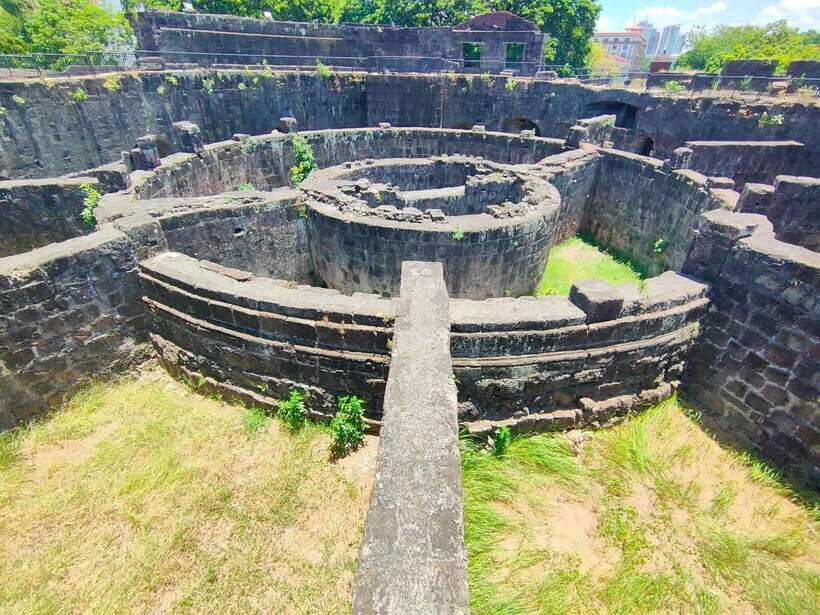
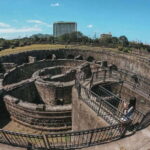
The tour begins with a baluarte stop—Baluarte de San Diego. This part is about setting the stage. Baluartes are the kind of fortification that make you realize Intramuros was designed for defense, not sightseeing.
You’ll get a guided visit and some sightseeing time, plus a short kalesa ride (about 20 minutes) along the way. That ride is useful here because it helps you orient fast. From the streets and viewpoints, you start to understand where people could move during attacks, where cannons would have mattered, and how the layout funnels you toward the larger landmarks.
If you like history that’s more “how it functioned” than “what someone wrote,” this first segment gives you the right frame before you hit the big names.
Baluarte de San Francisco de Dilao: another angle on Intramuros defense
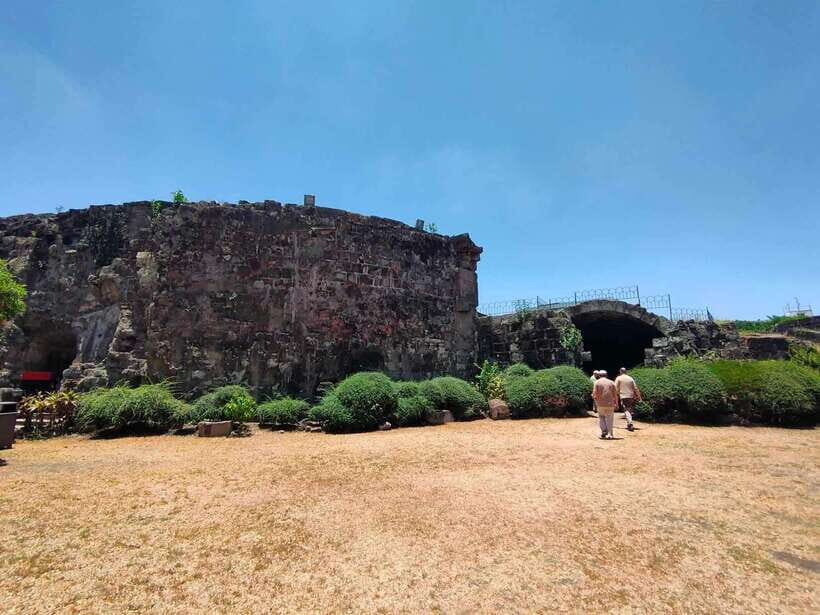
Next is Baluarte de San Francisco de Dilao, with guided time and another short carriage ride (about 15 minutes). The point isn’t to repeat the same information. It’s to give you more than one perspective on how the defensive design shaped what you see today.
You’re still in the fortifications zone, so you’ll feel like you’re walking along the edges of the story. This is a good time to ask your guide how these structures relate to Spanish control and local life afterward—because soon you’ll shift from walls and watchpoints to plazas, churches, and museums.
Fort Santiago: Rizal’s presence is the emotional anchor
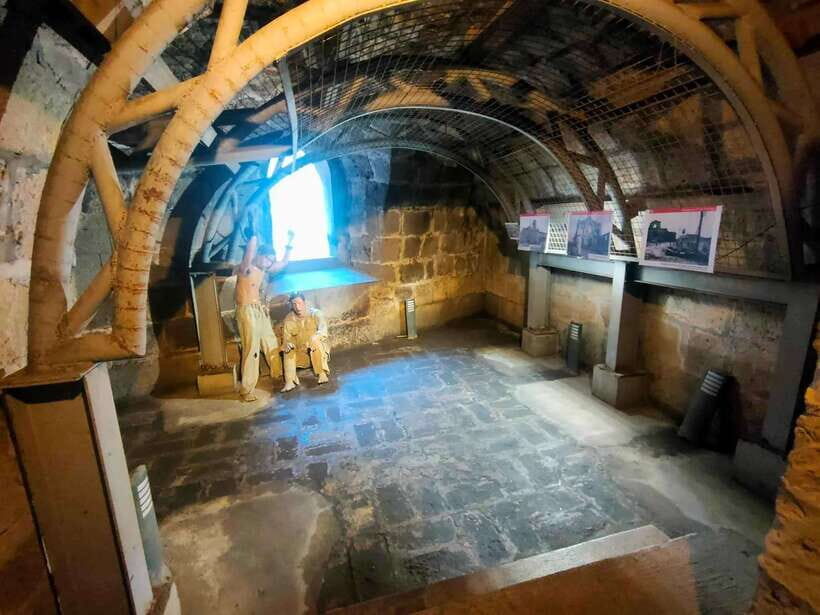
Then you move to Fort Santiago, one of the most powerful stops on the route. The setting itself is memorable, and the tour adds meaning with details like the large stone gate and a shrine connected to national hero José Rizal.
Expect guided sightseeing time here, plus a longer kalesa ride segment (around 1.5 hours as scheduled). That longer block matters because Fort Santiago is not just “look at a building.” You want time to connect what you’re seeing to the bigger story of Filipino resistance and suffering under colonial rule.
A tip: wear comfortable shoes for the fort areas. Even with carriage time, Fort Santiago involves walking and standing while your guide explains key spots.
You can also read our reviews of more historical tours in Manila


Plaza de Roma and the cathedral corridor: the quick walk that hits hard
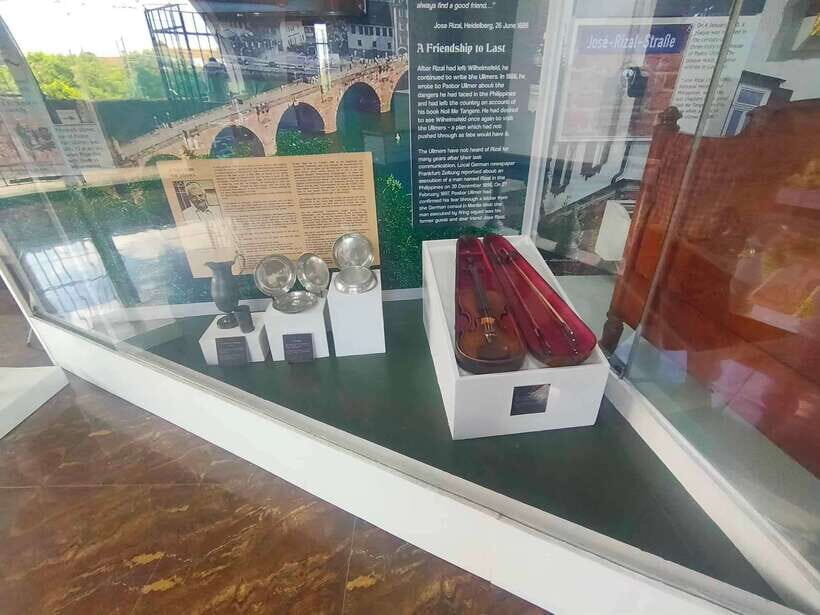
After Fort Santiago, you’ll stop at Plaza de Roma for about 15 minutes of guided sightseeing and walking. Plaza de Roma is the kind of place where you can feel the ceremonial heart of Intramuros. It’s a short stop, but it works like a breather before you move into the heavy-hitter churches.
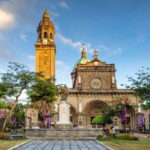
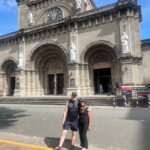
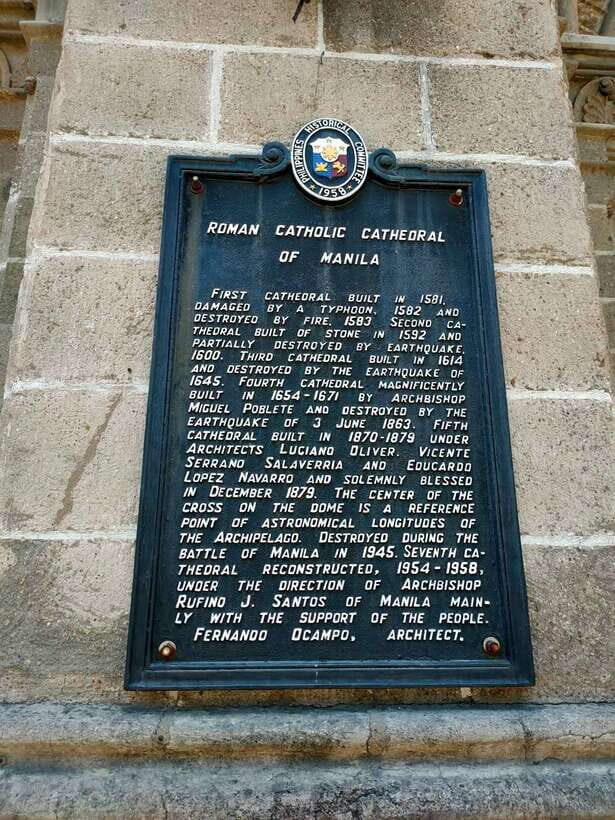
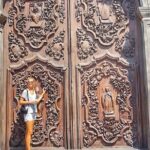
Next comes Manila Cathedral, again about 15 minutes of guided sightseeing and walking. This isn’t a “speed pass.” The tour calls out the cathedral’s bronze carvings and stained glass windows. Those details matter because they show how art and faith were used to shape public space—especially in an era when most people learned through what they saw.
If you appreciate craftsmanship, this is one of the places where your guide’s commentary can turn “pretty” into “now I get what it’s doing.”
San Agustin Church Museum: religious art you can actually look at
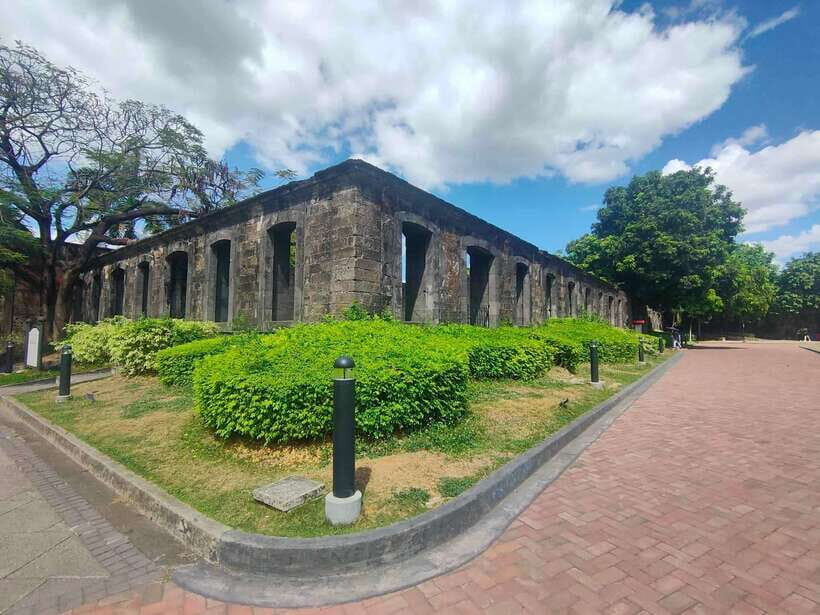
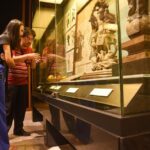
You’ll then visit San Agustin Church Museum, with guided sightseeing and a short walk. This stop focuses on religious artwork and statues, which is a different angle from the fort and cathedral views.
Museums inside churches can feel like extra work if you’re tired. But here, the tour keeps it structured and guided, so you’re not wandering without direction. You’ll be able to look at the religious pieces with context—why they’re there, what they represent, and how they fit the Spanish-era presence in Intramuros.
Casa Manila Museum: colonial interiors in plain, usable context
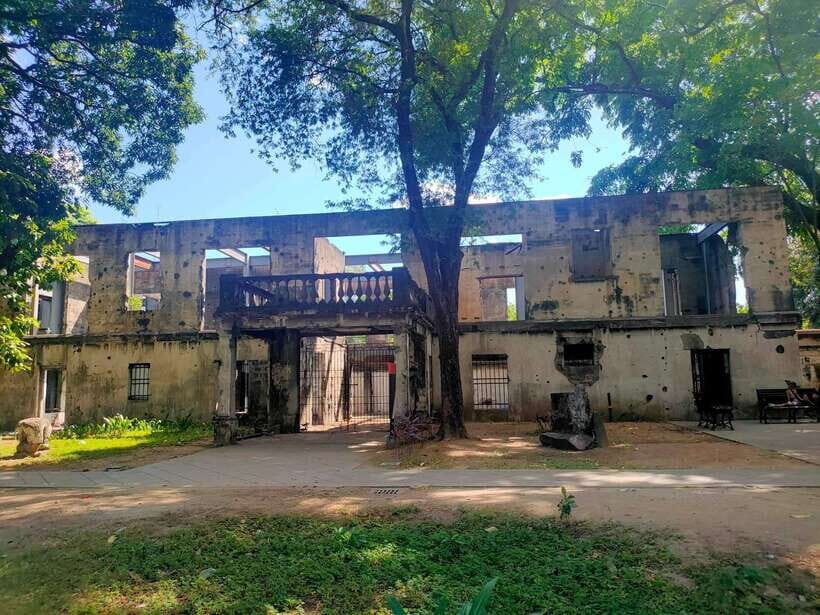
Next is Casa Manila, with about 30 minutes of guided sightseeing and walking. This museum is centered on Spanish colonial furniture and art.
What I like about ending up here is the shift in scale. Fortifications and cathedrals are big statements. Casa Manila gives you the domestic side—how people lived, how rooms were arranged, and what “colonial” looked like when it was right inside the home.
If you’re traveling with kids or anyone who gets museum-fatigue, Casa Manila can still land well because the focus is visual and tangible. You can point to objects and ask your guide what’s typical, what changed, and what was imported versus local.
Kalesa rides: the fun part that also helps you read the streets
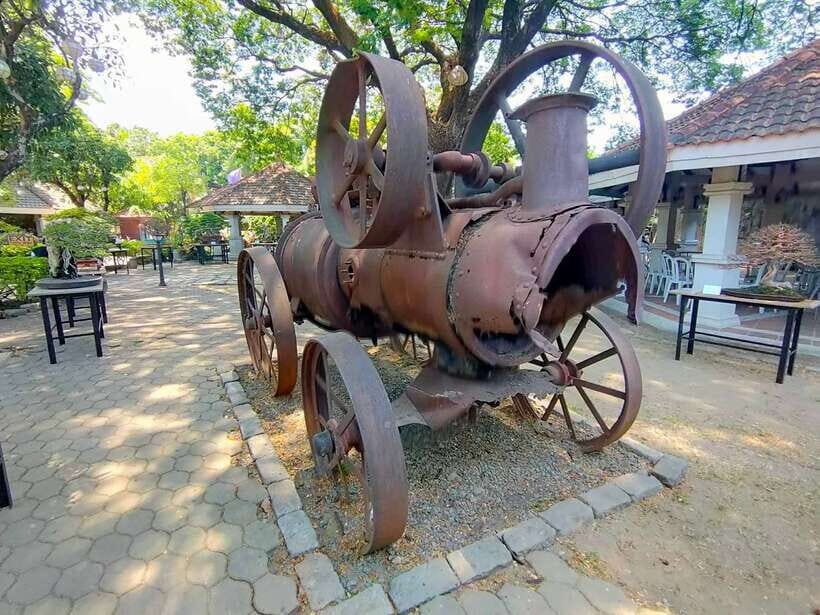
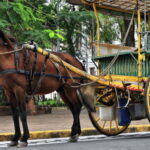
Horse-drawn kalesa rides appear multiple times in the schedule. You’ll do shorter rides near the baluartes and then a longer carriage time associated with Fort Santiago.
Why this matters beyond fun: on foot, Intramuros can feel like a maze. The carriage gives you a moving overview. It helps you understand how streets connect and why some sightlines matter. Plus, it’s a break. After a few stops, having your legs spared for a while keeps the whole experience enjoyable.
One practical note: the tour includes all entrance fees, but it doesn’t include food. So if you’re planning to snack during or after the park portion, bring something simple in your bag.
Rizal Park: the outro with monuments, lagoon, and museum complex
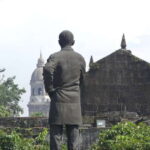
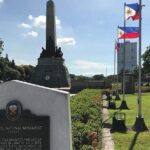
The final major stop is Rizal Park. You’ll have time to explore attractions like the Rizal Monument, the Central Lagoon, and the National Museum Complex. If you prefer a lighter pace, the tour also allows time for a leisurely stroll and even a picnic in the green spaces.
This end section changes the emotional tone. Intramuros can feel heavy—fort, imprisonment, cathedrals, museums with religious and colonial context. Rizal Park is more open and more reflective, with the focus on national identity and public space.
If you want a smooth finish, use this time to regroup, take photos, and ask your guide one last question about what you’ve seen. You’ll likely walk away with a clearer idea of how Spanish-era Manila fed into the Philippines that came after.
Price and value: what $108 covers (and what it doesn’t)
The price is $108 per person for a 4-hour private tour. For that money, you’re getting a licensed English guide, hotel pickup/drop-off from Makati and the Bay area, air-conditioned vehicle support, all entrance fees, and the included kalesa rides.
That package can be good value compared with piecing things together yourself, especially if you’re trying to cover multiple museums and major sites without spending time negotiating tickets and timing. It also helps if you want someone to translate what you’re looking at.
Where it stops being a bargain is the food piece. Food and beverages are not included. For the Rizal Park portion, that means you’ll want to plan a snack or pick up something before you go, especially if you’re prone to getting hungry on long walks.
Also, the “private” part is real. If you’re traveling as a small group, it can feel like you’re paying for time and attention, not just for transport.
The best fit: who will love this tour
This tour is ideal if you want to see Intramuros and Rizal Park without turning your day into a logistics puzzle. It’s also great if you like a guide who ties places together—Spanish-era sites, Filipino national figures, and later public spaces.
If you’re a history fan, you’ll appreciate how the Fort Santiago and cathedral stops connect to the wider story. If you’re not a history superfan, the kalesa rides and the museums can keep the experience from getting too academic.
It’s also a strong choice for solo travelers who still want structure. Several guides have handled solo sessions, with one experience specifically praised for an all-day-by-yourself approach across key points.
Quick practical tips to make it smoother
Before you go, bring comfortable shoes. You’ll walk between several sites, and Fort Santiago especially rewards footwear that doesn’t complain after an hour.
Use biodegradable sunscreen if you’re out in daylight. Intramuros and Rizal Park can have exposed areas, and you don’t want to cut the day short because you’re sunburned.
Dress for comfort rather than style. Comfortable clothes beat anything fancy, because you’ll be moving.
Finally, note the basic rules: no smoking, including inside the vehicle. And your tour operator may ask you to leave contact details so they can confirm pickup details.
Should you book this Intramuros history tour?
I’d book it if you want a structured, guided run through Intramuros plus Rizal Park in one 4-hour window, with entrance fees and kalesa rides handled for you. The guide-driven storytelling and the mix of forts, cathedrals, and museum interiors are exactly the kind of combo that makes Manila’s layered past feel understandable.
I’d think twice if your group is very sensitive to pickup timing and transport logistics. One low-rating experience pointed to a mismatch in how transport was actually provided and a longer wait afterward. If you’re going with family and need everything to run like clockwork, confirm details early and keep communication ready.
FAQ
How long is the Manila: Intramuros Private Tour?
It’s scheduled for 4 hours.
Where are the pickup and drop-off locations?
Pickup is offered from hotels in Makati City and the Bay area, and drop-off is also in Makati or the Manila Bay area.
Is the tour private, and is it offered in English?
Yes. It’s a private group and the live tour guide speaks English.
Are entrance fees included?
Yes. Entrance fees are included in the tour price.
Do we ride a kalesa during the tour?
Yes. The tour includes a horse-drawn carriage (kalesa) ride, with multiple segments during the day.
Which major sites are included besides Intramuros?
Rizal Park is included, with time to explore areas such as the Rizal Monument, the Central Lagoon, and the National Museum Complex.
Is food or drinks included?
No. Food and beverages are not included.
Is this tour suitable for wheelchair users or people over 95?
No. It’s not suitable for wheelchair users, and it’s also not suitable for people over 95 years.