REVIEW · MANILA
Manila: Filipino Historic Walking Tour in Intramuros
Book on GetYourGuide →Operated by Explore Manila Tours · Bookable on GetYourGuide
One of Manila’s oldest stories starts on stone steps. This Intramuros historic walking tour takes you through Spanish-era landmarks, church history, and the path from occupation to independence, all in a walk you can actually finish without burning your whole day. I especially love how the guide ties the sites together, and how you get museum time instead of just pointing at buildings. The only real downside: you need comfortable shoes and good weather, because you’ll be walking on uneven ground and narrow streets.
If you’re lucky, you’ll meet a guide like Jerome, who’s known for being friendly, funny, and flexible with where the group spends extra attention. With a small max group size (15 people), it stays lively and you can ask questions instead of shouting over the crowd. I do suggest planning for some stairs and walking—this isn’t a wheelchair-friendly tour.
In This Review
- Key Highlights Worth Your Steps
- Where the Story Really Begins: San Agustin Church and the Spanish Timeline
- San Agustin Museum: Old Artifacts and the Church’s Everyday Power
- Casa Manila: Inside a 19th-Century Aristocrats’ Home
- Intramuros Walls and Narrow Streets: Seeing Fortifications Up Close
- WWII Memory at Memorare Manila 1945, Then the Cathedral Stop
- Fort Santiago Finish: Military Grounds and the Fight for Independence
- Price, Pace, and Logistics for a Worthwhile $55
- Quick Advice: How to Make This Walk Feel Easy
- Should You Book This Intramuros Historic Walking Tour?
Key Highlights Worth Your Steps
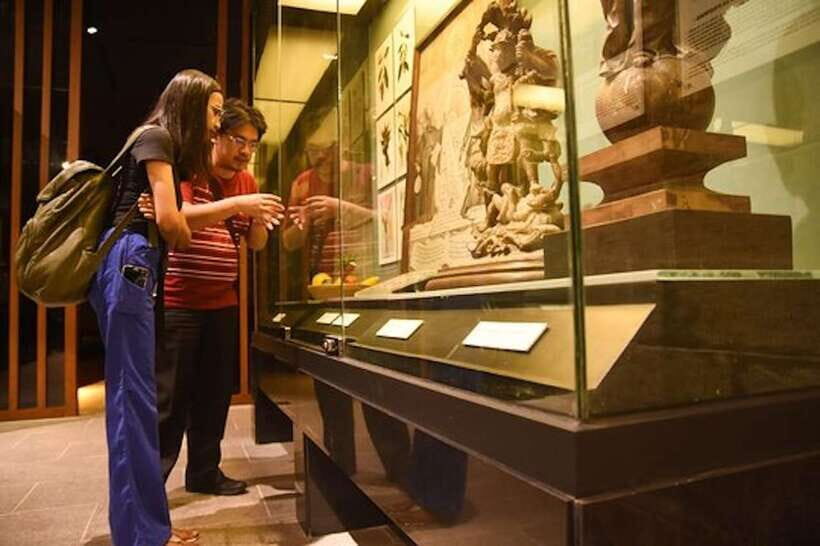
- San Agustin Church as the time-machine start: you begin at the oldest stone church in the country and get the Spanish timeline right away.
- Museum artifacts, not just photo stops: San Agustin Museum gives you objects and context tied to Catholic influence.
- Casa Manila’s 19th-century “aristocrat house” perspective: you’ll see how design reflects east-meets-west influences.
- A rarely visited stretch of the Intramuros wall: you get a different angle on the fortifications.
- History shifts at Memorare Manila 1945 and Manila Cathedral: WWII and the Catholic Church both shape the story after the Spanish era.
- Fort Santiago brings it home: the final guided segment focuses on the military garrison and the fight for independence.
Where the Story Really Begins: San Agustin Church and the Spanish Timeline
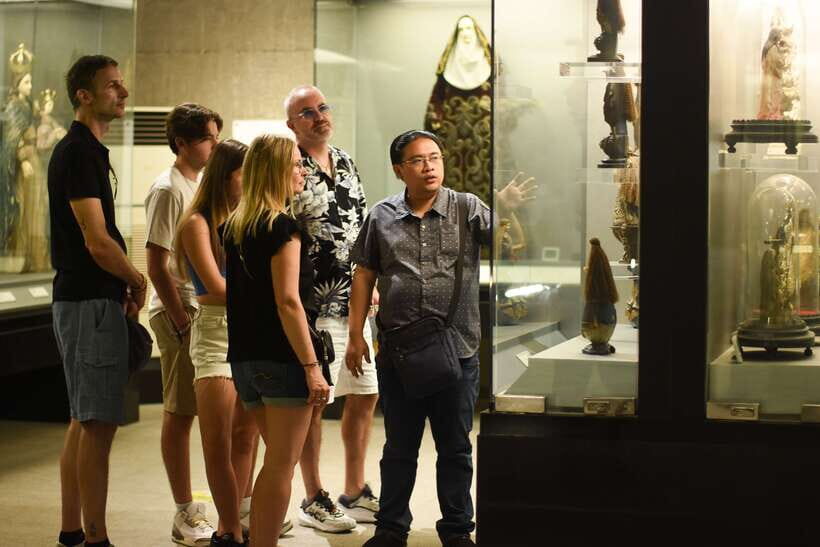
You start at San Agustin Church, and that choice matters. The tour begins with the oldest stone church in the country, so you’re not learning history from a distance. You’re standing in it, hearing how the Spanish ended up in this part of the world and what their long occupation left behind after more than 300 years.
What I like about this start is that it gives you a framework before you see the walls and buildings. Spanish rule, Catholic institutions, and Manila’s old-city layout are connected. When you understand that early, the rest of Intramuros doesn’t feel like a random list of landmarks.
You can also read our reviews of more walking tours in Manila



San Agustin Museum: Old Artifacts and the Church’s Everyday Power
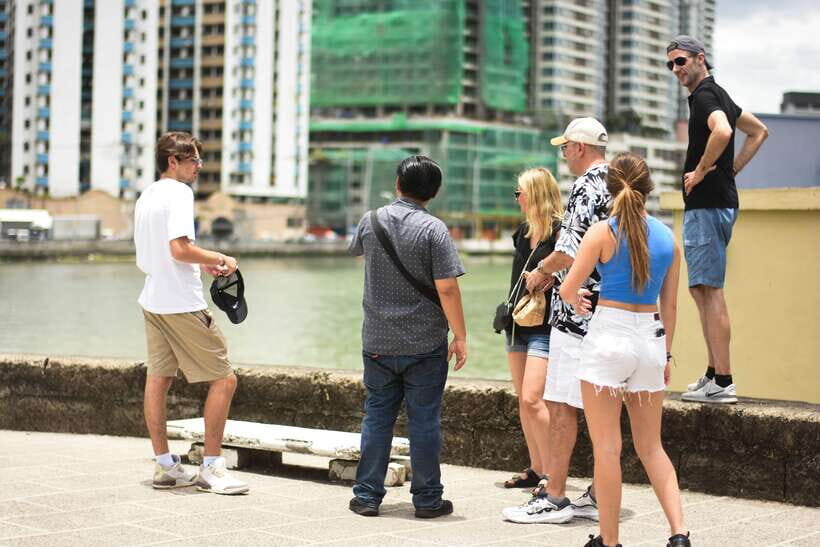
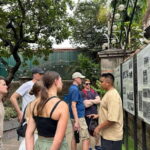
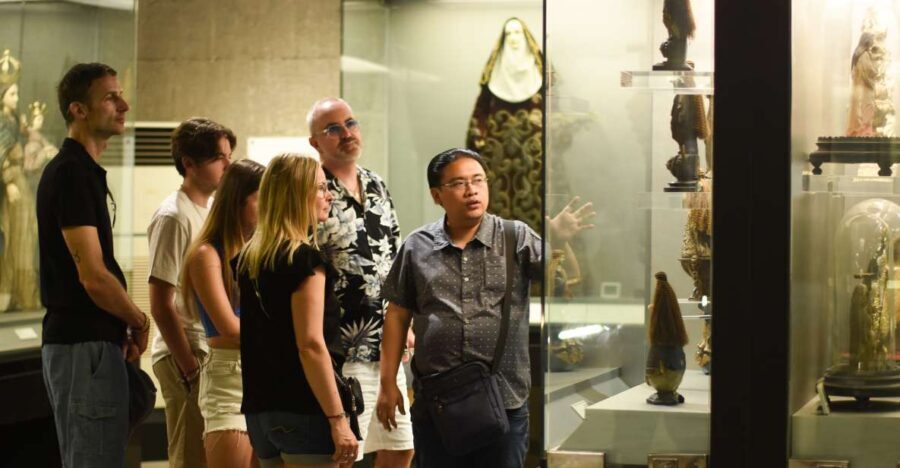
After meeting up in the lobby of San Agustin Church’s museum, you get guided time at the San Agustin Museum. This is where the tour shifts from “big story” to “small details.” You’ll look at old artifacts and hear how Manila’s old city and the Catholic Church became intertwined over time.
The value here is practical. Museums help you spot what you’d otherwise miss when you walk by churches and courtyards on your own. Instead of guessing why certain objects or spaces mattered, your guide connects them to the historical role of the Church and to colonial life.
Casa Manila: Inside a 19th-Century Aristocrats’ Home
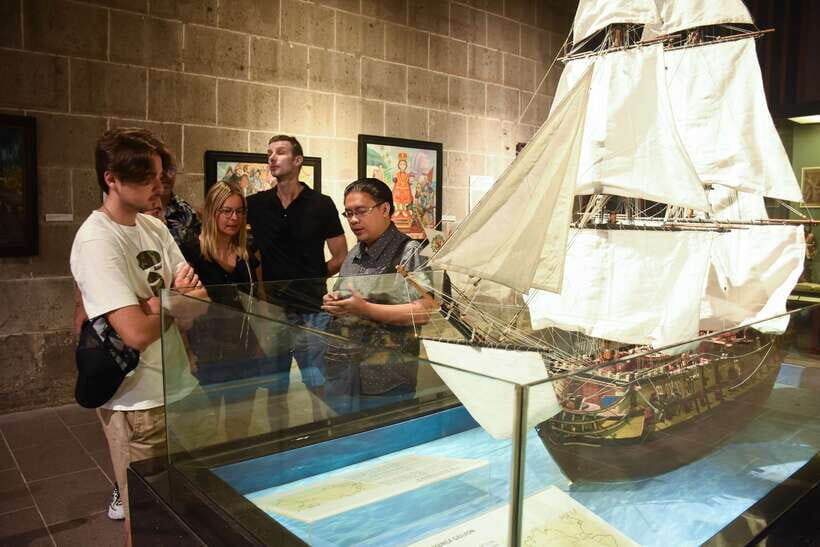
Next comes Casa Manila, the expertly restored 19th-century aristocrats’ home. You’re not just walking through rooms—you’re seeing furnishings and design choices that reflect a specific cultural meeting point, described as where east and west influences meet.
This stop is a smart break from wall-walking. It’s also a reminder that colonial history wasn’t only battlefields and laws. It shaped daily life, social status, and what people valued enough to build and display.
One heads-up: Casa Manila is part of what you pay for through included entrance fees, so it’s worth showing up with curiosity. If you like interior design, period detail, or “how people lived,” you’ll get a lot from the guided portion here.
Intramuros Walls and Narrow Streets: Seeing Fortifications Up Close
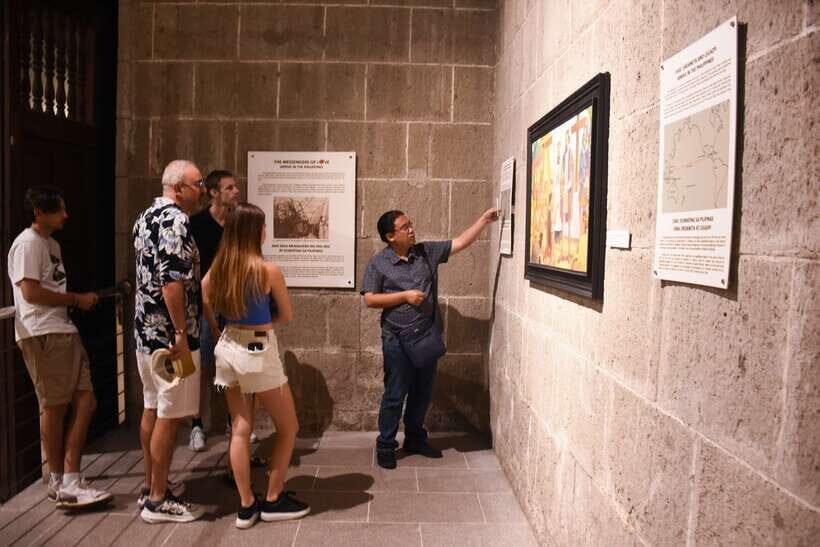
You’ll then move toward a rarely visited part of the Intramuros wall. That’s one of the tour’s best ways to separate it from a basic self-walk, because wall sections can be crowded or overlooked depending on the day.
Standing near the wall changes how you read the city. Fortifications stop being abstract. You get a sense of how Manila protected itself, how space was controlled, and how the old city’s shape guided movement.
You’ll also spend time on Intramuros’ narrow streets. This is where comfortable shoes become non-negotiable. You don’t need hiking boots, but you do need soles you trust for uneven ground and lots of walking in a compact area.
WWII Memory at Memorare Manila 1945, Then the Cathedral Stop
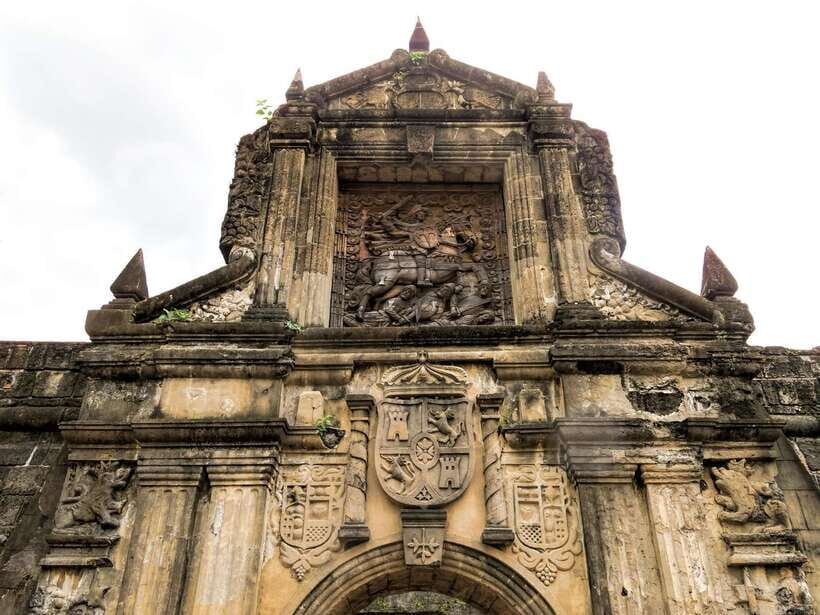
Then the timeline shifts. A quick stop at Memorare Manila 1945 sets the WWII context and explains the role of the Philippines during the war. It’s intentionally short, but it keeps you from getting stuck in a single era of colonial storytelling.
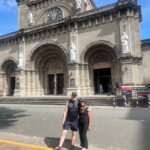
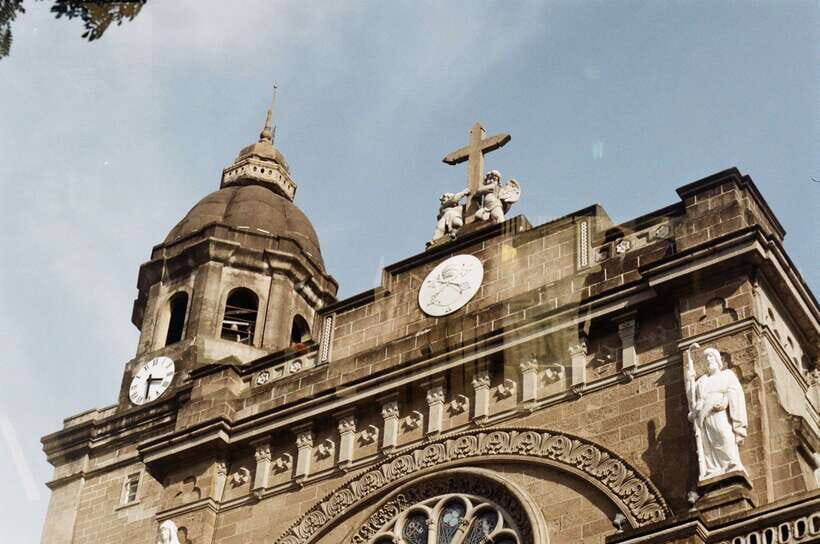
After that, you’ll stop at Manila Cathedral, which represents the seat of the Catholic Church in the Philippines. This matters because it anchors the Church not just as a colonial institution, but as a long-running center of influence.
If you’ve ever wondered why old Manila keeps pulling you back toward religion and power, these two stops give you a clearer answer. WWII shows the disruption. The cathedral shows the continuity.
A practical tip: on some days, local religious processions can affect how routes feel in and around the old quarter. If you notice the flow looks different than usual, it’s not a bad sign—it’s just history living in real time.
You can also read our reviews of more historical tours in Manila


Fort Santiago Finish: Military Grounds and the Fight for Independence
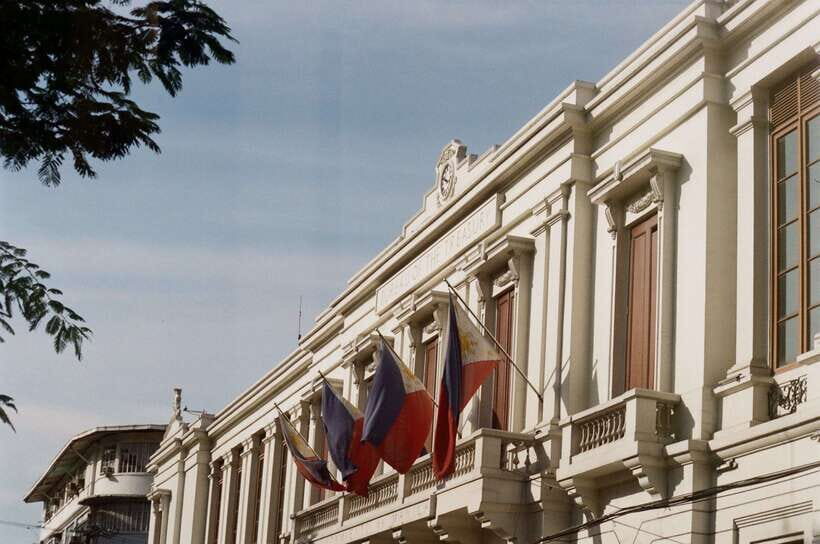
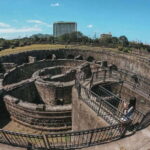
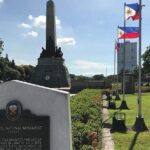
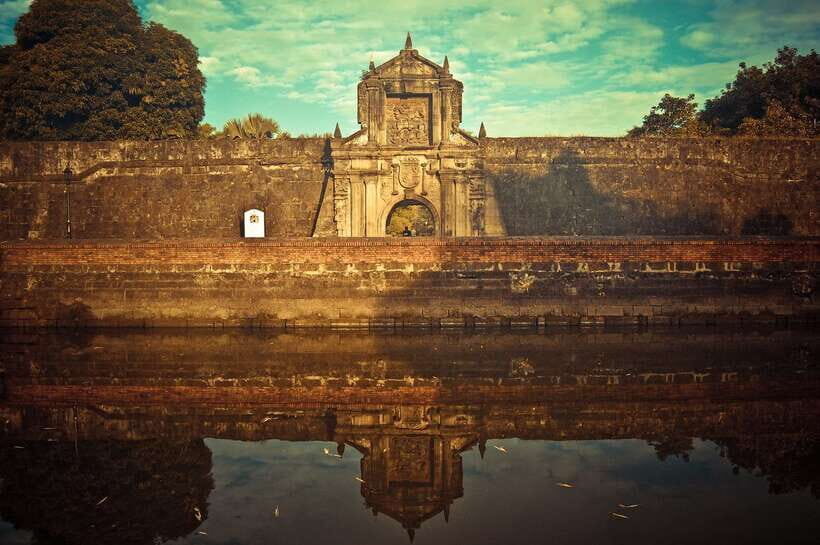
Your guided tour finish is at Fort Santiago, and that ending gives the whole walk a sharper conclusion. Fort Santiago was an old military garrison, and the guide uses that setting to talk about the Filipino fight for independence.
I like endings like this, because they don’t just leave you with colonial ruins and church facades. They connect the physical spaces to political change. You walk out understanding that Intramuros isn’t frozen in time—it’s a layered place where power shifted from Spanish rule to Filipino resistance.
The tour ends at Fort Santiago, so you can easily plan what comes next without backtracking across the old city.
Price, Pace, and Logistics for a Worthwhile $55
The price is $55 per person for a 3-hour guided experience. For me, the value comes from two things you’d otherwise spend time and money trying to piece together: professional guidance and included entrance fees.
Your tour includes entrance fees to:
- Fort Santiago
- San Agustin Church and Museum
- Casa Manila Museum
You’re also getting a live guide in Tagalog and English, and the group max is 15 participants, which makes Q&A realistic. If you’ve ever done a “hit 10 stops in 2 hours” style tour, you’ll appreciate that this one aims for steady pacing rather than racing.
What to consider before you go:
- It requires good weather, and if it’s canceled for bad weather, you’ll be offered another date or a full refund.
- There’s no hotel pickup or drop-off, so you’ll want to arrive at the meeting point with time to spare.
- It’s not suitable for people with mobility impairments or wheelchair users.
- Dress code matters: no short skirts and no sleeveless shirts.
Also, bring comfortable shoes. Intramuros walking can be slower than you expect, partly because you’ll stop often for guided storytelling and partly because the streets can be uneven and tight.
Quick Advice: How to Make This Walk Feel Easy
If you want the best experience, show up ready for a “walking history” format:
- Wear closed-toe, comfortable shoes with decent grip.
- Dress with sleeves and pants or long skirt options to stay within the rules.
- Keep your phone charged if you like photos, but treat the guide’s explanations as the main event.
- If you prefer fewer questions and more listening, this tour still works well because the stops are sequenced to keep the narrative moving.
Should You Book This Intramuros Historic Walking Tour?
Yes—if you want Manila’s colonial story in a way that makes sense on your feet. This tour is strongest when you care about connections: how churches, aristocrat homes, walls, WWII memory, and military sites all fit into one long arc from Spanish occupation to independence. The small group size and the fact that entrance fees and museum time are included make the $55 feel fair.
I’d skip it if you need wheelchair access or if you hate walking on uneven, narrow streets. And if weather is questionable, plan to wait for a clear forecast.
If you’re aiming for a meaningful afternoon in Intramuros without turning it into a DIY scavenger hunt, this one is a solid choice.