REVIEW · MANILA
Manila: Binondo Chinatown Guided Walking Tour
Book on GetYourGuide →Operated by Mstartours · Bookable on GetYourGuide
Binondo hits you fast: noodles, chatter, and old brick within blocks. This guided stroll through Manila’s Chinatown (one of the oldest in the world) pairs street-level sights with real stories about how Chinese merchants shaped life in the Philippines. I especially love the way Mari, our guide, brings the place to life, and I also love that the tour hits both history and where to eat.
Two big wins: Mari is friendly and professional, and she’s the kind of guide who clearly enjoys her work. She’s also great with photos, so you’ll end up with more than just a few blurry selfies. One thing to keep in mind: this is a walking-focused experience, it’s only 2 hours, and food tasting is not included, so you’ll want to budget for what you choose to eat.
With a small group limited to 10 and tour language in Tagalog and English, the whole thing feels easy to manage, not chaotic. Still, it’s not suitable for everyone. If you have heart problems or you need wheelchair access, skip this one.
In This Review
- Key Things That Make This Tour Worth Your Time
- Entering Binondo’s Alleys: What the 2 Hours Really Feels Like
- A quick practical reality check
- Mari’s Guided Approach: History, Food Picks, and Careful Pacing
- Old Buildings and Architecture Cues You Can Spot as You Walk
- Food Stops in Binondo: What You’ll Eat and How to Budget
- My advice for eating well (without overdoing it)
- Tuk-tuk Hops and Street-Level Views: How You Get Around
- Language, Group Size, and What That Means for You
- Who This Tour Is Best For
- Price and Value: Is $50 a Good Deal?
- Should You Book This Binondo Chinatown Walk?
- FAQ
- How long is the Manila Binondo Chinatown Guided Walking Tour?
- What does the tour price include?
- Is food tasting included?
- How big is the group?
- What languages are available?
- Is the tour suitable for wheelchair users?
- What is the cancellation policy?
Key Things That Make This Tour Worth Your Time
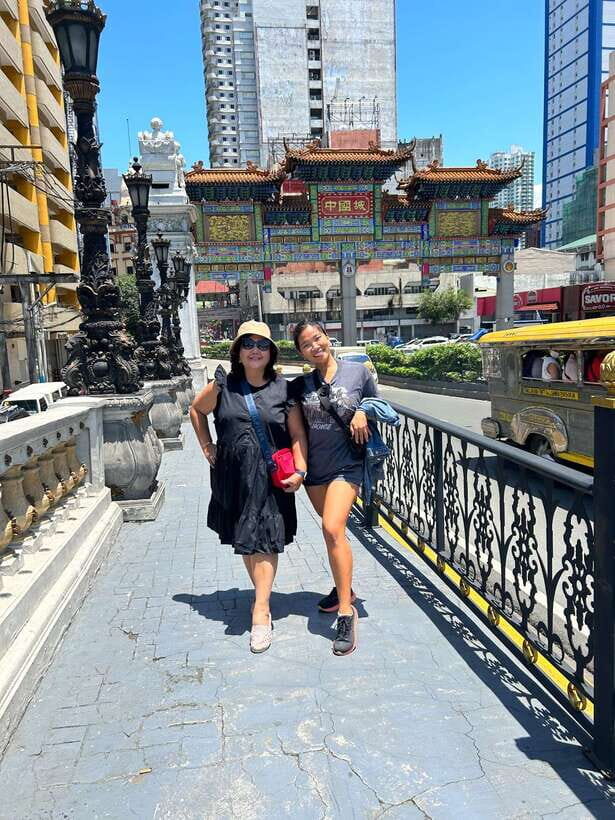
Mari’s photo-friendly guide style: She’ll help you capture the moment, not just point at it.
Chinese-Filipino food knowledge: You get practical picks for dumplings, noodles, and desserts you might miss on your own.
Old Manila architecture stops: Expect to notice very old buildings, including Spanish-era influences people often overlook.
Tuk-tuk hops between streets: You don’t have to walk every single step.
Tight 2-hour format for real output: Short enough to fit a day, packed enough to feel satisfying.
Entering Binondo’s Alleys: What the 2 Hours Really Feels Like
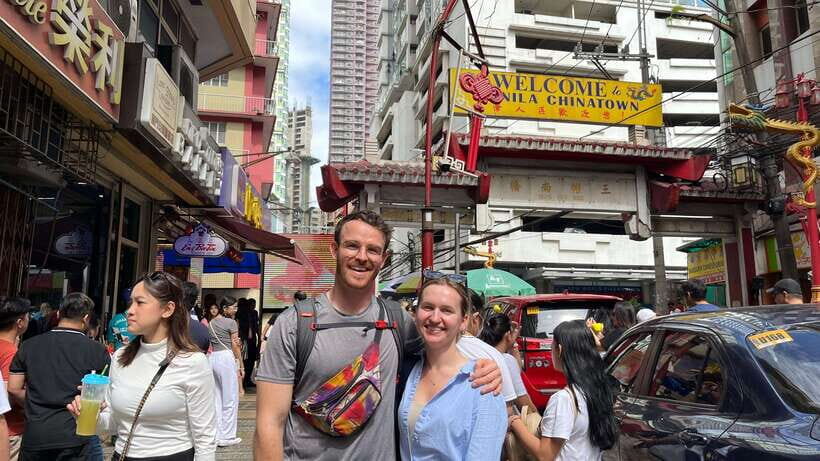
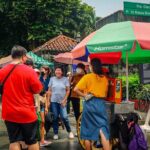
Binondo isn’t a theme park. It’s a working neighborhood where shops, markets, and eateries sit side by side. That matters because a “walking tour” here isn’t just about pretty streets. It’s about how the area functions, where locals actually go, and why the food culture and architecture feel so layered.
The tour is 2 hours in a small group (up to 10 people). In practice, that means you’ll move at a brisk, friendly pace. One review note I really agree with: you’ll want to start with an empty stomach. The stops are built for eating, and once you’re handed menu options that actually make sense, your best move is to arrive ready.
You’ll also get that China-to-Philippines crossover vibe early. The guide’s stories connect the neighborhood to the Chinese merchant presence in the Philippines, and you start seeing how that history shows up today in ingredients, cooking styles, and everyday routines.
You can also read our reviews of more walking tours in Manila

A quick practical reality check
Because the tour is active and time is short, I recommend wearing comfortable shoes and keeping your phone charged. You’ll be out in the street for a while, and you’ll want to pause for photos without worrying you’re slowing the group down.
Mari’s Guided Approach: History, Food Picks, and Careful Pacing
If you’ve ever had a guide who rattles facts and disappears into the crowd, you’ll appreciate how Mari runs this tour. She’s cheerful, professional, and patient. More importantly, she explains things clearly in a way that makes you feel like you understand what you’re looking at, not just where you’re walking.
Mari also manages the balance between food and history well. Some tours go all-in on eating and forget context. Others do the opposite and leave you hungry and confused. Here you get both: the story of how Chinese merchants settled and traded, plus the local-food details that tell you why certain dishes make sense in this neighborhood.
One detail that stands out in the real world: Mari adjusts pacing. That can matter if you’re traveling with older family members or if you just don’t want to feel steamrolled by a strict schedule. It’s still a city-walk, but she doesn’t treat your comfort like an afterthought.
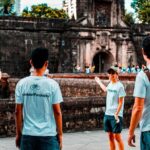
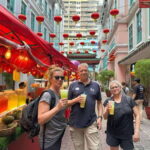
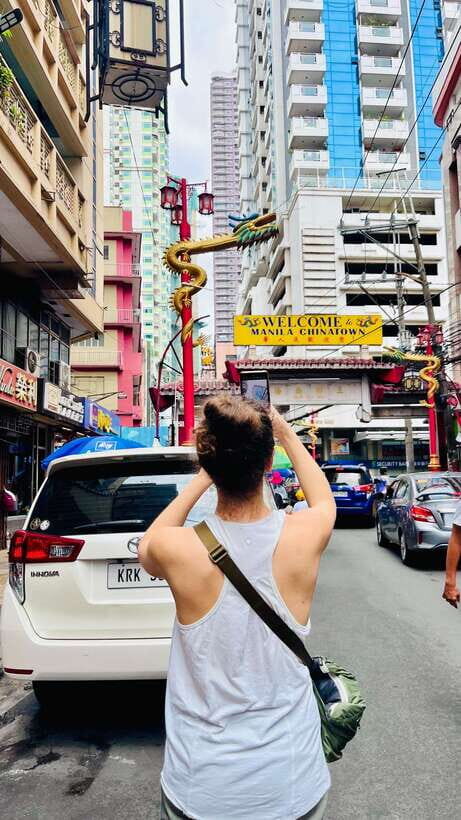
And yes, the photo factor is real. Mari takes pictures as you go, which is helpful because Binondo’s streets are photogenic, but they’re also busy. Trying to stop for every shot on your own can make you feel awkward. Having someone guide the timing makes it easier to capture the moment without holding up traffic or your group.
Old Buildings and Architecture Cues You Can Spot as You Walk
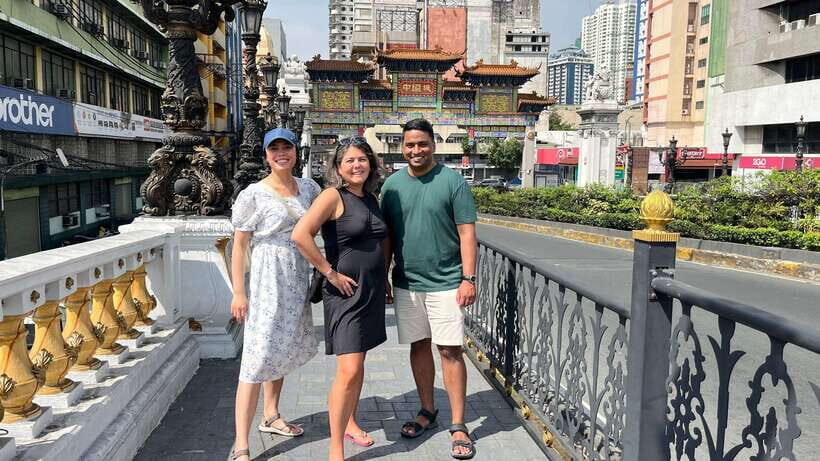
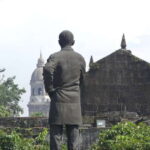
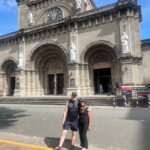
Part of the value here is learning what to notice. Binondo has long-standing structures, and you’ll be encouraged to look beyond storefront signs. You’ll stop to see the oldest buildings in Manila’s Chinatown area, and you’ll get context for how the neighborhood’s architecture reflects different periods of influence.
One of the most useful ideas you’ll likely hear is about Spanish-era influences mixed into what you’re seeing today. That’s a big deal because Manila’s history is layered. When you understand that, you stop seeing the streets as random backdrops and start recognizing patterns: where trade likely clustered, how communities maintained continuity, and how older spaces still shape movement and daily life.
Don’t worry if you aren’t an architecture nerd. Mari turns observations into a story you can remember. Even if you just catch a few building details, you’ll leave with a better eye for what you’d otherwise miss on a self-guided walk.
Food Stops in Binondo: What You’ll Eat and How to Budget
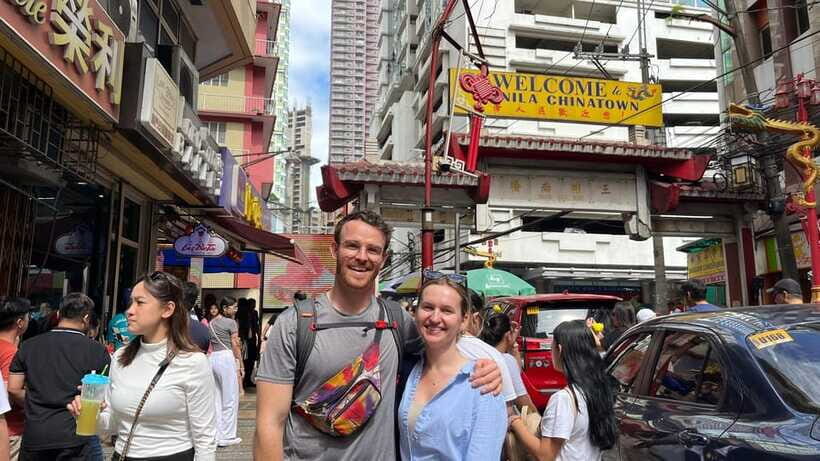
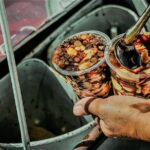
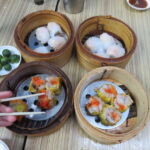
Food is the star of this tour, and the guide’s job is to steer you toward dishes that feel authentic to the Chinese-Filipino mix in Binondo. Expect stops that include items like dumplings, soup noodles, and dessert. You’ll also get a sense of what locals actually order, not just what sounds good on a social post.
Now the important practical part: food tasting is not included. That means the tour’s $50 price covers the guide and a welcome drink (bottled water), not the actual meals. If you want a “full taste” experience, you should plan to pay for what you eat.
That said, the reviews consistently point to one thing I think you’ll appreciate: the food choices are smart, and the timing feels efficient. In other words, you’re not just paying to be led to random stalls. You’re paying for someone to help you pick places where the food matches the neighborhood’s identity.
You can also read our reviews of more guided tours in Manila



My advice for eating well (without overdoing it)
- Start with an empty stomach.
- Pace yourself. Dumplings and noodle dishes can add up fast.
- Bring cash or an easy payment method your guide can help you use at stalls.
- If you have dietary restrictions, ask upfront. The data here doesn’t list options, so it’s safest to confirm.
Tuk-tuk Hops and Street-Level Views: How You Get Around
This experience includes tuk-tuk travel as part of exploring the area. Think of it as short rides that let you cover distance while still getting that street-level view. That matters because Binondo streets can feel tight, busy, and full of small detours. A tuk-tuk hop helps you keep momentum without turning the day into nonstop walking.
The “tuk-tuk + walk” combo is a smart fit for a 2-hour tour. You still get the texture of the neighborhood—signs, smells, and people watching—but you’re not stuck losing time to long transfers or getting turned around.
Also, the small group size helps. With up to 10 people, the guide can manage movement and keep you from bunching up on crowded sidewalks.
Language, Group Size, and What That Means for You
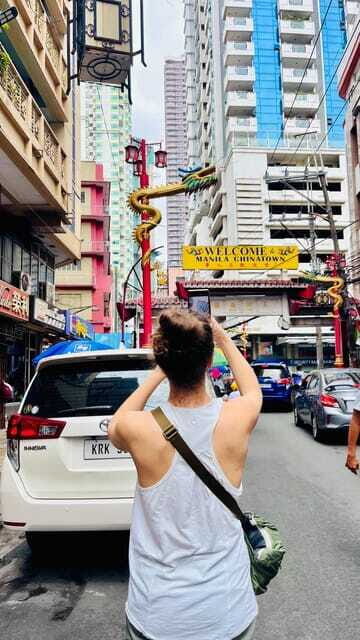
You’ll tour with a live guide in Tagalog and English, and the group is limited to 10 participants. That’s a strong setup if you want more than a basic explanation. With a smaller group, it’s easier to ask questions, and Mari’s interaction style comes through more clearly.
If you’re traveling solo, this kind of group size can feel social without being overwhelming. If you’re traveling with a partner or family, it’s also easier to coordinate pace and attention—especially since the experience is designed to move efficiently in a short window.
Who This Tour Is Best For
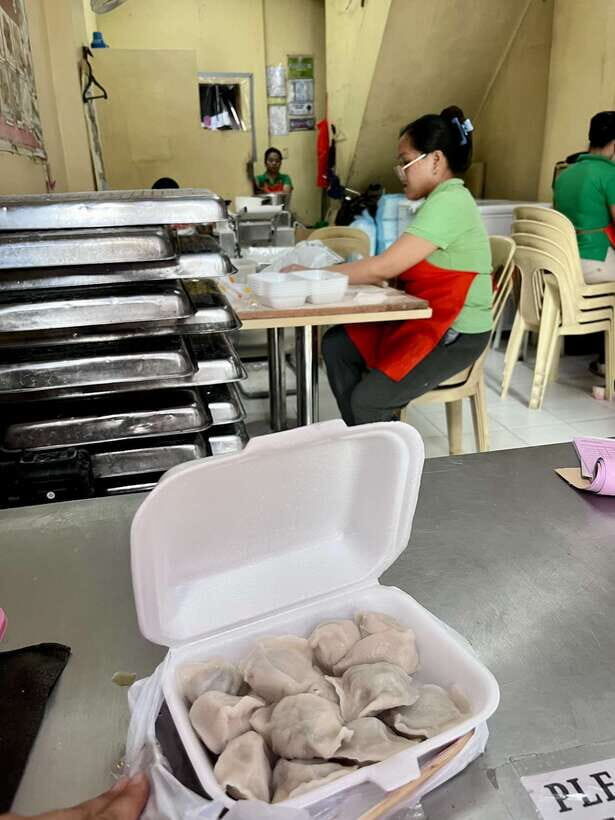
I’d book this if you want a Chinatown experience with practical outcomes: you’ll learn the story behind Binondo, and you’ll also come away knowing where to eat without wasting time hunting.
This tour is a great match for:
- First-timers in Manila who want a focused neighborhood intro
- Food lovers who don’t mind paying for their tasting bites
- History curious travelers who prefer real street examples over museum-style lectures
- People who like photos during travel, not just afterward in a photos folder
It’s not for you if:
- You have heart problems
- You use a wheelchair
Because it’s a guided walking experience with street movement, you’ll need to be comfortable on foot and in busy sidewalks.
Price and Value: Is $50 a Good Deal?
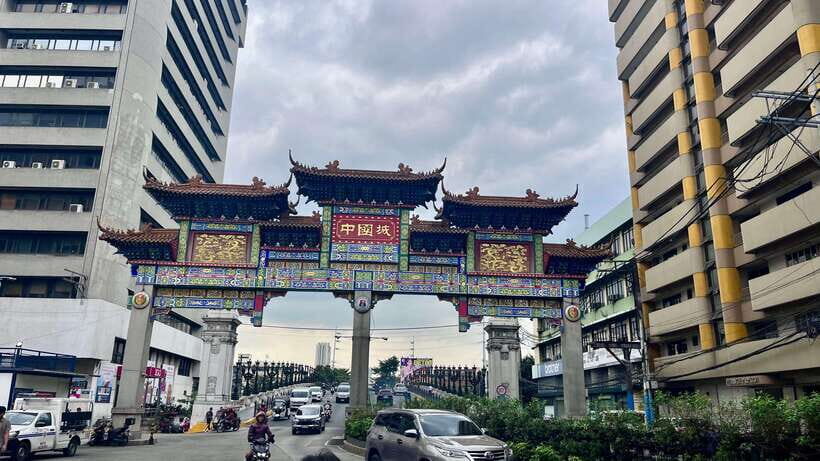
Let’s talk value honestly. At $50 per person for a 2-hour guided experience, you’re paying for a local guide, a welcome water bottle, and expert routing through Chinatown. You’re not paying for food. Since food tasting isn’t included, your total spend will rise depending on what you choose to eat.
So is it worth it? In my view, it’s worth it when you care about two things:
1) Getting to the right places without guesswork
2) Learning context that makes the neighborhood click in your mind
The guide’s ability to steer you toward Chinese-Filipino dishes and explain the merchant-history angle is where the price earns its keep. If you’re the type who just wants to wander and snack on your own, you could do Binondo independently. But if you want time-efficient direction and a guide who can answer questions while you eat, this is priced in a way that makes sense.
Should You Book This Binondo Chinatown Walk?
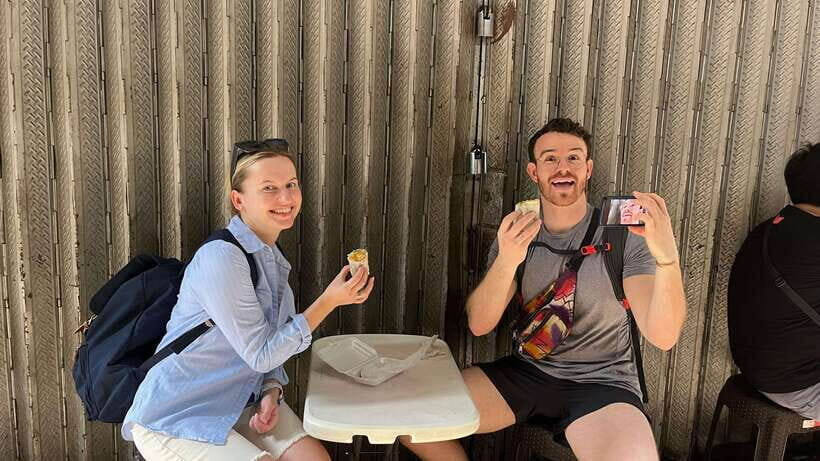
Book it if you want a short, high-impact introduction to Binondo that combines street-level eating with real neighborhood context. I’d especially recommend it if you like guides who actively take photos and who keep the pace friendly for different ages.
Skip it if you’re not comfortable with walking and crowded sidewalks, or if you need wheelchair-friendly access. Also, go in knowing food is on you. Come hungry, plan to spend a bit on snacks and meals, and you’ll get far more satisfaction than if you treat it like a cheap “tour only” pass.
If you want Manila’s Chinatown without the stress of figuring things out alone, this is the kind of tour that helps you leave with both memories and good decisions.
FAQ
How long is the Manila Binondo Chinatown Guided Walking Tour?
The tour runs for 2 hours.
What does the tour price include?
The included items are a local tour guide and a welcome drink (bottle of water).
Is food tasting included?
No. Food tasting is not included, so you’ll need to pay for what you eat during stops.
How big is the group?
It’s a small group limited to 10 participants.
What languages are available?
The live guide speaks Tagalog and English.
Is the tour suitable for wheelchair users?
No. It’s not suitable for wheelchair users.
What is the cancellation policy?
You can cancel up to 24 hours in advance for a full refund.