REVIEW · CEBU
Cebu Steet food, historical and mountain tour
Book on Viator →Operated by LEISUREPRO JOURNEYS TRAVEL SERVICE · Bookable on Viator
Cebu history feels close enough to touch. This full-day private-style tour strings together Cebu’s biggest faith stops, Magellan-era landmarks, and hill views like TOPS, with efficient hotel-lobby pickup and clear guidance from people like Leila and driver Bryan. I really like the mix of religion + monuments + viewpoints, and I also love the time on the hills at Sirao Flower Garden and TOPS for wide-sky photos. One catch: the schedule moves fast, with many stops around 15 minutes each, so you’ll need to enjoy a “see it, learn it, move on” pace.
You start at 9:00 am and you’re back the same day, riding in an air-conditioned vehicle with a tour guide. The group size maxes out at 10, and because it’s set up to be private, you usually spend less time waiting around and more time getting bearings fast in Cebu City.
This is a great pick if you want a first-timer orientation without playing traffic-and-transport chess. Just plan around meals—lunch and dinner aren’t included—and remember the hill areas are weather-sensitive, since the tour requires good conditions.
In This Review
- Key highlights to look for
- How the Cebu day flows from church to hilltop
- Basilica Minore del Sto. Nino de Cebu and Magellan’s Cross
- Alegre Guitar Factory: a quick stop with a purpose
- Magellan Shrine, the Heritage of Cebu Monument, and what those statues mean
- Taoist Temple with a city view, then Fort San Pedro
- Busay hillside gardens: Sirao, Temple of Leah, and TOPS
- Street food timing: what to do since lunch isn’t included
- Comfort and timing: what makes the 8-hour plan workable
- Price value: why $110 can make sense in Cebu
- Who should book this tour, and who should skip it
- Should you book this Cebu history and mountain tour?
- FAQ
- What time does the tour start?
- How long is the tour?
- Is hotel pickup included?
- Is lunch included in the price?
- What does the price include?
- How big is the group?
- What should I do if the weather is bad?
Key highlights to look for
- Hotel pickup that actually saves time: direct to your lobby, with no wandering for a meeting point.
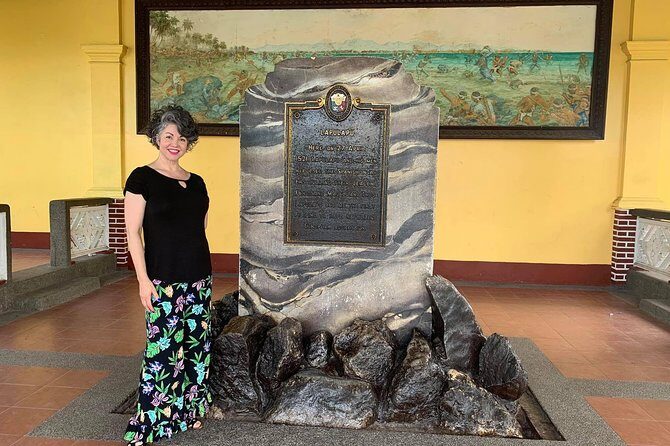
- Magellan-era stops that connect to Lapu-Lapu: you’ll see the monuments where Cebu’s colonial turning point is remembered.
- Hilltop views in Busay: Sirao Flower Garden, Temple of Leah, then TOPS, all in one sweep.
- A mix of culture types: Catholic basilica, a Taoist temple with city views, and a Catholic heritage monument.
- Photo-friendly pacing: short site visits plus enough time at TOPS (about 1 hour) for real viewing and pictures.
- A guided day that’s easy to understand: history gets translated into human stories instead of random facts.
How the Cebu day flows from church to hilltop
This tour is built like a full-day “greatest hits” route, starting at 9:00 am. You’ll spend roughly 8 hours total, mostly in a comfortable, air-conditioned vehicle, with a guide doing the heavy lifting on explanation while you focus on seeing.
The real value here is not just the sights—it’s the logistics. When pickup is from your hotel lobby and the vehicle does the driving, you lose a lot less time to navigating local roads and finding parking. It also helps that the tour is capped at 10 people, so the day doesn’t turn into a slow conga line.
The pace is tight by design. Many stops are about 15 minutes, so you’ll want to be ready to hop out, take photos, listen, then move on without stretching the moment. If you love long museum-style time at one place, this might feel like a sprint. If you want coverage—history, faith, and views—this kind of routing is exactly what you’re paying for.
You can also read our reviews of more food & drink experiences in Cebu


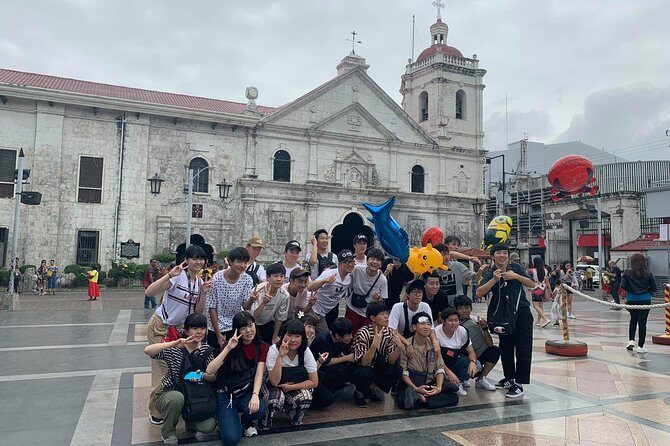
Basilica Minore del Sto. Nino de Cebu and Magellan’s Cross
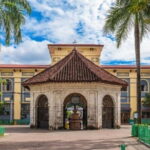
Your first stop is Basilica Minore del Sto. Nino de Cebu. Expect an atmosphere of Catholic devotion: prayers, solemn moments, and that distinct church-hush that’s hard to replicate anywhere else. Even if you’re not religious, it’s a good way to start because it sets the tone for how central faith is in Cebu City life.
Then you head to Magellan’s Cross, one of the most famous landmarks tied to the earliest European Catholic presence in the region. The cross is easy to spot, and the guide’s job is to connect it to the bigger story: Cebu as the stage for the conflict between Spanish colonization and local resistance. In plain terms, this is where the legend of Lapu-Lapu cutting down Ferdinand Magellan’s expedition becomes part of the landscape.
Practical tip: churches are usually cooler inside, but you may still feel the humidity outside. Wear something light and bring a small layer you can handle if you step from AC to the sun.
Alegre Guitar Factory: a quick stop with a purpose
Next up is Alegre Guitar Factory, and this isn’t there just for variety. It’s a palate cleanser between monument-heavy stops. You get a look at guitar making—an activity that helps you remember that Cebu’s culture isn’t only tied to centuries-old stone and statues. It’s also tied to skilled hands and everyday industry.
The visit is short (about 15 minutes), so you won’t become a luthier by the end. But you will get context for why a place like Cebu produces craft items, and you’ll have something interesting to talk about later at dinner.
If you care about photography, this can be a good chance to practice quick shots. Just keep your phone ready and your questions simple—this kind of stop works best when you move with the group.
Magellan Shrine, the Heritage of Cebu Monument, and what those statues mean
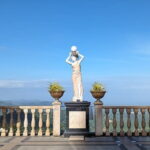
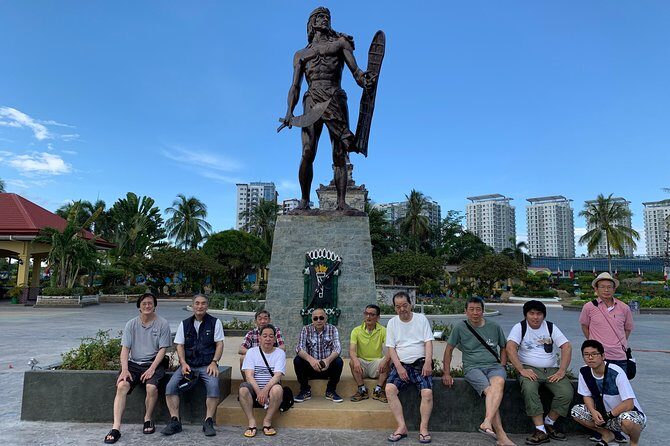
After the factory, you’ll go to the Magellan Shrine. This stop centers on the Magellan monument and a Lapu-Lapu statue in the same general area. That pairing matters. It turns the history lesson into a visual comparison, letting you see the “two sides” remembered in one location rather than as two separate talking points.
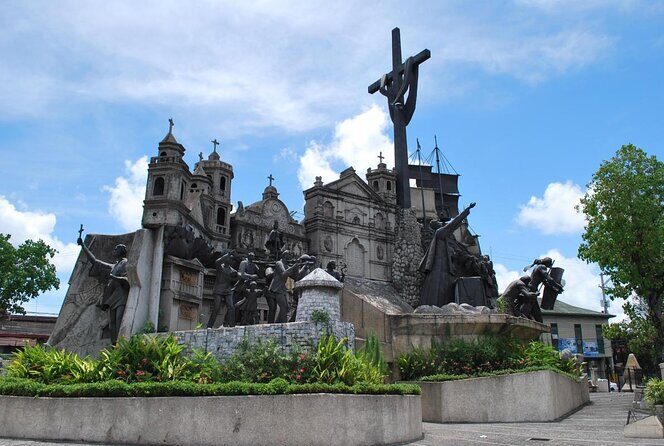
You then visit the Heritage of Cebu Monument, another historical stop designed to put Cebu City’s story into a bigger frame. These monuments can look simple at first glance, but the guide’s interpretation is what makes them worth your time. You start to understand that these aren’t just decorative spots. They’re how the city narrates identity—who was here, what happened, and what Cebu wants you to remember.
A tip on pacing: monuments are where I’d focus most on listening. Photos are great, but the guide’s explanation is what turns a statue into a story you’ll actually keep.
Taoist Temple with a city view, then Fort San Pedro
Cebu City isn’t only Catholic. You’ll see that at the Taoist Temple, which also offers a view over the city center. This is one of the stops that feels like a real change of atmosphere. The temple sits up high enough that you’ll often feel the breeze, and you get a sense of scale—how dense and spread out the city really is.
From there, you head to Fort San Pedro. This is your coastal-history checkpoint, a reminder that Cebu wasn’t only a crossroads for religion and symbols. It was also a strategic point shaped by trade and conflict.
If you like your history with structure, this pairing works: temple viewpoint for how people live and worship now, then the fort for how the area evolved. You’ll come away with a clearer mental map of the city’s role.

Busay hillside gardens: Sirao, Temple of Leah, and TOPS
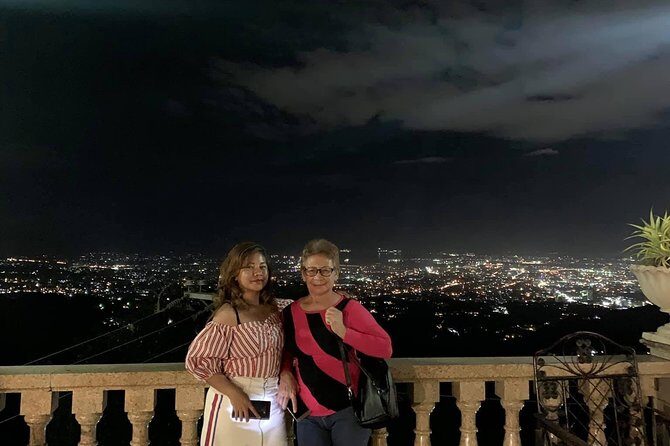
This is where the tour turns scenic, and it’s the part you’ll likely remember most.
First comes Sirao Flower Garden in the hills of Busay. Expect a garden stop with local character rather than a perfectly engineered “theme park” feeling. Even with only about 15 minutes, it’s long enough to walk a bit, find a good angle, and feel the hillside change from city heat to something a little more open-air.
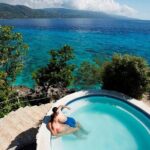
Then you visit the Temple of Leah, described as a symbol of love. This is a stop where people typically want photos, and you’ll understand why once you’re there. The structure and the setting make it a natural viewpoint stop—even if you’re not into romantic symbolism, it still gives you strong visuals and a break from the monument-heavy rhythm.
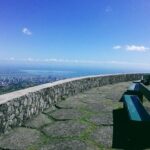
Finally, you reach TOPS Lookout, with about 1 hour on-site. This is the standout viewing time. The location is in the cool hills of Busay, and the views cover Metro Cebu plus the islands of Mactan and Olango. This is the part of the day that feels like you stepped out of the city grid and looked back at it from above.
Weather matters here. If clouds roll in, you might get less dramatic views. That’s why the tour requires good conditions. If you’re booking close to rain season, keep expectations flexible and dress for sudden drizzle just in case.
Street food timing: what to do since lunch isn’t included
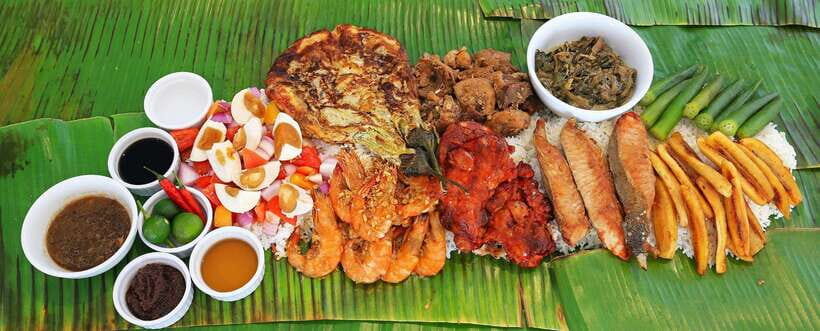
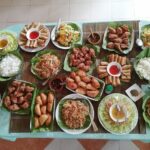
The tour name mentions street food, but the planned stops you’ll hit are mainly landmarks, gardens, and viewpoints. Either way, your day still needs food, and here’s the practical truth: lunch and dinner aren’t included.
So I suggest you treat meals like a planning task:
- If your guide suggests quick snacks, take the offer. Small bites are easier to fit into a tight itinerary.
- If you prefer a proper meal, pick a time you can handle—after the city stops or before you head uphill.
This approach keeps you from getting stuck hungry in traffic or rushing food at the end of the day when you’re tired and photos have taken over.
Also, because Cebu can be warm, aim for light meals with hydration. You’ll last longer between stops.
Comfort and timing: what makes the 8-hour plan workable
For an 8-hour day, comfort is not a small detail. The tour includes an air-conditioned vehicle, which helps a lot with the stop-start nature of city driving. Still, you’ll spend time outside at each site, so wear shoes you can walk in without fuss.
Think about timing in a realistic way:
- Many stops are about 15 minutes.
- TOPS gives you about 1 hour, which is your main “slow down and look” block.
- City traffic can affect pacing, even when the driver is good at navigating.
If you want a smooth day, set your expectations: you’re collecting highlights, not lingering all day in one place.
Price value: why $110 can make sense in Cebu
At $110 per person, the cost is not just paying for entry tickets. This price covers the big practical pieces: an air-conditioned vehicle, an on-board tour guide, and all fees and taxes listed for the stops.
For comparison, if you try to piece this together yourself, you’ll likely end up paying for:
- multiple rides across Cebu City,
- a guide (or a lot of your own research),
- and the risk of wasted time between sites.
Here, you get a guided sequence that’s designed to minimize wasted hours. It’s also easier for first-timers because you don’t have to figure out which landmarks go together logically. That’s a real value when you have just one day.
If you’re traveling with a group of two or more, this price can be even more attractive because you’re effectively spreading transport and guidance costs across your group.
Who should book this tour, and who should skip it
This tour fits you best if:
- you’re a first-timer in Cebu and want a sensible orientation,
- you like a balanced mix of religious sites, history, and viewpoint stops,
- you want a guided day that covers a lot without requiring hours of planning.
You might skip it if:
- you prefer long visits and quiet time at fewer locations,
- you’re traveling during a period where weather is often poor and you hate viewpoint cancellations,
- you’re hoping the whole day is focused on one thing like deep museum time, because the schedule is intentionally varied and timed.
Should you book this Cebu history and mountain tour?
If you want a practical “Cebu in one day” plan, I’d book it. The biggest reasons are straightforward: hotel-lobby pickup, a guided route through major Cebu City landmarks, and the hilltop payoff at Sirao Flower Garden and TOPS.
Go for it if you’re happy with a brisk pace and you want photos plus context. Skip if you know you need slow time, or if weather is likely to be rough right when you’re free.
One last nudge: wear comfortable shoes and keep your expectations aligned with a highlight day. When you do, this tour turns Cebu’s monuments and views into a story you can actually picture later.
FAQ
What time does the tour start?
It starts at 9:00 am.
How long is the tour?
The tour lasts about 8 hours.
Is hotel pickup included?
Yes. Pickup is offered, and it goes from your hotel lobby.
Is lunch included in the price?
No. Lunch and dinner are not included.
What does the price include?
The tour includes all fees and taxes, an air-conditioned vehicle, and a tour guide.
How big is the group?
The maximum group size is 10 travelers.
What should I do if the weather is bad?
The experience requires good weather. If it’s canceled due to poor weather, you’ll be offered a different date or a full refund.