REVIEW · CEBU
The Original Cebu City Historical and Food Walking Tour
Book on Viator →Operated by Lorelie kalalang ledesma · Bookable on Viator
Cebu has two faces, and this tour shows both. You get a guided route through major landmarks plus street-food stops that put context behind what you’re seeing. It’s built for people who want the Cebu local life side without doing the map-and-museum juggling.
I like the way the tour blends first-class sights with practical pacing—small group size (max 20), time to ask questions, and included admission tickets at each historical stop. One consideration: at $69.99, value can feel uneven if your timing runs faster than average or if certain planned food items are unavailable.
In This Review
- Key Things You’ll Notice
- Two Parts of Cebu in One Walk (History + Food That Actually Connects)
- Your 4:00 pm Start and the Route You’ll Actually Follow
- Stop 1: Heritage of Cebu Monument and the Big Events It Summarizes
- Stop 2: Yap Sandiego Ancestral House (Wood, Coral Stone, Spanish-Chinese Design)
- Stop 3: Santo Niño Basilica (Why It’s a Central Cebu Anchor)
- Stop 4: Cebu Carbon Market and the Coal-Trains Story Behind the Name
- Stop 5: Magellan’s Cross Pavilion and the Plaza Setting
- Stop 6: Cebu Metropolitan Cathedral (Saint Vitalis, WWII Scars, and the Meaning of Survival)
- The Food Side: Street Plates, Market Energy, and Choosing Your Comfort Level
- Why the Guides Matter (Conversation, Pace, and Feeling Safe)
- Is $69.99 Worth It? Entrances Included, But Timing Can Affect Value
- Weather, Market Conditions, and When This Plan Can Shift
- Planning Tips: How to Dress, What to Eat, and How to Get Home
- Who This Tour Is Perfect For (and Who Might Prefer Something Else)
- Should You Book the Original Cebu City Historical and Food Walking Tour?
- FAQ
- How much does the Cebu City historical and food walking tour cost?
- How long is the tour?
- What time does the tour start?
- Where does the tour start and end?
- How big is the group?
- Is admission included for the stops?
- Do I need good weather for the tour?
- Does the tour include transportation back to my hotel?
- What kinds of foods will I try?
Key Things You’ll Notice
- A history-to-food rhythm: big monuments, old houses, churches, then street plates
- Included admissions at every listed sight stop, so you don’t hunt tickets on the fly
- Local transit moments (often a jeepney/public transport ride) for how Cebu actually moves
- Carbon Market’s coal-rail backstory, explained as you arrive in the food area
- Street-food courage is optional, but items like balut and tuslob buwa may show up depending on timing
- Small-group feel (up to 20), making it easier to chat and ask real questions
Two Parts of Cebu in One Walk (History + Food That Actually Connects)
Cebu City can look straightforward on a map—then you start connecting the dots and it turns into a story. This tour is designed around that idea: you’re not just checking off landmarks. You’re getting the local framing that makes those landmarks make sense.
You’ll also get your attention turned toward food in the same route. That’s what makes this different from a pure sights walk. Instead of treating street food like a separate side quest, you’ll see the culture, history, and everyday eating habits move together.
You can also read our reviews of more tours and experiences in Cebu.


Your 4:00 pm Start and the Route You’ll Actually Follow
The tour starts at 4:00 pm at Ayala Terraces (Biliran Rd, Cebu City) and ends at Freedom Park Carbon. It’s about 4 hours (approx.), and it’s a walking tour with a guide doing the navigation for you.
Two practical advantages matter here:
- You don’t have to worry about figuring out the order of sights, where to cross, or how to get from one “important place” to the next.
- The end point at Freedom Park Carbon is convenient if you’re staying nearby or planning an evening around the city center.
Group size is capped at 20 travelers, which helps keep the whole thing calm rather than chaotic. Confirmation is handled at booking, and you’ll use a mobile ticket.
Stop 1: Heritage of Cebu Monument and the Big Events It Summarizes
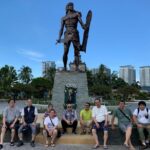
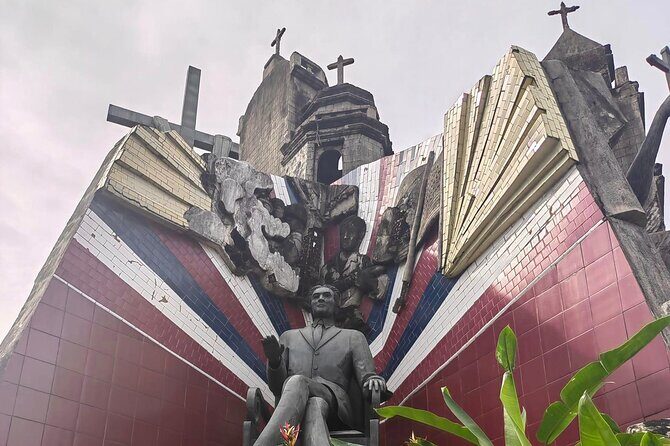
You begin at the Heritage of Cebu Monument, a tableau-style artwork that ties Cebu to major Philippine history. The details called out during the stop include the Battle of Mactan and the inauguration of Sergio Osmeña as President.
Why this stop works:
- It gives you a mental timeline before you move into churches and older neighborhoods.
- It’s an easy “anchor” before the walking gets more specific and you’re trying to remember names, eras, and places.
Potential drawback: because it’s a monument stop, it’s best if you’re comfortable standing and listening for a short period. If you’re the type who wants only short stops and lots of moving, you may feel it a bit more than later sights.
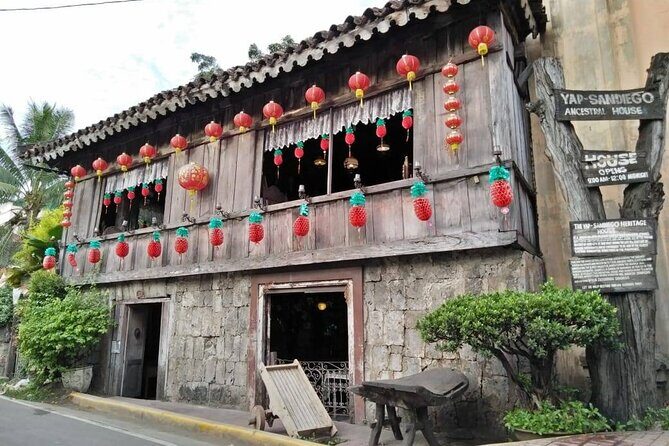
Stop 2: Yap Sandiego Ancestral House (Wood, Coral Stone, Spanish-Chinese Design)
Next is the Yap Sandiego Ancestral House, described as one of the oldest residential homes in the country. The building dates to around 1680, with construction using wood and coral stone, plus a mix of Spanish and Chinese architectural influence.
This stop isn’t just a “pretty old house.” It’s a shortcut to understanding how Cebu’s history shows up in everyday structure:
- You get a sense of wealth, trade, and cultural blending through the physical design.
- You’ll see how local history can be read in materials and layout, not just in monuments.
One consideration: it’s listed as about a 30-minute visit. If the house is something you’d normally spend an hour or two in, you’ll want to treat this stop as a guided taste—not your full immersion.
Stop 3: Santo Niño Basilica (Why It’s a Central Cebu Anchor)
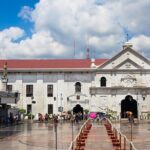
After the ancestral house, you’ll head to the Basilica Minore del Sto. Nino de Cebu, commonly known as the Santo Niño Basilica. It’s a major Cebu City religious landmark and is identified as having been founded in 1565 by Fray Andrés d… (the name is truncated in the provided details, but the founding year is clear).
What makes this part valuable:
- It’s one of those places where history feels layered in real time—religion, Spanish-era influence, and local devotion all at once.
- The tour framing helps you understand why this site matters beyond postcard value.
Practical note: some people feel this kind of basilica visit is “packed and slow,” especially during busy times. If the interior feels crowded, your guide’s job is to keep the stop moving without making you feel like you’re being rushed.
You can also read our reviews of more food & drink experiences in Cebu
Stop 4: Cebu Carbon Market and the Coal-Trains Story Behind the Name
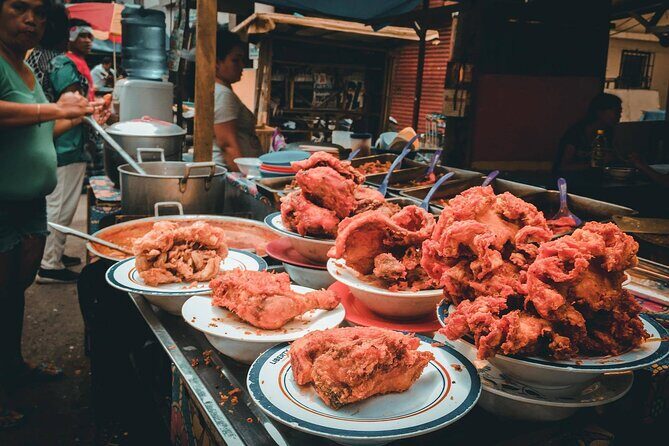
Then you move into the Cebu Carbon Market area. The name comes from carbón, Spanish for coal, because the area was said to be close to a coal depot tied to the old Cebu Railway that ran in the 19th century.
This is one of the tour stops where you’ll likely feel the Cebu you came for:
- you’re in a food zone,
- you get context for why the neighborhood has this name,
- and you can understand how the city’s industrial past shaped the market district.
What to watch for: if the market area is closed or crowded at your exact day/time, it can affect how the food portions land. The tour timing is fixed, but market conditions can change.
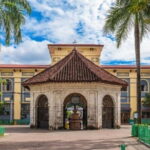
Stop 5: Magellan’s Cross Pavilion and the Plaza Setting
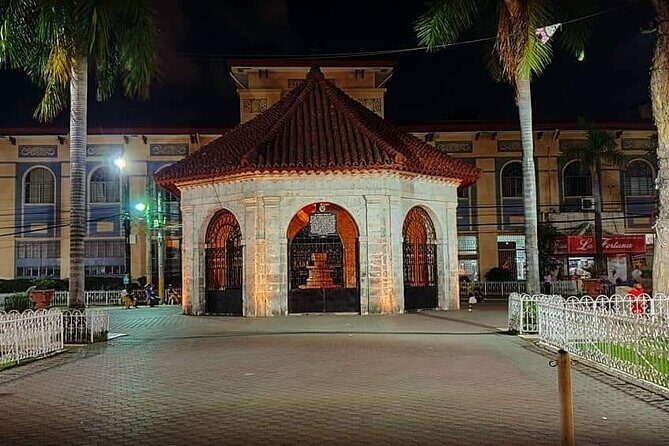
The Magellan’s Cross Pavilion is a stone kiosk located on Plaza Sugbo beside the Santo Niño Basilica. It houses a Christian cross that is described as having been planted by explorers of the th… (again, the ending is truncated in the details you provided, but the location and that it’s an explorer-planted cross are clear).
Why this stop is worth your attention:
- It’s closely connected to the basilica, so you’ll feel the continuity of place.
- It’s a “show-me” landmark: easy to point at, easy to understand why people are drawn to it.
Even if you’ve seen Magellan-related landmarks elsewhere, you’ll usually appreciate how your guide ties this one back to Cebu’s specific local framing.
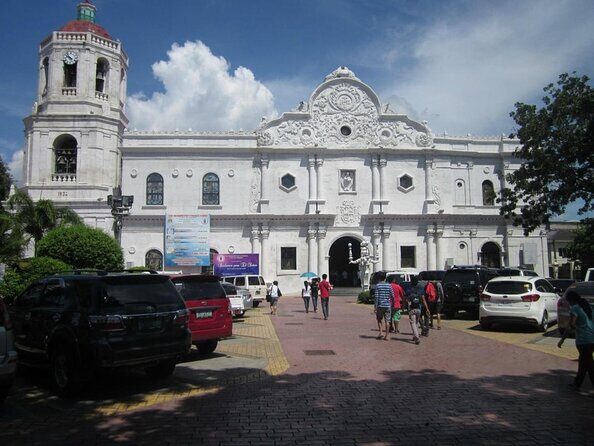
Stop 6: Cebu Metropolitan Cathedral (Saint Vitalis, WWII Scars, and the Meaning of Survival)
Your final big historical sight is the Cebu Metropolitan Cathedral (also described as the Metropolitan Cathedral and Parish of Saint Vitalis and of the Immaculate Conception). The details mention that during World War II, much of the cathedral was destroyed by Allied bombing, which sets a heavy historical tone for the ending.
This stop can land differently depending on your interests:
- If you like architecture and historical trauma, this is your closer.
- If you’re mostly in food-mode by the last hour, it still gives you a strong sense of why Cebu’s identity isn’t only about celebration—it’s also about recovery.
One detail to keep in mind: some parts of cathedral experiences can be affected by day-of-week crowds. The tour includes admission at listed stops, but how much time you get inside can depend on the real flow of people on the day.
The Food Side: Street Plates, Market Energy, and Choosing Your Comfort Level
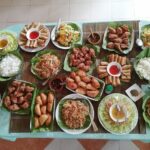
This is a historical and food walking tour, not a fine-dining meal. You’ll sample local street food across three food stops, and it’s geared toward you if you like trying foods you might not order at home.
From the provided details, you should expect the kind of foods that test your curiosity. Examples that came up include:
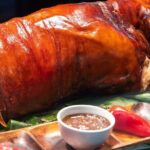
- Lechon (roasted pork) described as yum by one reviewer
- Túslog buwa (tuslob buwa) as a street-staple style snack
- Balut in at least some cases, though not guaranteed at every run
- A night-market feel with items like durian showing up depending on conditions
Here’s the practical way to think about it: the tour is designed to show local street-food culture, so you should treat each stop as a “try something local” moment rather than a fixed menu.
Vegetarian note: it’s not presented as a vegetarian-focused tour. If you eat strict vegetarian, you’ll want to check what’s available during your day, because the tour is explicitly street-food oriented.
Why the Guides Matter (Conversation, Pace, and Feeling Safe)
The guides are a big part of why this tour earns a strong rating. Names that show up in the guide mix include Kyle, Philip/Phillip, Lor, Lorelei/Lorelie, and Lorilie, and the common thread is a relaxed, conversational approach.
What that means for you on the street:
- You can ask questions without feeling like you’re interrupting a lecture.
- The pace leaves room to chat with your guide and with the small group.
- You’re not left to navigate alone, which matters in a city center where streets and signage can be confusing.
A recurring theme from solo travelers is that having a guide handling wayfinding feels safer. That doesn’t mean Cebu is unsafe; it just means you’re using the most efficient and comfortable route for your first night.
Is $69.99 Worth It? Entrances Included, But Timing Can Affect Value
At $69.99 per person, you’re paying for three things:
- A guide leading you through major historical sites
- Admissions included at the listed attractions
- Three food stops as part of the experience
So where does it feel worth it?
- If you want both history and local food in one evening, and you value someone handling navigation, it can be a good deal for a first trip.
- If you’re the type who doesn’t want to plan transport between sites, that planning value is real money saved.
Where it can feel expensive:
- Duration is listed as about 4 hours, but actual time can shorten if everyone moves quickly between stops.
- Street food availability isn’t always perfectly predictable, so some planned foods might not show up at every run.
My honest advice: if you care most about the food, double-check whether you’re okay with “street-food culture” meaning no guaranteed menu. If you care most about sights, be ready for food to be part of the flow, not a separate add-on.
Weather, Market Conditions, and When This Plan Can Shift
This experience is stated to require good weather. If weather turns, your tour may be rescheduled or refunded depending on the situation.
Market days can also matter. One example mentioned is the idea that groups want to spend more time in the food market, but the market area might be closed at certain times. That’s not something you can control—so build a little flexibility into your expectations.
Planning Tips: How to Dress, What to Eat, and How to Get Home
A walking tour plus street food means you’ll want to plan for comfort:
- Wear shoes you trust for uneven sidewalks.
- Bring a small amount of cash just in case any food moment needs it (even if tickets and entrances are included).
About getting back: the tour is focused on food and entrances, not transportation back to your hotel. If you’re staying outside the city center, plan your return route ahead of time so you’re not stuck when you finish at Freedom Park Carbon.
Who This Tour Is Perfect For (and Who Might Prefer Something Else)
This tour is a great fit if you:
- are in Cebu City for a short time and want history plus local street food
- like guided context that makes landmarks feel connected
- want a small-group pace with time to ask questions
- feel more comfortable with a guide navigating instead of doing it alone
It might not be ideal if you:
- expect a long, slow walking pace that guarantees every food item
- need a very predictable meal lineup like a restaurant menu
- want door-to-door transport back to your hotel
Should You Book the Original Cebu City Historical and Food Walking Tour?
Yes, if you want a smart first-night plan that connects Cebu City history to how people actually eat. The included admissions, the guide-led route, and the chance to taste local street food make it a practical way to see more than just the usual highlights.
Book it especially if you’re flexible about food specifics and you’d rather have good guidance and context than worry about logistics. If you’re highly sensitive to strict dietary needs or you hate the idea of variable street-food availability, you may want to compare options before committing.
FAQ
How much does the Cebu City historical and food walking tour cost?
It costs $69.99 per person.
How long is the tour?
The tour is about 4 hours.
What time does the tour start?
It starts at 4:00 pm.
Where does the tour start and end?
It starts at Ayala Terraces and ends at Freedom Park Carbon.
How big is the group?
The tour has a maximum of 20 travelers.
Is admission included for the stops?
Yes. The listed historical stops include admission tickets included.
Do I need good weather for the tour?
Yes. This experience requires good weather.
Does the tour include transportation back to my hotel?
The tour details focus on food and entrances. You should plan your own way back to your accommodation.
What kinds of foods will I try?
It’s designed around local street food across the food stops, with examples mentioned like lechon, tuslob buwa, and balut (when available).