REVIEW · LUZON
Batad Guided Tour
Book on Viator →Operated by Banaue AdvenTours · Bookable on Viator
The Batad rice terraces feel personal. This guided hike connects you with local farming families around Banaue and Batad, so you’re not just walking viewpoints—you’re seeing how people live, work, and make food from the terraces. I especially love the hand milling of rice and the chance to taste rice wine, because those small stops turn the scenery into real daily life. One drawback: expect a real workout on uneven steps and long paths, and you’ll want solid shoes and stamina.
I like that the guide—often Miller Himmoldang, with Bridgette sometimes assisting—can shape the route to your group. The tour is also designed with flexibility in mind, so you can hike longer (up to a few hours) or keep it more leisurely instead of feeling locked into a rigid pace. If you’re hoping for a totally flat walk, this isn’t it.
In This Review
- Key points to know before you go
- Why this Batad hike feels more than sightseeing
- Getting your bearings: meeting point, pickup, and timing
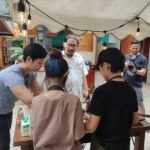
- What’s really included: rice wine tasting and hand-milling
- The hiking reality: pace, fitness level, and what to expect on the trail
- Stop-by-stop: the Banaue viewpoints and village walking
- 2-day trek style: more time with Batad and a waterfall stop
- 3-day trek option: Batad, Ducligan, and Snake River
- The people part: Miller and Bridgette make the tour work
- Price and value: what $70 per group really buys
- Logistics you can plan for: gear, trail comfort, and meals
- Who should book this Batad guided tour
- Should you book it?
- FAQ
- How long is the Batad guided tour?
- Is pickup offered?
- Where do I meet the guide?
- Is the tour private?
- What’s included in the price?
- What fees or extras are not included?
- What fitness level do I need?
- Can the hike be adjusted to my pace?
- What’s the cancellation policy?
Key points to know before you go
- Family-connected guiding: your guide’s ties to the terraces mean you’ll hear practical stories about local work and history.
- Included rice experiences: rice grain milling by hand and rice wine tasting are built into the tour.
- Route flexibility: your hike length can be adjusted (about 1–5 hours), and guides can adapt to weather and group needs.
- Multi-day options: choose a 2-day or 3-day trek style if you want more villages and waterfalls.
- Private group feel: it’s a private activity for your group, priced per group up to 15.
Why this Batad hike feels more than sightseeing
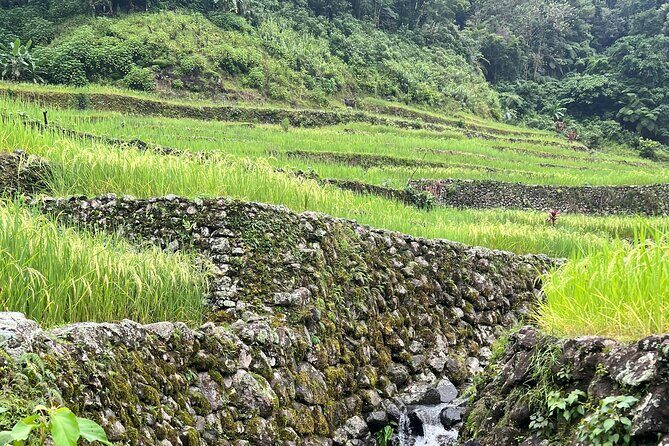
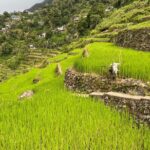
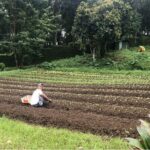
Batad rice terraces aren’t like a typical museum stop. You’re walking through active agricultural steps in the Ifugao mountains, where the terraces are both the view and the workplace. The big value here is the access: you’re hiking with a guide whose family lives right in the rice area, so the tour has context you can actually use.
I also like that the experience mixes scenery with food culture. You’ll meet farmers and artisan rice wine makers, then try it. That’s a powerful combo because it answers the question you’ll have while walking—how does life on these terraces work day to day?
Here’s the one consideration I wouldn’t ignore: this is not a gentle stroll. Even if your guide adjusts the pace, you’ll be on steep, uneven trails with lots of stairs and changing footing. If you’re not used to hiking in heat, start thinking early about slow pacing and rest breaks.
You can also read our reviews of more guided tours in Luzon



Getting your bearings: meeting point, pickup, and timing
You start at the Banaue Tourism Office (W366+CC5), and the tour ends back at that same meeting point. Pickup is offered, which matters because reaching the trailheads and getting everyone together in the early hours can be the difference between a smooth start and a rushed one.
The meeting point is open daily, with hours listed from 6:00 AM to 5:00 PM. If you’re trying to avoid the hottest part of the day, aim to be ready earlier rather than later, especially if you’re doing longer routes.
You’ll also receive a mobile ticket, and the activity is described as near public transportation. If you’re building this into a bigger Banaue plan, that’s helpful—you aren’t stuck relying only on a private car.
What’s really included: rice wine tasting and hand-milling
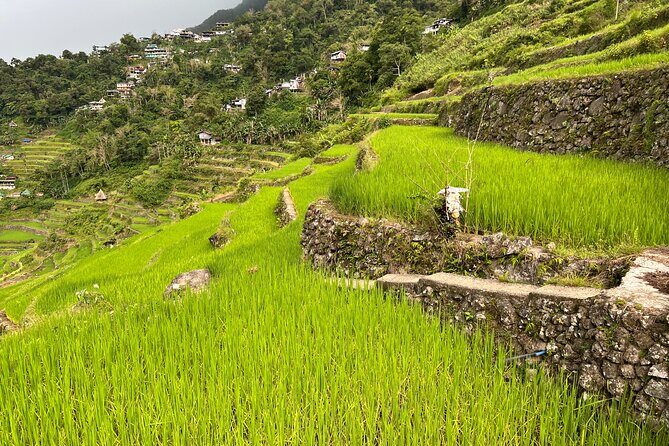
The two headline inclusions aren’t random add-ons. They tie directly into how terraces support livelihoods.
First is rice grain milling by hand. Watching and doing some version of the hand process helps you understand that these terraces aren’t just for photos—they’re for the full food chain. It also gives your legs a mental break after long stretches of walking: you shift from moving through space to learning a process.
Second is rice wine tasting. Rice wine is part of the social and farming culture in this region, and tasting it gives you a quick taste of how local traditions connect to agriculture. It’s not just a sample for the sake of it; it’s the kind of stop that turns a view into a story.
If you’re the type who likes hands-on moments, these inclusions are exactly why this tour has strong review ratings.
The hiking reality: pace, fitness level, and what to expect on the trail
The tour notes a moderate physical fitness level. That sounds safe until you’re actually on terrace paths, where the challenge comes from footing, elevation changes, and the length of time on your feet.
One review feedback point is worth taking seriously: the hike can feel quite tough, especially in heat, and people who aren’t used to long trekking may struggle. Your guide can slow down and adapt, and the route can be flexible, but the terrain won’t magically become flat.
Practical advice:
- Wear proper hiking shoes with grip, not slick sandals.
- Bring water and plan on frequent short stops.
- If you’re prone to overheating, consider going earlier in the day and taking shade breaks when offered.
- Keep an honest pace. The best terrace views happen when you arrive not wrecked.
If you’re hiking mostly for the culture and you don’t mind a workout, you’ll probably love the day. If you’re looking for a light walk with minimal stairs, you might want to reassess.
Stop-by-stop: the Banaue viewpoints and village walking
Even on the shorter day-style route options, the experience starts with strong “arrive and understand” stops.
You’ll begin with Banaue Viewpoint rice terraces and then move through villages such as Pula and Cambulo. From there, you’re not just seeing rice steps—you’re walking between them and learning what different village areas do. This is where a guide with real local connections helps, because you’ll hear how farming life links to terrace maintenance and seasonal work.
One thing I’d watch for: the trail experience changes depending on which village segments you’re walking that day. Some parts feel like a steady descent or ascent, while others are short bursts of steeper steps. That’s why flexible guiding matters. If your group is tired, your guide can adjust the route so you don’t lose the day to exhaustion.
And yes, there’s often a chance to enter a traditional house. That kind of interior access can be the difference between “I saw terraces” and “I understood the place.”

2-day trek style: more time with Batad and a waterfall stop
If you want a deeper sense of place, the 2-day trek option is built for that.
Day 1 starts with Banaue Viewpoint rice terraces, then includes Pula village and rice terraces, plus Cambulo village and rice terraces. You end the day with an overnight stay. The main idea here is to ramp up gradually—walk, learn, and settle into terrace life without rushing.
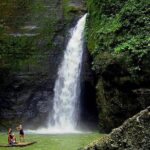
Day 2 continues with Cambulo and rice terraces, then heads to Batad rice terraces. The itinerary also includes Tappiya waterfall (the data cuts off, but the stop is clearly part of the plan). This is a good way to break up the trekking with a nature moment.
One practical note: the multi-day trek includes overnight stays, but the data you have doesn’t spell out exactly what accommodation details are covered. Before you go, confirm what’s included for the overnight portion so you’re not surprised.
If you like longer days and you want a “more complete” Batad experience, the 2-day format is often the sweet spot.
3-day trek option: Batad, Ducligan, and Snake River
The 3-day trek option adds more terrace segments and more variety in landmarks, which is great if you don’t want the trip to feel rushed.
Day 1: Banaue Viewpoint, Pula village, then Cambulo village and rice terraces, ending with overnight stay. This day is a strong orientation to the region’s village-terrace pattern.
Day 2: Cambulo continues, then Batad rice terraces, plus Tappiya waterfall, and overnight stay. This is where you spend more time in the Batad area and connect the farming story to the dramatic views.
Day 3: Batad to Ducligan rice terraces, then Snake River, then Bangaan rice terraces. You’ll head back to Banaue on or before 2 o’clock, with a bus terminal stop as part of the wrap-up.
This route is best if you’re comfortable hiking multiple days and you want more than one or two terrace stops. The payoff is more variety—more villages, more terrain, and more chances to learn from your guide as you go.
The people part: Miller and Bridgette make the tour work
The best version of any terrace hike is the human part: who guides you, how they pace you, and what stories they bring.
Miller Himmoldang is specifically named as the guide in many top-rated experiences. Bridgette is also named, including cases where she did most of the guiding while Miller arranged logistics. That points to a team approach, which usually means less confusion and a smoother flow on the trail.
Across the feedback, the recurring strengths are:
- Flexibility: routes can be changed based on how you feel each day.
- Safety-first pacing: the guide focuses on staying safe and not rushing.
- Clear explanations: information is shared slowly and in a way that’s easy to follow.
- Friendly humor and conversation: the hike becomes a dialogue, not a lecture.
Even in rain, the tour is described as not pushy or rushed. That matters because weather in the mountains can shift quickly, and a guide who can keep control without pushing pace is worth paying attention to.
Price and value: what $70 per group really buys
The tour is priced at $70.00 per group (up to 15 people), which is a useful way to think about value. Instead of paying per person for a rigid checklist, you’re paying for guided time plus specific included cultural activities.
What makes it feel like value:
- You get rice wine tasting and hand milling as part of the experience.
- It’s a private tour/activity for your group, so you’re not squeezed into a crowd experience.
- Your guide brings local connections and adapts the route based on your group’s needs.
What’s not covered (and you should budget for):
- environmental fee
- hiking rod/stick rental
- heritage fee
- tourism registration fee
- private transportation
- any admission ticket not included
Your exact total cost depends on what fees apply and what you need for gear, but the pricing structure is clear: the base tour covers guiding plus the listed inclusions, while some fees and logistics are additional.
If you’re traveling as a small group and want real cultural access without paying big private-individual rates, this pricing can be a strong fit.
Logistics you can plan for: gear, trail comfort, and meals
You’ll want to treat this as a hike first, photo stop second. The tour notes moderate physical fitness, and the included activities don’t remove the need for stamina on stairs and uneven ground.
Gear basics that align with the tour reality:
- shoes with grip
- a small daypack
- water
- a light layer for misty mornings or changing weather
The itinerary implies walking plus village visits, and the tour’s included cultural stops likely slow the pace briefly. That’s why it’s smart to keep your schedule open and avoid stacking a second demanding activity right after.
Also note the tour mentions hiking rod/stick rental is not included. If you use a trekking pole for support, bring one or plan to rent locally.
Who should book this Batad guided tour
This works best for you if:
- You want a guided terrace experience that connects directly to farming life.
- You like cultural stops like rice wine tasting and hand milling.
- You’re okay with a moderate hike and flexible timing (you can adjust down if needed).
- You value a guide who can handle route changes when conditions or energy shift.
It may not be the right match if you want an easy, short, mostly flat walk, or if you’re traveling with limited mobility. Even with pacing support, the terrain is still terrace terrain.
If you’re doing a multi-day trek, you’ll also want to commit to hiking multiple days and accept that you’ll spend a lot of time on your feet.
Should you book it?
If your goal is more than views, then yes, I think you should strongly consider booking. The included hand milling and rice wine tasting turn the hike into a cultural experience, and the guide team’s flexibility—named around Miller Himmoldang and Bridgette—helps keep the day from becoming a stress test.
Book it if you’re ready for real steps, can handle a moderate fitness challenge, and want a terrace day shaped by people who actually live there. If you’re seeking a low-effort sightseeing-only plan, you’ll likely find the hiking portion too demanding.
FAQ
How long is the Batad guided tour?
The tour is listed at about 6 hours. It also offers 2-day and 3-day trek styles with about 7 hours of hiking per day.
Is pickup offered?
Yes, pickup is offered.
Where do I meet the guide?
You meet at the Banaue Tourism Office (W366+CC5, Banaue, 3601 Ifugao, Philippines), and the tour ends back at the same meeting point.
Is the tour private?
Yes. It’s a private tour/activity for your group only.
What’s included in the price?
Included activities are rice wine tasting and rice grain milling by hand. The tour also uses a mobile ticket.
What fees or extras are not included?
Not included are the environmental fee, private transportation, hiking rod/stick rental, heritage fee, and tourism registration fee. Admission tickets are also noted as not included.
What fitness level do I need?
The tour lists moderate physical fitness. The terrain involves hiking on terrace paths, so sturdy comfort and stamina matter.
Can the hike be adjusted to my pace?
Yes. The experience describes hiking as long as you want (about 1–5 hours), and the guiding is described as flexible for different group needs.
What’s the cancellation policy?
You can cancel for a full refund up to 24 hours before the experience start time. If canceled due to poor weather, you’ll be offered a different date or a full refund.
If you tell me your travel dates and whether you want the 6-hour style, 2-day, or 3-day trek, I can help you pick the best match for your fitness and schedule.