REVIEW · LUZON
Pagsanjan Falls Day Tour from Manila
Book on Viator →Operated by Abraham Tours Philippines · Bookable on Viator
Pagsanjan Falls is a full-day payoff. This tour strings together a Los Baños trolley ride through a community living along old train tracks and then hands you over to boatmen for a fast, scenic canoe run toward the falls. I also like the small-group feel (up to 18) and the way the day is organized around real sights, not just drive-by photo stops. One thing to consider: the drive from Manila is long, and the whole plan depends on weather, so you’ll want flexibility in your schedule.
What you get here is a practical mix of local flavor and active nature time. You’ll stop in Los Baños for coconut pie and coffee, then reach Pagsanjan Town for a two-hour back-and-forth canoe ride with the rapids factor, and finally spend about an hour at the falls plus bamboo-raft access toward the action. You’ll especially appreciate guides who know how to keep things moving through traffic—some groups have had guides like Ross and Paul who shared fun facts and kept the day running smoothly. The possible drawback is budget creep: the canoe day includes a cash boatmen fee (Php 250) plus you’ll likely want bottled water and soda that aren’t included.
Overall, this is one of the more complete Manila-to-falls options because it bundles transport, lunch, and multiple waterfall viewpoints into one set schedule. It’s also built for people who don’t mind getting a bit wet and having a fun, guided ride rather than a slow, scenic stroll. If you want a super relaxed day or you’re traveling when rain is likely, plan for weather changes and keep your expectations tied to what conditions allow.
In This Review
- Key highlights worth planning for
- Why Pagsanjan Falls beats a generic Manila day trip
- Los Baños trolley stop: seeing daily life near old train tracks
- Coconut pie, coffee, and the small details that make it feel local
- Pagsanjan Town: the river run starts, and the day turns active
- Canoe ride tips I’d use again (even without guessing)
- Bamboo raft access: getting behind the waterfall
- Lunch after the falls: fuel that actually fits the day
- Price and value: what $103 really buys you
- Group size and guide quality: where small numbers help
- Timing, traffic, and the reality of an early start
- Weather planning: when rain changes everything
- Who this tour is best for (and who might want another option)
- Should you book this Pagsanjan Falls Day Tour from Manila?
- FAQ
- How long is the Pagsanjan Falls day tour from Manila?
- What time does the tour start, and where do I meet?
- Is lunch included?
- Is the canoe ride included, and do I pay anything extra for the boatmen?
- Are tickets or admissions included at the stops?
- What happens if the tour is canceled due to weather?
- How many people are in a group?
Key highlights worth planning for
- Los Baños community trolley ride: families rely on this area, and it feels lived-in rather than staged.
- Upstream canoe time with skilled boatmen: expect a two-hour run with rapids energy.
- Pagsanjan Town transition: you go from town river views to the main ride without wasting time.
- Bamboo raft access near the falls: you get a behind-the-scenes look at the cascading water.
- Lunch included, plus local coconut pie: two food moments that make the day feel more than sightseeing.
Why Pagsanjan Falls beats a generic Manila day trip
A lot of tours from Manila sell the same idea: a long bus ride, a short walk, and photos. This one feels more like a day with purpose. You’re moving through Los Baños, riding into Pagsanjan by river, and then spending actual time at the falls from more than one angle.
The big win is the pacing. Even though it runs about 8 hours 30 minutes, the schedule isn’t just “sit and wait.” It’s structured around brief, high-impact stops: local community time for a snack, a long-ish canoe segment for the main experience, and then falls time where you can actually feel the water.
You can also read our reviews of more tours and experiences in Luzon.


Los Baños trolley stop: seeing daily life near old train tracks
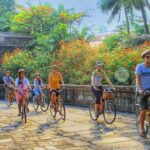
Your day starts with a pickup at 7840 Makati Ave (start time 7:30am) and then heads toward Los Baños as an early break before you reach Pagsanjan. The first highlight here is the trolley ride through a community built between old train tracks—an area that supports daily life for the families who live there.
This stop matters because it gives you context. Instead of treating the region as a backdrop, you get a sense of how people actually use the space around the rail remnants. It also helps your whole day feel less like a tourist circuit and more like a real connection to where the adventure happens.
You’ll end this stop with coconut pie and coffee, which is simple but smart. You’re going to be on a boat and near water shortly, so having a sweet, local bite early helps you stay comfortable later.
Coconut pie, coffee, and the small details that make it feel local
Food stops are often filler on tour days. Here, it’s not just an extra snack—it’s part of the pacing. The coconut pie is a local favorite, and it’s the kind of treat that instantly makes the day feel specific to this area rather than generic “Philippines food tour” branding.
Also, I like that the stop is short and organized (around 45 minutes). You get enough time to eat, take in what’s around you, and reset before heading to the river. If you’re the type who gets restless on long drives, this early break is a relief.
Pagsanjan Town: the river run starts, and the day turns active
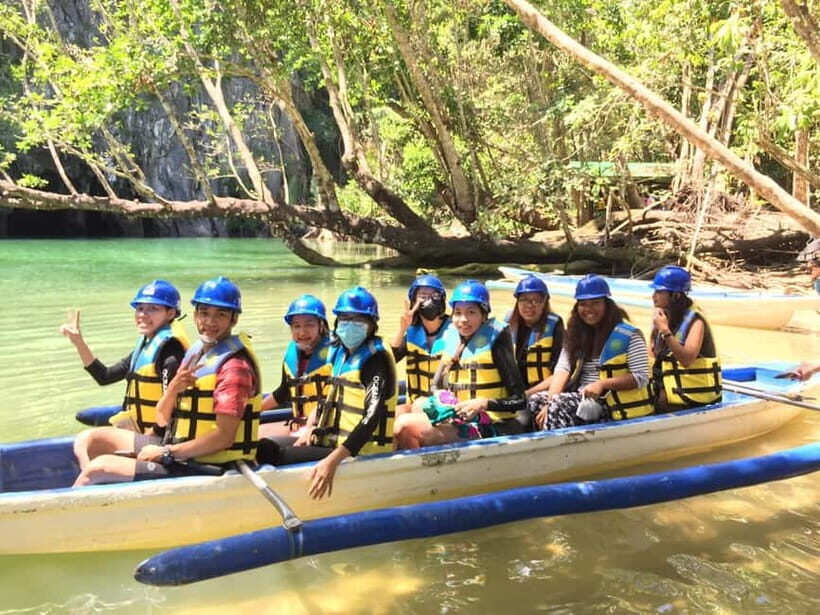
Once you reach Pagsanjan Town, you shift from town sights to the river that leads to the falls. This is where the tone changes. The tour hands you over to two experienced boatmen for a two-hour back-and-forth canoe ride.
This ride is the main reason many people sign up. It’s not a gentle paddle for an hour and a half with perfect calm water. It’s described as an exhilarating run and includes the idea of shooting the rapids, which is where your adrenaline comes in.
Why that matters for you: you’ll be moving, maneuvering, and getting closer to the falls than you could from the road. It’s also a stronger “I did something” experience than a typical viewing platform day.
The practical consideration is comfort and water readiness. You should expect a boat ride near active water, and you may get splashed. If you’re sensitive to cold or wet conditions, plan accordingly with layers and a change of clothes for afterward.
Canoe ride tips I’d use again (even without guessing)
Because the boat portion is so central, small choices help a lot:
- Keep your phone protected if you bring it. Water and rapids make “easy handling” harder.
- Bring sunscreen and basic sun protection. This part of the day is long enough to feel it.
- Listen closely when boatmen brief you. They’re the ones controlling how you position and when you brace.
One thing I respect in how the day is built is that the boatmen are a paid skill on their side (and you’ll still have a boatmen fee paid in cash: Php 250). In other words, you’re not just watching safety from the sidelines—you’re trusting people who know these waters.

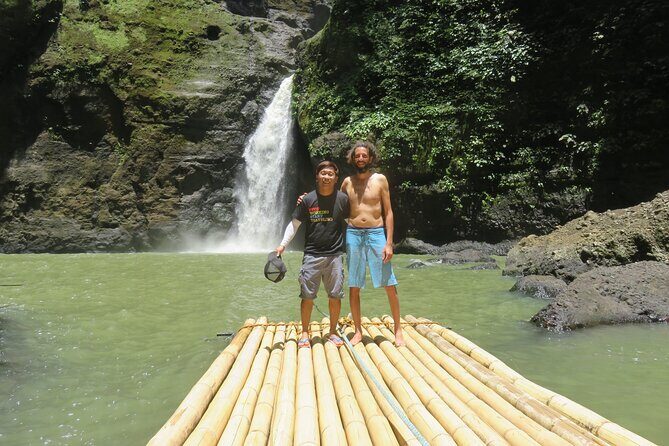
Bamboo raft access: getting behind the waterfall
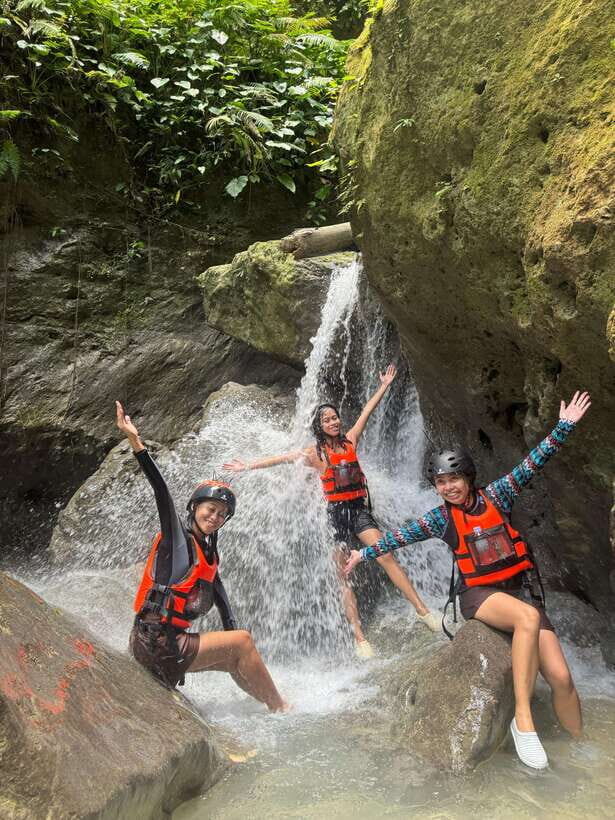
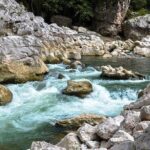
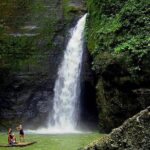
After the canoe ride, you move into the falls area for about one hour. And this is where you don’t just look—you go closer. A bamboo raft can take you toward the action with a behind-the-scenes style view of the cascading waterfalls.
This portion is different from a classic overlook because the water environment changes what you see and how you feel. You’re likely to notice the roar, the mist, and the constant motion in a way that photos never fully capture.
One review-highlighted moment: people talk about being able to take a shower under the falls. That’s your cue that this stop can be physically involved, not just scenic. If you love “worth it” water moments, this is where you’ll feel it most.
Lunch after the falls: fuel that actually fits the day
Lunch is included, which is a big deal for a full-day tour where you’re active. After canoeing and being in a humid waterfall zone, you don’t want to hunt for food on your own at the end.
In the experience, people also note fun transportation from the falls area to the restaurant (called a Toc Toc). That’s the kind of small, local flavor that breaks up the day nicely—quick ride, then sit down and eat.
What to expect: the tour includes lunch, but you should not assume beverages are included beyond that. Bottled water and soda/pop aren’t part of the package, so if you’re a consistent water drinker, budget for that extra cost.
Price and value: what $103 really buys you
At $103 per person, it’s not the cheapest option from Manila. But it’s also not “pay a lot for nothing.” This day bundles several costly components into one ticket: transportation out of the city, local stops, canoe time with boatmen, falls time, and lunch.
Then there’s the important add-on you must plan for: Php 250 boatmen fee, paid in cash. That’s your main extra budget item that many people forget when they only look at the headline price.
So how do you judge value? Ask yourself:
- Do you want a guided day with transport and meal included?
- Do you value canoe time and the falls-area raft access as part of the package?
- Are you okay spending more than a viewing-only day would cost?
If yes, the price starts making sense. Reviews also back up that guides help manage the long travel day and keep the stops organized, which is part of what you’re paying for—less hassle and fewer logistics headaches.
Group size and guide quality: where small numbers help
The tour caps at 18 travelers, which is the sweet spot for a day trip like this. Big groups can turn a “go with the flow” day into a slow shuffle. Smaller groups make it easier to handle traffic timing and keep people together during transitions.
Guide quality comes through in real ways: some groups specifically mention guides like Ross and Paul. Those names matter because it signals the guides are doing more than reciting basics. They help with traffic navigation and share information that makes the day more than a checklist.
If you care about getting context—why this region became a film favorite, what you’re seeing along the way—having a guide who talks can turn a good trip into a memorable one.
Timing, traffic, and the reality of an early start
The tour starts 7:30am and returns to the meeting point at the end. That early start is typical for getting out of Metro Manila before traffic becomes brutal, and you should expect the drive to take time.
Long drive days aren’t everyone’s favorite. If you hate being in a vehicle, this is the one part of the tour that can feel like a tradeoff. Still, the day’s structure tries to compensate: you get a community stop with a trolley ride and snacks before the long canoe segment.
If you’re sensitive to schedule changes, treat this as an adventure day, not a precision-timed appointment. Build in some buffer when you plan dinner or your next activity after the tour ends back at Makati.
Weather planning: when rain changes everything
This experience depends on good weather. It can be canceled due to force majeure or unforeseen circumstances such as weather. If that happens, you’ll be offered a different date or a full refund.
There’s also a helpful seasonal detail: during rainy season, updates from the Pagsanjan Falls Tourism Office come out every day at 7:00am, and that information is used to decide what happens next. That means you should stay available in the morning if rain is in the forecast for your date.
What this means for you in practical terms: if you’re traveling with tight timing (no spare day), you should think twice. If you can be flexible for one extra day, your odds of getting the full experience improve.
Who this tour is best for (and who might want another option)
This tour is a good fit if you want:
- a local community stop before the nature highlight
- a real canoe ride (not a walk-only day)
- time at the falls with the chance to get close, including raft access
It’s less ideal if you prefer very low physical activity, hate waiting around during possible delays, or you’re traveling right when weather is most unpredictable and you can’t shift plans.
Most travelers can participate, but the active water parts mean you should go in expecting some wet conditions and motion.
Should you book this Pagsanjan Falls Day Tour from Manila?
If you want the best chance of a complete, guided “Manila-to-falls” day, I’d book it—especially if canoe time and falls-area raft access are on your must-do list. The value is strongest when you compare the whole package: transport, lunch, multiple waterfall viewpoints, and guided boat handling.
I’d hesitate only if you can’t deal with weather risk or you’re traveling with a rigid schedule where there’s zero flexibility for rescheduling. In that case, consider planning an additional buffer day or choosing a different day-trip option that’s less weather dependent.
If you do book: bring a plan for the boat and the water, budget the Php 250 boatmen fee in cash, and set aside extra patience for the drive. The payoff is a full-feeling day with both local life and the kind of falls experience you remember long after the ride ends.
FAQ
How long is the Pagsanjan Falls day tour from Manila?
The tour lasts about 8 hours 30 minutes.
What time does the tour start, and where do I meet?
The tour starts at 7:30am. The meeting point is 7840 Makati Ave, Makati, Metro Manila, Philippines, and the tour ends back at the meeting point.
Is lunch included?
Yes. Lunch is included in the tour.
Is the canoe ride included, and do I pay anything extra for the boatmen?
The canoe ride is part of the experience, but there is an extra boatmen fee of Php 250 that you pay in cash.
Are tickets or admissions included at the stops?
At the first stop (Los Baños local community) and the second stop (Pagsanjan Town), admission tickets are listed as free. At the falls stop, admission is included.
What happens if the tour is canceled due to weather?
This experience requires good weather. If it’s canceled due to poor weather or other unforeseen circumstances, you’ll be offered a different date or a full refund.
How many people are in a group?
The tour has a maximum group size of 18 travelers.