REVIEW · LUZON
Manila: Intramuros, Chinatown, and Old Manila Half-Day Tour
Book on Viator →Operated by Manila Experience (V.S Tour Services) · Bookable on Viator
Walled history meets everyday Manila on one walk. I love how this route threads Intramuros with street life in Divisoria, so you get context (not just photos). I also like the human touch: guides like Felix or Floyd bring clear English and stories that make the places feel lived-in. One drawback: it’s about 3 hours, so the schedule moves and you’ll be doing some steady walking.
This tour stays practical: small group size (up to 15), a mobile ticket, and a clear end point at Fort Santiago. The main thing to consider is that Binondo has an admission ticket that is not included, and the tour calls for moderate physical fitness with good weather preferred.
In This Review
- Key takeaways before you go
- Entering Manila’s Old World and New Street Life
- Divisoria Market and Tondo: where the senses get a workout
- Binondo on Ongpin Street: Chinatown with roots since 1594
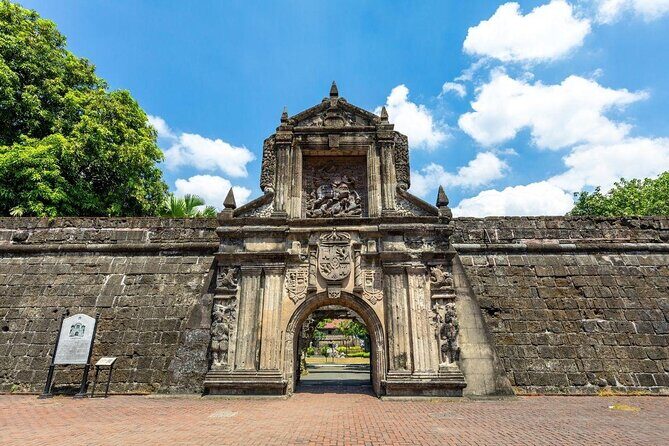
- Intramuros and Fort Santiago: finishing in Manila’s walled city
- How the tour actually moves through Manila
- Price and time: is $75 a smart use of a half day?
- What to expect from the guide: Felix and Floyd set the tone
- Practical prep: weather, fitness, and comfort
- Who this tour is best for
- Should you book the Manila: Intramuros, Chinatown, and Old Manila Half-Day Tour?
- FAQ
- How long is the Manila Old Manila half-day tour?
- Where does the tour start and where does it end?
- How much does the tour cost?
- Is admission included for all stops?
- How big is the group?
- What happens if the weather is bad?
Key takeaways before you go
- Three distinct neighborhoods in about 3 hours, with just enough time to get oriented
- Guides with strong English and strong personality, including Felix and Floyd
- Divisoria Market start gives you a real feel for daily Manila life
- Binondo on Ongpin Street and Binondo Church, tied to the area’s 1594 origins
- Intramuros wraps at Fort Santiago, where you can keep exploring afterward
Entering Manila’s Old World and New Street Life
Manila can feel huge and confusing on your first day. This half-day tour gives you a shortcut: you move from a market zone (everyday city energy), to Chinatown (history you can read on the street), and finally into Intramuros (the Spanish-era core). The whole point is to make the city make sense, block by block.
I like that the pacing is built for first-time visitors. You’re not expected to master Manila in one afternoon. You get an easy way to understand how the neighborhoods connect—culturally, historically, and just in how people move through the streets.
There’s also a big practical win: the group size is capped at 15, so the guide can actually answer questions and keep you together. And yes, the tour uses a mix of walking and short rides (some guests mention tuk-tuks and jeepneys), so you’re not grinding through the whole day on foot.
You can also read our reviews of more tours and experiences in Luzon.


Divisoria Market and Tondo: where the senses get a workout
You start in Tondo with a visit to Divisoria Market. This is the kind of place where Manila shows you how it really runs: narrow aisles, colorful stalls, and people handling everything from fresh produce to seafood and local foods. The time block is about an hour, and it’s structured to help you notice things you’d normally miss if you were just walking through on your own.
What I like about starting here is the contrast. Intramuros and Chinatown are easy to view as “attractions.” Divisoria makes them feel like part of the same living city. You’ll come away with a sense of daily rhythm—who’s buying what, what’s sold, and what locals pay attention to.
A couple of practical notes. Markets can mean uneven ground and lots of foot traffic. Since the tour is rated moderate fitness, wear shoes that won’t hate you by hour two. Also, expect weather to matter—this experience specifically requires good weather, so plan for that and don’t schedule it on a day you’re already stressed about rain.
Value-wise, this segment has free admission. That matters because some tours quietly charge you throughout the day. Here, the structure is upfront.
Binondo on Ongpin Street: Chinatown with roots since 1594
Next comes Binondo, often called the world’s oldest Chinatown, founded in 1594. The focus is Ongpin Street—the main street energy where you’ll see shops, churches, and the everyday movement that keeps the neighborhood from feeling like a theme park.
You also visit landmarks like Binondo Church. That’s important because it gives the story a physical anchor. Chinatown here isn’t just about food and shopping. It’s also about how communities organized their lives in the middle of Manila’s older colonial layout.
In plain terms, this stop helps you connect the dots:
- Markets and small businesses tell you what the neighborhood values today.
- Landmarks tell you what it has survived and adapted over centuries.
One consideration: Binondo’s admission ticket is not included. The tour does list it that way for this segment, so budget for a possible extra cost while you’re there. The upside is that your guide can explain what you’re seeing without you needing to do heavy research before you arrive.
Also, Binondo is often where first-timers start buying souvenirs because it’s easy to browse. If you like shopping, this is a strong time block. If you’re not into it, the good move is to keep your attention on street-level cues: signage, church presence, and how the street layout shapes foot traffic.
Intramuros and Fort Santiago: finishing in Manila’s walled city
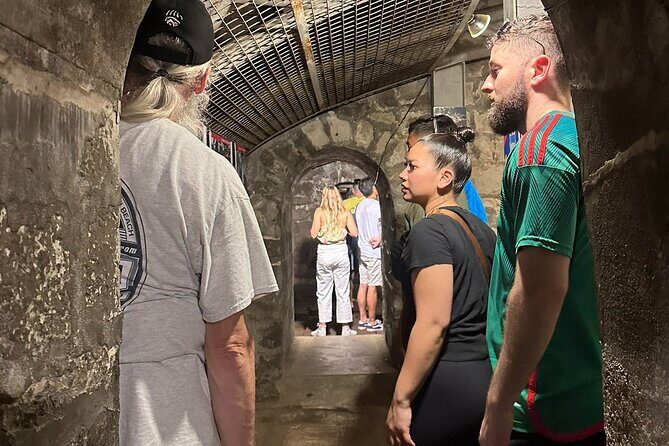
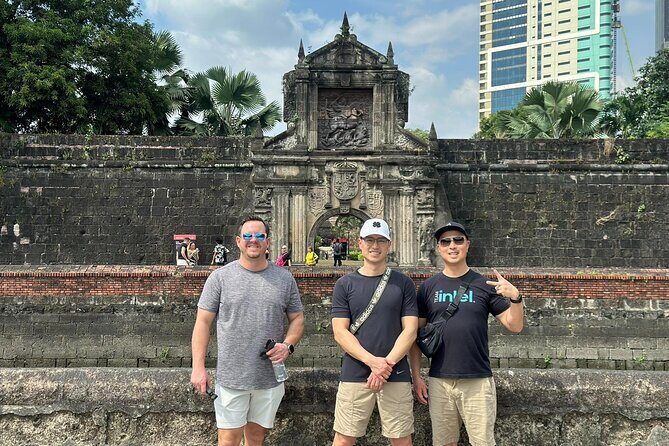
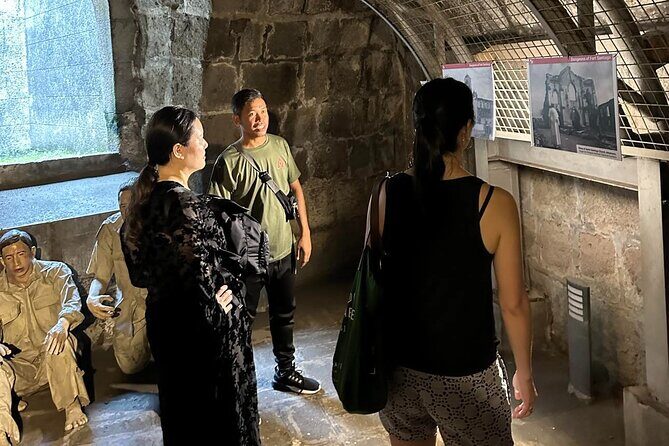
The tour ends in Intramuros, Manila’s ancient walled city—a shift from modern streets into a space where the Spanish-era architecture and colonial-era stories become the main show. The stop time is about an hour, with key sights like Fort Santiago and Manila Cathedral.
I love the way this finale changes the mood. By this point, you’ve already seen daily city life and the Chinatown neighborhood identity. Intramuros doesn’t feel like an isolated “museum zone.” It feels like the historical anchor that explains why the other areas developed the way they did.
Fort Santiago adds a sense of scale, because it’s tied to the military and political side of Manila’s past. Manila Cathedral helps balance that with the religious and civic side. Even if you only get a short look, you’ll leave with a clearer mental map of what Intramuros is trying to be.
This segment is listed as free admission on the tour schedule, which is another reason this half-day works for value. And the tour ends at Fort Santiago, which can be convenient if you want to keep exploring Intramuros afterward at your own pace.
How the tour actually moves through Manila
Manila’s streets can be a puzzle. That’s why a guided half-day helps. You’re not stuck trying to figure out where to stand, which streets connect, or how to read the neighborhood layout.
Based on the experience’s design and feedback from guests, expect a blend of:
- Walking (enough to feel the streets up close)
- Short rides when it makes sense (some guests mention tuk-tuks and jeepneys)
This mix matters because it keeps the tour from becoming either a long slog or a car-only city hop. You still get sensory street time, but you’re not exhausted before you reach Intramuros.
The meeting point is near public transportation, which is useful if you’re already using transit around Metro Manila. The start is in Tondo, and the finish is at Fort Santiago in Intramuros, so the route naturally funnels you from one area into the next.





Price and time: is $75 a smart use of a half day?
At $75 per person for about 3 hours, the question is: do you get enough for the time you spend?
Here’s how I’d judge the value:
- You’re paying for guided context, not just access. Intramuros and Chinatown are easy to walk through, but harder to understand without a guide.
- You cover three major areas—Divisoria, Binondo, and Intramuros—without spending hours figuring out logistics.
- The group limit of 15 travelers suggests you’ll get more interaction than the mega-group model.
- Two segments are listed as free admission (Divisoria and Intramuros), which helps keep the out-of-pocket surprises smaller.
The main “cost” isn’t money—it’s time. Three hours disappears fast in Manila, especially with walking and crossing busy areas. If you’re the type who wants to linger and take lots of breaks, you might feel a little rushed.
And remember the Binondo segment has admission not included, so plan for a possible extra expense there.
Overall, if you want a first-day orientation tour that also gives you local flavor, $75 can be a reasonable trade for convenience and guidance.
What to expect from the guide: Felix and Floyd set the tone
A good city tour lives and dies on the guide. This one stands out for the way guides explain what you’re looking at and how they keep things human instead of robotic.
Two guide names show up consistently in guest feedback: Felix and Floyd. Guests describe them as friendly, easygoing, and strong in English. They’re also praised for sharing genuine love of the Philippines rather than reading a script.
There’s also a hint at what happens when the group is small. One guest even mentioned a one-on-one style experience with Felix when they were traveling solo. You shouldn’t count on that every time, but the capped group size makes it more likely you won’t be stuck being one face among many.
If you like asking questions—about history, food, culture, or just what you’re seeing around you—this format fits well.
Practical prep: weather, fitness, and comfort
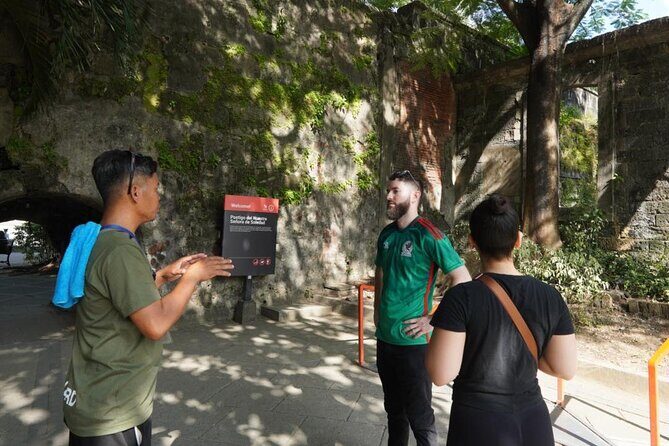
This experience requires good weather. If rain is likely, give yourself a little flexibility and don’t book this as your only option for that day.
It also asks for moderate physical fitness. That doesn’t mean you need to be an athlete, but it does mean you’ll be on your feet and walking through busy areas. Plan around that with comfortable footwear and a pace that matches your energy.
You’ll get a mobile ticket, so it’s smart to keep your phone charged. If you’re the kind of person who forgets chargers (I’m speaking to myself here too), bring a backup power source.
Who this tour is best for
This tour is a good fit if:
- You’re a first-time visitor and want a quick Manila orientation
- You care about history but still want real street life
- You like food-adjacent areas (Divisoria and Binondo are practical for that)
- You prefer small groups with time for questions
It may be less ideal if:
- You want long museum-style stops and deep time in one place
- You dislike markets and crowds
- You get tired quickly from continuous walking
If you’re visiting on a tight schedule, this one helps you avoid the common mistake of spending your first day only photographing. It gives you a storyline to carry with you.
Should you book the Manila: Intramuros, Chinatown, and Old Manila Half-Day Tour?
Book it if you want a smart first-day plan that connects Divisoria, Binondo, and Intramuros with guide-led explanations, and you’re okay with a fast 3-hour format.
Skip it or look for another option if you want to linger for longer in one neighborhood, or if you need fully included admission everywhere (since Binondo’s admission is not included). Also, if your day is unstable weather-wise, you might prefer to keep a backup plan, because this tour needs good weather.
My rule of thumb: if you’d rather understand the city than just pass through it, this half-day tour is a solid way to start.
FAQ
How long is the Manila Old Manila half-day tour?
It runs for about 3 hours.
Where does the tour start and where does it end?
The tour starts in Tondo, Manila, and ends at Fort Santiago in Intramuros.
How much does the tour cost?
The price is $75.00 per person.
Is admission included for all stops?
Divisoria Market and Intramuros are listed as free admission, but Binondo’s admission ticket is not included.
How big is the group?
The tour has a maximum of 15 travelers.
What happens if the weather is bad?
This experience requires good weather. If it’s canceled due to poor weather, you’ll be offered a different date or a full refund.