Manila can feel like a blur. This tight 2-hour guided loop turns that blur into real street scenes you can actually understand, with local food, a jeepney ride, and stops that go beyond the main roads. You’ll get to see how people live day-to-day in back alleys and side streets, including areas where bathing and eating can happen in the open.
I especially like the small group size (max 10), which makes it easier to ask questions and move at a human pace. I also love that the tour includes photography plus a hands-on focus on local routine—jerky market shopping, local coffee, and the kind of street stops that feel more like visiting friends than ticking boxes. One thing to consider: this is close to everyday life, so expect crowded places and some sights that may feel intense if you’re sensitive to how public spaces are used.
In This Review
- Key highlights that make this tour worth your time
- A 2-hour Manila loop that actually feels navigable
- Price and what you’re truly paying for (the $60 reality check)
- Meeting point basics: Tutuban Center, and a note about Santa Cruz Church
- First ride: the jeepney experience you can understand
- Stop 1: Divisoria Market for sensory street shopping
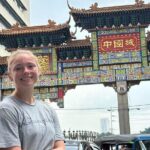
- Stop 2: Binondo, where food is the language
- Stop 3: Sto. Nino de Tondo Church as a cultural reset
- Between stops: seeing life off the bright lights
- Stop 4: Tutuban Mall for a calmer, practical contrast
- Stop 5: Metro Manila experiences and the human-scale finale
- Photography included: you get help framing the day
- Your guide makes the difference: Floyd and the mini karaoke moment
- Who this tour is best for
- Weather and timing: the small factors that can change your day
- Should you book this Manila local-life guided tour?
- FAQ
- How long is the Hidden Gems of Manila guided tour?
- How much does the tour cost?
- How big is the group?
- What transportation is included?
- What stops are included during the tour?
- Is photography included?
- What happens if the weather is bad or the tour can’t run?
Key highlights that make this tour worth your time
- Jeepney transport: the classic Manila way to get around, used as part of the experience rather than a photo prop.
- Divisoria-style shopping: an open-air market world where bargaining and snack-buying are part of the fun.
- Binondo food culture: a major area for eating, with guidance to help you find the local rhythm.
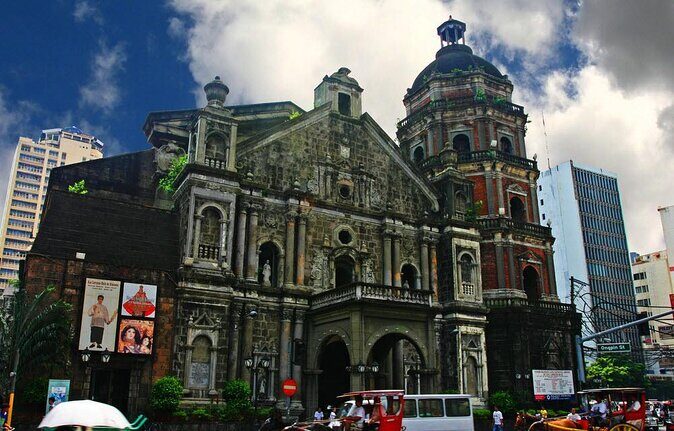
- Sto. Nino de Tondo Church: a meaningful cultural stop with a calmer change of pace.
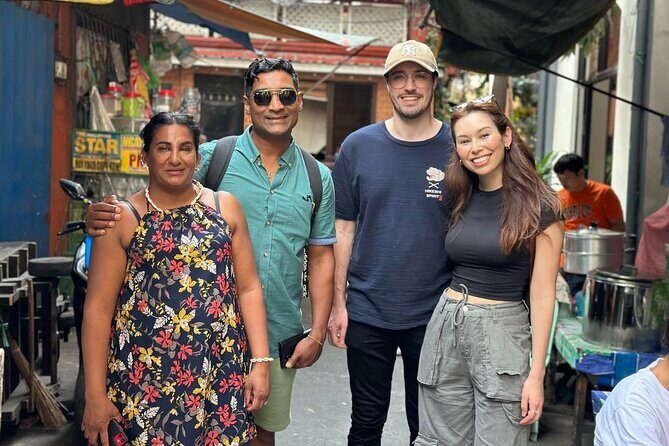
- Guide Floyd and the fun factor: one guest called out Floyd’s exceptional knowledge and mini karaoke moments that made the tour feel memorable.
- Practical wrap-up: you don’t just get dropped off; you get help finding the best and safest way back to your hotel.
A 2-hour Manila loop that actually feels navigable
This tour is short on paper—about 2 hours—but it’s built to help you get oriented quickly. Instead of trying to see everything, you focus on a handful of areas and real daily habits: riding a jeepney, buying food in an open market, and walking through neighborhoods where the street life is the point.
The small group matters more than you’d think. With a max of 10 people, it’s easier to keep moving, hear your guide, and avoid the long gaps that can happen on big tours. In a city like Manila, that “fast but not rushed” feel is a big part of why this works.
You can also read our reviews of more guided tours in Luzon


Price and what you’re truly paying for (the $60 reality check)
At $60 per person, you’re paying for more than sightseeing. You’re getting:
- an English-speaking guide who manages the flow through crowded places
- included photography support
- time to enjoy local coffee and food the way people actually eat it
- jeepney use as part of the route
- help at the end to find the best and safest way back to your hotel
If you’ve only got a day or two in Manila, that bundle is the value. You’re not trying to figure out which streets to trust or how to order food confidently; you have a local guide to reduce friction. The cost also tends to make sense because the experience stays compact—short time, high efficiency.
Meeting point basics: Tutuban Center, and a note about Santa Cruz Church
The official start is Tutuban Center in Tondo (the activity pin points there). The tour also mentions Santa Cruz Church as a simple landmark for meeting your guide. My practical advice: when you get your confirmation, double-check the exact meetup spot and go early enough to avoid stress in transit.
Also, because the start is near public transportation, you’re not locked into taxis. If your hotel is elsewhere, you can usually get yourself close first, then join the group without a big detour.
First ride: the jeepney experience you can understand
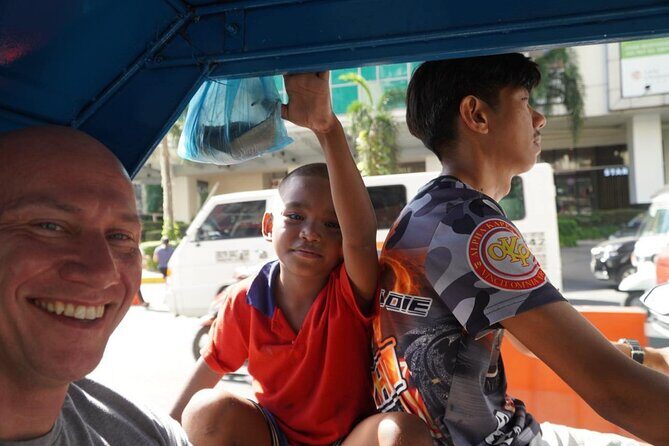
Your route uses the jeepney, Manila’s famous street transport. What’s smart here is that it’s part of the plan, not just a ride you squeeze in between attractions. You’ll see how it fits into the city’s daily movement, and your guide can help you interpret what you’re seeing as you go.
For you, that means the jeepney stops being a “weird bus” and becomes a practical tool for reading the city. And because this is only a short day segment, you’ll be less likely to feel overwhelmed trying to navigate it on your own.
A quick consideration: jeepneys are crowded and can move fast through busy areas. Wear shoes you can stand in, and don’t plan on doing any delicate shopping right before or after the ride.
Stop 1: Divisoria Market for sensory street shopping
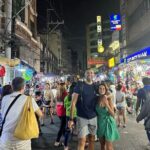
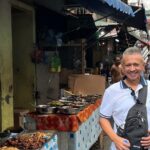
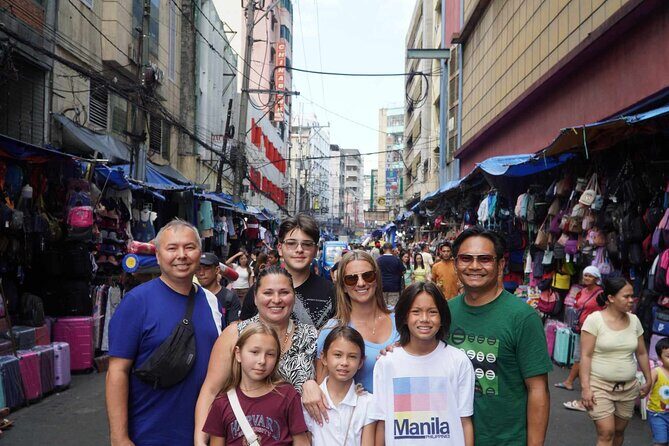
Divisoria Market is where Manila’s everyday hustle is on full display. This is an open, active shopping area where you’ll likely see people buying everything from snacks to household items, often with quick decisions and casual bargaining. The value of having a guide here is that you’re not just walking through noise—you’re shopping with context.
Here’s what you should expect:
- packed walkways and constant motion
- lots of small food stops and snack-style eating options
- a market rhythm where you move with the crowd
A drawback to plan for: it can be intense if you’re not comfortable in crowded places. If you get overstimulated easily, you’ll want to go at a steady pace and take short breaks when your guide offers them.
Stop 2: Binondo, where food is the language
From Divisoria, you head toward Binondo, one of Manila’s famous food neighborhoods. This stop matters because it shifts you from market buying into the bigger question: where does Manila actually eat, and how does that food culture show up in daily life?
With a guide, you’re not wandering hungry and guessing. You’re more likely to get the local coffee and food included in the plan, and you’ll learn what to look for and how to order confidently. This is especially useful if you want to try flavors you don’t already know.
The realistic consideration: Binondo areas can be busy, and food stops often mean you’ll be standing close to other people. If you’re traveling with mobility limits, keep that in mind and pace yourself.
Stop 3: Sto. Nino de Tondo Church as a cultural reset
Sto. Nino de Tondo Church is a change of pace. After the market and food energy, you get a more grounded setting where religion and community life are visible in the space itself.
Why it’s worth a stop even if you’re not a church-focused traveler: it adds meaning to what you’ve already seen. You’re not only watching daily commerce; you’re also noticing the cultural anchors people carry in their neighborhoods.
Practical tip: dress respectfully. Even if you’re not going into anything formal, you’ll still look better (and feel more comfortable) when your shoulders and legs aren’t overly exposed.
Between stops: seeing life off the bright lights
One of the most interesting parts of this tour is the way it goes away from the bright lights and cars. You spend time in back alleys and side streets, which is where Manila feels most like a lived-in place.
The tour specifically includes exploration of older apartment areas and spots where people may bathe and eat in the open. That’s not described as entertainment; it’s presented as real street life. If you’re the type who prefers clean, staged views, this part can feel uncomfortable. If you’re curious and respectful, it can also be the most eye-opening element of the whole day.
My advice: approach it like you’re learning how a community functions. Keep your curiosity gentle, don’t intrude into private moments, and follow your guide’s lead on where to stand, how to move, and what to photograph (and what not to).
Stop 4: Tutuban Mall for a calmer, practical contrast
Tutuban Mall is an intentional contrast. After side streets and market alleys, a mall setting gives your body a break and resets your senses.
Why your guide includes it: it helps the day feel balanced instead of one continuous surge of crowds and street noise. It can also serve as a reference point for your bearings, especially since the tour ends back at the meeting area.
If you want a small souvenir or a snack refresh, this is the sort of stop where you can do it without losing the group. Don’t expect the same street-market chaos here. It’s more structured.
Stop 5: Metro Manila experiences and the human-scale finale
The tour’s last segment is framed as exploring Metro Manila with a focus on everyday living in less-touristy conditions. This is where the apartment-life element connects back to the broader theme: Manila isn’t only traffic and landmarks. It’s homes, routines, food, and how people share space.
The ending is also practical. After your final walk, your guide helps you find the best and safest way back to your hotel. That’s a small detail, but it can save you real time. In a city where transit can be confusing, this kind of wrap-up is worth its weight.
Photography included: you get help framing the day
Photography is included as part of the experience. You’re not left on your own trying to capture everything while also navigating crowds and conversations.
This is especially helpful in the market and side-street sections, where good photos depend on knowing where to stand and when to move. Even if you’re just using your phone, having support is a real plus.
One note to consider: in residential or intimate street-life areas, photography etiquette matters. Your guide will help you focus on respectful shots, not just quick grabs.
Your guide makes the difference: Floyd and the mini karaoke moment
The standout praise from one guest was about Floyd, describing him as exceptional and full of detailed explanations. The same comment also mentioned fun mini karaoke sessions, which is the kind of human touch that turns a practical city tour into a story you’ll remember.
That kind of energy matters because Manila street days can be tiring. A guide who keeps things upbeat while still teaching you what you’re seeing makes the whole experience feel lighter.
Who this tour is best for
This tour is a strong match if you:
- want a real Manila experience without spending your whole day figuring logistics
- like street food and local markets
- enjoy neighborhood walking over museum-style stops
- benefit from an English-speaking guide in busy areas
It’s also a good choice for layover travelers and short-stay visitors who want meaningful context fast.
You should think twice if:
- you hate crowds and open-air market intensity
- you’re uncomfortable with public everyday life in residential areas
- you have limited stamina for moderate walking
The tour asks for moderate physical fitness, which usually means you should be ready to walk, stand, and keep moving through uneven, crowded spaces.
Weather and timing: the small factors that can change your day
The tour notes it requires good weather. That matters because open-air market areas and side-street walking don’t translate well into heavy rain.
Also, it’s the kind of tour people tend to book ahead. The average booking window is about 17 days, which tells me it’s not a last-minute-only option if you want a good slot.
Should you book this Manila local-life guided tour?
If you want Manila the way locals actually experience it, this tour is a solid bet. For $60 you’re buying guided navigation in crowded neighborhoods, included coffee and food, jeepney transport, and photography support, plus an end-of-tour plan for getting back safely. The small group limit makes it feel manageable, and the guide-led energy (Floyd’s mini karaoke highlight is a real example of that) can turn a street day into something fun.
Book it if you’re curious, okay with crowds, and respectful about street-life photography. Skip it if you want polished, quiet sightseeing or if public residential areas feel too intense.
FAQ
How long is the Hidden Gems of Manila guided tour?
It runs for about 2 hours (approx.).
How much does the tour cost?
The price is $60.00 per person.
How big is the group?
The tour has a maximum of 10 travelers.
What transportation is included?
You’ll ride a jeepney as part of the experience.
What stops are included during the tour?
Stops include Divisoria Market, Binondo, Sto. Nino de Tondo Church, Tutuban Mall, and Metro Manila areas.
Is photography included?
Yes, photography is included.
What happens if the weather is bad or the tour can’t run?
If it’s canceled due to poor weather, you’ll be offered a different date or a full refund. If the minimum number of travelers isn’t met, you’ll also be offered a different date/experience or a full refund.