REVIEW · LUZON
Express Bamboo Bike Tour inside Intramuros
Book on Viator →Operated by Bamb Ecological Technology Inc. · Bookable on Viator
Need a Manila shortcut that still feels real? This express bamboo bike tour is built for people with limited time, yet it still stops at major Intramuros landmarks with a local guide telling you how the place worked and why it mattered.
I love how everything is handled up front: you get a bamboo bicycle, a helmet, and help with choosing a bike that fits you. I also like the small-group feel, which keeps the ride lively but not rushed.
The main drawback is simple: this is an express format, so each stop is brief. If you want long time inside buildings or lots of off-route wandering, you may want a longer tour day plan too.
In This Review
- Key highlights you’ll care about
- Why this express bamboo bike tour works in Intramuros
- Starting at Bambike HQ and Casa Manila: fit, stories, then roll out
- Riding Muralla Street toward the Japanese Cannon
- Puerta Real Gardens and Puerta del Parian: gates with purpose
- Aduana Building and Plaza Roma: how power and planning show up
- Manila Cathedral in the middle of it all: what you’ll get in 15 minutes
- Price and value: is $22.40 actually a good deal?
- What’s provided, what’s not, and the small details that help
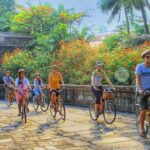
- The ride experience: small-group pace, quick stops, real momentum
- Who should book this express Intramuros bike tour
- Book it or skip it: my quick decision guide
- FAQ
- How long is the express bamboo bike tour in Intramuros?
- What’s included in the $22.40 price?
- Where do I meet for the tour?
- Is food or drinks included?
- Does the tour run in bad weather?
- How big is the group?
- Can children or service animals participate?
Key highlights you’ll care about
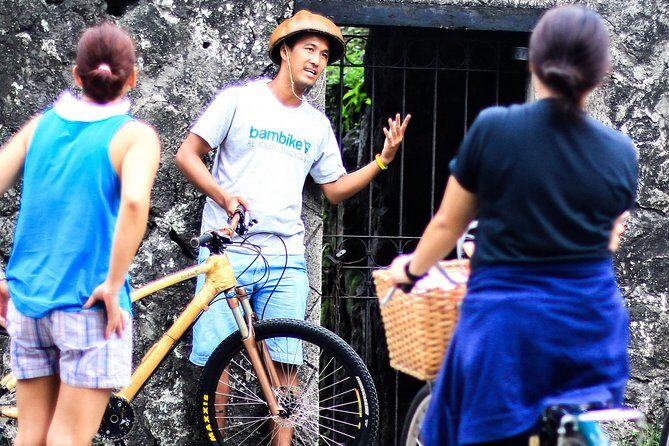
- Bamboo bicycles and helmets included so you can focus on the sights, not gear shopping
- Small group cap (15 people) for more personal attention and easier traffic-free riding
- Guided stops from Casa Manila to Manila Cathedral with story-led photo moments
- Weather-ready extras like sunscreen or rain ponchos if conditions turn
- Comfort-first bike choice at the start, after waivers are filled out
- Bonus extras may happen (cool towel and non-dairy ice cream have shown up on past runs)
Why this express bamboo bike tour works in Intramuros
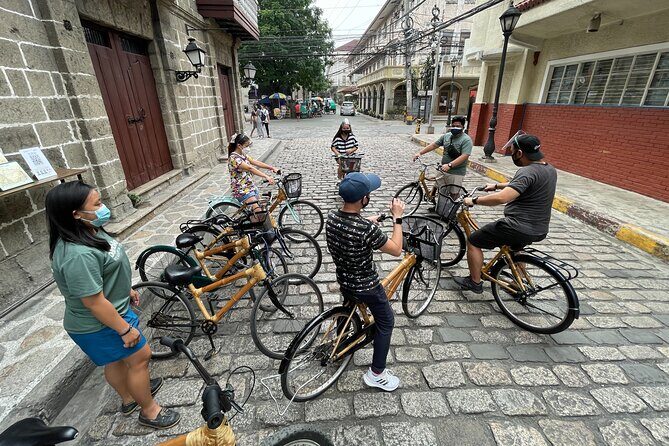
Intramuros is the kind of place where walking can feel slow, but sightseeing from a car can feel disconnected. This tour hits the sweet spot: you move at a fun pace on an eco-friendlier bamboo bike, while your guide keeps you oriented and explains what you’re actually looking at.
It’s also a smart choice for Manila when your schedule is tight. You get a guided route that touches the neighborhood’s most recognizable corners without spending your day hunting buses, entrances, and directions.
And yes, it’s still active. You’ll feel it in your legs, but it’s not a suffer-fest. The goal is an easy workout that adds energy to your sightseeing, not one more thing you have to recover from later.
You can also read our reviews of more tours and experiences in Luzon.

Starting at Bambike HQ and Casa Manila: fit, stories, then roll out
The ride starts at Bambike Ecotours Intramuros in the Casa Manila area. Before you go anywhere, you’ll fill out waivers and get a bike picked personally for you, based on preference and comfort. That matters more than you might think: getting the right bike setup helps your balance and keeps the trip enjoyable instead of tense.
Right away, the tour leans into context with Casa Manila. You’re not just seeing a pretty structure; you’re looking at a traditional house inspired by the architecture from the Spanish Colonial Period. Even if you’ve seen photos of Intramuros before, this stop helps you understand the mindset behind the buildings: form, function, and what colonial influence looked like on the ground.
Practical note: since this is an express tour, the timing is efficient. You’ll be ready to go quickly, but you’re still getting real orientation before the ride moves deeper into Intramuros.
Riding Muralla Street toward the Japanese Cannon
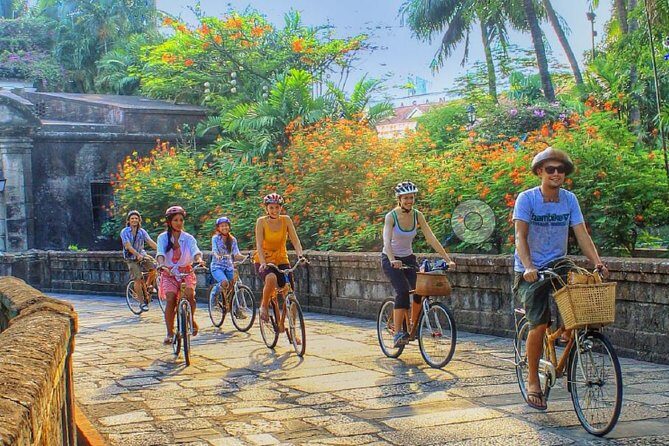
Once you’re rolling, you head along Muralla Street and stop at the Japanese Cannon. This isn’t treated like a random photo stop. Your guide explains the history tied to the Japanese Occupation in the Philippines and what that connection means in the larger story of World War II.
What I like about this kind of stop is that it gives you a mental map of cause and effect. You’re not collecting dates. You’re learning why certain structures and locations show up where they do, and how Intramuros reflects the layers of the city’s past.
You also get that real “moving through the neighborhood” feeling. On foot, you might miss how the street lines and walls shape the experience. By bike, you notice the layout faster, so the stories land more clearly.
Puerta Real Gardens and Puerta del Parian: gates with purpose
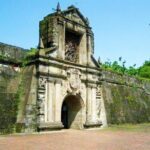
Intramuros gates aren’t just decorative. They were built to control movement, protect people, and strengthen defenses. The tour shows that idea at Puerta Real Gardens, where you explore one of the main gates and hear about the Spaniards’ defense fortification strategy beyond the walls.
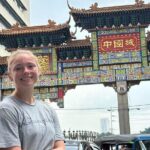
Then it shifts again at Puerta del Parian, another major gate and plaza area. This stop focuses on the significance of Chinese people and their influence in Philippine history. It’s a reminder that Intramuros was never only about one group or one culture. You’re seeing how communities interacted through trade, settlement patterns, and everyday life.
The drawback here is also the nature of the format. You get enough time to absorb the key points, but you won’t have long, slow wandering time. If you love reading every plaque and taking your sweet time, you’ll want to come back later.
Still, as an introduction, it’s strong. You leave with a better sense of how gates functioned like checkpoints for a whole system.
Aduana Building and Plaza Roma: how power and planning show up
Next you visit the Aduana Building, also known as the Intendencia. This Spanish colonial structure housed several government offices through the years. In other words, you’re standing where decisions were made, not just where tourists pose.
This stop works best if you pay attention to how the building fits into the broader government and defense theme. Your guide ties it back to what Intramuros was meant to do: manage people, manage resources, and keep control.
Then you roll to Plaza Roma. Your guide explains the history of one of Intramuros’ public plazas and the establishments around it, including Manila Cathedral as a key center. It’s the kind of explanation that makes the plaza feel less like an empty open space and more like a civic stage where different parts of life met.
Even with short stop time, the “why it matters” part lands. You’ll start seeing the neighborhood as planned space, not just a collection of monuments.

Manila Cathedral in the middle of it all: what you’ll get in 15 minutes
Manila Cathedral is the emotional and cultural center for many visitors, and this stop leans into that. You’ll visit the heart of Christianity in the Philippines and learn about the church’s history and what you can see inside.
For many people, the big win here is timing. Fifteen minutes inside can’t replace a long church visit, but it’s enough to orient you: where to look, what details to notice, and how the building connects to Intramuros as a whole.
I also like how the tour positions the cathedral after Plaza Roma. It makes the relationship click: plaza to cathedral to civic life. You understand the layout instead of just checking off another landmark.
Price and value: is $22.40 actually a good deal?
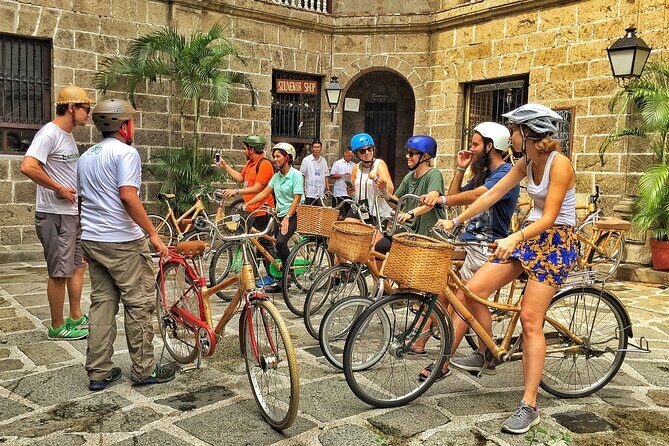
At $22.40 per person for about two hours, this isn’t a budget-buster. It’s also not just a “ride.” You’re paying for a local guide, bike and helmet use, and weather-minded extras like sunscreen or rain ponchos when needed.
The value improves because the route is efficient. You’re not spending a big chunk of your trip figuring out how to connect multiple Intramuros highlights. The tour concentrates your time around major landmarks and tells you what they mean while you’re there.
A second value point is the bike handling. The tour includes help with waivers and personal bike selection at the start, which reduces friction. That’s especially useful if you’re not used to cycling in tight urban areas.
What you should plan for: food and drinks are not included (unless specified). Alcohol is available to purchase, but it’s not part of the tour package. If you want an early meal, bring something light or plan a separate stop after the ride.
What’s provided, what’s not, and the small details that help
You’ll have a guide and a tour escort/host with you. You’ll also have your bamboo bike and helmet sorted. On top of that, you get sunscreen or rain ponchos when needed, which is a bigger deal in Manila than many people expect.
I also appreciate the practical extras that have shown up on past runs, like mosquito repellent and drinking water being prepared. You might not get every single item every time, but the mindset is clear: they’re not just sending you out on a bike and hoping for the best.
Two nice touches from past experiences are a cool towel and non-dairy ice cream at the end. If those are offered on your day, they turn the tour into a complete activity, not just a ride between landmarks.
One more detail: the tour uses a mobile ticket. That helps you avoid last-minute printing headaches.
The ride experience: small-group pace, quick stops, real momentum
The group cap is 15, which keeps the ride manageable. You’re not stuck waiting for a long line, and you’re not pushed into a chaotic, multi-file parade either.
Guides like Anj and Josh are highlighted for being friendly and informative, and that matters on an express tour. When the stop times are short, your guide’s clarity becomes the difference between random sightseeing and a meaningful route.
Expect humor and trivia along the way, which is honestly a smart way to remember history without making it feel like a lecture. If you enjoy active learning, this style works well.
Just keep your expectations realistic: you’re getting a strong sampler, not a full day seminar. You’ll leave with key context and photos, then you can choose what deserves a second visit.
Who should book this express Intramuros bike tour
This is a great fit if you:
- want a workout plus major sightseeing in a tight schedule
- like guided explanations but don’t want to spend hours wandering alone
- want a small-group experience where you can ask questions
- are comfortable riding a bicycle for a couple of hours
It’s also a good choice for people who feel overwhelmed by Intramuros logistics. The meeting point is in the Real Street area inside Intramuros, and the route is built to come back to the same point.
If you prefer slow travel and long indoor time at every site, you might find the express stop lengths limiting. In that case, look for a longer tour option or plan a follow-up visit to the cathedral or gates at your own pace.
Book it or skip it: my quick decision guide
Book this if you want an efficient, guided intramuros introduction that mixes movement and context. At $22.40, the included bike, helmet, local guide, and weather-ready items make it feel like a real activity rather than a bare-bones rental.
Skip it if your ideal day is spending lots of time inside buildings and taking photos without any time pressure. This tour is designed for momentum, so if you freeze at every gate and museum, you might feel the pace pinch.
Still, for most first-timers with limited time, this kind of bike tour is exactly the right tool. It gets you oriented fast, and it helps you decide what to explore later.
FAQ
How long is the express bamboo bike tour in Intramuros?
It runs for about 2 hours (approx.).
What’s included in the $22.40 price?
The tour includes a local guide, tour escort/host, use of a bamboo bicycle and helmet, and sunscreen or rain ponchos when needed. Gratuities are also included.
Where do I meet for the tour?
The tour starts at Real St, Intramuros, Manila, and it ends back at the same meeting point.
Is food or drinks included?
Food and drinks are not included unless specified. Alcoholic drinks are available to purchase.
Does the tour run in bad weather?
It operates in all weather conditions, but the experience requires good weather. If it’s canceled due to poor weather, you’ll be offered a different date or a full refund.
How big is the group?
The tour has a maximum of 15 travelers.
Can children or service animals participate?
Children must be accompanied by an adult. Service animals are allowed.