REVIEW · LUZON
Manila’s Walled City: Intramuros Walking Tour
Book on Viator →Operated by Don't Skip Manila · Bookable on Viator
Intramuros feels like a time machine, and this 3½-hour route turns Manila’s old walls into a story you can actually follow: Malay, Spanish, American, and Japanese eras, plus pre-colonization peoples and Dr. José Rizal. I love how the tour packs major walled-city landmarks into one walk, and I also like that you get an English-speaking local guide to connect the dots.
One possible drawback: a few stops are churches and selected museums with a strict dress code. Skip mini-shorts and sleeveless tops, or you may be refused entry at the very moment you want those photos.
In This Review
- Key things that make this Intramuros tour worth your time
- Why Intramuros needs a guide (and why this route works)
- The 3½-hour flow: what your day looks like in practice
- Fort Santiago: from defensive fortress to the start of Manila’s story
- Rizal Shrine: José Rizal’s prison chapter (and why it hits)
- Manila Cathedral: a free stop with good payoff
- Memorare–Manila 1945 Monument: where the tour remembers the modern turning point
- San Agustin Church and Casa Manila: church art plus colonial daily life
- San Agustin Church (UNESCO site)
- Casa Manila (how colonial life actually looked)
- Kalesa or tranvia ride: a smart rest that also changes your perspective
- Snacks, bottled water, and staying comfortable in the tropical heat
- Price and value: is $35 fair for 3½ hours in Intramuros?
- Who should book this Intramuros walking tour?
- Should you book this Intramuros walking tour?
Key things that make this Intramuros tour worth your time
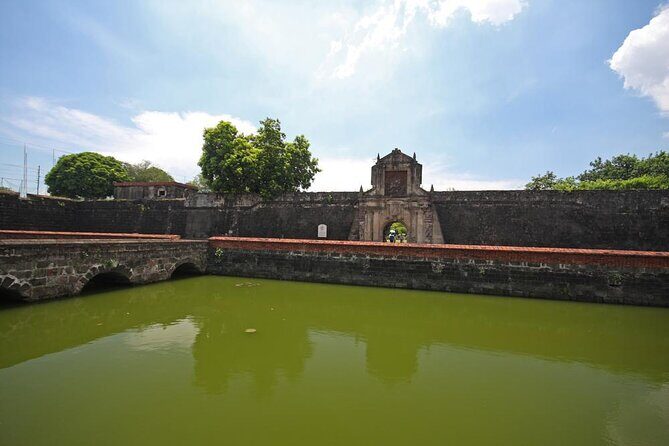
- Fort Santiago and Rizal Shrine tickets included for two big history stops
- San Agustin Church (UNESCO site) as a quick, high-impact visit
- Kalesa or tranvia ride to rest your legs while still seeing the walls
- Memorare–Manila 1945 Monument to understand the city’s modern turning point
- Casa Manila to compare how colonial life looked from the inside
- Small group size (max 30) for an easier pace and more chances to ask questions
Why Intramuros needs a guide (and why this route works)
Intramuros is one of those places where the streets look simple, but the layers underneath are not. Without context, you can walk past walls and churches and just see stone. With the right guide, you start noticing why each site matters: what it guarded, who lived there, what changed after wars, and how Manila’s identity kept shifting over centuries.
This tour is built for that “layer-by-layer” understanding. It threads the story through major anchors you’d otherwise bounce between on your own—Fort Santiago for the Spanish-era power center, Rizal’s prison and shrine for the national hero’s last chapter, then the religious and daily-life sites that show how colonization shaped everyday routines.
And it keeps you moving at a human pace. With a moderate amount of walking and a structured sequence of stops, you don’t get the common first-timer problem of seeing only the highlights and missing the meaning.
You can also read our reviews of more walking tours in Luzon

The 3½-hour flow: what your day looks like in practice
The tour runs about 3 hours 30 minutes and gives you a choice of morning or afternoon departures. That flexibility is more useful than it sounds in Manila, where heat and crowds can vary a lot by time of day.
You’ll start at 1 Sta. Clara St, Intramuros, Manila and work your way through the walled area. The walk is broken into time-boxed stops:
- Fort Santiago first (about 1 hour)
- Rizal Shrine (about 30 minutes)
- Manila Cathedral (about 20 minutes, and it’s free entry)
- Memorare–Manila 1945 Monument (about 20 minutes, free)
- San Agustin Church (about 15 minutes, free)
- Casa Manila to wrap up (about 30 minutes, ticket included)
That structure is a big part of the value. You’re not left trying to plan routes between sites, and you’re not stuck at one stop so long that the rest of Intramuros turns into a blur.
Also, the group size caps at 30 people, which helps keep the pace manageable. You get a more personal experience than the super-mass group tours that turn into a stampede.
Fort Santiago: from defensive fortress to the start of Manila’s story
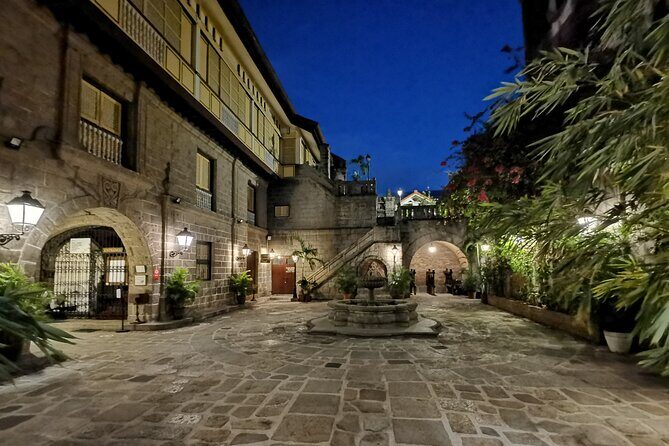
Fort Santiago is usually the first real “aha” moment in Intramuros. This citadel traces back to the Spanish navigator and governor Miguel López de Legazpi, built to help establish the new city of Manila. In other words, it’s not just a scenic ruin—it’s a starting point for understanding how Manila was organized, defended, and controlled.
What I like about starting here is the mental map it gives you. When you’re in and around the fort, it becomes easier to understand why later sites are located where they are, and why the Spanish colonial design still shapes what you see today.
The tour includes an admission ticket for this stop. That matters because it keeps you from juggling payment and timing on the spot—especially helpful when you’re dealing with weather, queues, or simply the logistics of hopping across a walled district.
Rizal Shrine: José Rizal’s prison chapter (and why it hits)
If Fort Santiago sets the historical stage, Rizal Shrine makes the story personal.
José Rizal, the Philippine national hero, was imprisoned here before his execution in 1896. The site includes a museum that displays memorabilia connected to him. Even if you already know the basics, this stop tends to make the timeline more concrete—because you’re standing inside the place tied to that final phase of his life.
The tour includes admission here as well, and it’s scheduled for about 30 minutes. That timing is smart: long enough to take in the key exhibits, but short enough that you’re not exhausted before the most beautiful church stop comes up next.
One more detail you’ll likely appreciate: guides often use simple visual aids to keep the story straight. In past groups, guides such as Andre and Ann have been praised for their clear explanations and humor, plus a visual aid booklet that helps you connect names, dates, and locations without feeling like you’re taking a history exam.
Manila Cathedral: a free stop with good payoff
You’ll spend about 20 minutes at Manila Cathedral (Catedral de Manila / Immaculate Conception), and the entry is free.
This stop works well as a breather. You get architecture and atmosphere without a ticket line or extra cost. It also acts like a pivot point: after Fort Santiago and Rizal, the cathedral helps you shift from political and personal history to the role of faith in colonial life.
Dress code is important here. The tour info is explicit that places of worship and selected museums require respectful clothing (no mini-shorts or sleeveless tops). If your plan is flexible, pack for hot weather but still cover appropriately.
You can also read our reviews of more city tours in Luzon





Memorare–Manila 1945 Monument: where the tour remembers the modern turning point
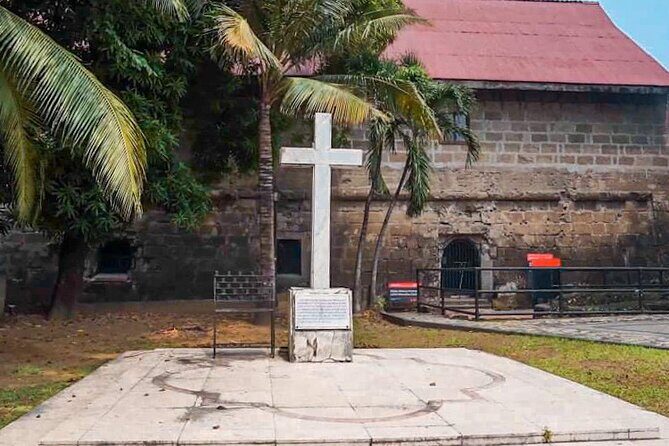
Not all Intramuros history is centuries-old. The Memorare – Manila 1945 Monument is a reminder of the battle for the liberation of Manila, fought by Filipino and American forces against Imperial Japanese troops.
This stop lasts about 20 minutes and has free entry. It’s brief, but it gives the tour a needed emotional and historical range. Without this, you might walk away thinking Intramuros is only about Spanish-era structures. With it, you understand the city’s story also includes the trauma and rebuilding tied to World War II.
If you like history that connects past to present, this is the moment that adds weight.
San Agustin Church and Casa Manila: church art plus colonial daily life
This is the heart of the “see it, then understand it” part of the tour.
San Agustin Church (UNESCO site)
You’ll visit San Agustin Church (also tied to the Immaculate Conception Parish). The church is documented as completed in 1607, and it’s recognized by UNESCO as part of the Baroque Churches of the Philippines.
The stop is about 15 minutes and is free entry. Short as it is, it’s often one of the most memorable parts of the route because you’re not just looking at a building—you’re looking at a place that has outlasted multiple regimes and survived long enough to be preserved.
Again: dress code matters. Plan clothing that keeps you cool but still respectful for worship spaces.
Casa Manila (how colonial life actually looked)
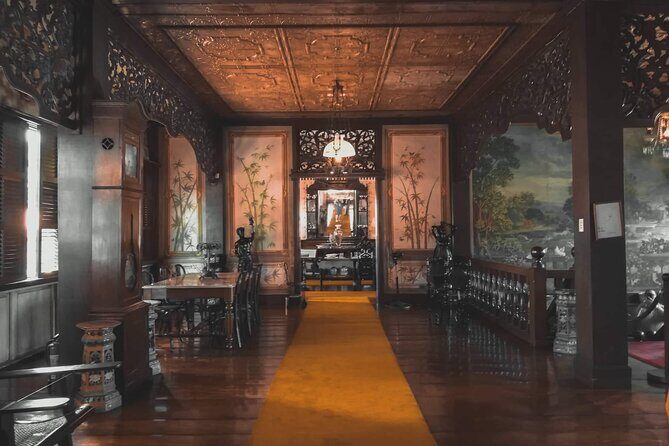
After the church, you’ll finish with Casa Manila, a museum showing colonial lifestyle during Spanish colonization. The building is described as a grand stone-and-wood structure around 1850.
This stop lasts about 30 minutes and includes admission. That timing is good: museums work best when you’re not already running on low energy.
Casa Manila is where the tour often clicks for first-timers. History stops being a list of dates. You start picturing what daily life might have felt like—the routines, the household style, the social contrast between eras.
Kalesa or tranvia ride: a smart rest that also changes your perspective
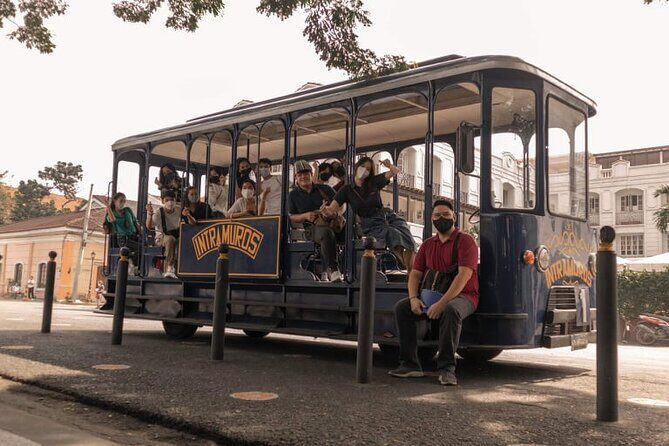
Right after the cathedral and the monument stop, the tour adds a short ride around Intramuros using either a kalesa (horse-drawn carriage) or tranvia (tram), depending on what’s available.
This isn’t just a fun break. It also changes how you see the walls. When you’re walking, you focus on entrances and turns. From a ride, you notice the bigger layout—how the district holds itself together and how the streets curve within the walled boundary.
Plus, the ride makes the tour more forgiving in the heat. You’re still getting the sights, but you’re not spending every minute on your feet.
Snacks, bottled water, and staying comfortable in the tropical heat
The tour includes bottled water and snacks, which is exactly what you want for a half-day walk in Manila. If you’ve ever done city walks in humid weather, you already know that energy dips fast. Having water and light snacks built into the plan keeps you from hunting for something last-minute.
The snack situation can also be pleasantly local. In earlier groups, people have praised street-vendor treats such as taho and ice cream as part of the experience. Even if the exact item varies, the point is the tour doesn’t leave you hanging.
What to wear:
- comfortable clothing for a tropical climate
- supportive shoes for uneven sidewalks and short museum/courtyard walks
- something you can layer or adjust to meet the no sleeveless tops / no mini-shorts rule at worship spaces
Price and value: is $35 fair for 3½ hours in Intramuros?
At $35 per person, you’re paying for more than a guided walk. You’re getting:
- an English-speaking local guide
- bottled water and snacks
- timed admission coverage at key stops (including Fort Santiago, Rizal Shrine, and Casa Manila)
- a ride component (kalesa or tranvia) around the walled city
- a planned route with a small group cap (max 30)
- plus the practical benefit of a mobile ticket and group discount options
If you were to replicate this yourself, you’d spend time figuring out ticket windows, mapping routes between Fort Santiago, Rizal Shrine, the cathedral area, and Casa Manila, and trying to fit it all into one sensible afternoon. The tour value is in reducing friction. You show up, follow the flow, and spend your energy on the places that matter.
For history lovers, the included admissions can make the cost feel especially fair, since those sites usually aren’t free in the way that some other monuments are.
Who should book this Intramuros walking tour?
This is a great match if you:
- want a clear “from Spanish era to later chapters” explanation without doing homework
- like guided storytelling that connects ruins and buildings to real people, especially José Rizal
- prefer a small group pace and a route that doesn’t sprawl across the whole city
- want a half-day plan that includes both big sights and smaller emotional stops like the Manila 1945 monument
Families can also do well here. The walking is described as moderate, and in past groups the pace has worked for people bringing kids alongside teens. If you have very young children or someone who tires quickly, you’ll still want comfortable shoes and a flexible mindset—but the structured stops help.
Should you book this Intramuros walking tour?
Yes, if your goal is understanding Intramuros, not just checking boxes. The combination of Fort Santiago, Rizal Shrine, the UNESCO-class San Agustin Church, and Casa Manila gives you a full picture: political power, personal sacrifice, religious life, and how colonization shaped daily routines.
Book with extra care if you’re close to the edge on clothing rules. The tour is strict about entry into worship spaces and selected museums, and that’s the one thing that can spoil the day if you show up in the wrong outfit.
If you want a practical way to experience old Manila without turning it into a DIY puzzle, this tour is a strong bet.