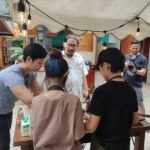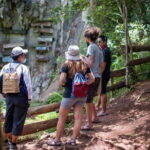
Tondo’s side streets teach the real Manila rhythm. This walking tour is built for day-to-day culture: you’ll ride an iconic jeepney/tricycle, then walk into older neighborhoods where daily routines spill into the street life you’d usually miss. I also like the wet market stop, because it’s practical shopping you can actually use after the tour. One thing to consider: food tasting isn’t included, so plan on buying snacks or coffee on your own if you want to eat as you go.
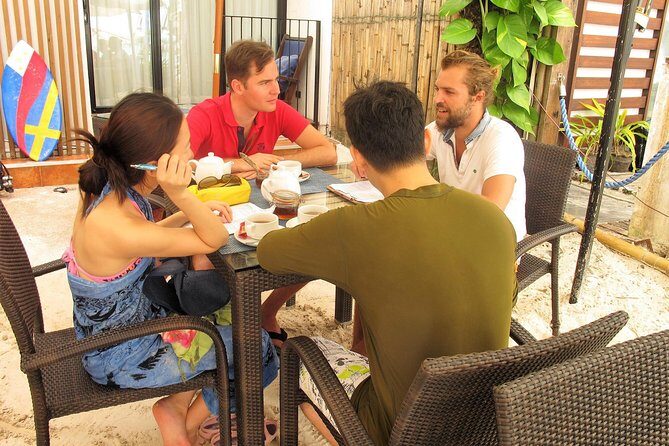
If you get a guide like Mari, you’ll feel the route is guided by real local knowledge, not a script built only for photos. With a small group (up to 10 people) and a start point in Binondo near public transit, it’s an easy way to get oriented fast and move through Manila at walking speed.
In This Review
- Key things that make this tour worth your time
- Where the walk starts in Binondo, and why that matters
- First taste of local life: jeepney and tricycle transport
- Walking toward Chinatown alley: street scenes, not main-road sightseeing
- Street food on the route: what you can explore without tastings
- Old buildings and structures connected to 1595
- The wet market stop: housewares, clothes, fruits, and everyday shopping
- Old apartments, open-air habits, and back-alley routines
- Coffee and cuisine time: plan your own bite since tastings aren’t included
- The price of $55: what you’re really getting for a short tour
- What the small-group size changes in a good way
- Safety, comfort, and weather: the real constraints
- Who this tour fits best (and who should skip it)
- Should you book this tour?
- FAQ
- How long is the tour?
- Where does the tour start?
- How many people are in the group?
- What is included in the price?
- Is food tasting included?
- Does the tour include local transportation like a jeepney?
- Is there a mobile ticket?
- What happens if the tour is canceled due to poor weather?
- Can I get a full refund if I cancel?
Key things that make this tour worth your time
- Jeepney and tricycle ride: local transport early, so you’re in the right mindset before you start walking.
- Chinatown alley walking: you’ll see street-level Manila rather than just main roads.
- Street food variety, explained: you can browse what’s sold and what locals tend to order, even without tastings.
- Old structures linked to 1595: the guide points out some of the oldest building layers you’d otherwise never notice.
- Wet market shopping stop: housewares, clothes, fruits, and produce under one roof.
- Small group size: max 10 people keeps the pace human.
Where the walk starts in Binondo, and why that matters
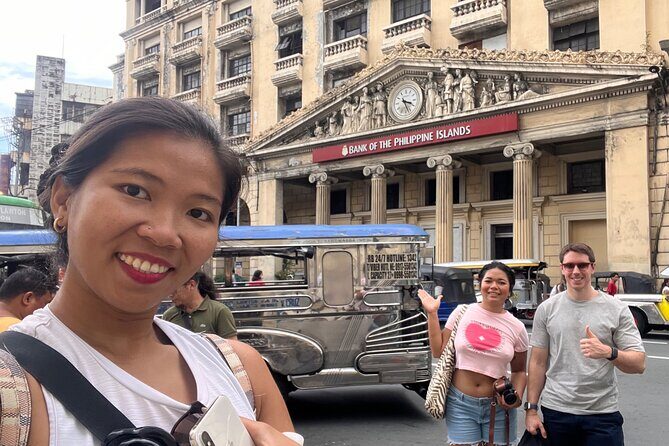
The meeting point is 1919 Grand Cafe on Juan Luna Street in Binondo. Starting here is smart: Binondo is close to Chinatown activity, and it’s easy to reach with public transportation, which helps when you’re planning a short, focused 2-hour experience.
This tour also returns to the same meeting point. That’s a big deal in Manila, where “one more stop” can quietly turn into a long detour. Here, you get a tight loop, with local streets and local stops, without needing to figure out logistics on the fly.
You can also read our reviews of more guided tours in Luzon


First taste of local life: jeepney and tricycle transport
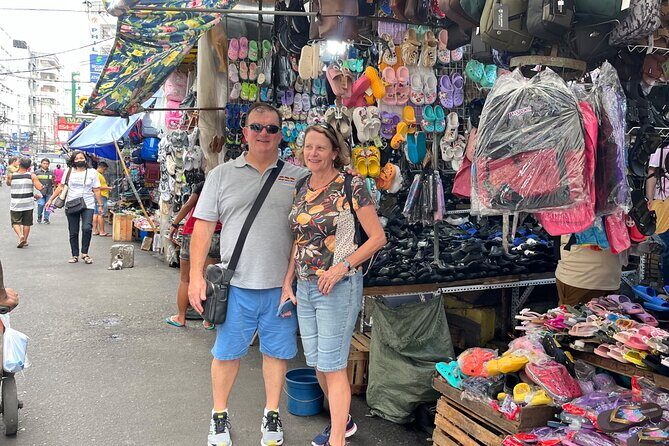
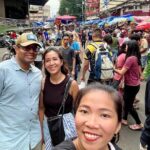
One of the best value parts is that local transport is included. You’ll ride the jeepney and/or a tricycle, depending on how the route is set that day.
Why this matters: jeepneys aren’t just a photo moment. They’re how people move through the city’s rhythms, and you’ll feel that from the first minutes. It also gives your legs a small break before the walking portion, which is helpful for anyone who wants a culture tour but still wants comfort.
Walking toward Chinatown alley: street scenes, not main-road sightseeing
The route begins with a walk into the area people associate with Chinatown alley life. Expect side streets, storefront edges, and the kind of everyday movement you only catch when you’re walking rather than riding in a vehicle.
This part works especially well if you want to understand how Manila neighborhoods connect. You’re not just looking at landmarks; you’re seeing how people shop, pass by, and live close to where commerce happens.
Practical note: this is a walking tour, so wear shoes you’re comfortable with on uneven sidewalks and busy corners. Manila can move fast, and the tour pace is built for being out on foot.
Street food on the route: what you can explore without tastings
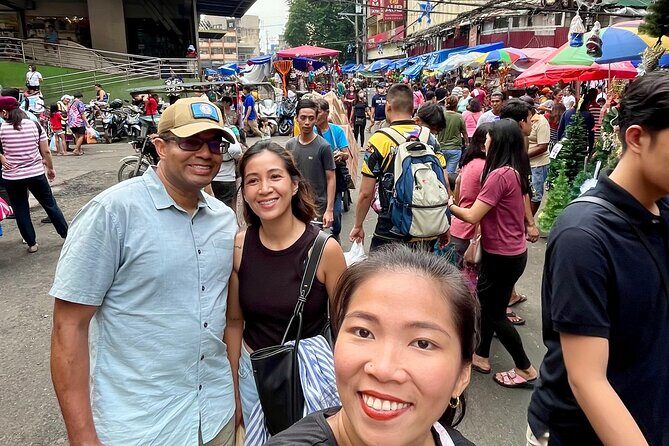
You’ll spend time exploring different types of street food. That does not mean you’re guaranteed a food tasting included in the price, though—food tasting is specifically listed as not included.
So here’s how to use this stop well:
- Treat it like a guided street-food orientation. You’ll learn what’s being sold and how locals approach it.
- Come with a decision mindset. If something looks good, you can buy it yourself, then keep walking with the group.
This approach can actually be better for some people. You get the learning value without being forced into a taste you don’t want. If you’re picky, you’re not stuck.
Old buildings and structures connected to 1595
One stop focuses on some of the oldest building layers, including structures associated with 1595. This is the sort of detail that doesn’t show up on a standard postcard itinerary, because the “old” here isn’t always in one tidy, famous monument. It’s often in the way the neighborhood developed, in long-standing building patterns, and in what you can still see when you look closely.
What you should look for during this stretch:
- Building age clues: older materials, worn facades, and construction that feels built to last.
- Street-level context: how people use the ground floor and what’s happening right outside the structure.
The bonus is that the guide can translate what you’re seeing into real meaning, so it stops being random sightseeing and starts feeling like a story you understand.

The wet market stop: housewares, clothes, fruits, and everyday shopping
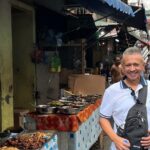
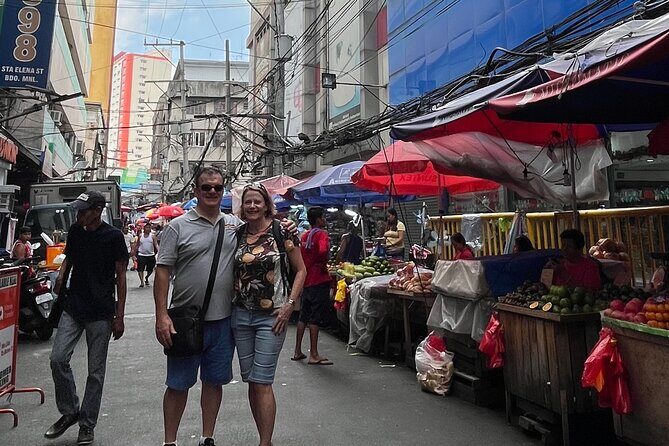
Next comes a shopping market walk that includes housewares, clothes, fruits, and a traditional open wet market. This is where the tour shifts from “watching” to “doing,” because you can browse items you might actually want or need.
The value here is straightforward: wet markets often offer good prices and a wide mix of daily goods. If you’re the type who likes buying practical souvenirs—things you’ll use when you get home—this is the portion to pay attention to.
Also, markets show you local life in a different way than street-food stalls. Here, you’re seeing how families shop for produce, how daily purchasing works, and how the market fits into the neighborhood.
Tip: bring a little cash in small bills just in case, since market pricing can be easier that way. Keep your phone and valuables secure while you browse.
Old apartments, open-air habits, and back-alley routines
One of the tour’s core themes is stepping into older apartment life, where daily routines can spill into open-air spaces. Depending on what’s happening, you may notice open-air bathing and dining areas—part of how some households live around shared outdoor spaces.
This section is meaningful because it’s not staged. It’s close to how people actually manage daily life in dense neighborhoods: food, washing, and routines that don’t require a “tourist” setting.
Important mindset: you’re a visitor in someone else’s daily environment. Keep your voice low, ask questions respectfully, and follow the guide’s lead. If the group gets close to private areas, pause and let the guide handle the situation. That’s how you keep the experience respectful.
Coffee and cuisine time: plan your own bite since tastings aren’t included
The tour is designed around local cuisine energy, including coffee. But since food tasting is not included, think of it like this: the walk builds in moments that make it easy to grab a coffee or snack where locals do, but you’ll be paying for what you eat.
If you want to get the most out of this part, decide early what you want your budget to cover. Then when the group pauses, you can order confidently without scrambling for money or options.
If you’re sensitive to strong smells or crowded spaces, keep an eye on the pace. Market and alley areas can get busy, and you’ll want to stay comfortable so you can enjoy the culture instead of rushing through it.
The price of $55: what you’re really getting for a short tour
At $55 per person for about 2 hours, the price makes sense if you look at what’s included. You get bottled water and a welcome drink, plus local transportation via jeepney/tricycle, and a photo-shot. You’re also paying for local guidance that connects the dots between alleys, old structures, markets, and daily routines.
What’s not included is food tasting, which keeps the tour flexible for different eating preferences. If you’re someone who likes to sample everything, you’ll spend extra. If you’re not hungry, you can keep costs tighter.
Also, this is a small-group experience with a maximum of 10 people. Small group tours cost more to run, and here you’re paying for that intimate pace rather than a big bus tour feel.
One more practical point: it’s often booked about a month in advance on average. If your trip timing is fixed, booking early is the easy way to avoid disappointment.
What the small-group size changes in a good way
A max group size of 10 people might sound like a number, but it changes the feel:
- You’re less likely to get stuck waiting while someone takes a long photo.
- Your guide can keep attention on what matters—where to look, what you’re seeing, and how to move safely in tighter streets.
This also helps with questions. If you’re curious about daily life, language, or shopping culture, a smaller group gives you better access than a crowd.
Safety, comfort, and weather: the real constraints
The tour requires good weather. That’s because you’re walking through outdoor areas and market sections. If rain moves in, your tour will be handled differently (you’ll be offered another date or a full refund).
For comfort, pack simple basics: water, sun protection, and shoes that handle foot traffic. The tour includes bottled water and a welcome drink, but you’ll still want to keep yourself comfortable for the walking portion.
If you’re someone who doesn’t like crowded streets, you can still enjoy this tour—just keep your pace steady and let the guide manage the tight sections.
Who this tour fits best (and who should skip it)
This tour fits best if you want Manila that feels lived-in:
- You like walking and learning through neighborhoods.
- You want a jeepney/tricycle ride as part of the experience, not just a stop.
- You’re interested in markets and everyday shopping patterns.
- You enjoy understanding older city layers, like structures tied to 1595.
Skip it if you want a classic “big sights” checklist in 2 hours. This is a culture and daily-life walk, not a monuments-only sprint. It also isn’t a food tasting package, so if you want a guaranteed meal experience, you’ll need to plan extra purchases.
Should you book this tour?
I’d book it if you want a short, guided way to see how people actually move, shop, and live in older Manila districts. The included transport, drinks, small group size, and the wet market stop give you solid value, especially when you’re trying to understand the city beyond the main tourist circuit.
I would hesitate only if you dislike walking in outdoor market and alley areas, or if you were expecting food tastings to be part of the package price. If that’s you, you can still go for the culture—just budget for coffee and snacks yourself.
If your schedule is tight, remember it tends to book ahead and the weather matters, so lock it in early and keep your footwear comfortable.
FAQ
How long is the tour?
It lasts about 2 hours.
Where does the tour start?
The meeting point is 1919 Grand Cafe, 117 Juan Luna St, Binondo, Manila, 1006 Metro Manila, Philippines.
How many people are in the group?
The tour has a maximum of 10 travelers.
What is included in the price?
It includes bottled water, a welcome drink, local transportation (jeepney/tricycle), and a photo-shot.
Is food tasting included?
No. Food tasting is not included.
Does the tour include local transportation like a jeepney?
Yes. Local transport (jeepney/tricycle) is part of the experience.
Is there a mobile ticket?
Yes. It includes a mobile ticket.
What happens if the tour is canceled due to poor weather?
You’ll be offered a different date or a full refund.
Can I get a full refund if I cancel?
Yes. You can cancel up to 24 hours in advance for a full refund.