REVIEW · MAKATI
Makati: Hands on Manila Cooking Class
Book on GetYourGuide →Operated by Explore Manila Tours · Bookable on GetYourGuide
Food lessons in Manila smell amazing. You get a small-group, hands-on meryenda class in Makati with Chyl, and I really like how she teaches step-by-step while sharing Filipino culture and food origins. I also like the pace and setup: you cook, taste, and end up with a lot of food. One catch: it happens in an outdoor courtyard, so weather can affect comfort.
At $60 per person for 2 hours, it’s a focused class with ingredients and equipment provided, plus a non-alcoholic drink. Hotel pickup is not included, so you’ll need to plan your own ride and arrive at the right spot: the outdoor courtyard in front of the coffee kiosk.
This one works best for older kids and adults. It’s wheelchair accessible, the instructor teaches in English, but it’s not suitable for children under 9 and it isn’t set up for visually impaired guests.
In This Review
- Key highlights you’ll actually care about
- Makati meryenda class: what you make in 2 hours
- Your kitchen station in the courtyard setup
- The recipes: pancit-like noodles, lumpia spring rolls, and turon sweets
- Noodle dish (often pancit-style)
- Lumpia spring rolls
- Turon or banana-style sweet
- Why Chyl’s stories change how you cook
- Is $60 worth it? Value in Manila terms
- Logistics that make or break your afternoon
- Who should book, and who should skip
- Should you book this Makati cooking class?
- FAQ
- How long is the cooking class in Makati?
- What is the price per person?
- Where do I meet the instructor?
- Is hotel pickup included?
- What’s included in the class?
- What should I bring?
- What dishes will I learn to make?
- Is the class wheelchair accessible, and is it suitable for kids?
- Can I cancel, and is there a pay-later option?
Key highlights you’ll actually care about
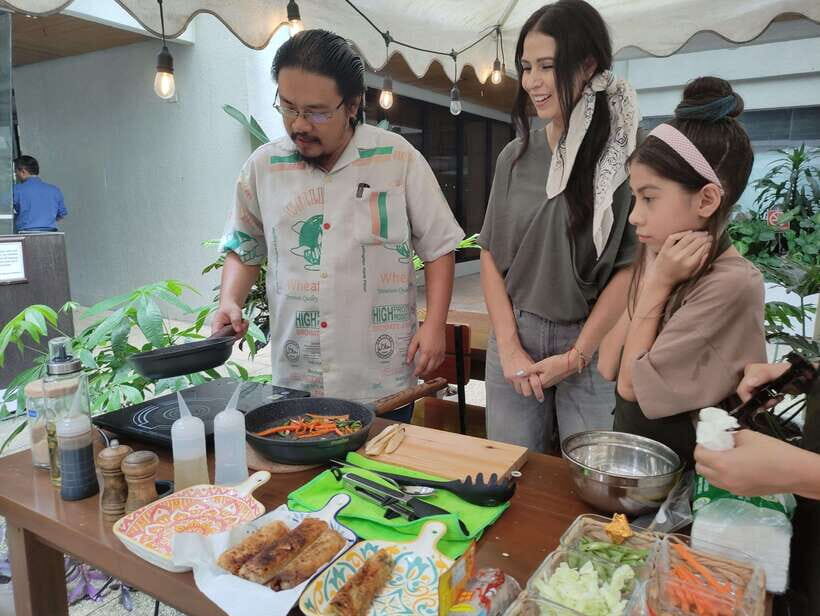
- Small group of up to 4 means you get real coaching, not a passive demo
- A full snack meal (meryenda) with savory and sweet sections, not just one dish
- Chyl’s teaching style is calm, clear, and packed with culture talk as you cook
- Fresh ingredients and clean tools with your own prep and cooking station
- Outdoor setting in Makati feels casual and local, but plan for sun or rain
- Beginner-friendly results so you’re confident cooking these at home
Makati meryenda class: what you make in 2 hours
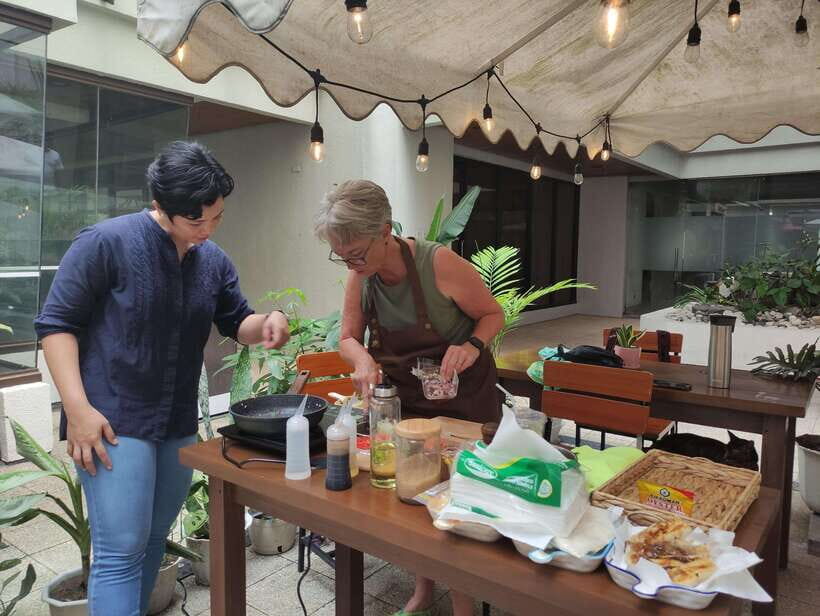
This class is built around a Filipino meryenda—the snack-meal idea that can easily turn into a proper dinner at home. In your 2 hours, you’ll make a spread that covers filling savory food and a sweet finish, so you walk away with more than just one “cool thing I tried.”
The class typically centers on three classics: a noodle dish (often a pancit-style plate), spring rolls (lumpia), and a sweet treat (commonly turon or a banana-style sweet wrapped and fried). The exact versions can vary a bit depending on the session, but the structure stays the same: you prep, you cook, you plate, and you eat what you made.
I like this format for two reasons. First, it’s realistic: you learn flavors and technique you can repeat without needing a long shopping list of hard-to-find ingredients. Second, it’s satisfying: even though it’s called a “snack” class, the portions are heavy enough that you’ll likely want to pace yourself.
You can also read our reviews of more tours and experiences in Makati.


Your kitchen station in the courtyard setup
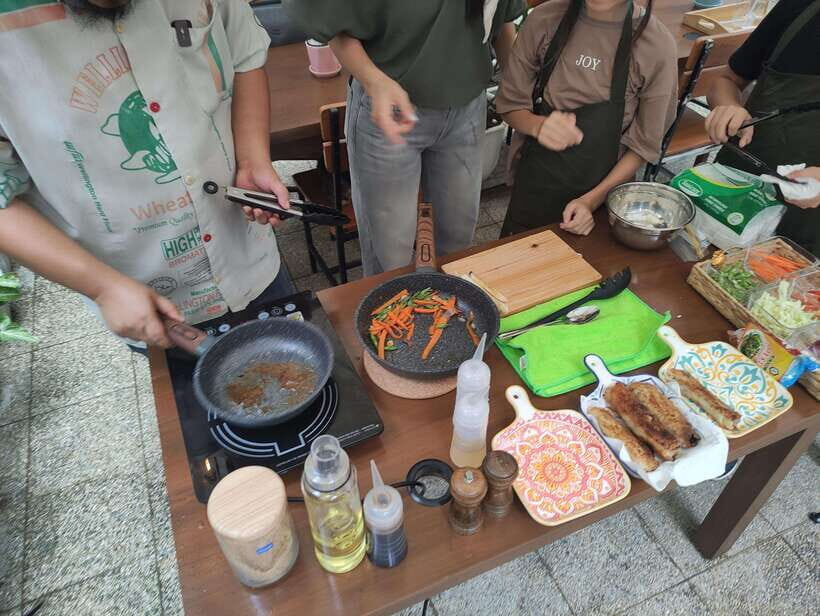
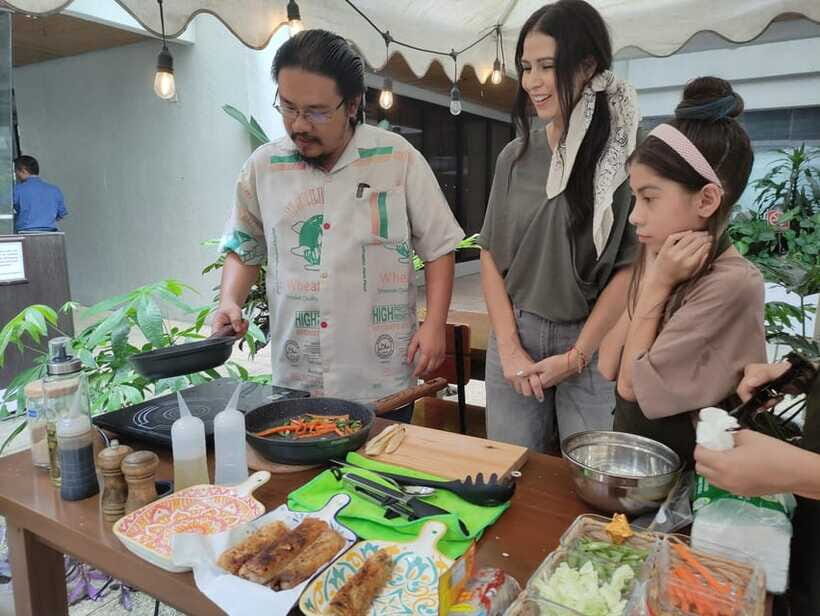
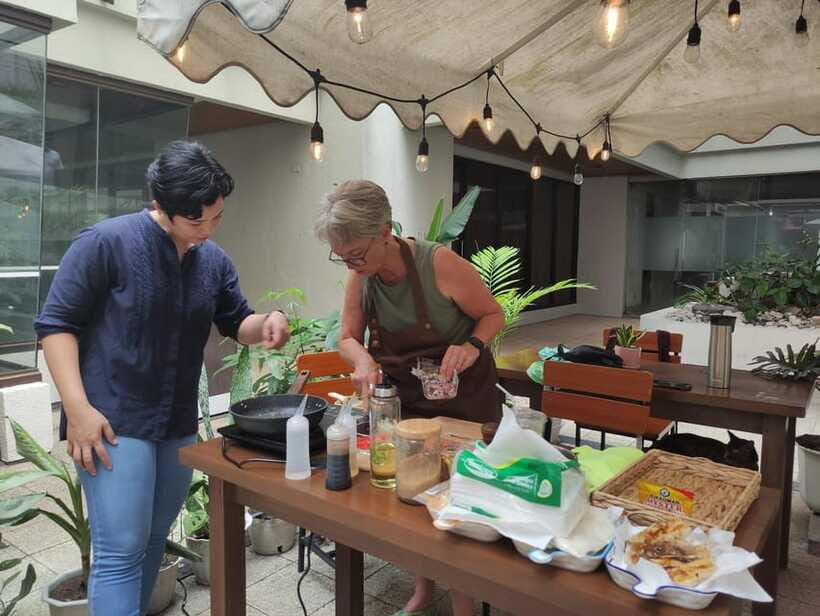
The experience is hosted in the heart of Makati, and you’ll meet your instructor at the outdoor courtyard in front of the coffee kiosk. The setting is open-air, with tables arranged so you can work without feeling like you’re squeezed into a corner.
You don’t just watch. You cook with your own ingredients and utensils on your own station. That hands-on approach matters, because Filipino cooking often lives in small choices: how finely you prep, how hot your pan is, and how you balance seasoning.
Chyl runs the class in a way that feels organized without feeling stiff. People consistently note that everything is ready ahead of time and that instructions are clear. Expect an English-speaking host who explains what you’re doing and why it works, plus stories along the way that connect the dish to everyday Filipino life.
A small practical note: because it’s outdoors, you might deal with Manila weather during your session. If the sun is strong, you’ll want comfortable clothes and a plan to stay hydrated. If rain shows up, the team may need a quick reset of where things sit, since the venue isn’t fully covered.
The recipes: pancit-like noodles, lumpia spring rolls, and turon sweets
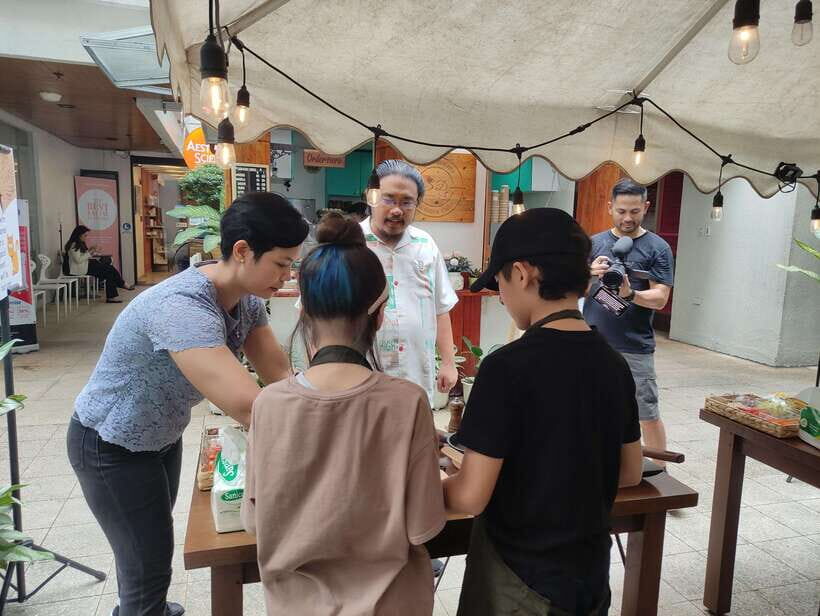
You learn by doing, and you’ll notice the recipes share a common Filipino theme: big flavor from smart seasoning and texture. You’ll move through prep steps that a home cook can actually handle, then you’ll do the cooking at the induction setup with pans and tools provided.
Noodle dish (often pancit-style)
Your savory start is a noodle dish designed to be filling and friendly. You’ll work on the basics: getting ingredients prepped, learning how to keep the noodles from turning into a soggy mess, and understanding how the sauce or seasoning coats rather than just sits on top. If you’re new to Filipino food, this is the best entry point, because it shows how the cuisine balances savory, a little sweet, and a little tang depending on how it’s built.
Lumpia spring rolls
Next up is spring rolls, with that classic mix of crisp exterior and savory filling. This is where you’ll see technique matters: how you portion the filling, how you wrap, and how you manage cooking so they crisp up instead of going greasy. You’ll also get tips on getting consistent results, even if you’ve never rolled anything before.



Turon or banana-style sweet
Then comes the sweet portion, and it’s usually a Filipino favorite built around fruit, wrapper, and frying technique. If you’ve never had turon, the key idea is contrast: warm, soft fruit inside and crunchy wrapper outside. You’ll learn how to wrap and cook so the sweet part doesn’t leak out too much, and how to get that golden finish.
I like ending with the sweet because it changes your palate. It also ties the class together: you see how meryenda culture can be both everyday and special, depending on ingredients and timing.
Why Chyl’s stories change how you cook
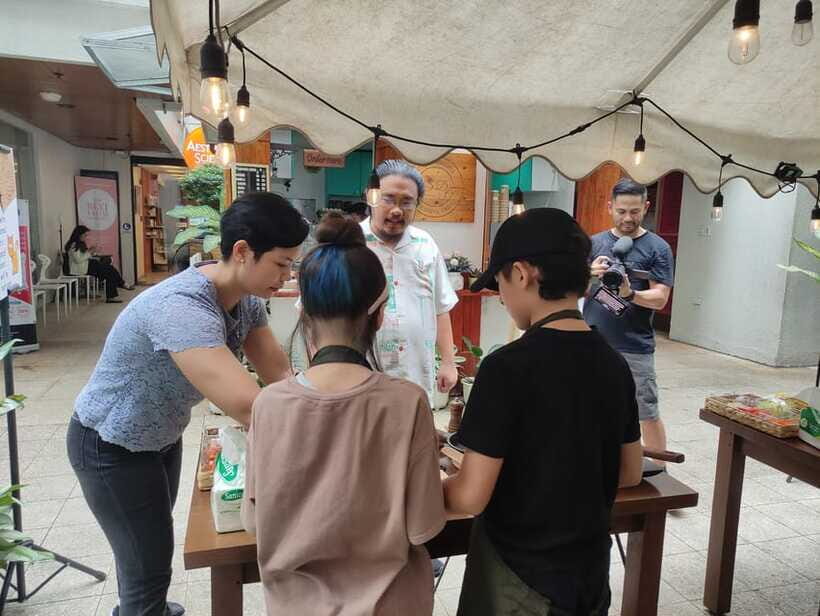
Food classes can turn into step-by-step instructions only. This one does more. Chyl shares context as you work—how Filipinos think about family meals, how food fits celebrations, and where certain dishes come from.
Those story moments aren’t just entertainment. They help you remember the dish later. When you know what people associate with a recipe, you cook with more confidence because you understand the role it plays. It’s the difference between copying a recipe and actually cooking it like someone who grew up eating it.
You’ll also pick up practical culture-linked tips. For example, you’ll hear how Filipino cooking often reflects what’s available across the islands and how the cuisine evolved through long family traditions. Even if you’re not chasing exact historical details, it gives your cooking more meaning—and more motivation to do it again at home.
Chyl also creates a calm teaching rhythm. People describe her as warm and patient, and the result is you feel comfortable asking questions. If you’re a confident home cook, you’ll still enjoy the guidance. If you’re a beginner, you’ll appreciate not being rushed.
Is $60 worth it? Value in Manila terms
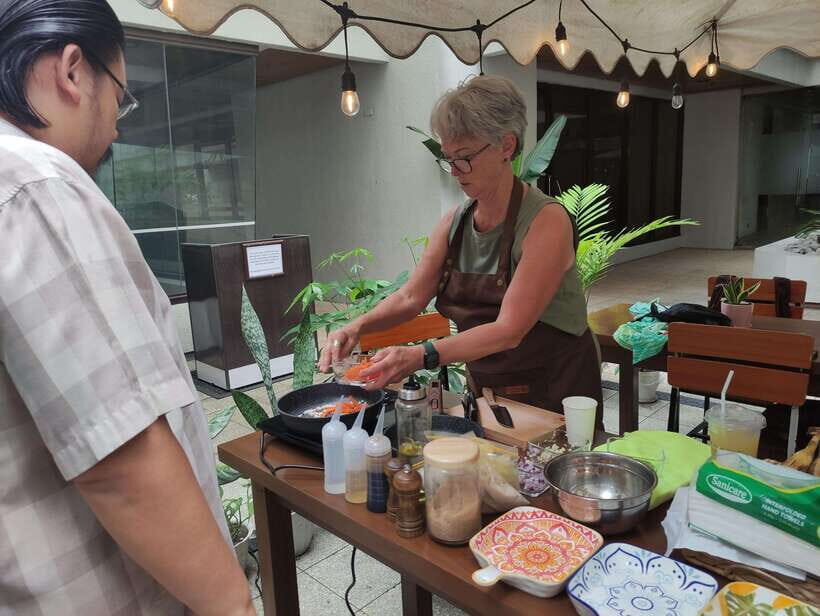
Let’s talk money honestly. At $60 per person, you’re paying for a short, guided, hands-on cooking experience in Makati with ingredients, equipment, and a non-alcoholic drink included. Hotel pickup isn’t included, so your ride to the meeting courtyard is on you, typically via Grab.
For me, the value comes from the mix of things you get for the time:
- Two hours of real instruction, not a quick tasting
- Three dishes worth of work, usually savory plus sweet
- Small group format capped at 4 people, so the instructor can actually correct technique
- Equipment and ingredients provided, meaning you’re not doing pre-trip recipe shopping
And yes, you’ll probably leave feeling fed. Many people note that the class makes a lot of food, to the point where leftovers can cover another meal. That pushes the value even higher, because you’re not just paying for an activity—you’re walking away with edible results.
If you’re someone who likes cooking, I’d treat this as a skills-and-flavor investment. If you’re just trying to check a box, then it might feel like too much work. But for hands-on food lovers, $60 for a guided, small-group cook session in Manila is a fair deal.
Logistics that make or break your afternoon
This class is easy to fit into a day in Makati because it runs for 2 hours and it’s family friendly in spirit. Still, you should plan smart since pickup isn’t offered.
Here’s what matters most:
- Meeting point: outdoor courtyard in front of the coffee kiosk
- Bring: comfortable clothes
- Get there: Download the Grab app for an easier ride to Makati
- Expect: open-air conditions, so dress for sun and possible rain
If you’ve ever gotten stuck searching for a venue in a busy city, you’ll appreciate the tip of confirming the exact spot before you go. The meeting area is specific, but courtyards can look similar when you’re arriving fast and hungry.
Also, don’t underestimate the food volume. It’s worth going a bit lighter on snacks before class, because you’ll end up cooking and eating multiple items.
Who should book, and who should skip
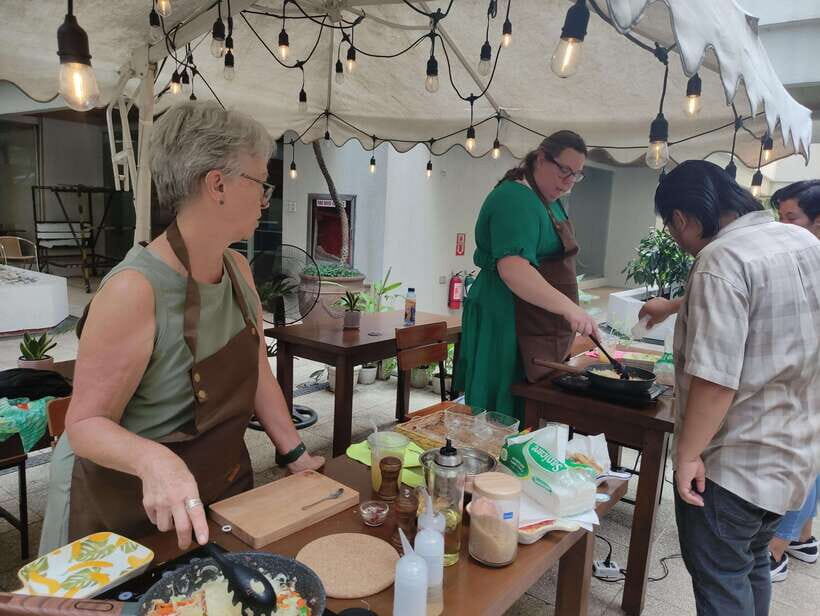
This is a great fit for:
- Solo travelers who want to talk with a real local while learning cooking skills
- Couples or small groups who want a shared activity with a satisfying payoff
- Beginner cooks who want clear instructions and structured steps
- Home cooks who want Filipino technique and flavor ideas you can actually use later
It’s not suitable for:
- Children under 9
- Visually impaired guests
Good to know: it is wheelchair accessible. The open-air courtyard still means you’ll want to consider how comfortable you’ll be in an outdoor setting, but access is supported per the activity info.
If you’re the type who likes learning by doing, this one lands well. If you’d rather watch and not cook, the hands-on focus may not match your style.
Should you book this Makati cooking class?
If you want an afternoon that mixes food, stories, and real cooking practice, I think you should book it. The combination of small group size and Chyl’s clear guidance makes it feel personal, and the menu structure gives you a complete meryenda experience instead of a single dish.
I’d skip it only if you dislike outdoor settings or you need hotel pickup to make logistics work smoothly. If weather and your transport plan are under control, this is a fun, flavorful way to learn Filipino cooking in Makati and bring those recipes home with confidence.
FAQ
How long is the cooking class in Makati?
The class runs for 2 hours.
What is the price per person?
It costs $60 per person.
Where do I meet the instructor?
Look for your instructor at the outdoor courtyard in front of the coffee kiosk.
Is hotel pickup included?
No, hotel pickup and drop-off are not included.
What’s included in the class?
You get use of cooking equipment, food ingredients, and a non-alcoholic drink.
What should I bring?
Wear comfortable clothes.
What dishes will I learn to make?
You will prepare an entire meryenda snack, including a filling noodle dish, savory and crunchy spring rolls, and sweet Filipino treats. Specific dishes may include options like pancit, lumpia, and turon or banana-style sweets.
Is the class wheelchair accessible, and is it suitable for kids?
It is wheelchair accessible. It is not suitable for children under 9, and it is not suitable for visually impaired people.
Can I cancel, and is there a pay-later option?
Yes. You can cancel up to 24 hours in advance for a full refund, and you can reserve now and pay later.