REVIEW · MANILA
Manila: Guided Tuk Tuk Ride
Book on GetYourGuide →Operated by V.S Tour Services · Bookable on GetYourGuide
A city ride should feel like a shortcut to understanding people. This Manila tuk-tuk-style tour trades big sights for real street scenes and everyday life, with short rides and plenty of time on foot. I really like the mix of transport—tuk-tuk/tricycle plus a jeepney—because it changes your view of the same streets fast. I also love the food-and-market focus, where you’re not just watching stalls, you’re sampling along the way. One possible drawback: this is a hands-on street experience with crowds and walking, so it’s not a good fit if you have high blood pressure or you’re pregnant.
You’ll meet at the entrance of Tutuban Center Mall, near the Bonifacio Monument by the Lawson convenience store, then head out with a small group (up to 12) for a short, guided loop through Divisoria-style trade streets and nearby communities. The goal is simple: see how the city works day to day, not just how it looks on a postcard. Expect street food stops and views of home-life in working neighborhoods, not polished tourist corridors. If you prefer quiet, wide-open spaces and minimal sensory overload, plan on going slow and keeping water close.
In This Review
- Key points worth knowing before you go
- Starting at Tutuban and Why Local Transit Matters
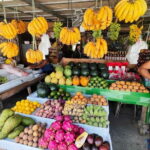
- Divisoria Markets, Chinese Shops, and the Wet Market Reality Check
- Street Food Tastings That Teach You What to Order
- Shopping in the Aisles: Where Deals Really Come From
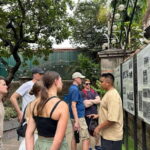
- Walking Through Working Neighborhoods and Seeing Daily Life Up Close
- Transportation Mix: Tuk-Tuk, Jeepney, and Tricycle Energy
- Timing, Walking Pace, and Who This Tour Fits Best
- Price and Value: What $66 Really Buys You Here
- Guides, Safety Feel, and How to Get the Most From Your Stop Lights
- Holiday Adds and Route Variations to Know About
- Should You Book This Manila Tuk-Tuk Ride?
- FAQ
- How long is the Manila Guided Tuk Tuk Ride?
- Where do I meet the tour guide?
- What is the group size?
- What transport options are included?
- Is the tour guided in English?
- Is this tour suitable if I have high blood pressure or am pregnant?
- What will we do and see during the tour?
Key points worth knowing before you go
- Short rides, big payoff: tuk-tuk/tricycle plus jeepney helps you cover ground without spending the whole time stuck in traffic.
- Divisoria-style market time: you’ll move through shopping alleys, including Chinese shopping areas and a wet-market setting.
- Food tastings built in: street stalls aren’t just scenery; you get chances to try what locals order and snack on.
- Real neighborhood viewing: you’ll pass by houses and everyday scenes that show the working city, not the glossy version.
- English live guide: you’ll have someone to point things out and explain what you’re seeing along the way.
- Small-group feel: capped at 12 people, so it’s easier to ask questions and stay together in tight lanes.
Starting at Tutuban and Why Local Transit Matters
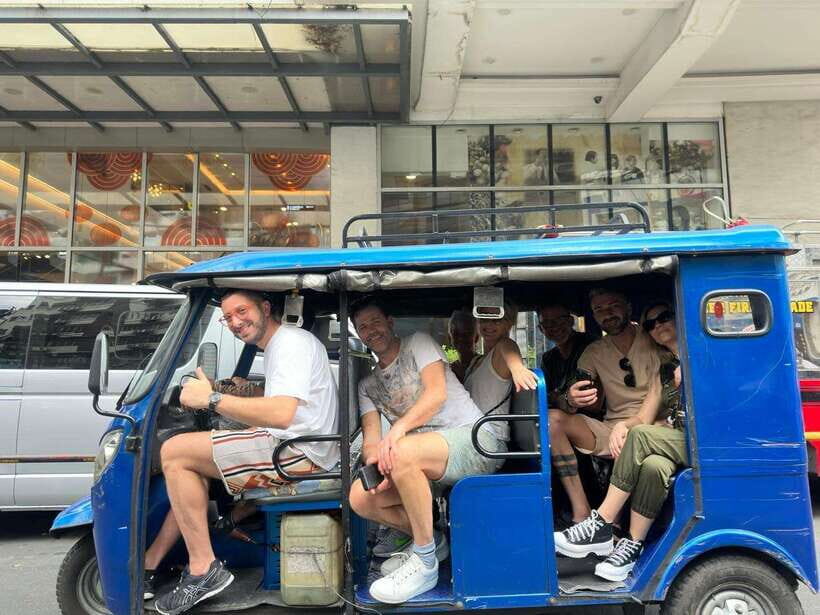
Tutuban Center Mall is a smart jumping-off point. It’s close to major city movement, and starting there means your tour begins with the same reality many locals deal with: getting from one part of Manila to the next using whatever vehicle fits the moment.
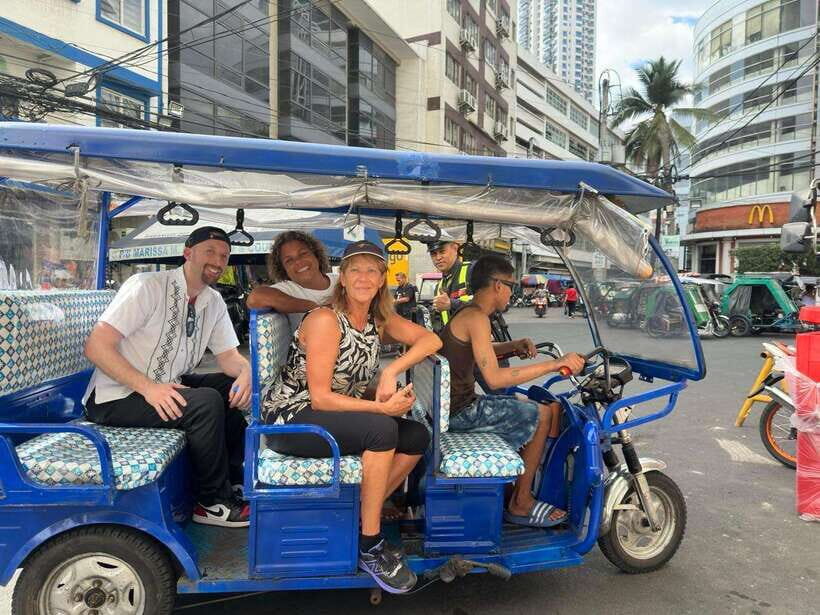
From there, you’ll spend the day in motion. The tour experience includes a tuk-tuk-style ride and also a jeepney or Lamborghini tricycle option, depending on the day’s routing. That matters more than people think. Manila’s streets can feel chaotic at first, but traveling by local modes helps you understand how the city’s energy flows—where people line up, how they cross busy lanes, and how drivers treat turns and narrow passages like normal daily business.
Also, this tour is built for a small group (up to 12). With a group that size, you won’t feel like you’re being shuffled through a checklist. You’re more likely to keep up with the guide’s pacing and ask follow-up questions when something catches your eye.
You can also read our reviews of more guided tours in Manila


Divisoria Markets, Chinese Shops, and the Wet Market Reality Check
The centerpiece is market time—especially the Divisoria-style commercial strip. This is the kind of place where the city’s economy shows up in your face and your ears. You’ll see a mix of local trade, affordable shopping, and the kind of organized chaos that comes from thousands of people hunting for deals at once.
In practical terms, expect to walk through:
- a local market area
- a Chinese shopping store area
- a wet market atmosphere
- side streets with stalls and product tables
What makes this section valuable is that it isn’t only about buying things. It’s about learning how people shop and how fast they move. You’ll notice bargaining culture, the way vendors present goods, and the fact that markets here are daily life infrastructure—not just weekend browsing.
One important note: markets can be crowded, and wet markets can be slippery or stinky depending on the time of day. If odors or foot traffic make you uncomfortable, keep your expectations realistic. Bring sensible shoes and be ready for sensory input. This isn’t a curated show; it’s a working market.
Street Food Tastings That Teach You What to Order
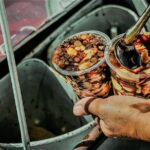
Food is a major part of the experience, and it’s not random. The tour is set up for street food and food stall tastings, so you’re tasting your way through the neighborhood rhythm rather than just reading a menu.
Here’s what I’d think about before you go:
- You’ll likely encounter foods that are common street snacks—things locals grab quickly while shopping.
- The tastings are meant to introduce you to local flavors without making you plan every step on your own.
- Your guide can help you decide what’s safe and what to prioritize.
If you’re a cautious eater, you’ll still get value. The guide’s job is to manage the flow and point you toward choices that fit the tour’s plan. If you’re adventurous, you’ll get to taste a wider range of items across stops.
Also, the food setting is part of the lesson. It’s not only about taste; it’s about context—how people eat while moving through stalls, how they share space at tiny tables, and how a quick bite keeps momentum going in a place where shoppers are constantly on the move.
Shopping in the Aisles: Where Deals Really Come From
Divisoria is famous for affordable shopping, and this tour leans into that. You’ll get time for browsing—enough to look around and get a feel for what’s priced low, what’s priced for volume, and what people return for again and again.
The useful way to think about shopping on this tour is: you’re not just collecting souvenirs. You’re observing how value works here—what kind of goods dominate, how display layouts pull you in, and how quickly shoppers can move from comparing prices to deciding.
Do you have to shop? No. But if you do, go in with two simple tactics:
- Keep an eye on size and condition, not only price.
- Don’t expect a quiet store experience—this is a traffic-heavy, bargaining-friendly environment.
Walking Through Working Neighborhoods and Seeing Daily Life Up Close
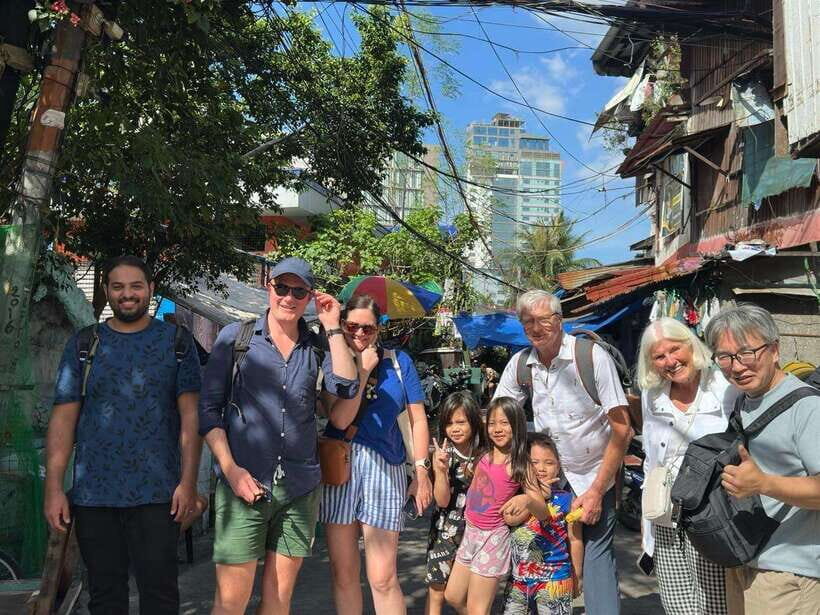
After the market and shopping sections, the tour shifts into neighborhood walking. This is where you get your most direct look at Filipino daily life, including sights of food stalls and ordinary houses, including areas where people have less and live with resilience.
In a place like Manila, this kind of walking section can change how you interpret everything you saw earlier. Markets stop being just places to buy food and become part of a whole daily system: people work, transport goods, eat quickly, and then continue. Seeing homes and neighborhood life along the route helps you connect the dots between economic reality and street-level routine.
A gentle reality check: you’re viewing private life from public space. Keep your voice low, avoid lingering too long in front of residences, and let your guide steer the pace. Think of it as learning observation, not sightseeing someone’s front door.


Transportation Mix: Tuk-Tuk, Jeepney, and Tricycle Energy
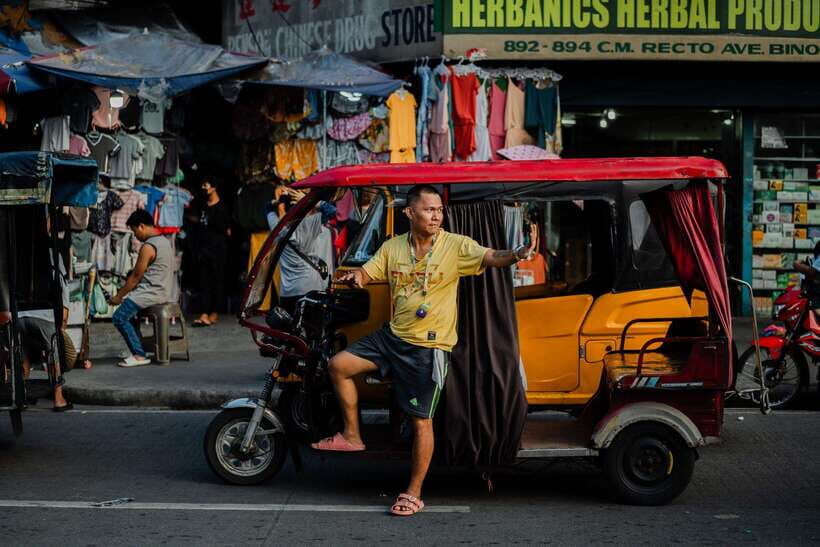
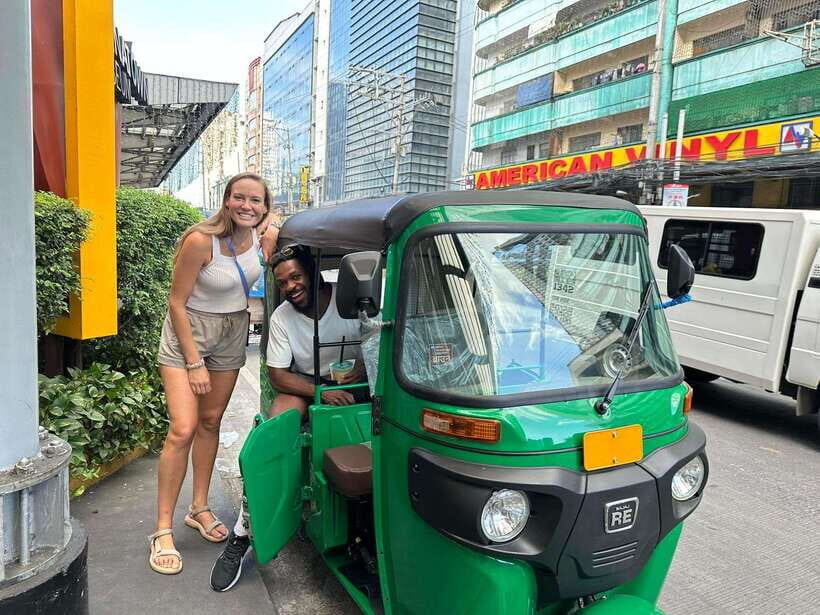
One of the best parts is that you don’t rely on one vehicle the whole time. The experience typically includes a tuk-tuk ride and also a jeepney ride or Lamborghini tricycle, plus walking.
This matters because each vehicle type has its own feel:
- The tuk-tuk-style ride brings you close to street-level movement—great for quick reads of what’s happening along the road.
- The jeepney adds that unmistakable local character, and it’s a good way to experience how people share space in transit.
- The tricycle option can feel more like a neighborhood vehicle, depending on the route that day.
In other words, you get multiple angles on the same city. And since the group is small, transitions are usually smooth enough that you don’t lose the thread of the story the guide is telling.
Timing, Walking Pace, and Who This Tour Fits Best
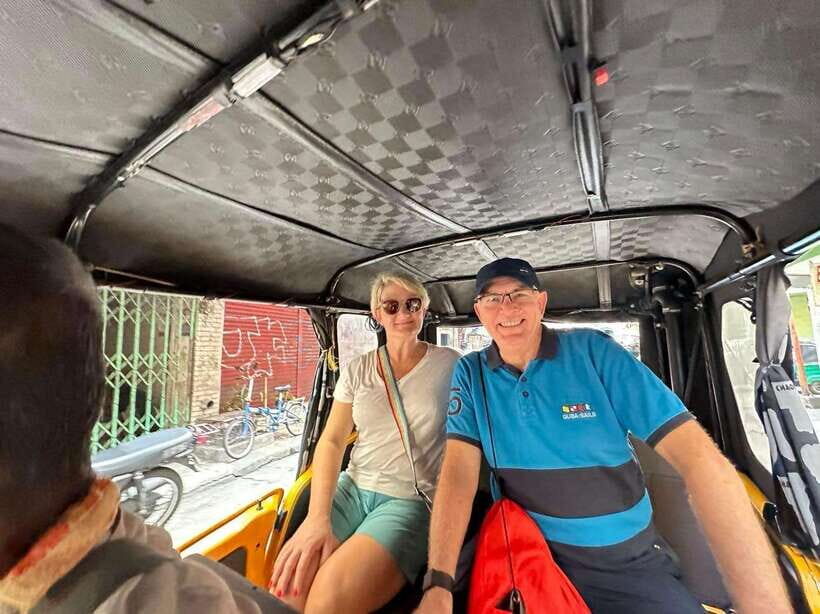
The tour is listed at 2 hours, and it includes a guided walking component. If you’re planning this as your first day in Manila, it’s a good way to get your bearings fast, but you still need to treat it like an active street outing, not a sit-and-watch museum visit.
This is a strong match for:
- First-time visitors who want context, not just landmarks
- People who like street scenes, food stalls, and local shopping zones
- Solo travelers, couples, and small groups who don’t mind getting a little sweaty and stepping off the main tourist lanes
It’s a weak match if:
- You need low walking or low crowd exposure
- You have medical concerns such as high blood pressure (listed as not suitable)
- You’re pregnant (listed as not suitable)
My practical advice: wear shoes you trust on uneven pavement, bring water, and don’t wear anything you’d be upset to get a little market dust on. Manila street time is hands-on.
Price and Value: What $66 Really Buys You Here

At $66 per person for about two hours, this isn’t the cheapest option—but it also isn’t overpriced when you think about what you’re getting. You’re paying for:
- a local English live guide
- a structured route through market areas and neighborhoods you might skip on your own
- local transit (tuk-tuk plus jeepney or tricycle)
- street food and food-stall tastings
- a small-group size (up to 12)
For context, market-and-food experiences are usually where guides earn their keep. Without a guide, you might still wander and eat—but you may not know what to prioritize, what’s typical, or how to navigate the flow so you keep moving. Here, the price buys the structure that turns random wandering into a coherent “how Manila works” walkthrough.
If you’re the type who likes self-guided exploration, you could create a similar day on your own. But if you want the learning and the pacing handled, this price is easier to justify.
Guides, Safety Feel, and How to Get the Most From Your Stop Lights
This is a guide-led experience, and the guide matters. English is provided, and the guiding style seems designed to keep people moving and feeling at ease in busy streets. Several named guides show up in the tour’s history—like Venus, Floyd, and Frank—so you can reasonably expect a confident local approach and an emphasis on explaining what you’re seeing as you go.
Safety here is less about locked-off tour routes and more about staying with the group. You’ll be on sidewalks and in market walkways, crossing at street-level intersections, and riding close to traffic. The best way to get the value is to listen for instructions, not just stare at the sights. If you do that, the tour’s chaos turns into clarity fast.
One more tip: if you’re the kind of person who asks lots of questions, you’ll likely have a good time. This tour seems built around dialogue—what things are, why people buy them, and how daily routines shape what you see.
Holiday Adds and Route Variations to Know About
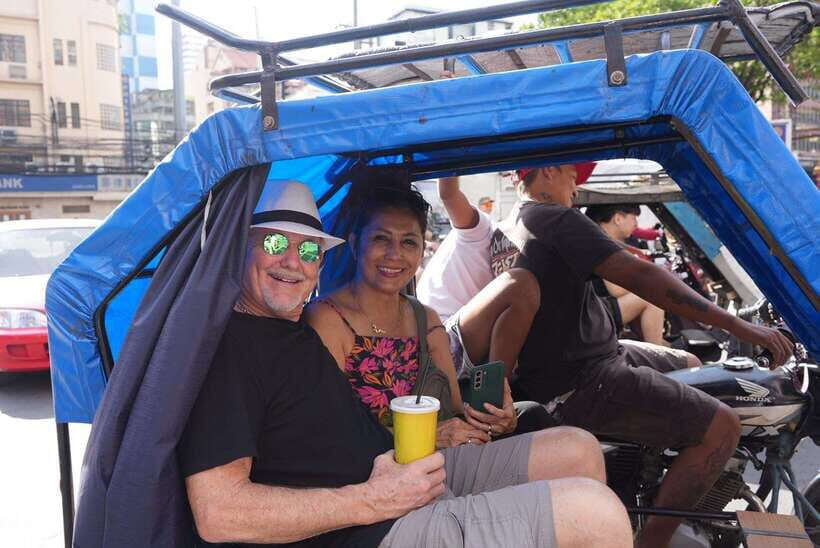
A tour like this can shift with the calendar. For example, on a major holiday date, additional time in Intramuros was added in one instance, likely because market activity changed. Translation: don’t assume every departure follows the exact same street rhythm.
Before you go, glance at the day’s schedule details. If you’re hoping for specific neighborhood hits, ask what adjustments might happen due to holidays, rain, or market flow. This isn’t a brand-new show every day—it’s a flexible street itinerary.
Should You Book This Manila Tuk-Tuk Ride?
Book it if you want a quick, street-level introduction to Manila’s everyday side—markets, street food tastings, and working neighborhoods—without spending your whole day figuring out logistics. This is especially good as a first or second day plan, when you’re still learning how the city moves.
Skip it if your ideal travel day is quiet, low-stress, and mostly indoor. This tour puts you in active neighborhoods. It’s also explicitly not recommended for high blood pressure or pregnancy.
If you’re comfortable with walking, crowds, and the smell-and-sound reality of a working market, this is a strong value way to see Manila as locals experience it—on foot, on local vehicles, and at the places where people eat and shop every day.
FAQ
How long is the Manila Guided Tuk Tuk Ride?
The tour duration is listed as 2 hours.
Where do I meet the tour guide?
Meet at the entrance of Tutuban Center Mall. Look for the Bonifacio Monument near the Lawson convenience store.
What is the group size?
The group is small, limited to 12 participants.
What transport options are included?
You’ll ride a jeepney or a Lamborghini tricycle in addition to the tuk-tuk/tricycle ride experience.
Is the tour guided in English?
Yes. The live tour guide provides English language commentary.
Is this tour suitable if I have high blood pressure or am pregnant?
No. The activity is listed as not suitable for people with high blood pressure and for pregnant women.
What will we do and see during the tour?
Expect visits and walking around local markets (including a wet market and Divisoria-style shopping areas), plus Chinese shopping areas, street food and food-stall tastings, and views of local daily life and neighborhood homes.