REVIEW · MANILA
Intramuros, Manila: Historical Bamboo Bike Tour
Book on GetYourGuide →Operated by Bambike Ecotours · Bookable on GetYourGuide
Walled Manila goes faster on bamboo wheels. This Intramuros small-group tour pairs traditional bamboo bikes with live storytelling at the district’s big historic stops, so you ride from place to place instead of burning energy walking.
I love the academic-style guiding (the team includes guides like Josh, Prime, Paolo, Chi, and JD in different runs), and I love the rhythm: short explanations, then real time to look, take photos, and cool down at key courtyards.
One thing to consider is logistics: there’s no hotel pickup, and you’ll need to get yourself to the Bambike Ecotours Intramuros meeting point.
In This Review
- Key highlights to know before you go
- Why Intramuros on bamboo bikes feels practical, not just cute
- Picking your ride at Bambike Ecotours (and getting set for the heat)
- Japanese cannon to Puerta Real Gardens: history that lands with context
- Puerta del Parian, Manila Cathedral, and Plaza de Roma in one smooth flow
- Fort Santiago and San Agustin: the walled-city backbone
- Riding style, safety, and what the tour actually feels like
- Value check: what $27 includes (and why that can be a win)
- Who should book this and who might want a different plan
- Should you book Bambike Ecotours in Intramuros?
- FAQ
- How long is the Intramuros bamboo bike tour?
- Where do I meet the tour?
- What sites does the tour include?
- Is the tour hard to ride?
- What’s included in the price?
- What should I bring?
- Are helmets provided?
- Can children join?
- What languages are the guides?
- Do they run in bad weather?
Key highlights to know before you go
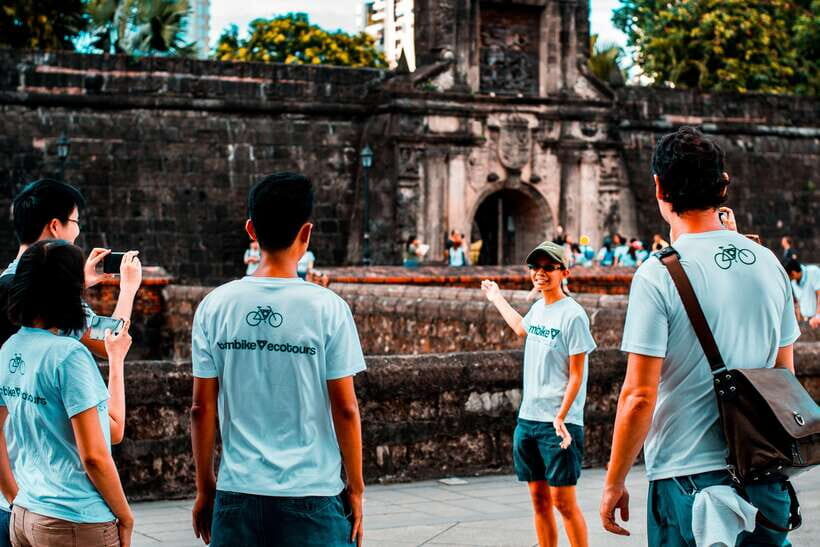
- Traditional Bambike bikes: you pick the best bike for your comfort, with helmets included
- Japanese cannon inside Intramuros: a WWII stop with a guided context that makes it make sense
- Puerta Real Gardens: history talk in a calmer spot with local fauna around you
- Spanish-era power stops: Puerta del Parian, Manila Cathedral, and Plaza de Roma in a logical route
- Easy riding style: a mostly flat circuit with traffic help and a relaxed pace
- Cooling rewards: cold towels during the tour and ice cream at the end
Why Intramuros on bamboo bikes feels practical, not just cute
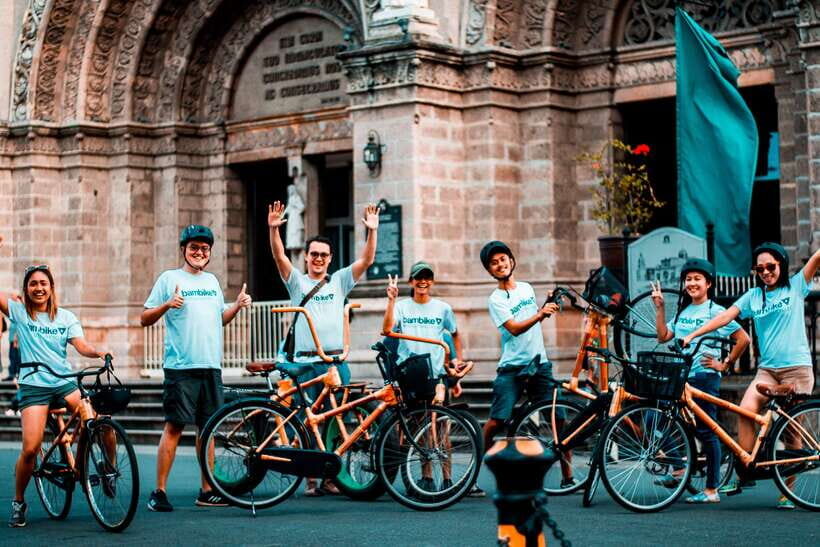
Intramuros is packed. If you do it on foot, you’ll spend a lot of time shuffling between walls, churches, gates, and viewpoints while the sun does its best impression of a hair dryer. On a bamboo bike, you keep moving at a human pace, and you still get to linger at the places that matter.
What makes this tour work is the match between bike travel and storytelling. You’re not just rolling past buildings. You stop at specific sites, listen to the guide, then you’re free to look around before rolling to the next checkpoint. It turns a collection of landmarks into a route with cause-and-effect.
And yes, it’s fun. But the bigger win is how much you can cover in 2–3 hours without feeling wrecked afterward.
You can also read our reviews of more cycling tours in Manila

Picking your ride at Bambike Ecotours (and getting set for the heat)
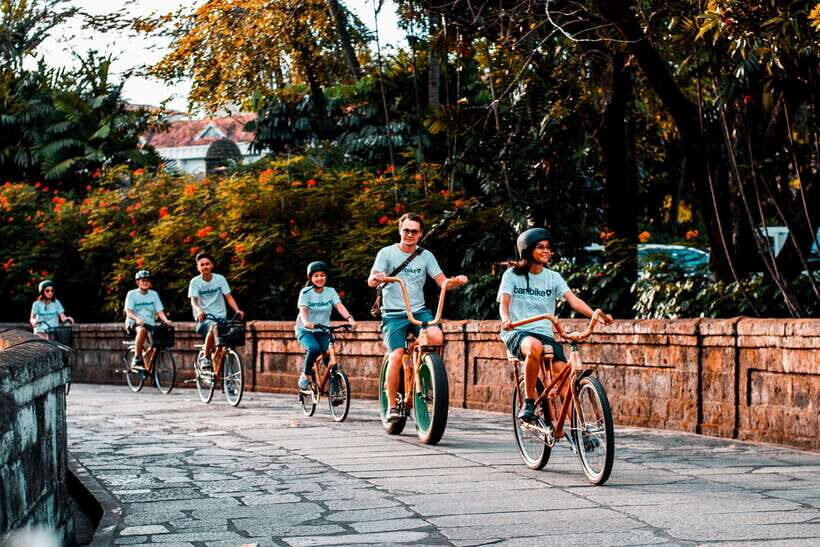
Your tour begins at one of the Bambike Ecotours Intramuros start points, and the meeting location can vary by which option you book. From there, you’ll choose your Bambike. People get different styles (for example, a city cruiser look vs. MTB-style options), and some bikes may include conveniences like a kickstand, which is useful in a place where you can’t always lean your bike anywhere safely.
You’ll get a helmet, and rain ponchos are available if needed. The route runs in all weather except tropical storm conditions, so plan on humidity and sun even when the day looks calm.
Bring practical stuff: comfortable shoes and comfortable clothes, plus sunscreen. The tour experience includes cooling items during the day (cold towel time and ice cream at the end), but it won’t replace good sun habits. If you’re the type who sweats fast, you’ll feel happier with a small drink plan too, since the tour itself doesn’t promise a sit-down meal stop.
Japanese cannon to Puerta Real Gardens: history that lands with context
The tour’s first major storytelling stop is the Japanese cannon inside Intramuros. Expect a guided visit lasting about 15 minutes. This isn’t a random photo op. The guide frames what you’re looking at so the site connects to World War II and Intramuros’s role in that era.
Next you head to Puerta Real Gardens for a guided session of around 30 minutes. This is where the experience gets especially thoughtful. You listen while you’re in a more relaxed area, and you can notice the local fauna around you rather than staring only at stone walls. For me, that matters because it changes your brain’s focus: you’re not just reading history, you’re watching how a historic zone lives today.
A small drawback here: if you’re heat-sensitive, garden stops can still feel warm. The good news is you’re not stuck here for hours. You’re listening, then you move on.
Puerta del Parian, Manila Cathedral, and Plaza de Roma in one smooth flow
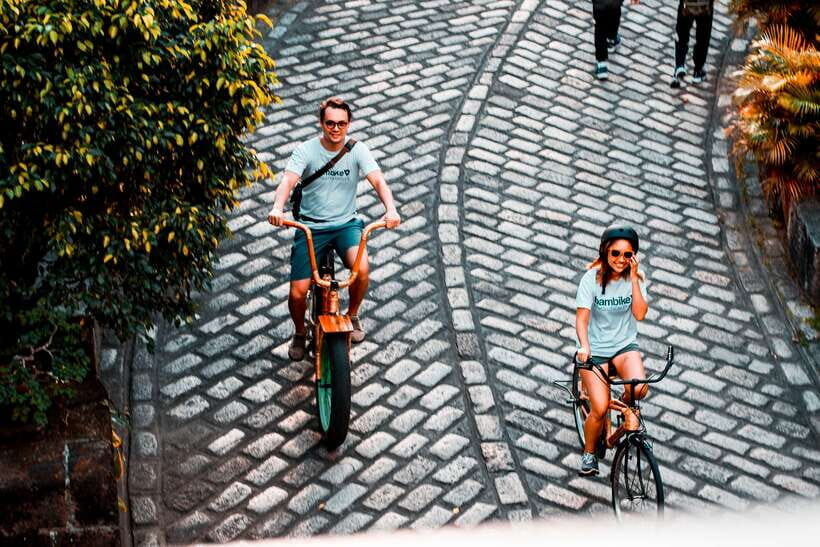
After Puerta Real Gardens, the tour moves to Puerta del Parian, another of the earliest gateways into Intramuros. The guided stop is shorter (about 15 minutes), but it’s timed so you can absorb the meaning of the gate in the flow of the route.
Then there’s a quick rest break at a beloved cafe. This isn’t a full meal, but it’s a real breather. It helps you reset before the Spanish-era core, where you’ll want your attention.
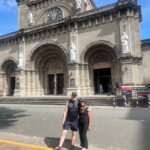
From there you go to the Manila Cathedral and the Plaza de Roma area, the historic center tied to Spanish colonial Manila. You’ll get about 15 minutes at the cathedral stop, and you’ll have time to look around Plaza de Roma without feeling rushed. For many first-timers, this part is the moment Intramuros clicks into focus: gates and buildings aren’t isolated. They form a plan.
One practical note: these are major sightseeing zones. Even with a guide, you’ll want to keep an eye on where the group is moving. Your bike makes it easier, but it doesn’t remove crowds or pedestrians.
Fort Santiago and San Agustin: the walled-city backbone
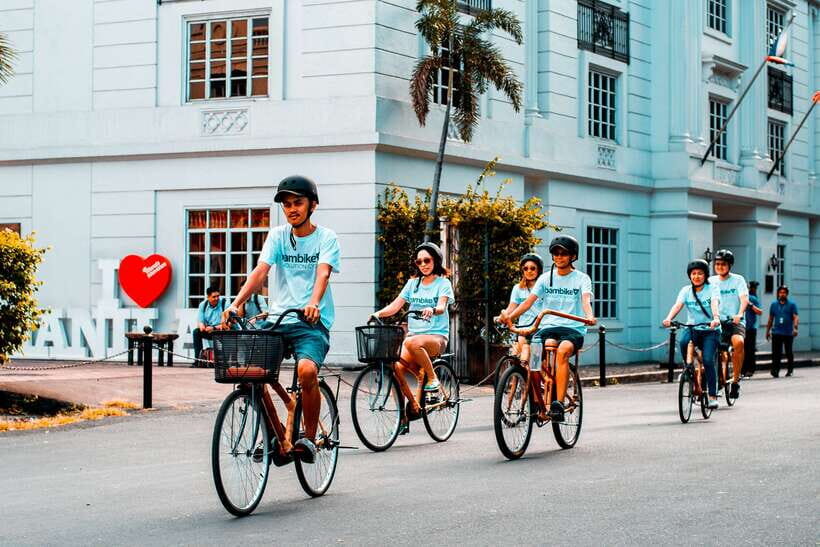
After the Spanish-era highlights, the route shifts into the defensive side of Intramuros. Fort Santiago is a key stop with a guided visit and biking time totaling about 45 minutes. This is where you get a stronger sense of how the walls, forts, and strategic positions shaped daily life and conflict in Manila’s past.
Next comes San Agustin Church with a guided visit of around 15 minutes and additional bike time. Even in a short stop, it’s the kind of place where architectural details hold your attention because the guide’s explanations connect what you see to what happened.
What I like about ending this stretch of the tour this way is that you finish your main circuit with two sites that feel like anchors. You leave with a clearer mental map of Intramuros: gateways (entry and movement), churches and plazas (community and colonial power), and forts (control and defense).
You can also read our reviews of more historical tours in Manila

Riding style, safety, and what the tour actually feels like
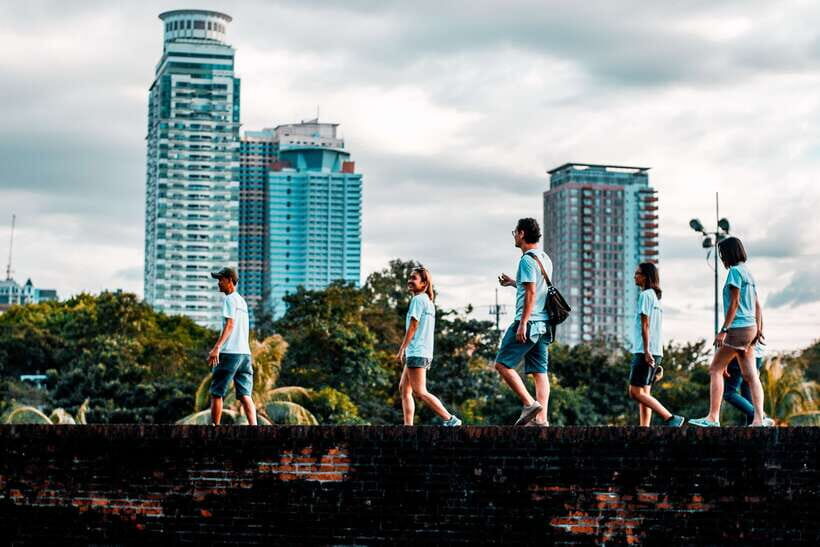
This tour is built for comfortable cruising. Reviews repeatedly point out that the route is flat and not too arduous. Bikes often have no gears, which keeps the experience simple. If you’re worried about cycling skill, that matters: there’s less decision-making mid-ride.
Also, the tour is safety-minded. You wear a helmet, and guides help manage the flow of crossings and busier road moments. If you’ve ever tried to bike in a city that doesn’t care about your personal space, you’ll appreciate the extra attention here.
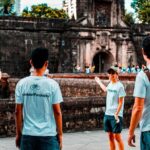
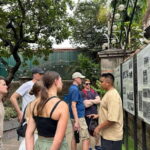
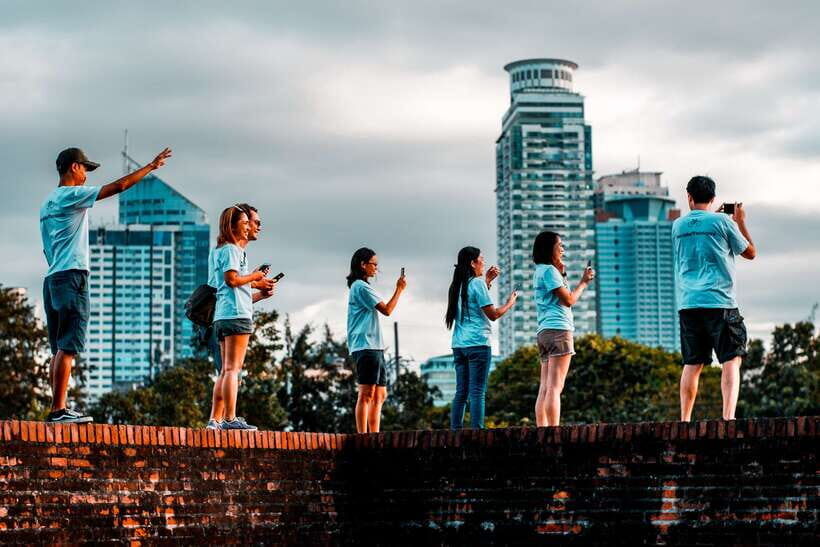
Pace-wise, the tour is structured but not robotic. You get guided explanations at each stop, then a bit of time for your own wandering and photos. Guides have also helped with pictures at stops, which is a big deal when you’re with a small group and you don’t want to rely on strangers.
Weather matters. The tour runs in all weather except tropical storm conditions. If it rains lightly, it may still be a go, with ponchos and a calm, keep-moving attitude. If it’s humid, you’ll want to lean into the refresh cycle: cold towel time during the tour and ice cream at the end are part of how you finish feeling human.
Value check: what $27 includes (and why that can be a win)
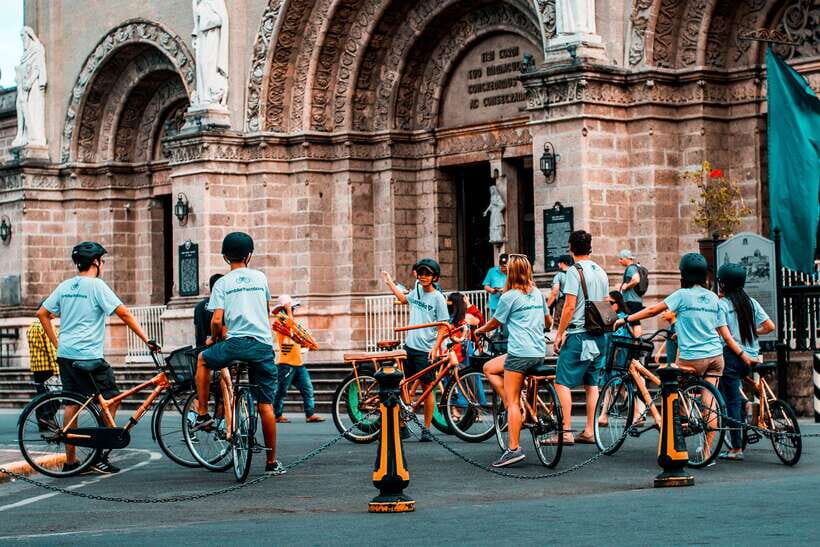
At $27 per person for a 2–3 hour tour, the value comes from what’s bundled. Your ticket includes:
- a local guide
- bamboo bicycle rental
- helmets
- rain ponchos (if needed)
- entrance fees
That combination changes the math. If you were to piece it together yourself—bike rental plus guides plus entry costs—you’d likely spend more and still end up with gaps in context.
There are a couple cost realities to factor in. Hotel pickup and drop-off are not included, so you’ll need to reach the meeting point on your own. But once you’re there, the tour covers the rest of the hard parts: equipment, guidance, and access to the sites.
If you’re short on time in Manila and want a high-signal way to see Intramuros, this pricing structure makes sense. You’re paying mostly for guided time and coverage, not just for the bike.
Who should book this and who might want a different plan
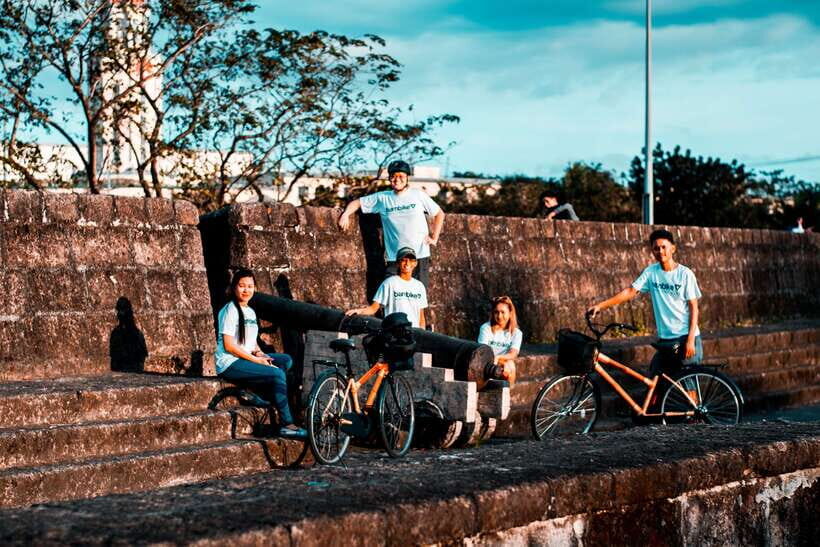
This tour is a great fit if you want:
- an easy-to-follow route through Intramuros’s major sites
- history with clear stop-by-stop structure
- a way to cover more ground than walking without turning it into a workout
It’s also ideal for solo travelers. The guide-led photo help and small-group pace make it easier to be part of the day without feeling lost.
If you’re traveling with kids, check the age rules: children ages 4–12 must be accompanied by an adult, and unaccompanied minors aren’t allowed. Infant seating for ages 2–4 may be available on request when advised at booking.
One more thought: if you’re expecting a relaxed stroll with zero bike time, this isn’t that. It’s a bike tour, so you’ll be pedaling between stops.
Should you book Bambike Ecotours in Intramuros?
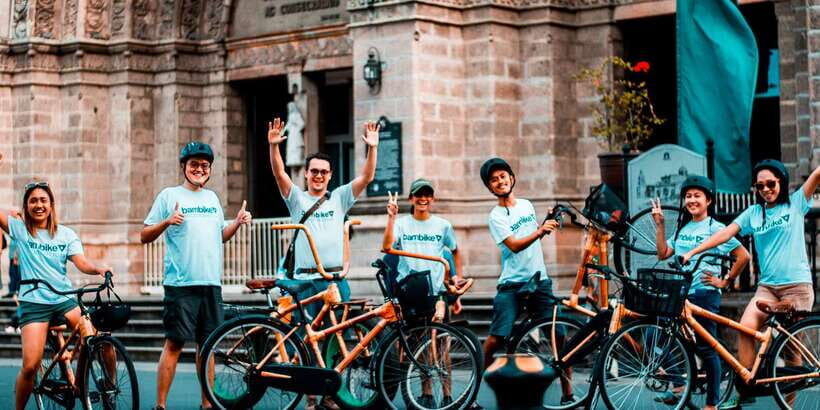
I’d book this tour if you want a structured way to see Intramuros’s big names—Japanese cannon, Puerta Real Gardens, Puerta del Parian, Manila Cathedral and Plaza de Roma, plus Fort Santiago and San Agustin—without turning your day into a logistics puzzle.
You should also book it if you like guides who tell the story in a way you can process at each stop. In this case, the guide names you might hear across different runs (Josh, Prime, Paolo, Chi, Jenjie, JD, Anj, Inah, and others) signal a pattern: the focus is on engaging, stop-based explanations, not a long lecture while you’re stuck in one place.
Skip it only if you can’t handle cycling at all, or if you’re relying on hotel pickup to manage your day. Otherwise, for a 2–3 hour hit of Intramuros with real context and built-in cooling breaks, this is one of the most practical ways to get your bearings fast.
FAQ
How long is the Intramuros bamboo bike tour?
The duration is listed as 2–3 hours, depending on the starting time you choose.
Where do I meet the tour?
The meeting point may vary depending on the option booked, with start points at Bambike Ecotours Intramuros.
What sites does the tour include?
The tour route includes stops such as the Japanese cannon, Puerta Real Gardens, Puerta del Parian, Manila Cathedral, Plaza de Roma, Fort Santiago, and San Agustin Church.
Is the tour hard to ride?
The route is described as easy and not too arduous, with flat riding. Some bikes have no gears, which keeps the ride straightforward.
What’s included in the price?
Included are the local guide, bamboo bicycle rental, helmets, rain ponchos if needed, and entrance fees.
What should I bring?
Bring comfortable shoes, sunscreen, and comfortable clothes.
Are helmets provided?
Yes. Helmets are included.
Can children join?
Unaccompanied minors aren’t allowed. Children ages 4–12 must be accompanied by an adult. Infant (age 2–4) seats are available on request if advised at booking.
What languages are the guides?
The live tour guide speaks Tagalog and English.
Do they run in bad weather?
The tour operates in all weather conditions except tropical storm.