REVIEW · MANILA
Manila: Intramuros and Chinatown Food Tour with Food Samples
Book on GetYourGuide →Operated by Juana Travel & Tours · Bookable on GetYourGuide
Fort Santiago and snacks in one walk. I like how Fort Santiago frames Manila’s past and how the guide spotlights Chinese food samples in Binondo. The main drawback to consider is simple: you’ll be on your feet for most of the 5 hours.
A small group (up to 8) keeps the vibe relaxed, and the tuktuk ride gives you a breather between Intramuros and Chinatown. You also get photo help and skip the ticket line, which matters when you’re moving through historic areas.
In This Review
- Key things you’ll love about this tour
- Fort Santiago First: Where José Rizal’s Story Lives
- Intramuros Stops That Matter: Manila Cathedral and San Agustin
- Tuktuk Crossing to Binondo: Old Streets, Fast Break
- 7 Chinese Snacks in Binondo: What You’ll Taste and Why It’s Different
- Binondo’s Ending Point: Binondo Church as Your Finish Line
- Guide Style and Small-Group Comfort (Up to 8 People)
- Price and Value at $80 for 5 Hours
- What to Bring (and What to Skip) So You Don’t Lose Time
- Who This Tour Fits Best
- Should You Book This Intramuros and Chinatown Food Tour?
- FAQ
- How long is the tour?
- Where does the tour start and end?
- What’s included in the price?
- Do I need to buy tickets for Fort Santiago?
- What languages are used during the tour?
- Is this tour suitable for wheelchair users or people with food allergies?
- What should I bring, and are there any restrictions?
Key things you’ll love about this tour
- Fort Santiago starts it right with the José Rizal connection and preserved ruins
- Intramuros landmarks are paced well, with short walks between stops
- Tuktuk transport saves time and energy on the hop to Binondo
- 7 Chinese delicacies in Binondo (depending on availability) with explanations as you eat
- A small-group guide who works with you on photos and keeps things clear in English (and Tagalog)
- Extra care at the end, including help getting back after the tour in some cases
Fort Santiago First: Where José Rizal’s Story Lives
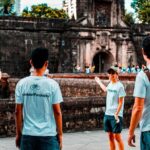
You start at Fort Santiago, and that choice makes the whole tour click. This is one of the key sites tied to Manila’s colonial past, and the atmosphere is different from the shopping streets outside. You’ll enter through the Fort Santiago Gate area and spend about an hour walking through the preserved parts and getting context for what happened here and why it mattered.
The guide focuses on the José Rizal legacy. You’ll hear how Rizal’s name fits into the story of Manila under Spanish rule, and how this fort became part of the national narrative people still reference today. It’s the kind of background that helps the stone and walls feel like more than a photo stop.
Also, this first stretch is a good warm-up. If you come with comfortable shoes, you’ll be ready for the rest of the day’s walking without feeling wrecked by the time you hit the big churches.
You can also read our reviews of more food & drink experiences in Manila
Intramuros Stops That Matter: Manila Cathedral and San Agustin
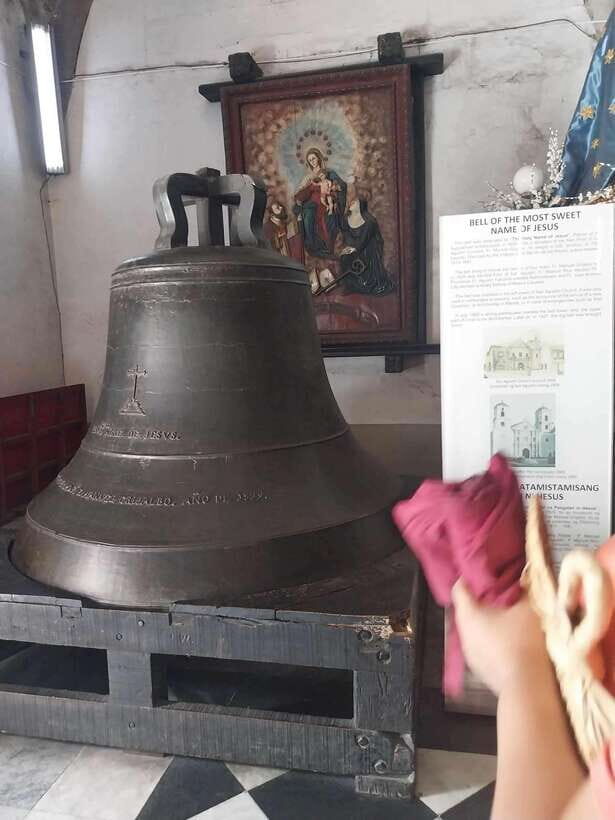
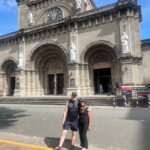
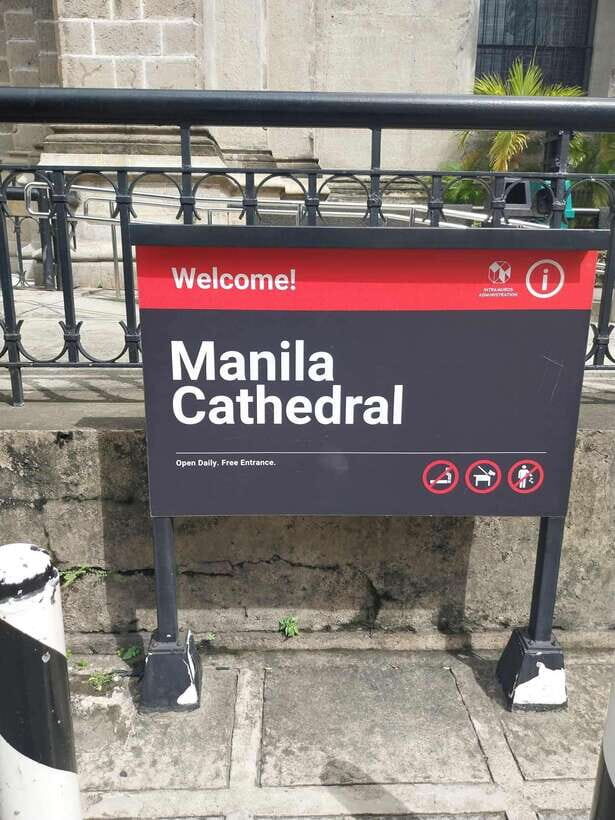
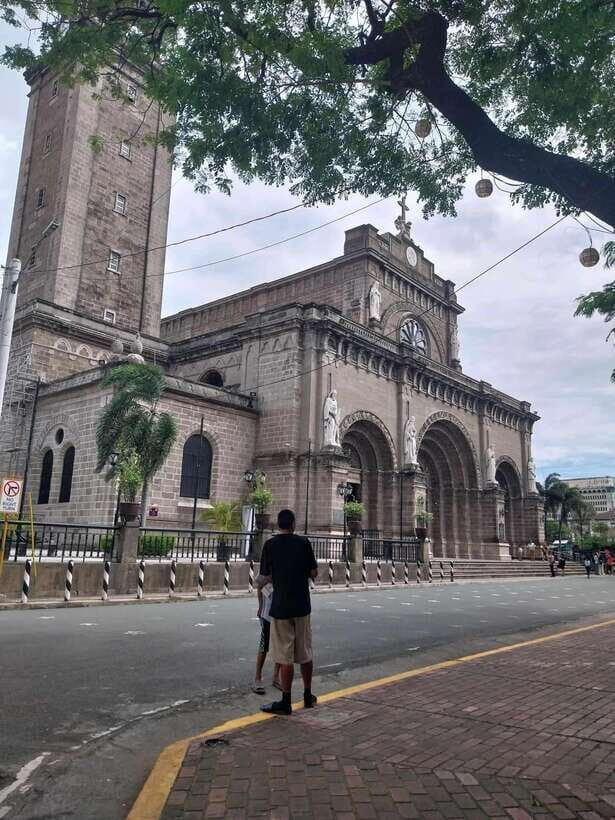
After Fort Santiago, you move through Intramuros in short legs, with time built in to actually look up and around. Next up is Manila Cathedral. It’s a well-known architectural landmark that has endured major disasters over time, so the building tells a “survival” story as much as a faith story. You’ll get the basics of why it’s important in Manila’s religious and historic life, not just a quick point-and-shoot.
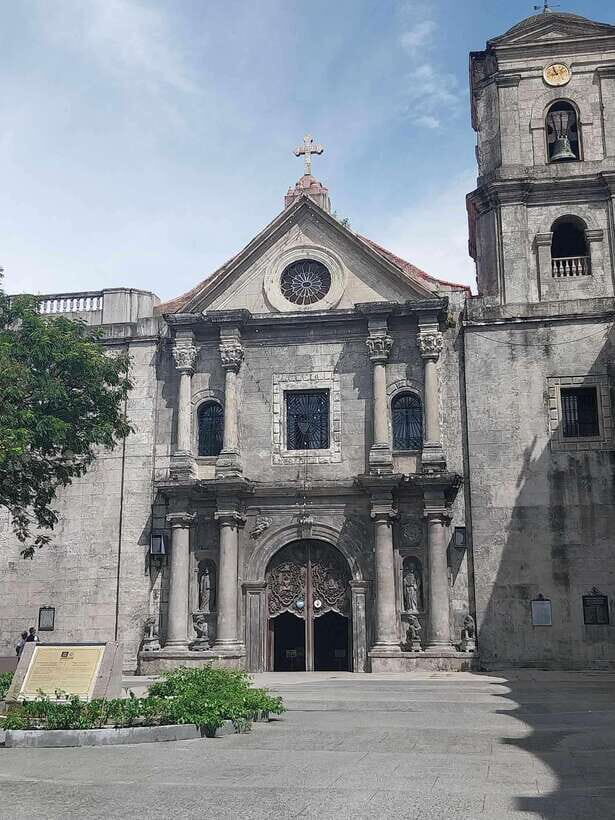
Then it’s a short walk to San Agustin Church. This one has extra weight because it’s the oldest stone church in the Philippines and a UNESCO World Heritage Site. The baroque design is a key visual you’ll notice as you approach—details in the facades and the general feel of the space make it memorable even if you’re not a hardcore church-hunter.
A practical note: churches mean quiet and respect. You’ll want to dress comfortably but keep things sensible, and you’ll likely spend a bit of time at each spot letting the guide explain what you’re seeing.
Tuktuk Crossing to Binondo: Old Streets, Fast Break
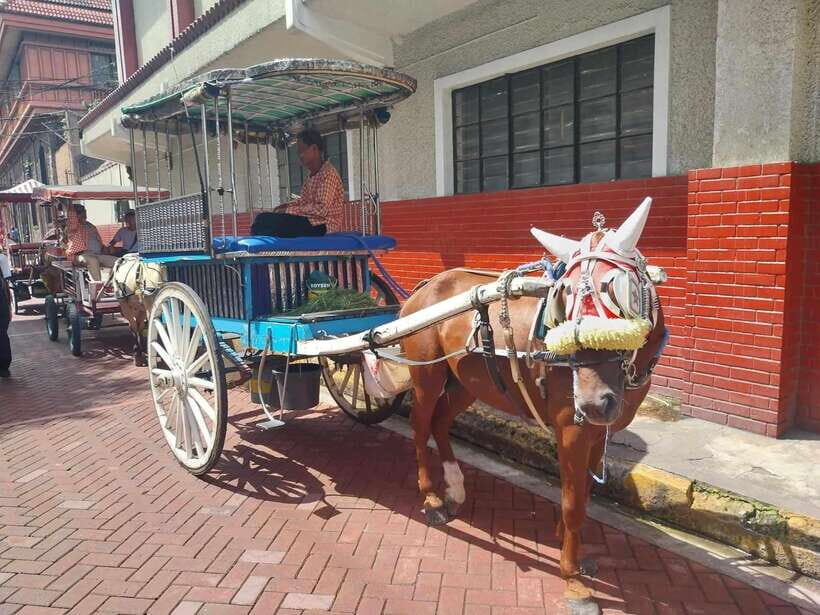
Once you finish the Intramuros sights, you get that quick change of pace: a tuktuk ride from Intramuros to Chinatown. It’s about 20 minutes, but it feels longer in the best way because you’re watching the city shift as you go—more street life, different smells, and a totally different rhythm than the fort and church stops.
The tuktuk is also a smart move for comfort. Your legs get a breather before the long food segment. If you’ve got any tight spots in your feet, this is the moment to relax and reset.
On the route, you’ll pass by landmarks and cobblestone streets that help you understand why Intramuros and Binondo sit so close yet feel so different. You’re not just transporting yourself. You’re seeing the transition.
7 Chinese Snacks in Binondo: What You’ll Taste and Why It’s Different
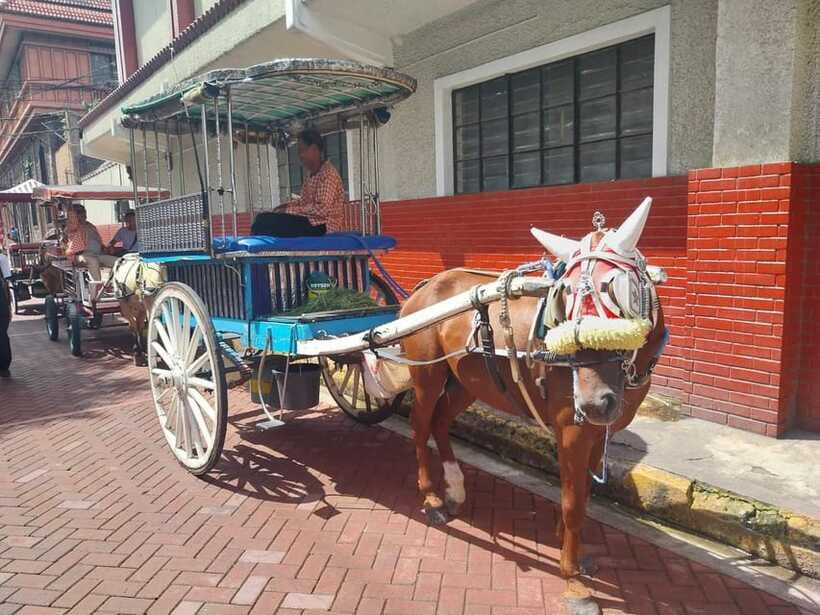
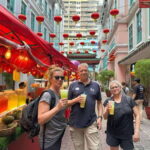
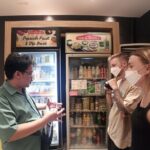
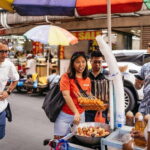
Binondo is where the tour turns into a real food outing. It’s known as the world’s oldest Chinatown, and once you arrive at the Binondo area, you’ll feel why it’s a cultural hub. The guide gives you stories while you eat, which is the difference between “here’s food” and “here’s why it exists.”
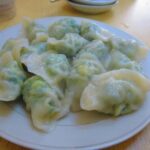
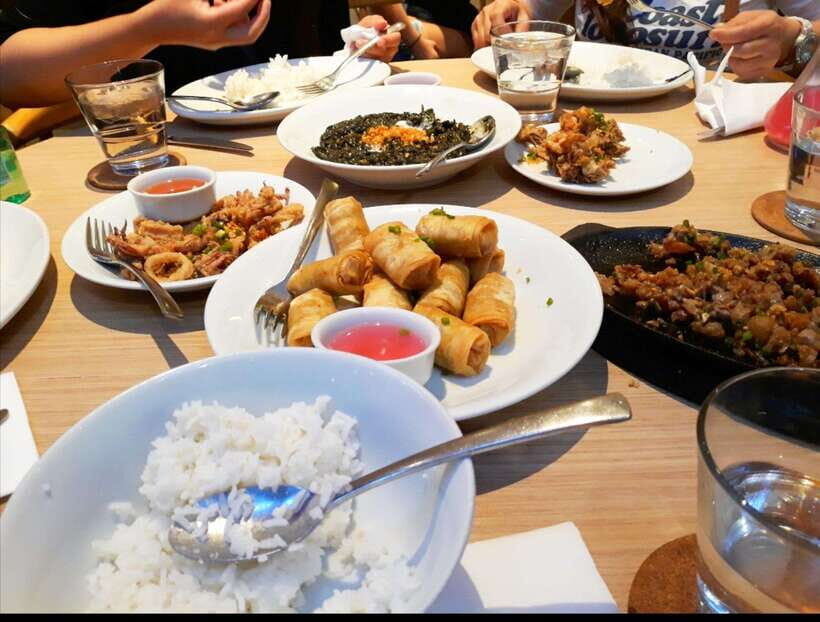
You’re set up for food tasting for about 3 hours, and you’ll try at least 7 Chinese delicacies. The exact selection can vary depending on availability, but you can expect classics like:
- Fried siopao
- Pork siomai (dumplings)
- Lumpia (spring rolls)
- Hopia (mung bean pastry)
- Pansit (stir-fried noodles)
- Egg tart
- Buchi
What I like about this structure is that you get variety in texture and flavor—savory items, pastries, and something sweet. It also helps you understand Filipino-Chinese fusion in a real-world way. The guide ties the dishes back to Chinese cultural influence on Filipino food, so you’re not just guessing what you’re eating.
And the quantity matters. The tastings aren’t tiny bites designed to tease you. They’re filling enough that you’ll feel satisfied by the end, which means you can realistically skip a big “dinner hunt” right afterward.
If you have food allergies, pay extra attention here. This tour isn’t suitable for people with food allergies, and you should respect that. Mixed ingredients are common in these snacks, and you can’t assume “safe enough” without full details.
Binondo’s Ending Point: Binondo Church as Your Finish Line
The tour wraps up at Binondo Church, formally the Minor Basilica and National Shrine of Saint Lorenzo Ruiz. Finishing here is a nice rhythm: you start with a fortress tied to national identity, and you end in another heritage space tied to faith and Filipino history.
After 7 tastings, the church stop also works as a reset. You’ll have a moment to slow down, take a breath, and reflect on what you just connected—Manila’s colonial past on one side, Chinese influence on the other, and how they show up right in daily life.
If you’re taking photos, bring your camera and keep it steady. Flash photography isn’t allowed, so plan to shoot in better light when you can.
A few more Manila tours and experiences worth a look

Guide Style and Small-Group Comfort (Up to 8 People)
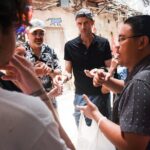
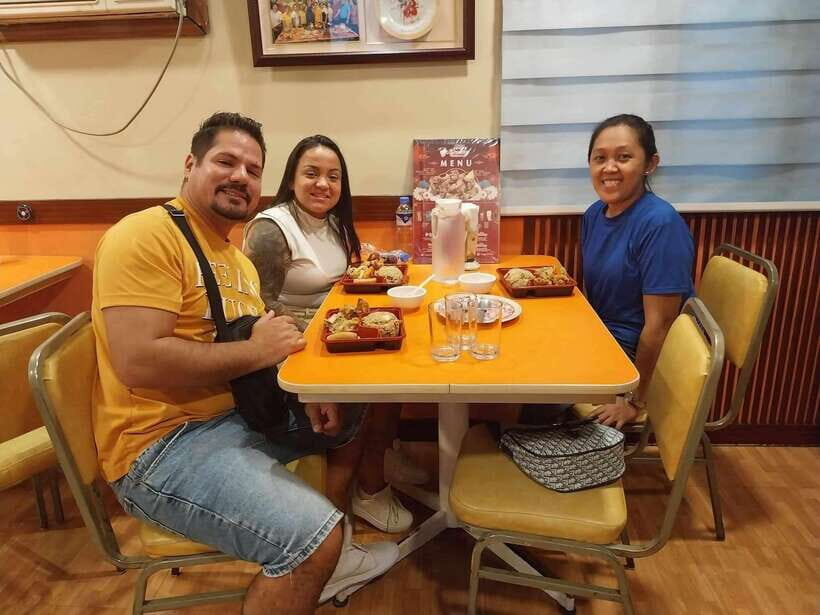
This is a small-group walking tour, limited to 8 participants. That size makes the difference. You’re not packed in like luggage. The guide can adjust pacing, point out what to look for, and still keep your questions from turning into chaos.
In particular, English instruction comes through clearly (and Tagalog is also part of the language offering). Guides named Jane or Jayne have been part of this tour experience, and the tone people describe is friendly and attentive. One of the best signs of a good guide is what happens after the tour, too—help with getting a taxi and making sure you get back okay is the kind of detail that turns a basic tour into a smoother day.
You’ll also get photography assistance. That means less awkward positioning and more “here’s how to frame it.”
Price and Value at $80 for 5 Hours
At $80 per person, you’re paying for more than walking. You’re getting:
- a professional English-speaking guide
- entrance fees to Fort Santiago
- a tuktuk ride
- 7 food tastings in Binondo (minimum, depending on availability)
- photography assistance
- a small-group experience
When I look at value, I think about two things: time and friction. You get a structured day (5 hours) that links key Intramuros sites with a food-focused Chinatown segment. You also skip the ticket line, which saves energy for the walking parts.
Is it cheap? No. But it’s not just “a guide and some snacks.” The entrance fees, transport, and multiple tastings are baked into the price, which is exactly what you want when you’re in a place where ticket lines and long wandering can eat your time.
What to Bring (and What to Skip) So You Don’t Lose Time
For a walking day with food stops, your kit should be simple:
- comfortable shoes (seriously, don’t gamble here)
- camera for Fort Santiago, Manila Cathedral, San Agustin, and Binondo Church
- sunscreen and water for the daytime heat
- a plan for where you’ll store snacks if the portions surprise you (they might)
Rules worth knowing before you go:
- no smoking
- no flash photography
Meeting details come to you within 24 hours after booking, so watch for the message and confirm the exact start spot at Fort Santiago Gate.
Who This Tour Fits Best
This tour is a strong choice if you want a day that connects places and food instead of doing them separately. It works especially well if:
- you like guided context, not just wandering
- you want a manageable group size
- you’re comfortable walking through historic areas
- you enjoy Chinese-Filipino flavors and want several tastings in one go
It’s not suitable for wheelchair users, and it’s not for people with food allergies.
Should You Book This Intramuros and Chinatown Food Tour?
If you’re spending limited time in Manila and you want a single plan that covers Fort Santiago, major Intramuros churches, and Binondo’s classic eats, this is a very practical booking. The tuktuk ride helps you avoid turning the day into a full leg day, and the food segment is substantial enough to feel like the main event, not an add-on.
I’d skip it if walking for 5 hours is a struggle for you, or if food allergies are part of your travel needs. Otherwise, it’s one of those tours where the “wow” comes from the pairing—history first, then food stories that explain what you’re actually tasting.
FAQ
How long is the tour?
The tour lasts 5 hours.
Where does the tour start and end?
It starts at Fort Santiago Gate and ends at the Minor Basilica and National Shrine of Saint Lorenzo Ruiz (Binondo Church).
What’s included in the price?
Included are a professional English-speaking tour guide, a tuktuk ride, 7 food tastings in Chinatown, entrance fees to Fort Santiago, and photography assistance.
Do I need to buy tickets for Fort Santiago?
You’ll skip the ticket line, so you won’t be spending your tour time dealing with ticket queues.
What languages are used during the tour?
The tour is offered in English and Tagalog.
Is this tour suitable for wheelchair users or people with food allergies?
No. It isn’t suitable for wheelchair users, and it isn’t suitable for people with food allergies.
What should I bring, and are there any restrictions?
Bring comfortable shoes, a camera, sunscreen, and water. Smoking isn’t allowed, and flash photography isn’t allowed.