REVIEW · MANILA
Manila’s Culinary Expedition: The Ultimate Food and Market Tour
Book on Viator →Operated by Yolo Travel Philippines · Bookable on Viator
Manila tastes better on foot. This 3-hour Chinatown food walk in Manila gets you sampling local favorites and learning how cuisine mirrors the city’s culture and history. Hotel transfers are included, but you’ll still do real walking to dodge gridlocked traffic and keep the experience moving.
I love the personal attention. Guides can tailor tastings to what you want, not just run you down a fixed checklist. I also like the way you connect food to Manila’s story, so every stop feels like more than a snack break.
One possible drawback: it’s a walking tour. If you’re short on stamina or hate crowds and busy sidewalks, plan for a steady pace and come prepared.
In This Review
- Key Highlights at a Glance
- Chinatown and Binondo: Why This Walk Works in Manila
- Price and Time Value: Getting Your Money’s Worth at $115
- What You Really Get: Hotel Pickup, Mobile Ticket, and a Small Team
- Entering Binondo: Your First Stop and the Market-Front Feeling
- The 10-Dish Plan: How You’ll Eat Enough Without Getting Stuck
- Guides Who Adjust to You: Mark, Kyle, Pedro, and Jack in Action
- How Cuisine Becomes Manila History (Without Making It a Lecture)
- Walking Shoes and Stomach Strategy: Practical Tips That Matter
- Weather, Minimum Travelers, and the Simple Reality of a Street Tour
- Is This Tour for You? A Straight Booking Checklist
- Bottom Line: Should You Book It?
- FAQ
- How long is the Manila culinary tour?
- Where does the tour start, and what area does it cover?
- What is the price per person?
- Is pickup included?
- How many dishes should I expect to try?
- What if the weather is poor or the tour is canceled?
Key Highlights at a Glance
- Small-group size (max 15): You get a tour vibe that feels personal, not mass-transport.
- About 10 dish tastings: You’ll eat enough to be satisfied, and still have room for more samples.
- Hotel transfers plus walking: You avoid traffic stress but still experience street-level Manila.
- Chinatown and Binondo focus: Great setting for market energy and food culture in one zone.
- Tailored tastings: Guides can adjust what you try based on your interests.
- Sturdy walking shoes: Comfortable footwear is not optional here.
Chinatown and Binondo: Why This Walk Works in Manila
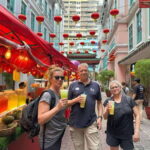
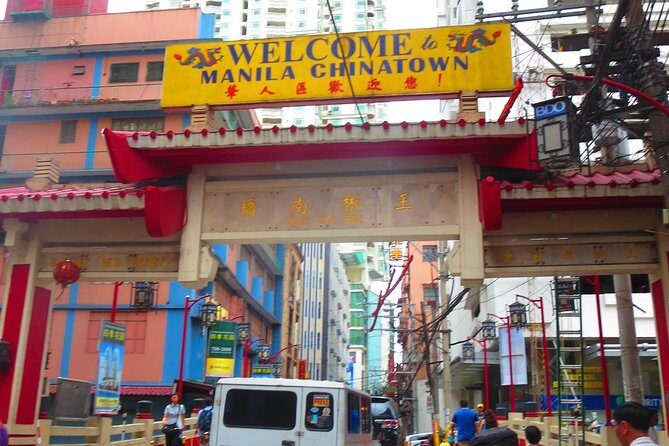
Manila traffic can be intense, and this tour avoids the stop-and-go trap by keeping you on foot where it matters. You start in Chinatown and spend time walking through the areas around Binondo, which is a smart choice if you want atmosphere as part of the “meal.”
What I like about this setup is that it helps you see what you’re eating. Food in Manila isn’t just something you order and carry away. It’s woven into the street scene, the storefronts, and the rhythm of local dining. When you walk, you pick up the context—voices, smells, and the flow of people shopping and snacking.
Also, the route design fits the tour length. In about three hours, you can cover enough ground for real variety without turning the whole thing into an endurance event. If you’ve been in Manila and felt overwhelmed by the scale, this style of tour gives you a workable way to get your bearings fast.
You can also read our reviews of more food & drink experiences in Manila
Price and Time Value: Getting Your Money’s Worth at $115
At $115 per person for around 3 hours, this isn’t a “cheap eats” thing. But it also isn’t just a food stop parade. The value is in the mix of hotel transfers, small-group guiding, and multiple tastings that add up to a proper meal experience.
Hotel pickup and transfers matter more than they sound. Manila can be easier to navigate with help, and it reduces the stress of getting yourself to the right blocks at the right time. You also get a guided flow, which is useful in a place where it’s tempting to wander randomly and then end up repeating similar snacks.
One more detail that affects value: you’ll sample around 10 dishes. That’s a big difference versus a quick tasting tour where you barely get a bite per stop. If you like trying a range of flavors in one go, this structure helps you do that efficiently.
If you’re traveling with friends or family, look at the group discount option. Even a small reduction helps when you’re paying for both food and guided time in a central area.
What You Really Get: Hotel Pickup, Mobile Ticket, and a Small Team
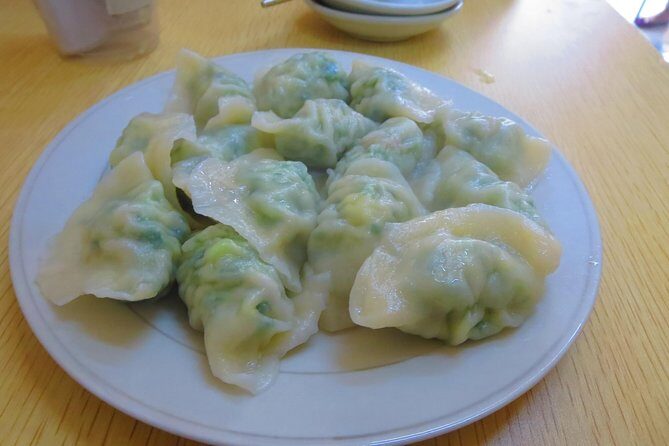
This tour runs with a small group capped at 15 travelers, which changes the whole experience. In a group that size, you can ask questions without yelling. You can also get more interaction, and guides can spend time answering how and why certain foods are made or eaten.
There’s also pickup offered, with hotel transfers included. That means you’re not dependent on taxis or public transport right at the start. You meet for the 12:30 pm departure, and the tour is designed to keep you moving through Chinatown and Binondo without wasting time on logistics.
You’ll receive confirmation at booking and a mobile ticket, which is convenient for day-of check-in. And since the tour starts near public transportation, you’re not stuck if you need a backup route to reach the meeting area.
Entering Binondo: Your First Stop and the Market-Front Feeling
Binondo is where the tour begins, and that matters. Starting in the neighborhood with strong street-and-market energy sets the tone for everything that follows. Instead of starting with a formal restaurant and slowly building up, you start with the kind of food environment Manila does best: active, local, and very much part of daily life.
At the Binondo stop, there’s an admission ticket included. That tells you this isn’t just a walk-by-and-try-something stop. You’ll likely spend real time at the food spot so the tasting feels like an experience, not a quick snack.
What to expect here:
- You’ll explore different restaurants and see the types of food they offer.
- You’ll begin tasting early, so you’re not spending the first part hungry.
- You’ll get a clearer idea of the area’s food culture before the walking continues.
One practical note: plan your stomach for variety. The guides want you to come ready to eat, and the tour is built around multiple tastings rather than one “main” meal.
The 10-Dish Plan: How You’ll Eat Enough Without Getting Stuck
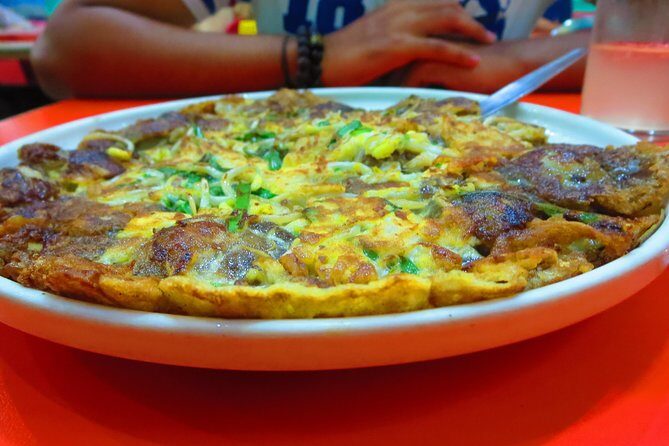
You’re set up to sample around 10 dishes during the tour. That pacing is key. It’s common to feel overly full on food tours if the portions are heavy at every stop. Here, the flow is structured so you can keep tasting across multiple locations.
In real terms, that means you should treat it like a series of bites, not one giant meal at a time. You’ll likely feel the early taps of fullness after a handful of stops, then find the rest of the tastings shift into lighter sampling. That’s what lets you keep enjoying the variety instead of just pushing food around your plate.
Also, because the tour is guided, you’re not stuck guessing what’s worth trying. You get direction on what to sample, and you can ask questions as you go. When the guide team can tailor the choices, you get to match tastings to your preferences instead of being forced into food you don’t enjoy.
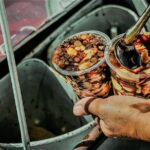
And yes, street food is a big part of the appeal here. It’s not a polished “presentation only” style. You’re eating like people in the area do—fast, flavorful, and focused on what tastes good right now.
A few more Manila tours and experiences worth a look
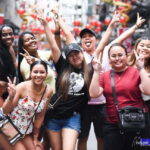
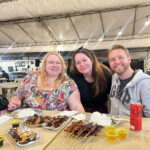
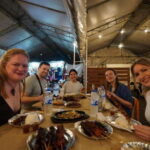
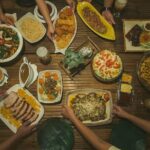
Guides Who Adjust to You: Mark, Kyle, Pedro, and Jack in Action
Good food tours rise and fall on the guide. This one is built around a guide-driver team and a small group setup, which helps the experience feel smooth.
You’ll see names come up in the guide team—Mark as the host/guide, supported by drivers like Kyle and Pedro, and even a trainee named Jack mentioned as helpful. The common thread is that the guiding isn’t robotic.
A standout pattern from the experience is customization. Mark has been praised for tailoring tastings to what people want to experience. That means if you’re curious about certain parts of Filipino food culture, or you’d rather focus on street energy versus sit-down bites, you’re more likely to get that balance.
There’s also the value of good answers. When you ask why a dish is made a certain way or what influences shape it, a strong guide can connect those dots through the food. That’s how the tour turns into more than eating: you’re learning while you move.
How Cuisine Becomes Manila History (Without Making It a Lecture)
This tour sells a simple idea: learn Manila’s culture and history through its cuisine. The trick is how it’s done. You’re not stuck in a classroom with a script. You’re learning while tasting, which makes the context stick.
The way Chinatown and Binondo feed that learning is obvious once you’re there. Food neighborhoods show their history in the ingredients, the cooking styles, and the everyday habits. Manila’s food culture reflects the city’s many influences, and guides help you spot that through what you’re eating.
You’ll also notice the tour gives you a view of Chinatown, and that helps tie the food story to place. Seeing the area from the right angle makes the history feel real, not like trivia.
If you like your travel education practical—stuff you can remember because you ate it—this format tends to work.
Walking Shoes and Stomach Strategy: Practical Tips That Matter
This tour is fun, but it is physical. It includes walking, and you’ll spend time moving between stops. The simplest advice is also the most important: wear sturdy walking shoes.
Here’s how I’d plan for the day:
- Eat lightly beforehand if you’re the type who gets uncomfortably full fast. The tour is designed so you should still be able to enjoy later tastings.
- Bring water and pace yourself. You’re going to taste multiple dishes; slow down between stops so the next bite stays enjoyable.
- If you have dietary restrictions, this is where customization can help—tell the guide early.
Also, come with the right mindset. This is not “one dish per stop.” It’s built around the idea that you’ll sample a lot. One review basically said it was almost too much food, which tracks with the design of about 10 tastings.
Weather, Minimum Travelers, and the Simple Reality of a Street Tour
This is a weather-dependent outdoor walking experience. If conditions aren’t good, the tour may be rescheduled or refunded. That’s the reality of street-and-market travel.
There’s also a minimum number of travelers requirement. If the minimum isn’t met, you’ll be offered a different date/experience or a refund. That’s common for small-group tours, and it’s part of keeping the guide-to-group ratio strong.
If you’re deciding when to book, aim for a clear weather window. And because the tour is popular, you might do well booking ahead—on average, it’s booked about 27 days in advance.
Is This Tour for You? A Straight Booking Checklist
I’d book this Manila food and market tour if:
- You want a small-group experience with personal attention.
- You like learning through food and not through lectures.
- You’re excited by Chinatown and Binondo energy and want to see it on foot.
- You’re comfortable walking for about 3 hours.
I’d think twice if:
- You don’t handle crowds or lots of walking well.
- You’re looking for a low-cost food “wander.” This is guided, transfer-inclusive, and tasting-focused.
- You’re allergic to uncertainty. The experience runs in street environments, so weather and timing are part of the deal.
Bottom Line: Should You Book It?
Yes—if your goal is to eat well and understand Manila faster, this tour is a smart use of time. The strongest reasons are the small group, about 10 dish tastings, and guides who tailor what you try. Add hotel transfers and a Chinatown/Binondo walking route, and the whole thing feels efficient without being rushed.
If you book, do two things: wear good shoes and show up hungry. That’s how you get the most out of a tour designed to feed you—and teach you—through the city’s street food culture.
FAQ
How long is the Manila culinary tour?
The tour lasts about 3 hours.
Where does the tour start, and what area does it cover?
It starts in Chinatown and includes time in and around Binondo, with walking between stops.
What is the price per person?
The price is $115.00 per person.
Is pickup included?
Pickup is offered, and hotel transfers are included. The tour still involves walking.
How many dishes should I expect to try?
You’ll sample around 10 dishes during the tour.
What if the weather is poor or the tour is canceled?
This experience requires good weather. If it’s canceled due to poor weather, you’ll be offered a different date or a full refund. There’s also a minimum number of travelers requirement, and if that minimum isn’t met, you’ll be offered a different date/experience or a full refund.