REVIEW · MANILA
Manila: Walled City Intramuros Walking Tour
Book on GetYourGuide →Operated by Don't Skip Manila Walking Tours · Bookable on GetYourGuide
Old Manila hits different on foot. I love the Fort Santiago start and the blunt, human World War II stories, and the tour still moves at a relaxed pace; the main drawback is the 5,000-step walk over cobblestones, plus churches need modest dress.
This is a 3 to 3.5 hour, English-led tour that strings together major sights of Old Manila: Fort Santiago, Jose Rizal’s shrine, Manila Cathedral, San Agustin Church, and the Casa Manila Museum, with a short kalesa or tranvia ride to catch your breath. If you like history explained clearly and you don’t want museum-only sightseeing, this works well.
If you’re short on time in Manila, this is one of the easiest ways to understand what Intramuros has meant across Spanish rule, the turn-of-the-century Filipino story around Rizal, and the scars of 1945. You’ll also get refreshments, and you’ll feel how seriously the guides take accuracy without making it heavy or hard to follow.
In This Review
- Key takeaways before you go
- Entering Intramuros: how a 3–3.5 hour walk tells the whole story
- Fort Santiago: the best place to start Old Manila
- Rizal shrine at Fort Santiago: a quiet stop with weight
- Manila Cathedral and Plaza Roma: Spanish power up close
- Kalesa or tranvia ride: the practical break you’ll thank yourself for
- Memorare Manila 1945: facing the Battle of Manila in 1945
- San Agustin Church: UNESCO Baroque you can actually notice
- Casa Manila Museum: the end that makes history feel lived-in
- Price and value: what $31 buys you in the real world
- Comfort checklist: shoes, modest clothing, and weather-proofing
- Who should book this Intramuros walking tour
- Should you book this Intramuros walking tour?
- FAQ
- How long is the Manila: Walled City Intramuros Walking Tour?
- Where does the tour start?
- What is included in the tour price?
- Is the guide provided in English?
- How much walking is involved?
- Does the tour run rain or shine?
- What should I bring and wear?
- FAQ
- Can I cancel and get a full refund?
- Are there any camera or device restrictions?
- Is the tour suitable for limited mobility?
Key takeaways before you go
- Fort Santiago first: You begin at a place built for defense, with river views and straightforward storytelling.
- Rizal’s final-days focus: Jose Rizal’s shrine gets a thoughtful, reflective explanation.
- Two UNESCO-level stops: San Agustin Church is the big one, and Manila Cathedral adds another major landmark moment.
- A reality check at Memorare Manila 1945: World War II is covered honestly, not like a trivia list.
- Casa Manila is the reset: After the heavy parts, you end by stepping into a recreated 19th-century home.
- A short ride helps: The kalesa or tranvia segment breaks up the walk inside the walls.
Entering Intramuros: how a 3–3.5 hour walk tells the whole story

This tour is built for people who want a guided “through-line” instead of a pile of monuments. You’ll cover roughly 5,000 steps over cobblestones and uneven surfaces, so comfortable shoes matter more than anything else. The route is paced for a relaxed walking tour, but you still need to be ready for real walking, not a slow stroll.
The duration is tight enough to fit into a half day. That’s the real value here: you get multiple iconic stops—Fort Santiago, Manila Cathedral, San Agustin, and Casa Manila—plus key historical context from Spanish-era Manila all the way to World War II. And because the guide keeps the narration connected, the sights start to make sense as parts of one story instead of separate photo spots.
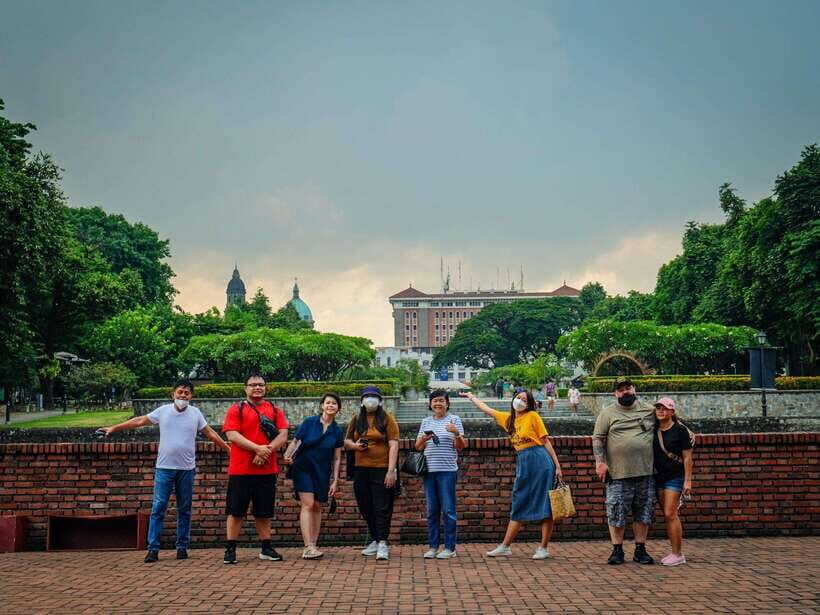
One useful detail: groups can be international and mixed, and guides handle it smoothly. On a small group day I saw, people included locals and foreigners together, and the guide made space for questions in a friendly way. For anyone who’s nervous about history tours, that tone helps.
You can also read our reviews of more walking tours in Manila



Fort Santiago: the best place to start Old Manila
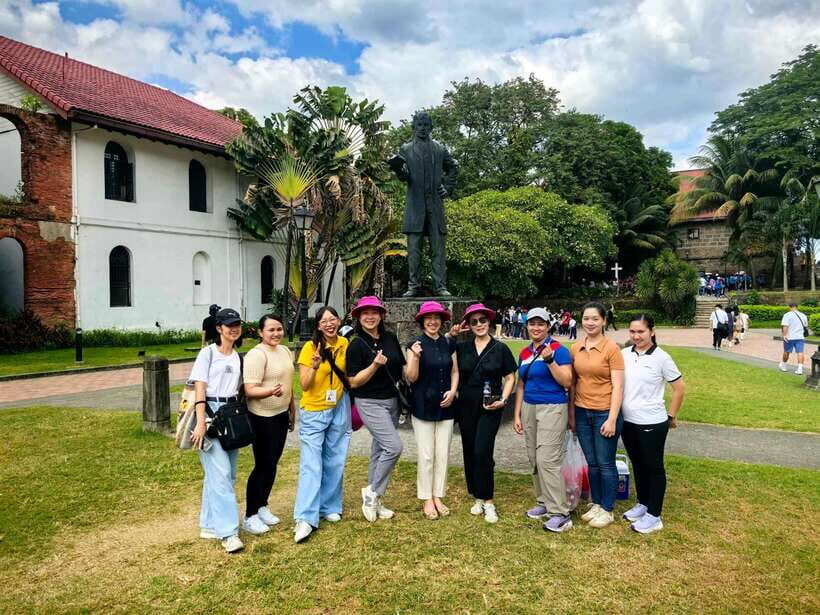
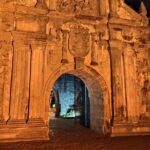
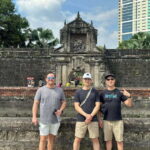
You begin at Fort Santiago, and that matters. Starting with a fortified site gives you the right mental frame. You’re not just looking at old walls; you’re seeing why the city was built to be defended, and how the geography shaped life inside the walled perimeter.
Expect a guided walkthrough that blends structure and story: what the fort was for, how colonial Manila took shape, and how the people connected to these places. There are also views toward the river area, which give your brain a quick reality check. It’s easier to picture the city when you can see where water and movement would matter.
The guide’s job here is to make the timeline easy to follow. In past groups, guides like Andre/Andrei have used clear, easy English and explained scenes like they were telling a story. That approach is more useful than reciting dates, especially early in the tour when you’re still getting your bearings.
If you’re someone who likes to understand the “why” behind walls, this first stop will feel like the anchor of the whole outing.
Rizal shrine at Fort Santiago: a quiet stop with weight
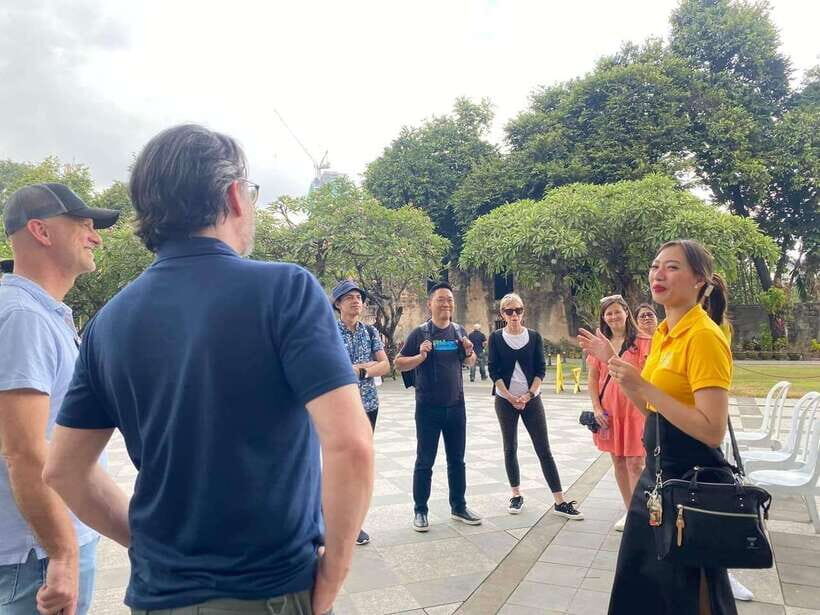
From Fort Santiago, you move to the Jose Rizal shrine for a photo stop and a guided explanation. This isn’t treated like a quick checkbox. The framing is about Rizal’s final days, with a tone that encourages reflection.
Practically, this is a shorter segment—enough time to read, listen, and take photos without feeling rushed. But emotionally, it lands. Rizal’s story is one of the clearest ways to understand Filipino resistance and national identity, and seeing the site in context inside Intramuros helps the message stick.
Tip from the walking side of things: because this is still part of a moving day, keep your phone ready for photos but also give yourself a moment to slow down. The guide will likely steer you toward what to pay attention to.
Manila Cathedral and Plaza Roma: Spanish power up close
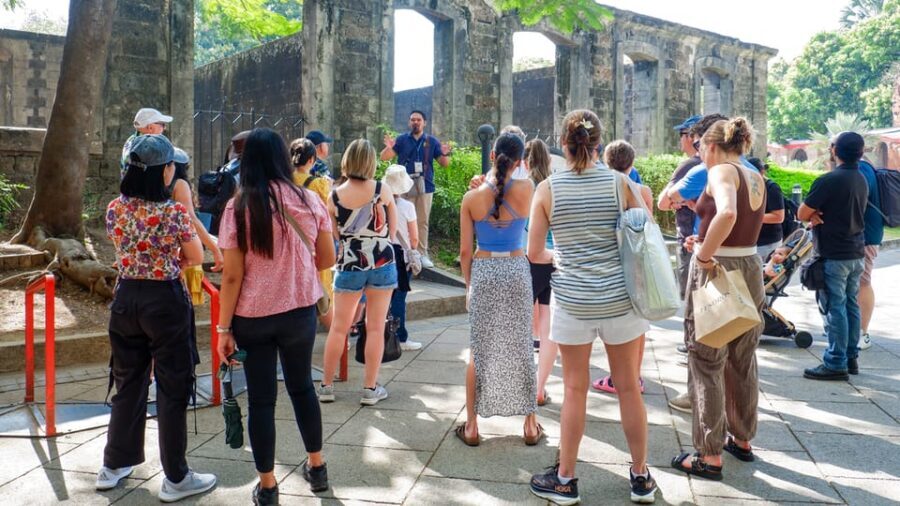
After Fort Santiago and Rizal’s shrine, you’re in the heart of Intramuros. You’ll pass by key squares and streets—Plaza Roma is one of the named stops—then reach Manila Cathedral for a guided look plus some free time.
This is where you start seeing architecture as more than decoration. Manila Cathedral is a major visual statement of Spanish-era influence, and the guide will connect it to the role religion and institutions played in daily life. The free time portion is important because you can step back, take photos, and absorb the scale without listening to every second being narrated.
Dress etiquette counts here. Since you’ll be visiting churches and selected religious sites, you’ll want clothes that cover up enough to feel comfortable inside. That usually means avoiding sleeveless tops and short shorts. I’d rather be slightly overdressed than forced to deal with discomfort at the entrance.
If you’re traveling in hotter weather, you’ll also appreciate that this segment includes breaks. Churches can be cooler, but they can also mean you’ll be standing for short periods while photos happen.
Kalesa or tranvia ride: the practical break you’ll thank yourself for
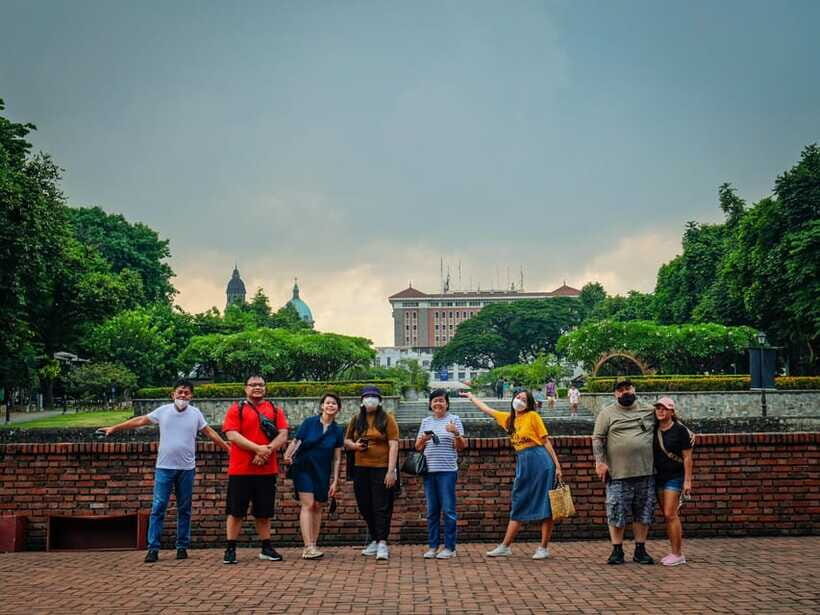
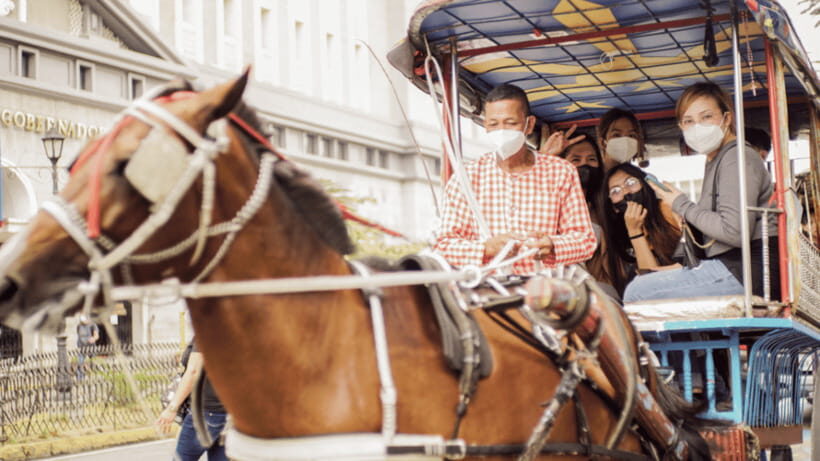
Inside Intramuros, you’ll have a short kalesa or tranvia ride (about 20 minutes). This is not just for fun. It’s a smart pacing tool when you know you’ll still have more walking after.
The ride gives you a smoother transition between stops and helps protect your energy for the remaining segments, including the heavier World War II portion and the final museum visit. It’s also a good way to enjoy the streets without constantly watching your footing over uneven cobbles.
If you’re photos-first, this is a moment to position yourself for good shots, but don’t block others. If you’re more history-first, use the ride time to listen closely. Guides often connect what you see moving past—streets, walls, and layout—back to how the city functioned.
You can also read our reviews of more city tours in Manila
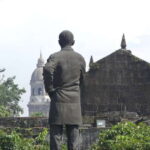



Memorare Manila 1945: facing the Battle of Manila in 1945

This tour doesn’t shy away from the hard part: the Battle of Manila and what the city endured in 1945. You’ll visit Memorare Manila 1945 with a guided explanation and a bit of walking time around the area.
The key here is tone and clarity. The guide brings you through the reality of war—what it meant for ordinary people and what surviving looked like for a city that had to rebuild. It’s heavier than the Spanish-era sections, so you might feel the emotional weight more strongly. That’s normal.
What I like about including this mid-tour is pacing. You’ve already seen the fort and the religious and civic landmarks, so the war story isn’t floating in the abstract. You understand what was at stake and why rebuilding mattered. After this stop, Casa Manila will feel like a release valve: daily life, households, and textures of the 19th century.
If you get emotionally affected, you’re allowed to take a breath. This is a story best received slowly.
San Agustin Church: UNESCO Baroque you can actually notice
Next up is San Agustin Church, a UNESCO World Heritage site. You’ll do a photo stop and then a guided visit.
For quick context, this church is known for its Baroque architecture, and the guide helps you spot what makes it special without requiring you to be an architecture student. In practical terms, expect to spend enough time to see key features, hear why the site matters, and understand its lasting significance.
Why this stop works on a walking tour: you’re not arriving at a church as a standalone attraction. You’re arriving with your mind already primed by the fort, the cathedral, and the World War II story. That makes the church feel like a thread that connects different eras rather than just a pretty building.
Also, it’s a photo magnet, so be ready for other people to turn up for shots. Keep your timing smooth and listen first—photos go better once you know what you’re looking at.
Casa Manila Museum: the end that makes history feel lived-in

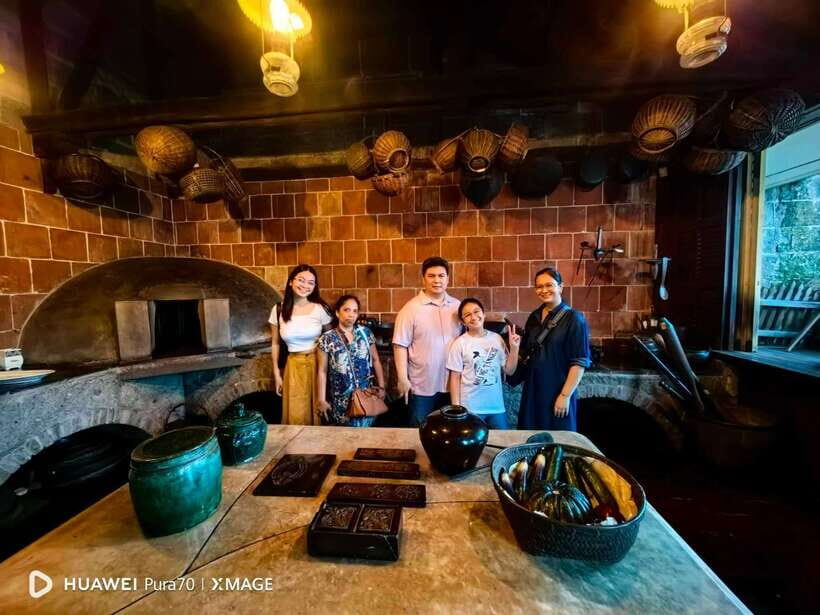
The tour wraps at Casa Manila, where you visit the museum for about 30 minutes with a guided explanation. This is the recreated 19th-century home, and it shifts the focus from monuments to daily life.
Instead of just seeing dates and events, you get the textures of family and household routines under Spanish colonial influences. It’s the kind of ending that helps your brain file the tour into something human. After a war-focused section, walking into a recreated home is a relief. You’re reminded that history wasn’t only battles and churches; it was meals, work, and how people lived day to day.
If you enjoy small-scale storytelling—rooms, objects, and how people organized living spaces—Casa Manila is where the tour pays off. Even if you only understand part of what you’re seeing, the guided explanation will help you connect it back to what the guide taught earlier.
At this point, you’ll likely feel like Intramuros is more than a postcard. It becomes a place with routines, fears, and routines again.
Price and value: what $31 buys you in the real world
At about $31 per person for roughly 3 to 3.5 hours, this tour can be good value if you’d otherwise have to pay separately for entry tickets and organize your own route.
What’s included matters:
- A live English guide
- Fort Santiago entry
- Jose Rizal shrine entry
- Casa Manila Museum entry
- Refreshments
- A kalesa or tranvia ride
- The walking tour itself
If you’re comparing this to doing Intramuros on your own, the guide is doing the heavy lifting. You’re paying for context that helps you understand what you’re looking at—especially at Fort Santiago and during the 1945 World War II section. That’s the kind of value you feel immediately, not later.
One small caution from how tours sometimes go: if your booking details have any confusion, it can create delays. My practical advice is simple—show your confirmation and be ready to verify the meeting point when you arrive.
Comfort checklist: shoes, modest clothing, and weather-proofing
This is a walking tour with real ground conditions. You’ll cover about 5,000 steps, with cobblestones and uneven surfaces. Bring comfortable shoes with grip. If your shoes are more fashion than traction, you’ll pay for it here.
Clothing also matters because you’ll enter churches and selected sites. The recommended approach is modest: avoid sleeveless tops and short shorts. It’s also smart to have something with sleeves in case the church interiors have stricter expectations or you feel chilly from indoor air-conditioning.
Weather: the tour runs rain or shine. Bring water, basic sun protection, and a small umbrella if rain is likely. Manila weather can change fast, and getting wet for hours isn’t fun. You don’t need gear for survival—just common sense.
There are also a few no-go rules that affect the day:
- No smoking or vaping
- No pets
- No professional cameras
- Avoid making noise during visits
- No alcohol and drugs
- Don’t wear ripped clothing
- Avoid nudity
None of this is complicated. It just means you should dress like you’re going to a respectful sightseeing day, because that’s what this is.
Who should book this Intramuros walking tour
This tour is a great fit if you want Old Manila in a single, guided loop. I’d book it if you:
- Want history explained in English without drowning in dates
- Prefer a mix of forts, churches, a museum, and a short ride
- Like when the guide ties sites together across eras, including the hard 1945 period
- Appreciate a calm, clear guide style (Andre/Andrei has been praised for easy-to-understand storytelling)
It’s not the best choice if you:
- Use a wheelchair or need step-free routes
- Have breathing issues that make sustained walking hard
- Need accommodations for visual impairment
- Are over 95 years old
Also, if you know you struggle with uneven surfaces, consider whether cobblestones and short standing periods inside churches will be comfortable for you.
Should you book this Intramuros walking tour?
Yes, I’d book it if you want the most meaning per hour in Intramuros. The guide-led storytelling connects Fort Santiago, Rizal’s shrine, major church landmarks, the stark World War II story at Memorare Manila 1945, and then ends at Casa Manila so the experience finishes with daily-life context.
Skip it only if walking cobblestones for about 5,000 steps sounds unpleasant, or if you need a more accessible, less strenuous format. And bring modest clothing and good shoes. Do those two things, and you’ll get far more than a photo walk.
FAQ
How long is the Manila: Walled City Intramuros Walking Tour?
The tour lasts about 3 to 3.5 hours.
Where does the tour start?
The meeting point can vary depending on the option booked. One listed starting location option is HXVC+8F5, United Philippine Lines.
What is included in the tour price?
Included are the walking tour, a guide (English), Fort Santiago entry, Jose Rizal shrine entry, Casa Manila Museum entry, refreshments, and a kalesa or tranvia ride.
Is the guide provided in English?
Yes, the tour has a live guide who speaks English.
How much walking is involved?
You’ll walk around 5,000 steps, including cobblestone streets and uneven surfaces, so comfortable shoes are recommended.
Does the tour run rain or shine?
Yes, it operates rain or shine.
What should I bring and wear?
Bring comfortable shoes and comfortable clothes. Since churches are part of the tour, avoid sleeveless tops and short shorts or other revealing outfits.
FAQ
Can I cancel and get a full refund?
Free cancellation is available up to 24 hours in advance for a full refund.
Are there any camera or device restrictions?
Professional cameras are not allowed.
Is the tour suitable for limited mobility?
It may not be ideal for guests with limited mobility, and it is listed as not suitable for wheelchair users.