REVIEW · MANILA
A Step Back in Time: Intramuros Walking Tour
Book on GetYourGuide →Operated by Let's Go Intramuros · Bookable on GetYourGuide
Old Manila hits different when someone explains it.
This Intramuros tour turns major events into walkable landmarks, with stories from local guide Russell Leyco. I especially like the focus on Fort Santiago and the way the guide connects stops to the bigger Manila timeline.
I also like that you get multiple “bookends” of the same area—Spanish-era architecture, major wartime history, and cultural sites—without feeling rushed. The only real drawback is that you should be ready for some stairs and tight sidewalks in a historic walled area.
In This Review
- Quick hits: what makes this Intramuros tour work
- Intramuros on foot: the small scale that makes history feel close
- Where the tour starts: Fort Santiago entrance near United Philippine Lines
- Fort Santiago: the oldest stone fortification and its hardest stories
- Museum of Jose Rizal: short visit, big “why this person” payoff
- Manila Cathedral: a quick look at a major religious landmark
- San Agustin Church: UNESCO walls with real presence
- Casa Manila: finishing with a sense of household life and Spanish influence
- Skip the ticket line: why that small perk matters
- Price and value: what $28 per person buys you in Old Manila time
- Timing, comfort, and what to bring for a 3-hour walk
- Who should book this tour (and who might want a different style)
- Should you book the A Step Back in Time: Intramuros Walking Tour?
- FAQ
- How long is the Intramuros walking tour?
- How much does the tour cost?
- Where do I meet the guide?
- What sites are included in the walking route?
- Is the tour in English?
- Are admission fees included?
- What’s not included in the price?
- Does the tour include skipping the ticket line?
- Is the tour wheelchair accessible?
- What should I bring?
- Can I cancel if my plans change?
Quick hits: what makes this Intramuros tour work
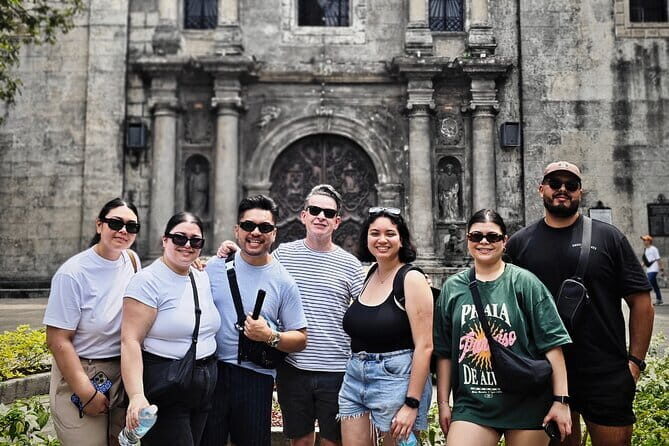
- Fort Santiago for real-world context at the oldest stone fortification in Intramuros
- A dungeon-focused history lesson tied to the Manila massacre and Japanese invasion
- UNESCO Church of San Agustin stop for architecture and heritage insight
- Short guided time slices at Manila Cathedral and Casa Manila so you still move as a group
- Skip-the-ticket-line pacing so you spend more time listening and less time queuing
Intramuros on foot: the small scale that makes history feel close

Intramuros is only a few streets wide, but it’s packed with centuries of power shifts. Walking is the point here, because you can’t see the logic of the walls, gates, and church placements from a bus window. On this tour, you move site-to-site with a guide who’s built a storyline around what you’re looking at.
You’ll get the feel of Old Manila as a lived-in place, not just a list of monuments. That matters, because Intramuros can look like a “museum district” from afar. On the ground, it reads like a map of conflict, faith, and city planning.
If you’re the type who likes asking questions and filling in gaps, this format helps. The tour is only about three hours, so you’ll concentrate on a handful of key stops—then you’re done before your feet rebel.
You can also read our reviews of more walking tours in Manila



Where the tour starts: Fort Santiago entrance near United Philippine Lines
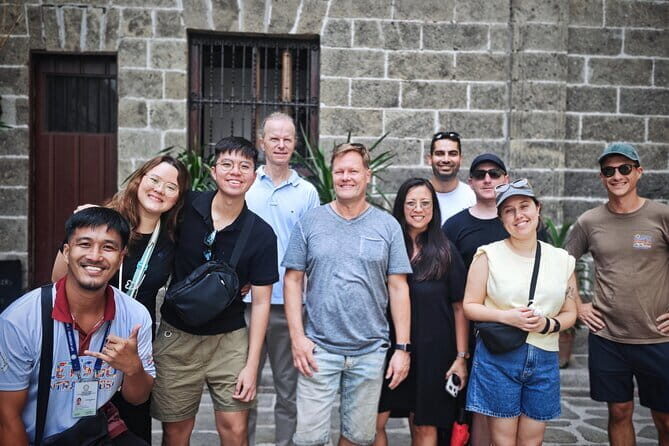
The guide meets you at the Fort Santiago entrance, right in front of the United Philippine Lines building on Sta. Clara Street. This is a practical start because it puts you instantly in the thick of Intramuros, instead of wasting time getting oriented.
I recommend arriving at least 15 minutes early. Intramuros mornings can be smoother when you’re not rushing, and you’ll want a quick moment to settle shoes and water before the first guided walk.
You don’t have hotel pick-up or drop-off, and there’s no included transport. So plan to reach Sta. Clara Street on your own, then treat the tour as your structured “walking block” inside the walled area.
Fort Santiago: the oldest stone fortification and its hardest stories
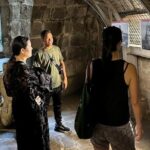
Fort Santiago is the anchor stop, with about one hour of guided time. This isn’t just a “look around” visit. The tour is designed to explain why the fort mattered and how it connects to major wartime history.
The highlight here is the dungeon. You’ll learn more about the Manila massacre and Japanese invasion through what you see and what the guide tells you about confinement and impact. It’s the kind of historical context that changes how you interpret stone walls. Suddenly it’s not architecture—it’s evidence.
Possible drawback: this section may hit emotionally. If you prefer only lighter, cultural stops, you might find the dungeon-focused part intense. On the other hand, if you want the reality behind the dates, this is the stop that delivers.
Museum of Jose Rizal: short visit, big “why this person” payoff

After Fort Santiago, you’ll head to the Museum of Jose Rizal for about 30 minutes guided. This part works well because it’s a compact dose of national identity. Rizal isn’t just a name in a textbook; the museum setting gives you a sense of how his life and ideas fit into the broader Philippine story.
In a three-hour walking tour, time is tight. That’s why the guided museum segment matters: it helps you focus on what connects Rizal’s legacy to the places around Intramuros.
If you’re the kind of traveler who loves reading every plaque, this stop might feel fast. But if you want guided direction, 30 minutes is enough to get the point and keep moving.
Manila Cathedral: a quick look at a major religious landmark

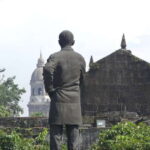
Next is Manila Cathedral with about 20 minutes of guided time. This isn’t long, but it’s the right length for the “see it, understand it, move on” style of a walking tour.
Cathedrals can feel like backdrops on tours if the guide doesn’t connect them to history. Here, you should expect the guide to tie the cathedral into Manila’s colonial-era story and how religious institutions shaped the city’s identity.
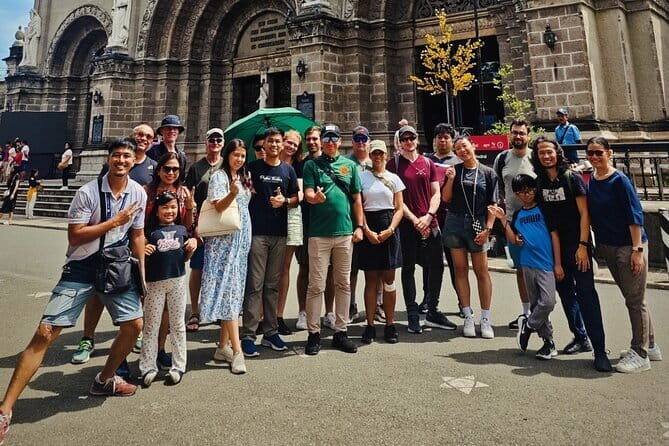
Practical tip: this stop is often a good photo moment. Bring your patience for small crowds and keep your attention on what the guide points out, because the interesting details are usually not the obvious ones.




San Agustin Church: UNESCO walls with real presence
You’ll then visit San Agustin Church for about 15 minutes guided. This is one of Intramuros’ most important religious sites, and the connection to UNESCO heritage is a big part of why it’s included.
The value of this stop is how quickly the guide helps you read the building. You’ll likely notice how church design isn’t only about aesthetics—it reflects the role of faith in city life, and how Spanish-era planning left a lasting stamp on Manila.
Time is short, so don’t expect a long sit-down visit. Instead, aim to absorb the key architectural or historical points the guide highlights. Fifteen minutes is enough when someone points out what to look for.
Casa Manila: finishing with a sense of household life and Spanish influence
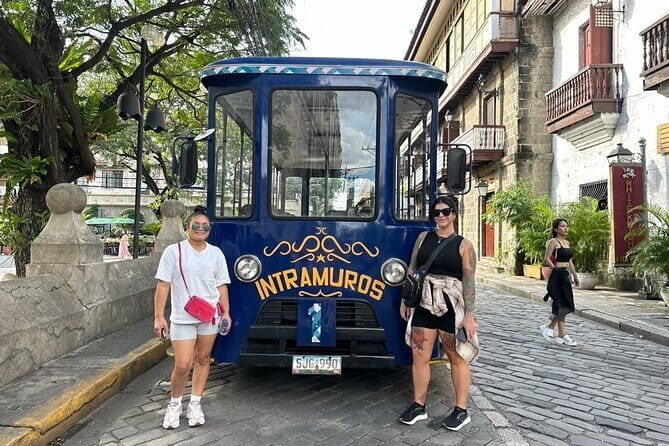
The tour includes Casa Manila for about 20 minutes, and it’s also listed as the finish point. That matters. Casa Manila tends to feel more lived-in than a fortress or cathedral, giving you a calmer, more human perspective at the end.
This is a smart pacing choice. After the heavier wartime context at Fort Santiago and the museum-focused stop, Casa Manila gives you a different emotional tone. It’s where the story shifts toward daily life and the social texture of an earlier Manila.
One logistical note: the itinerary lists Casa Manila as the finish, while the activity description says it ends back near the meeting point. In practice, you should plan for the tour to loop within Intramuros and return you to the original area rather than sending you somewhere far away.
Skip the ticket line: why that small perk matters
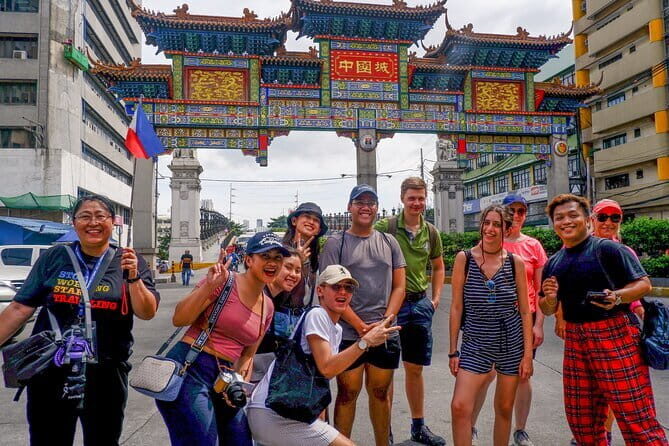
This tour offers skip-the-ticket-line. That sounds minor until you’re standing in the heat with everyone else. In a three-hour walk, every minute you save helps the guide keep the pacing tight.
It also makes the whole experience feel smoother. Instead of losing time to admin, you spend that time on guided explanations and photo moments—especially helpful for stops like Fort Santiago where you want context before you start wandering.
Price and value: what $28 per person buys you in Old Manila time
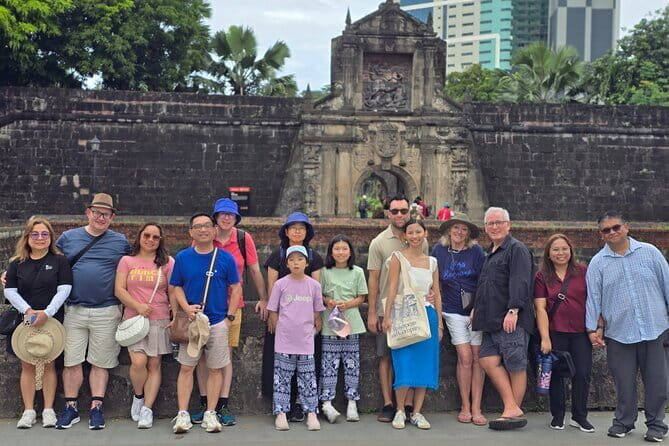
At $28 per person for about three hours, the value comes from the structure: multiple guided stops, admission fees included, and an English-speaking DOT accredited local guide.
Here’s how I’d think about value:
- You’re paying for guided meaning, not just site access. Intramuros is full of plaques, but a story makes the area connect.
- Admission fees are included, so the final bill is simpler than tours that split out entry costs.
- The stops are deliberately spaced (1 hour, 30 minutes, then shorter segments), so you don’t lose the day to long museum time.
The one caution on price: the private group option notes the tour rate is good up to 4 persons, with an additional Php 1,500 per existing pax after that. If you’re traveling as a small group and considering a private booking, do the math based on your headcount.
Timing, comfort, and what to bring for a 3-hour walk
This is a 3-hour tour. Check availability for starting times. If you can choose, pick a time that fits your energy level—Intramuros walking is easier when the sun isn’t at full power.
The essentials are simple:
- Umbrella (weather can change fast)
- Water (you’ll be moving between stops)
Comfort note: historic districts often have uneven pavement and tight spaces. Wheelchair access is listed as available, but you should still expect that the experience may be more manageable if you can move at a steady walking pace with your group.
Who should book this tour (and who might want a different style)
This tour is a good fit if you:
- want English narration tied to real landmarks
- like history that has consequences, not just dates
- enjoy asking questions during guided site visits
It’s also family-friendly in spirit, since the tour aims to be fun and educational for all ages. Short guided segments keep attention from wandering too far.
If you’re someone who prefers slow, self-paced museum time, you might find the stop durations tight. But if you want clarity fast—then this is a strong choice.
Should you book the A Step Back in Time: Intramuros Walking Tour?
I’d book it if your goal is to understand Intramuros in one organized walk. The lineup makes sense: Fort Santiago for the core dramatic history, Rizal for national context, Manila Cathedral and San Agustin for the big heritage landmarks, and Casa Manila to land the story with a more everyday perspective.
Skip it if you only want light sightseeing or if you’re sensitive to the dungeon-focused wartime material at Fort Santiago.
If you do book, come early, bring water and an umbrella, and be ready to listen. This tour works best when you treat it like a guided story walk, not a checklist sprint.
FAQ
How long is the Intramuros walking tour?
The tour duration is listed as 3 hours.
How much does the tour cost?
The price is $28 per person.
Where do I meet the guide?
The guide meets participants at the Fort Santiago entrance, located in front of the United Philippine Lines building on Sta. Clara Street.
What sites are included in the walking route?
You’ll visit Fort Santiago, the Museum of Jose Rizal, Manila Cathedral, San Agustin Church, and Casa Manila.
Is the tour in English?
Yes, the tour includes an English-speaking local guide.
Are admission fees included?
Yes. Admission fees are included.
What’s not included in the price?
Hotel pick-up/drop-off, food and beverages, and transportation are not included.
Does the tour include skipping the ticket line?
Yes, the tour includes skip the ticket line.
Is the tour wheelchair accessible?
Wheelchair accessibility is listed as available.
What should I bring?
Bring an umbrella and water.
Can I cancel if my plans change?
The tour offers free cancellation up to 24 hours in advance for a full refund.