REVIEW · MANILA
Manila: Intramuros Walled City Guided Walking Tour
Book on GetYourGuide →Operated by V.S Tour Services · Bookable on GetYourGuide
Intramuros makes Manila feel walled in time. I love how Jane guides you through the Intramuros fortifications with humor and clear storytelling, and you get right up to the big Spanish-era landmarks like San Agustin.
This is also a tour where comfort matters. The streets are tight and the sun can be intense, so plan for real walking and bring sun protection, because it’s not wheelchair friendly and not a match if you need extra mobility support.
In This Review
- Key highlights worth aiming for
- Intramuros: Why the Walled City Still Feels Different
- Casa Manila start: the smart way to orient yourself
- The Intramuros walk: defensive streets and prime photo moments
- Manila Cathedral: the Church of Manila story, in its newest form
- San Agustin Church: a National Historical Landmark stop
- Casa Manila and Jose Rizal connections you can actually use
- Fort Santiago finish: ending at a defense-built landmark
- The pace, the heat, and what to bring so you enjoy it
- Price and value: is $50 worth it for an Intramuros walk?
- Jane’s tour style: humor, English clarity, and smart pacing
- Possible downsides: walking stamina and guide consistency
- Who should book this Intramuros guided walking tour
- Should you book? My take on the best way to use your money
- FAQ
- How long is the Intramuros walled city guided walking tour?
- Where do I meet the guide?
- What’s included in the price?
- Is hotel pickup or drop-off included?
- What language is the tour in?
- Is the tour wheelchair accessible?
- What should I bring?
- What’s the cancellation window?
Key highlights worth aiming for
- Meet Jane at Casa Manila so you start with the right context and an easy landmark for finding your group
- Intramuros street layout: compact, defensive streets built to channel movement and protect inside the walls
- Manila Cathedral stop: a look at the newest version of the Church of Manila’s long-standing story
- San Agustin Church: one of the major National Historical Landmark churches you’ll get to see on foot
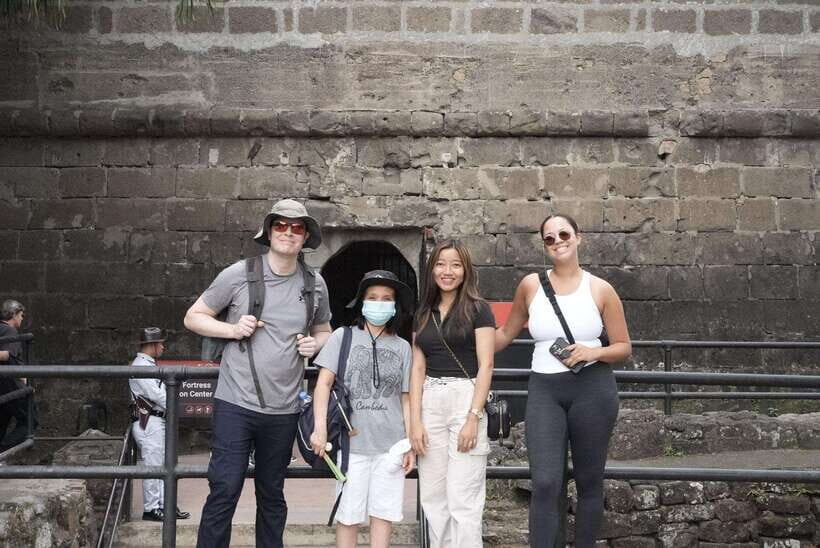
- Fort Santiago finish: end your walk at a place built for defense, not just sightseeing
- Quick photo support plus free time inside the walls so you can both learn and wander
Intramuros: Why the Walled City Still Feels Different
Intramuros isn’t just “old buildings in Manila.” It was designed like a defense machine—streets laid out tightly, with the idea that the inside would be protected from outside attack. You’ll feel that logic as you move, especially when you see how everything funnels toward key plazas and major structures.
What makes this tour appealing is that it gives you the map in your head, not just the postcard view. With Jane leading you, you learn how the walled city system worked and why the architecture and religious sites ended up where they are.
You can also read our reviews of more walking tours in Manila



Casa Manila start: the smart way to orient yourself
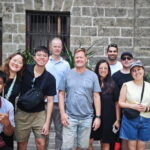
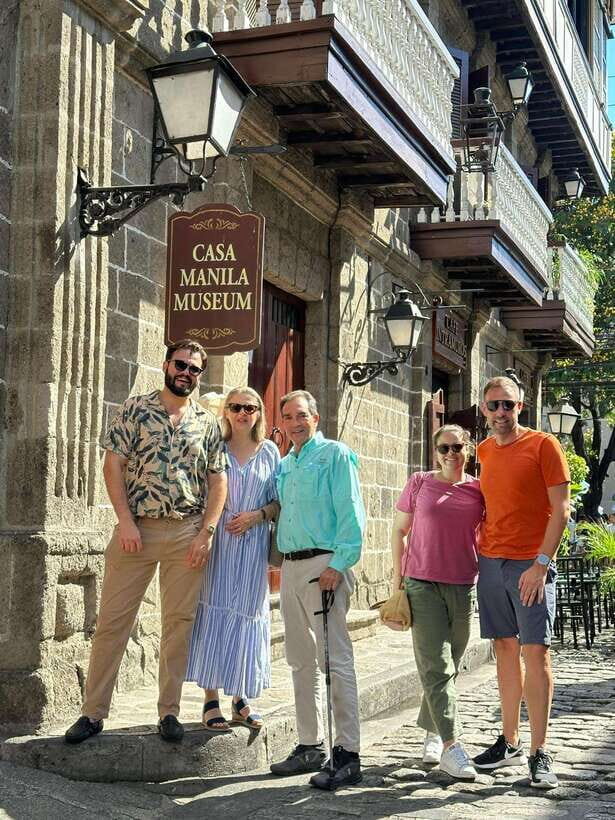
Your tour begins at Casa Manila, with the meeting point set in front of Barbaras Restaurant. You’ll want to look for Jane right there. It’s a good setup because Casa Manila ties directly into the broader “how Manila became Manila” story, and it helps you get oriented before you step deeper into the walls.
Starting here also helps with pacing. Instead of jumping straight into random streets, you begin with context—what Intramuros was built to do, and what you’ll be seeing next as you walk. If this is your first time in the area, that orientation alone makes the guided time feel worthwhile.
The Intramuros walk: defensive streets and prime photo moments
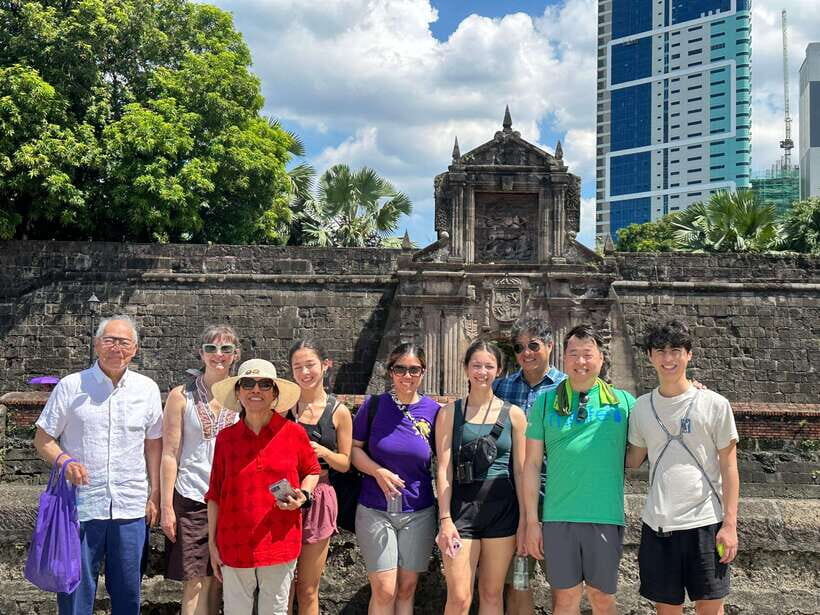
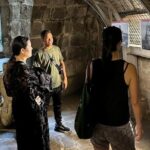
Once you’re inside Intramuros, the experience shifts from “where are we” to “why is it arranged this way.” Intramuros is known for its compressed street pattern—almost gauze-like in how closely the lanes sit together. That density wasn’t an accident. It supported defense and helped manage movement.
As you walk, you’ll likely get photo stops and guided segments that point out the bigger logic behind what you see: the central square and surrounding government offices, the idea of a compact grid framed by defensive features, and the presence of cannons, moats, and fortified structures (bulwarks and ravelins) that shaped how the city functioned.
This is the part where you should slow down and look up. The best photos aren’t only straight down the street. They come from turning your head toward church facades, old walls, and openings that show you how tight the city layout really is.
You also get a block of free time during the Intramuros portion. Use it on purpose. If you’re into photography, take your “must-have” angles early and save time to wander calmly instead of rushing.
Manila Cathedral: the Church of Manila story, in its newest form
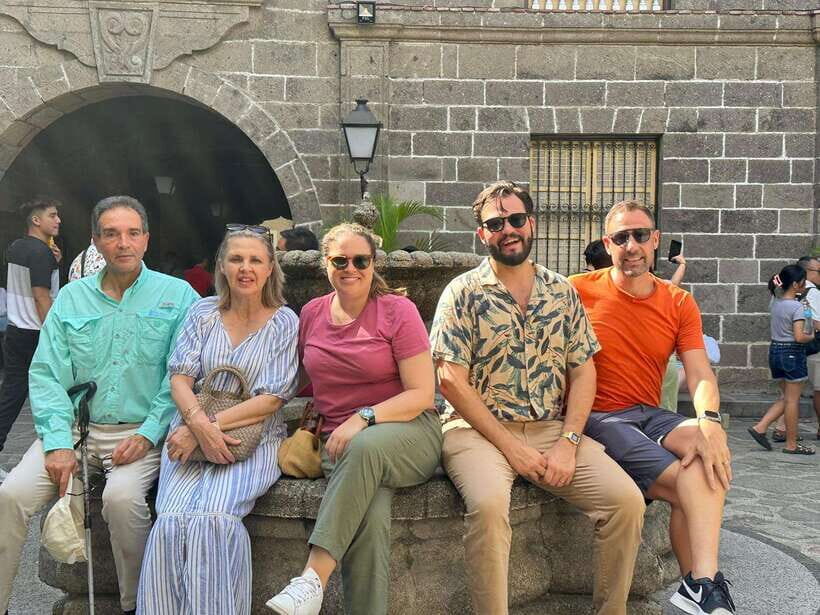
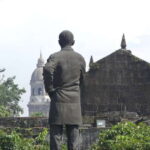
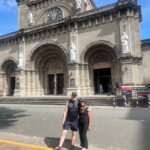
One of the biggest stops is Manila Cathedral. The tour frames it as the most recent version of the long-standing Church of Manila. That matters because you’re not just looking at one building—you’re seeing continuity across centuries of change.
Even if you’re not religious, a cathedral stop is still cultural glue. This is where architecture, power, and community history meet. Your guide’s job here is to connect the building to the wider Intramuros story, so you understand why a cathedral belongs at the center of the walled city rather than off to the side.
If you want to make the most of this stop, do one thing: pause and watch the details. Positioning, stonework, and the overall presence of the building all communicate the cathedral’s role in the city’s identity.
San Agustin Church: a National Historical Landmark stop
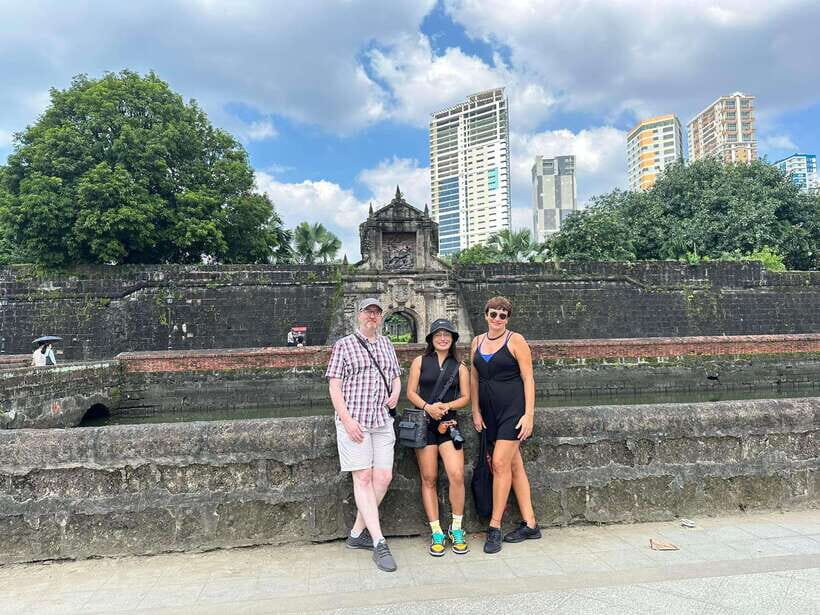
Next is San Agustin Church, highlighted as a National Historical Landmark church and part of the world-heritage significance tied to Intramuros. This stop is often a favorite because the building feels like it carries its own momentum—like it’s been there long enough to outlast every era around it.
The value of a guided stop here is simple. You get the cues that make the church more than architecture-as-background. You’ll learn what to look for and how the church fits into the broader Spanish-era imprint on the walled city.
If you’re sensitive to heat or crowds, take breaks during this part. There’s no award for “pushing through.” A quick rest, some water, and a steady pace will keep your photos and your attention sharper.
You can also read our reviews of more guided tours in Manila





Casa Manila and Jose Rizal connections you can actually use
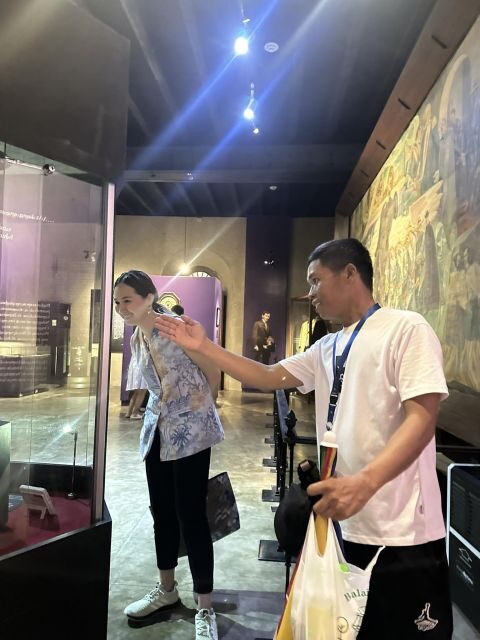
The experience also centers Casa Manila and the Jose Rizal Museum area, because this is where you start and where the tour’s cultural framing comes from. Rizal is one of those names you see everywhere in the Philippines, but it’s easy to miss the personal relevance unless you get the context while you’re in the right setting.
Even if your time inside Casa Manila is brief, the tour’s structure helps. It ties Rizal-era thinking to the physical reality of Intramuros—why ideas and institutions landed where they did.
This is a good point to bring curiosity. Ask your guide to connect the dots between what you’re learning and what you see in front of you. A good guide will make those connections feel obvious.
Fort Santiago finish: ending at a defense-built landmark
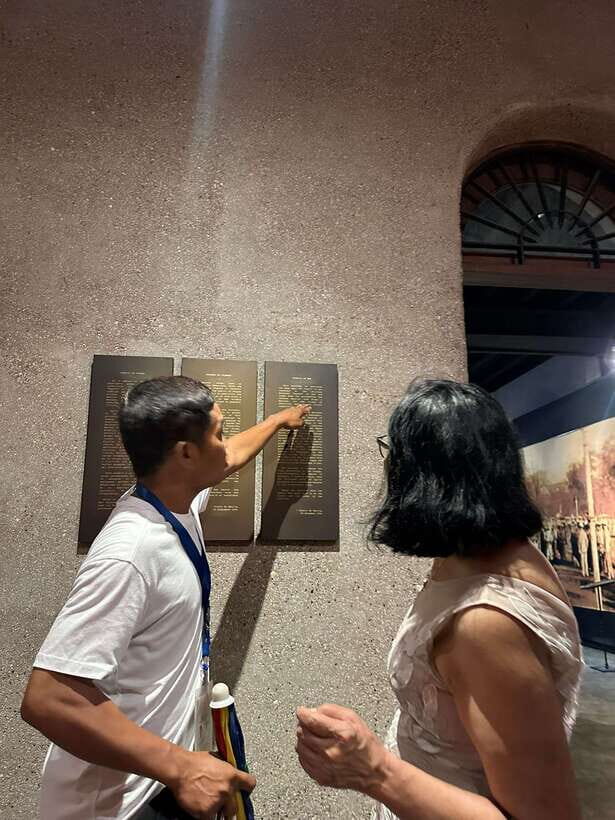
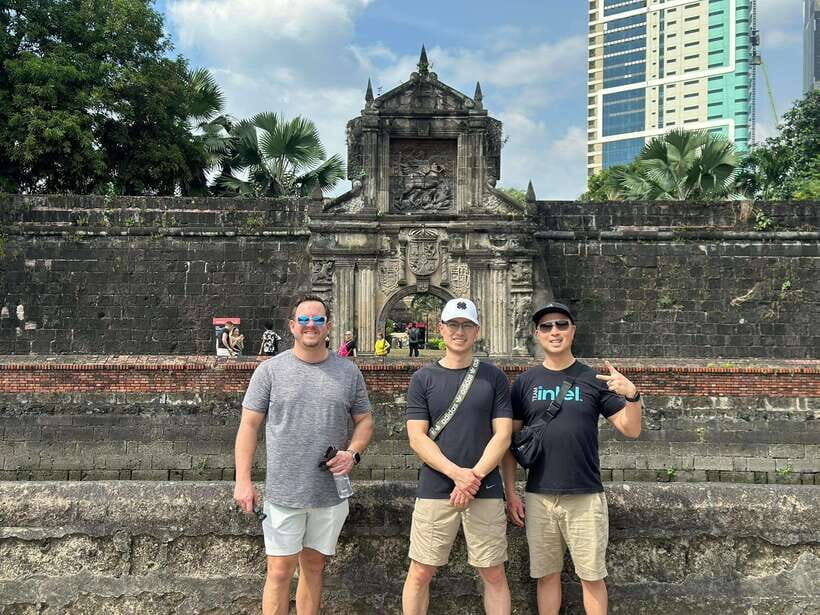
Your walking route ends at Fort Santiago, which is an excellent closing note. It’s one thing to learn about Intramuros as a concept. It’s another to finish at a place that was built for defense.
Standing near a fort after walking through walls and churches can change how you read the entire city. It stops being “history as scenery” and becomes “history as function”—a designed environment made for survival and control.
If you want photos here, aim for angles that show the scale and the sense of boundary. Fort Santiago works best when you treat it as the end point of a system, not just a standalone monument.
The pace, the heat, and what to bring so you enjoy it
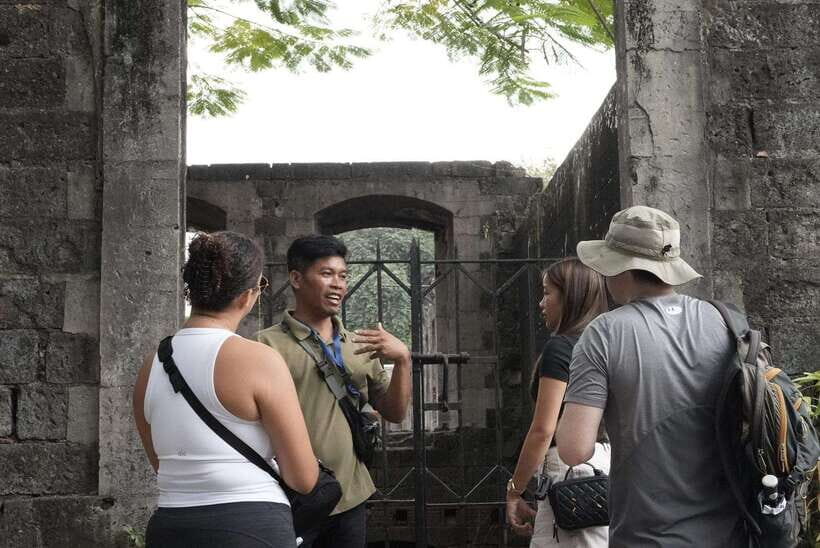
This is a walking and sightseeing tour. That sounds obvious, but it’s the whole ballgame. The streets are not wide, shade can be limited, and you’ll want your body to feel good enough to notice details.
Bring:
- Comfortable shoes (not just “okay” shoes)
- Sunglasses, sun hat, and sunscreen
- Your own water usefully, even though water is included
- A passport or ID card as required
- Comfortable clothes you can move in
Also plan your expectations on timing. The total duration is listed as 2.5 hours, so you’re getting a focused hit. Most of your “see and learn” time sits inside Intramuros, with photo stops and free time built in.
For seniors, the tour can be adjusted in pacing—Jane is known for helping groups move comfortably and thoughtfully. Still, if you’re over 95, the tour is listed as not suitable, so skip it and look for a less strenuous alternative.
Price and value: is $50 worth it for an Intramuros walk?
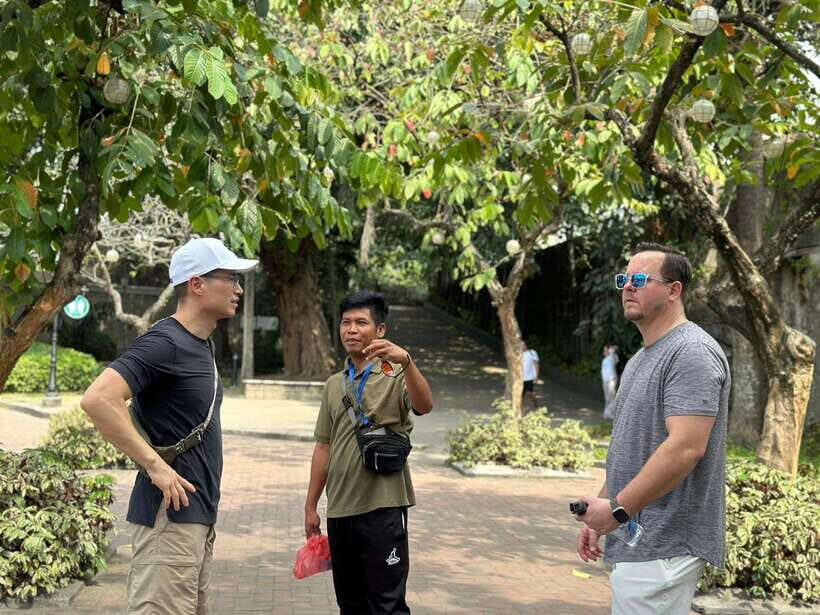
At $50 per person for about 2.5 hours, the value depends on how you like to travel. If you enjoy a guide who explains what you’re looking at, this price can feel fair quickly. You’re not paying for “walk and point.” You’re paying for someone to connect Intramuros’s defensive design to the churches, plazas, and the fort at the end.
Two included perks help justify the cost:
- A live English guide
- Water plus photography help at key moments
You don’t get hotel pickup or drop-off, so you’ll want to arrive at the meeting point ready to start. If you’re already in Manila and can get to Casa Manila easily, the lack of pickup is less annoying.
If you prefer to wander with zero structure, you can certainly do Intramuros on your own. But if your time in Manila is short, a guided route is often the best use of your hours because it keeps you from missing the big interpretive pieces.
Jane’s tour style: humor, English clarity, and smart pacing
The standout from the experience is the guide, specifically Jane. People describe her as having a mix of humor and passion for Filipino history, and her English is said to be strong. That matters because Intramuros rewards understanding. Without the context, it can turn into “I saw buildings.” With context, it becomes “I get how Manila was built and protected.”
Jane also shows up as a practical problem-solver. One review mentions she adjusted for a senior in the group, and another notes she used a tuk-tuk inside the walled city so the group could see more during the time.
Even if you’re not counting on transport inside the walls, it’s useful to know the guide may think beyond a straight walking-only route. That can improve comfort and coverage, especially in warmer weather.
Possible downsides: walking stamina and guide consistency
This tour can be a great fit, but it’s not perfect for every situation.
First, walking is the main limitation. If your legs tire fast, you’ll feel it in Intramuros. Tight lanes and sun exposure make “easy pace” a personal thing, not a guarantee.
Second, while Jane is highly praised, there is at least one critical note about a guide being less trained and not as strong on facts at each stop. That doesn’t mean every departure will be like that, but it’s a reminder to stay engaged: ask questions at each landmark and don’t wait for the tour to read your mind.
If you want a “facts first” kind of experience, go in ready to request specifics. A good guide will welcome that.
Who should book this Intramuros guided walking tour
I think this tour fits best if you:
- Want a guided introduction to Intramuros rather than wandering aimlessly
- Like church architecture with explanations, not just quick snapshots
- Prefer a human guide who can answer follow-ups
- Have limited time in Manila and want the key stops grouped logically
- Enjoy photo stops but still want some time to wander
If you’re traveling with someone who gets tired easily, consider whether the walking portion will be manageable. The tour is also not suited for wheelchair users, and it’s listed as not suitable for people over 95 years.
Should you book? My take on the best way to use your money
Book this tour if you want an efficient, guided way to understand Intramuros’s layout and see the major landmarks: Manila Cathedral, San Agustin Church, and the finish at Fort Santiago, with Casa Manila and Jose Rizal Museum framing the story from the start.
Skip it if you want minimal walking, or if you prefer to roam completely on your own with no structured interpretation. Intramuros is easy to explore independently, but the real value here is the explanation of why the city is arranged the way it is.
My best advice: wear comfortable shoes, protect yourself from the sun, and show up at Casa Manila by Barbaras Restaurant looking for Jane. If you do that, you’ll get a clear, confidence-building route through Manila’s walled past—without wasting your short time on guesswork.
FAQ
How long is the Intramuros walled city guided walking tour?
The duration is listed as 2.5 hours.
Where do I meet the guide?
Meet at Casa Manila in front of Barbaras Restaurant, and look for Jane.
What’s included in the price?
Included are a live guide, photography support, and water.
Is hotel pickup or drop-off included?
No. Hotel pickup and drop-off are not included.
What language is the tour in?
The tour is offered in English.
Is the tour wheelchair accessible?
No, it is not suitable for wheelchair users.
What should I bring?
Bring a passport or ID card, comfortable shoes, sunglasses, sun hat, sunscreen, water, and comfortable clothes.
What’s the cancellation window?
You can cancel up to 24 hours in advance for a full refund.