REVIEW · LUZON
Manila Chinatown Food Tour Experience
Book on Viator →Operated by MstarToursPh · Bookable on Viator
Binondo can feel like a food tornado if you arrive hungry. This 2-hour Chinatown walk in Manila pairs 7–10 snack tastings with Chinese culture and history stops, plus a guided route that keeps you from guessing what to order. It’s also the kind of experience where a local guide can turn chaos into a plan, with guides like Mara, Tessie, and Mari leading the way.
What I really like is the straight-to-the-counter format: you sample both Chinese and Filipino-Chinese flavors without needing a cheat sheet. You also get local transportation (jeepney or tuk-tuk) and a photo-op, so you’re not stuck navigating streets while trying to juggle plates.
One thing to consider: Chinatown is busy, and the tour is designed for movement and eating, so come with comfortable shoes and a ready-to-share appetite. If you have dietary restrictions, tell the team ahead of time so they can work with you before you start.
In This Review
- Key highlights worth planning for
- Entering Binondo at the right starting point
- A tight 2 hours built around 7–10 tastings
- Oldest Chinatown in the world: street food with context
- The walking route where your guide does the ordering work
- Chinese souvenirs and the gold-stall walk
- Guides who turn noise into meaning (Mara, Tessie, Mari)
- Transportation that prevents the day from slipping away
- Food variety: what you’ll likely taste (and how to approach it)
- Price and value: $65 makes sense when you add up the pieces
- Practical tips before you go
- Who this Manila Chinatown food tour suits best
- Should you book this Binondo Chinatown food tour?
- FAQ
- How long is the Manila Chinatown Food Tour?
- How much does the tour cost?
- Where do I meet the tour guide?
- How many people are in each group?
- What’s included in the tour?
- Is a mobile ticket provided?
- What is the cancellation policy?
Key highlights worth planning for
- 7–10 distinct snacks: enough variety to taste the area without committing to one huge meal.
- Old Chinatown framing: you’re not just eating; you’re getting context for what you’re seeing.
- Jeepney or tuk-tuk included: you’ll cover ground without doing it all on foot.
- Small group size (max 15): easier conversations with your guide and smoother pacing.
- Photo-op built in: a quick chance to capture the moment without scrambling for the right spot.
Entering Binondo at the right starting point
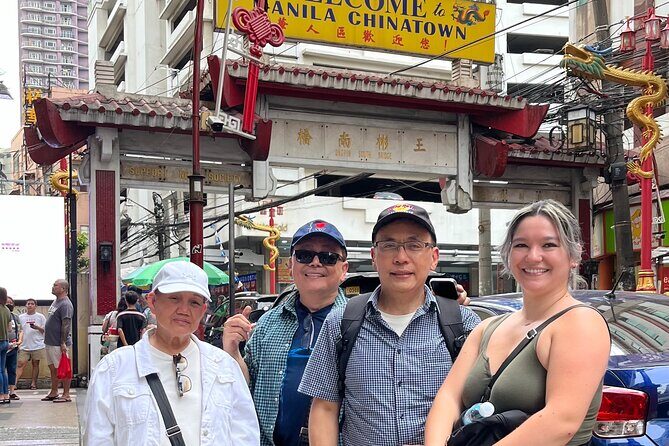
The tour starts at 1919 Grand Cafe, 117 Juan Luna St, in Binondo. That matters more than you’d think, because Chinatown streets can turn confusing fast, especially when you’re also trying to time your next food stop.
Since the tour loops back to the same meeting point, you don’t have to worry about getting back on your own after you’ve eaten your way through the area. You’ll also receive a mobile ticket, which keeps things simple once you’re at the start.
If you’re arriving from elsewhere in Manila, plan a little extra buffer time. Even if you know your way around, Chinatown can slow things down, and you’ll want a calm start so you don’t begin the tasting rushed.
You can also read our reviews of more food & drink experiences in Luzon
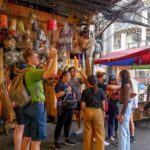
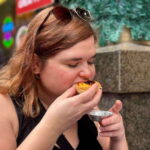

A tight 2 hours built around 7–10 tastings
This experience runs about 2 hours and focuses on sampling rather than dining. The core idea is that you walk, stop, taste, and move on—so you get variety while still keeping the tour short enough to fit into a busy itinerary.
You’ll eat 7 to 10 different items, plus bottled water. That’s a practical setup: you’ll cool down between stops and keep your taste buds from burning out halfway through. And since the snacks are part of the tour, you’re not constantly making decisions or worrying about budgeting each stop.
Because it’s a group format, you’ll likely share pacing with others. That’s why the small cap (up to 15 travelers) is a real benefit—less waiting, less crowd squeeze, and more time for your guide to explain what you’re eating.
Oldest Chinatown in the world: street food with context

The tour kicks off with a stop focused on Chinatown as an area—and specifically its claim as the oldest Chinatown in the world. That framing helps you understand why the streets feel the way they do: dense, lively, and packed with generations of food culture.
You’ll spend time at savory food stalls and sample Chinese cuisine alongside the surrounding street atmosphere. The goal isn’t to turn it into a museum tour. It’s to give you a few anchors—why these foods show up here, how the culture shaped what you see, and what to look for as you walk.
A small but important detail: there’s an admission ticket included for the main Chinatown tasting portion. That typically signals you’re doing more than just walking to random carts. You’ll get a structured taste route that aims to keep the best stops in range.
The walking route where your guide does the ordering work
After the opening context, you move through the area to reach various food stalls, including both well-known street food and items you might not pick on your own. This is where a guide earns their fee.
Chinatown can overwhelm you with options. A local will help you avoid two common mistakes: ordering something that looks similar to what you already had, or choosing a dish that doesn’t fit your comfort level for texture or spice.
Here’s what makes the format smart: you’re tasting enough variety to learn what you like, without spending the whole time standing in line. If you’ve ever tried to self-tour a food district, you’ll know the problem. You’re hungry, it’s crowded, and every stall looks like a winner. On this tour, the decisions get handled for you.
You’ll also get a photo-op during the route. That sounds like a small thing, but in a place like Binondo, it’s helpful. You’re focused on food, and the right shot is usually the last thing you think about.
Chinese souvenirs and the gold-stall walk
Near the food portion, you’ll also get time to shop for Chinese souvenirs. This gives you a chance to pick up a small memory that fits the district, rather than grabbing generic city souvenirs later.
Then you’ll take a walk to the gold stalls. That’s a fun change of pace after snacking, and it gives you a visual contrast: food culture on one side, market commerce on the other.
Keep your expectations realistic. This isn’t a full shopping spree. It’s a taste-and-stroll tour, with shopping woven in as part of understanding how the area operates day to day.
If you like browsing, great. If you’re not much of a shopper, just treat it like a short break to reset and stretch your legs before the final stretch.



Guides who turn noise into meaning (Mara, Tessie, Mari)
One theme that stands out is how much the guides focus on the story behind what you’re eating. Names that come up are Mara, Tessie, and Mari, and each is described as helping people connect the food to the neighborhood around it.
That kind of guidance makes a difference if you’re the type who wants to understand what you’re seeing. You’ll learn the area, the culture, and the history in the way that matters for a foodie: in short explanations tied to each stop.
You’ll also benefit from the guide’s practical street sense. Chinatown is busy, and signage or menus don’t always translate cleanly. A guide helps you navigate the rhythm of the area and keeps you pointed toward the next good bite.
If you’re traveling with family or friends, this is especially useful. People have different comfort levels with new foods, and a guide can help manage expectations so everyone stays involved.
Transportation that prevents the day from slipping away
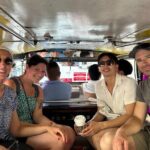
The tour includes local transportation (jeepney or tuk-tuk). That’s not just convenience. In a dense district like Binondo, small changes in route can save you time and energy.
When you’re eating multiple snacks, you don’t want to spend extra minutes stuck in long walks or wrong turns. The included transport keeps the pacing smooth, so the tour stays close to its ~2-hour plan.
It also helps if you’re not confident navigating busy city streets. You get to focus on the food and the explanations, not on figuring out directions every few blocks.
Food variety: what you’ll likely taste (and how to approach it)
You’ll sample 7 to 10 different dishes. The tour also aims to include Filipino and Chinese dishes, which is a key reason this works well for people who don’t want only one style of food.
Since the exact menu isn’t listed here, approach with this mindset: treat the tastings as a guided sampler. If you love one flavor, don’t be shy about asking what it is and what to look for later. If you’re unsure about a dish, take a small taste first and let the guide help you judge the next one.
If you have dietary restrictions, say something before the tour starts. The tour notes encourage you to let them know ahead of time, and that’s the best way to avoid an awkward scramble in the middle of Chinatown.
Also, bring an appetite that’s ready for small bites. This isn’t just one big meal. It’s a chain of tastings, and your stomach will thank you for pacing yourself.
Price and value: $65 makes sense when you add up the pieces
At $65 per person, this tour isn’t a budget snack crawl, but it also isn’t inflated. You’re paying for a coordinated experience: a local guide, multiple tastings, bottled water, and transportation (jeepney or tuk-tuk), plus a photo-op.
Here’s how I see the value: if you tried to recreate this alone, you’d still end up spending time figuring out where to go, what to order, and how to fit it into a tight timeframe. This tour compresses the work. You get a structured route and tasting plan designed for a short window.
The small group size (up to 15) and the guided cultural context also add real value. It’s not only about food quantity. It’s about learning what you’re eating in the context of Binondo.
If you’re going as a couple, a family group, or with friends, you may also benefit from group discounts. That can make the price feel much more reasonable per person.
Practical tips before you go
Come hungry, but not reckless. This is a snack-based format, so you’ll likely feel full by the end, not stuffed in the one-stop way. Start with calm confidence: you’re tasting your way through the district, not rushing a single meal.
Wear comfortable shoes. Chinatown streets are narrow and active, and you’ll be walking through markets and food stalls during the tour. If you’re the type who gets tired quickly, this is where the tour structure helps—but your feet still do the work.
If you’re sensitive to crowds, treat the tour like a coordinated experience, not a solo stroll. The guide’s pacing and the route design matter here, and the max group size helps.
And if you want the tour to match your needs, communicate dietary restrictions early. You’ll get a better result when the team has time to adjust.
Who this Manila Chinatown food tour suits best
This tour is ideal if you want to taste Binondo without turning it into a stressful self-guided puzzle. It’s a great fit for people who enjoy street food but don’t want to guess what’s worth ordering.
It also works well if you want both food and context. The guide explanations connect the eating to the neighborhood, so you don’t walk away knowing only the flavors—you also understand the setting.
If you prefer slow, sit-down meals, this may not feel like your style. The tour is built around short tastings, walking, and quick cultural notes.
Should you book this Binondo Chinatown food tour?
Book it if you want a time-friendly way to eat your way through Manila’s most famous Chinatown district, with a local guide handling the route and ordering logic. The mix of 7–10 snacks, transportation, and the cultural framing makes it a strong value for a ~2-hour window.
Consider skipping or adjusting expectations if you’re looking for a long leisurely meal, or if you dislike walking and crowds at street level. Also, if dietary needs are complex, message the tour team early so your tastings can be planned.
If your goal is a fun, structured Chinatown experience that helps you feel confident in the middle of all that food chaos, this one is an easy yes.
FAQ
How long is the Manila Chinatown Food Tour?
The tour lasts about 2 hours (approx.).
How much does the tour cost?
The price is $65.00 per person.
Where do I meet the tour guide?
You meet at 1919 Grand Cafe, 117 Juan Luna St, Binondo, Manila, 1006 Metro Manila, Philippines. The tour ends back at the meeting point.
How many people are in each group?
The experience has a maximum of 15 travelers.
What’s included in the tour?
It includes snacks 7 to 10 different items, bottled water, a local tour guide, local transportation (jeepney or tuk-tuk), and a photo-op. An admission ticket is included for the main Chinatown segment.
Is a mobile ticket provided?
Yes, the tour offers a mobile ticket.
What is the cancellation policy?
You can cancel for a full refund if you cancel at least 24 hours before the experience starts. Free cancellation is available. The tour also requires good weather, and if it’s canceled due to poor weather, you’ll be offered a different date or a full refund.