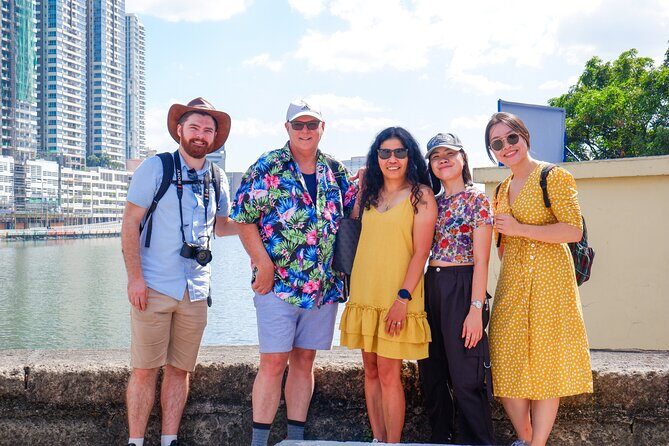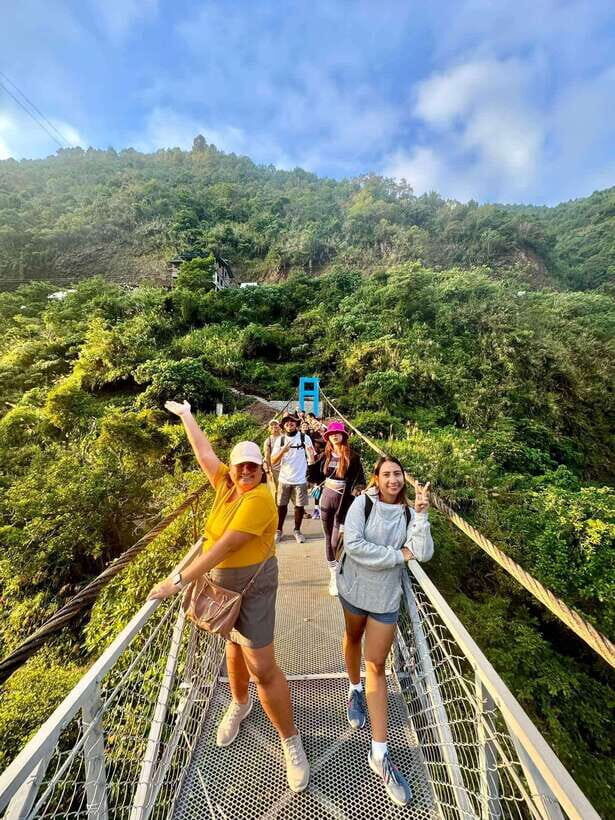
Manila changes fast when you ride local routes. This guided tour is interesting because it blends Divisoria Market energy with real Jeepney travel, not just photo stops. I like how it’s run by guides such as Venus (and also Floyd/Jane on some departures) who steer you into places you’d skip on your own. The only drawback: the pace can feel lively, and public-transport rides can be bumpy—plan for that with comfortable shoes.
You’ll meet up at Tutuban Centermall (near the Bonifacio Monument) and end around Manila City Hall, which makes it a practical loop for a short stay in the city. The small group size (up to 10) matters here: you get market time and transport time without feeling like a conveyor belt.
Food and drinks are part of the experience, but not all costs are included. You’ll get refreshment, then have the chance to sample local food and coffee at an off-the-beaten-path spot on your own tab.
In This Review
- Key things you’ll notice on this tour
- Why this 2-hour Manila loop works (and feels different)
- Starting at Tutuban Centermall and ending near City Hall
- Getting around on jeepney, tricycle, and tuk-tuk
- Divisoria Market and the Flee Market approach: shop and watch
- Wet market time: how food culture shows up in real life
- St. Cruz Church area and the older-apartment look at daily life
- Backstreets strolls: the best kind of walking
- Intramuros, cathedrals, Jose Rizal Museum, and Fort Santiago (history with street energy)
- Food and coffee on your own tab: what to plan for
- Price and value: is $61 for 2 hours worth it?
- Who should book this tour (and who should skip it)
- My practical take: how to get the most out of it
- Should you book this Manila Hidden Gems Guided Tour?
- FAQ
- How long is the Manila guided tour?
- Where do I meet the guide?
- Is the tour guided in English?
- What group size is this tour?
- What transportation do you use during the tour?
- What should I bring?
Key things you’ll notice on this tour

- Market life you can actually follow at Divisoria, the Flee Market, and the wet market areas
- Public transport that feels like Manila with jeepney, tricycle, and tuk-tuk rides
- Guides who connect the dots—Venus is a standout name, with Floyd and Jane also leading
- A mix of everyday neighborhoods and historic Manila with stops linked to Intramuros, Fort Santiago, and the Jose Rizal Museum area
- Short duration, real variety that packs shopping, streets, and sights into about 2 hours
- Time for small purchases and souvenirs at major shopping stops and market stalls
Why this 2-hour Manila loop works (and feels different)
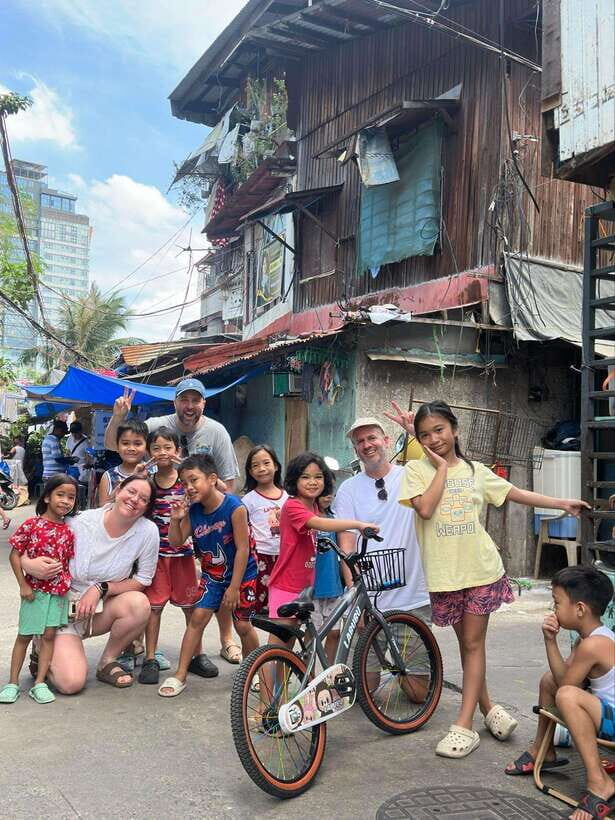
Manila can be overwhelming on a first trip. What I like about this tour setup is that it turns that chaos into a route you can manage in about two hours, with a live English guide keeping you oriented. You get the contrast of modern city bustle and older street life without spending your whole day in transit.
The “value” isn’t just the price (around $61). It’s that you’re paying for a guide plus access to the places where locals shop and move—markets, backstreets, and public transport—without having to figure out logistics yourself. In a city where directions and schedules can be tricky, that guidance saves time and helps you spend your energy watching the real stuff.
You can also read our reviews of more guided tours in Manila


Starting at Tutuban Centermall and ending near City Hall

The tour begins at Tutuban Centermall at the Bonifacio Monument area. If you’ve never navigated Manila before, meeting at a big landmark helps you get your bearings quickly—no scavenger hunt required. You’ll finish near Manila City Hall, which is a convenient endpoint if you want to keep exploring afterward or reposition to other sights.
That start-and-finish flow also means you’re not doing a half-day “back and forth.” You’ll spend most of your time actually moving through neighborhoods rather than repeating the same streets. For a short visit, it’s a smart use of time.
Tip for your comfort: wear shoes you can walk in for a while. Markets and backstreets don’t do “pretty pavement,” and you’ll want traction.
Getting around on jeepney, tricycle, and tuk-tuk
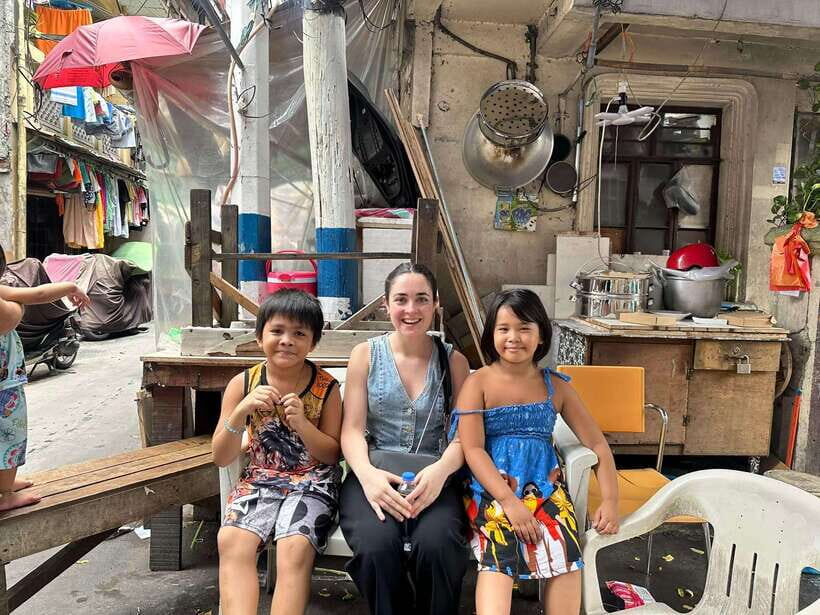
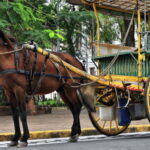
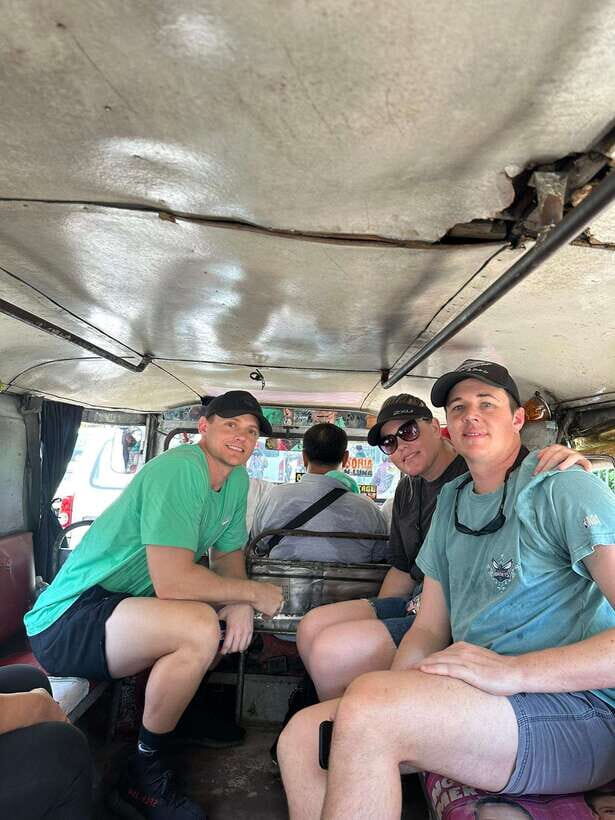
This is not a sightseeing tour from inside a bus. You’ll ride the same kinds of transport locals use, including jeepneys plus tricycle and tuk-tuk segments. That matters because Manila’s streets make more sense when you experience the rhythms of how people get from place to place.
A few practical notes I’d keep in mind:
- Expect some motion and crowding on jeepneys. Hold on and treat it like part of the experience, not a problem.
- Tricycle rides are shorter and more direct, which can be fun—but they can also feel tight. Again: stable shoes help.
- Tuk-tuks can be a nice “in-between” option when you want movement without long walking stretches.
What you gain is perspective. You’re not just seeing Manila; you’re riding through it the way the city flows.
Divisoria Market and the Flee Market approach: shop and watch
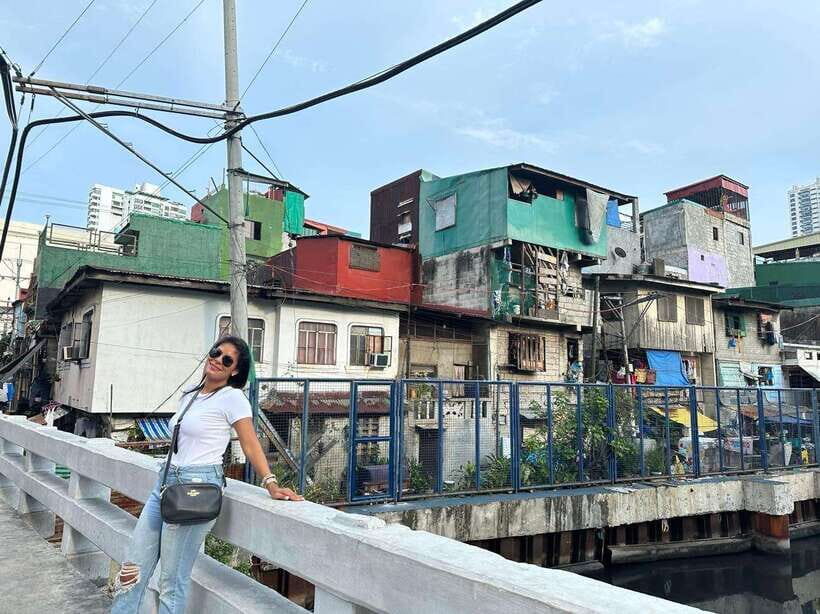
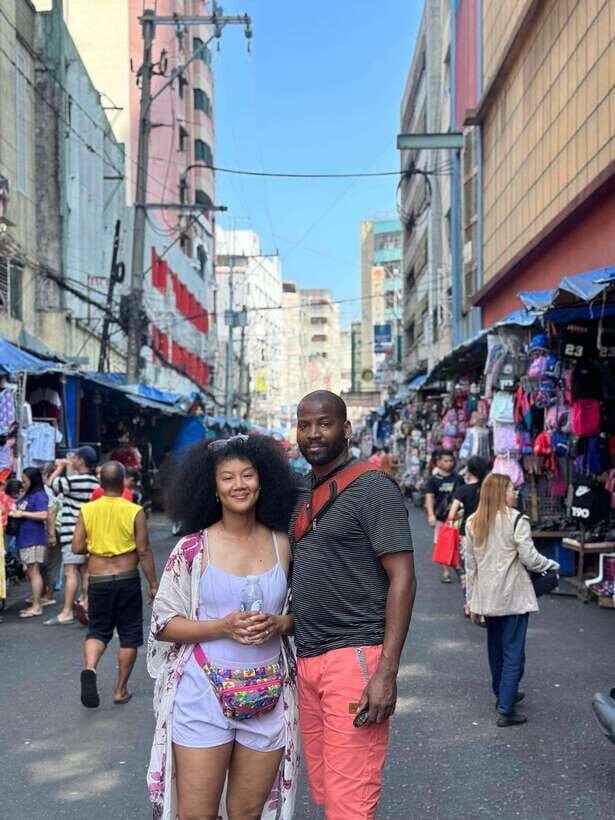
Divisoria Market is where Manila’s shopping culture shows up at full volume. This tour uses it as more than a background stop. You’ll get time to mingle and see how people bargain, compare, and browse, plus pick up souvenirs and cheaper goods.
I like this stop because it’s guided in a way that keeps you from feeling lost. A local guide can point out what people actually buy and where to focus, so you spend your time shopping intentionally instead of wandering randomly.
The Flee Market adds another layer. It’s the kind of place where browsing is half the entertainment. You’ll come away with a sense of how street shopping fits into daily life, not just “tourist shopping.”
Wet market time: how food culture shows up in real life
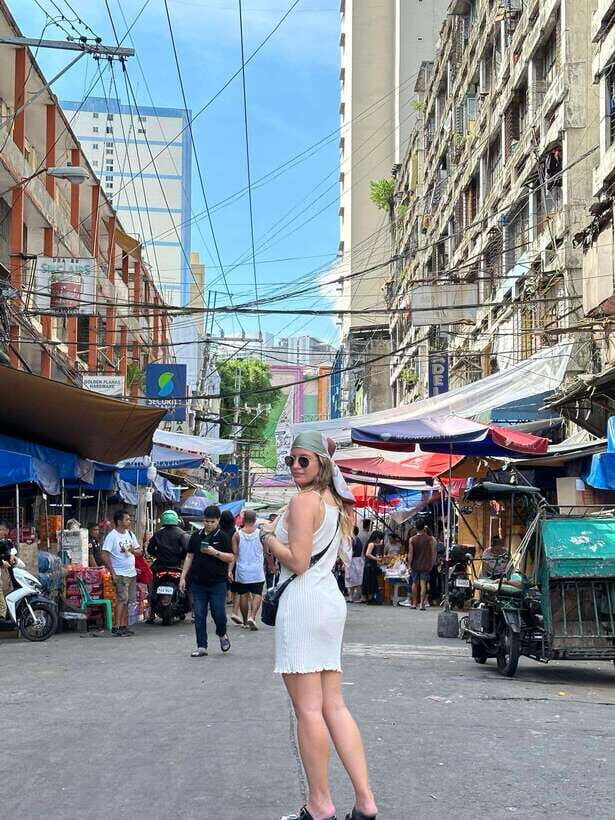
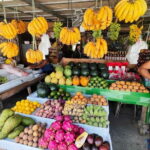
One of the most meaningful parts of the tour is the wet market visit—an authentic open market area where you can interact with sellers. This is where Manila’s food culture becomes concrete: you see ingredients, talk to vendors through your guide’s help, and get a quick education on how fresh produce and everyday meals connect.
A wet market can be intense if you’re used to supermarkets only. I’d mentally prep for close quarters and active vendors. If you’re sensitive to smell or noise, take it slow for the first few minutes and let your eyes adjust. The payoff is that you’ll understand what’s behind local cooking, not just eat the final dish later.


St. Cruz Church area and the older-apartment look at daily life

Your route connects to the St. Cruz Church area (built around 1619, as the meeting setup references), and it also includes a look at older apartments in town. These parts of the tour aren’t only about buildings; they’re about how people live close together and how neighborhoods evolve.
The value here is context. Manila isn’t only landmarks. It’s daily routines—where people shop, where they live, and how older housing shapes neighborhood character. Even if you’re mainly a “photograph first” traveler, this stop helps you understand what you’re seeing.
Backstreets strolls: the best kind of walking
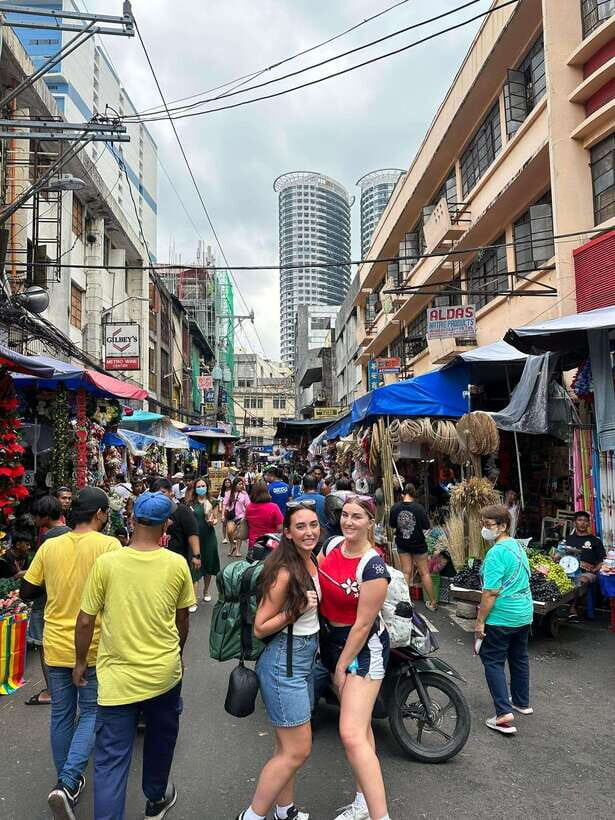
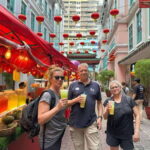
After the market and transit sections, you’ll take a stroll down evocative backstreets. This is the “slow down” portion where the city’s texture comes through: street-level activity, small storefronts, and the in-between spaces that don’t end up on most highlight lists.
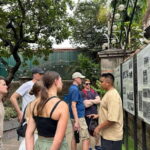
This is also where having a small group helps. With a limited group size (up to 10), the guide can keep the group together and adjust pacing when the street gets crowded. You’ll feel less like a moving target.
Intramuros, cathedrals, Jose Rizal Museum, and Fort Santiago (history with street energy)
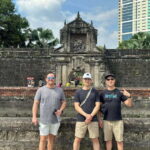
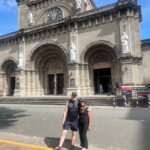
This tour also ties into more historic Manila. Depending on the day and flow, you’ll encounter stops associated with Chinatown and into Intramuros, including areas near cathedrals, plus the Jose Rizal Museum and Fort Santiago.
Why I think that mix works: Intramuros can feel distant if you approach it only as a list of sites. When you arrive there after riding jeepneys and visiting markets, the contrast becomes clearer. You start to see Manila as layers—commerce and everyday life on one side, major historical identity on the other.
If history is your priority, you’ll appreciate that this tour doesn’t treat historic sights like isolated islands. It places them in the same broader city story.
Food and coffee on your own tab: what to plan for
Local food sampling and coffee appear toward the end at an off-the-beaten-path eatery, but this part is on your own expense. I like that setup because it gives you choice while still keeping the “where to go” guidance.
Plan for at least one snack or drink budgeted beyond the tour price. If you’re hoping for a full meal, that might not happen in the short time window. Think of it more as a taste and a moment to connect with local flavors.
Price and value: is $61 for 2 hours worth it?
At about $61 per person for a roughly two-hour guided experience, you’re paying for three things: time, direction, and local transport access. For Manila, the value is strongest if you:
- want to use public transit but don’t want to figure out each step alone,
- care about markets and street life more than museum-only time,
- prefer a small group pace (limited to 10).
What keeps it reasonable is that the tour includes refreshment and the guided transport segments, so you’re not paying separately for everything. For many visitors, the biggest hidden cost of “doing it on your own” is the mental effort—where to go, how to get there, and what to pay attention to once you arrive.
Who should book this tour (and who should skip it)
This is a great fit if you want Manila as a living city, not a checklist. You’ll likely enjoy it most if you like:
- markets (Divisoria, Flee Market, wet market),
- street food culture (with a guided stop at a local spot),
- riding local transport like jeepneys and tricycles,
- a short, well-paced overview of both everyday neighborhoods and historic areas.
You might choose something else if you hate crowds, dislike moving around on public transport, or want a slow, sit-down style tour with long viewing times. The tour is built for motion and street interaction, not museum wandering.
My practical take: how to get the most out of it
Bring what the tour suggests: comfortable shoes and sunglasses. Then add a simple mindset adjustment: go in expecting motion, noise, and constant street activity. That’s where the experience becomes Manila, not where it becomes a staged performance.
Also, pick one or two priorities before you start. If you’re shopping, focus on how the markets work and set a budget in your head. If you’re food-focused, plan to treat the café stop as your chance to taste one local item and coffee, not as a full meal substitute.
And if you’re lucky enough to get Venus as your guide, lean into her route choices. Guides like Venus (and Floyd/Jane on other runs) are praised for steering people into places they wouldn’t find alone.
Should you book this Manila Hidden Gems Guided Tour?
If you have a short window and you want Manila in a way that actually feels local, I’d recommend booking. The combination of markets, public transport rides, and a guide who can connect street scenes to city context is hard to recreate on your own in just two hours.
Book it if you’re curious, flexible, and comfortable with a bit of street-level intensity. Skip it only if you want a quiet, slow-paced day or you don’t enjoy public transport.
FAQ
How long is the Manila guided tour?
It runs for about 2 hours.
Where do I meet the guide?
Meet at Tutuban Centermall, near the Bonifacio Monument. Ask mall security where to find the tour group.
Is the tour guided in English?
Yes, the live guide speaks English.
What group size is this tour?
It’s a small group limited to 10 participants.
What transportation do you use during the tour?
You’ll use public transportation including a jeepney and tuk-tuk, plus tricycle rides during the day.
What should I bring?
Wear comfortable shoes and bring sunglasses.