REVIEW · MANILA
Manila: Guided Food Tour of Binondo with Tastings
Book on GetYourGuide →Operated by Explore Manila Tours · Bookable on GetYourGuide
Eating your way through Binondo is efficient travel. This guided walk takes you through Binondo Chinatown with a string of Filipino-Chinese tastings you’d be hard-pressed to find on your own, starting right at Binondo Church. I love how the route makes you look twice at everyday details—shopfronts, side streets, and the food that wafts out before you even spot the signboard.
I also love the meal flow: lumpia to start, handmade dumplings, then mami and dimsum, and you end with hopia from a historic bakery. The one consideration is simple: the portions are generous enough that a light eater may struggle to finish everything comfortably.
In This Review
- Key Things I’d Put On Your Radar
- Enter Binondo Through Binondo Church and Get Your Bearings
- Carvajal Street Lumpia: The Aromas Do Half the Work
- Handmade Dumplings on Side Streets: Where Craft Matters
- Mami and Dimsum: Filipino Comfort Food Meets Chinese Classics
- Hopia at a Historic Bakery: The Flaky Sweet Finale
- How the Guides Turn Food Into Context (and Ease Into Confidence)
- Price and Portion Reality: Is $60 for 3 Hours Worth It?
- What You Need to Know Before You Show Up
- Who This Food Tour Fits Best in Manila
- Should You Book This Binondo Food Tour?
- FAQ
- Where does the tour start?
- How long is the tour?
- What is the price?
- Is the tour guided, and what language is used?
- What food and drinks are included?
- Are there any extras I should budget for?
- Does the tour run in bad weather?
- What should I bring?
- Are there restrictions on who can join?
- Can I cancel or pay later?
Key Things I’d Put On Your Radar
- Binondo Church sets the tone fast, and you start with context before the first bite
- Carvajal Street lumpia gives you that fresh-aroma warm-up moment
- Handmade dumplings are the kind of stop you remember later
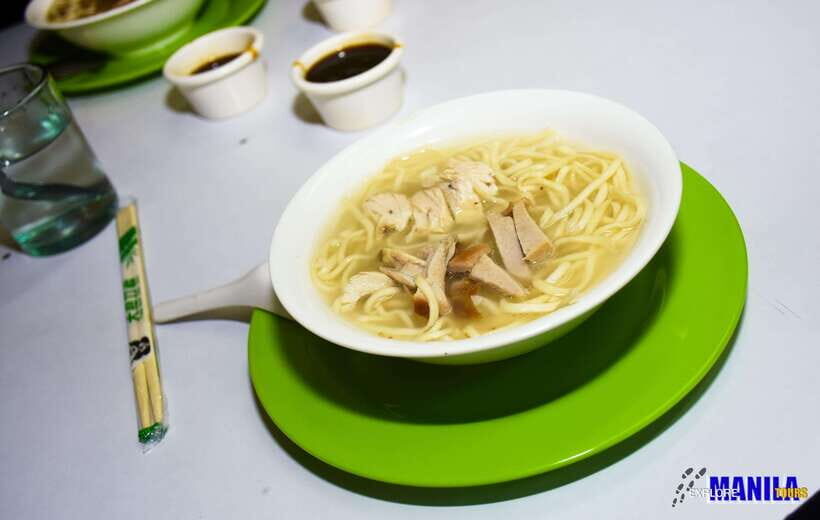
- Mami and dimsum show how Filipino-Chinese comfort food fits together
- Hopia from a classic bakery closes the tour with flaky, sweet variety
- English-speaking guides (like Chloe, Nel, Jian, and Juan) make the stories practical, not boring
Enter Binondo Through Binondo Church and Get Your Bearings
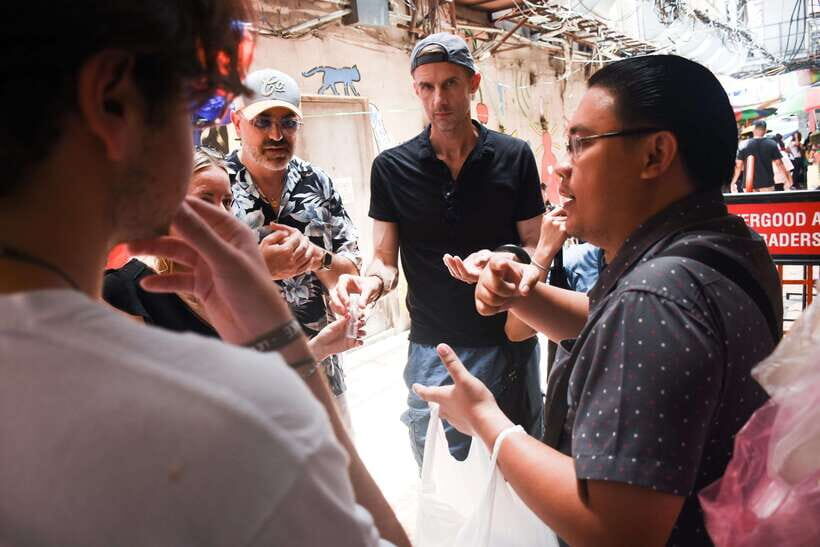
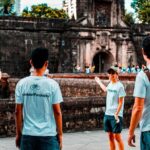
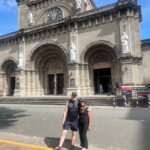
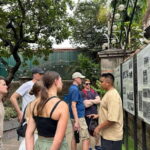
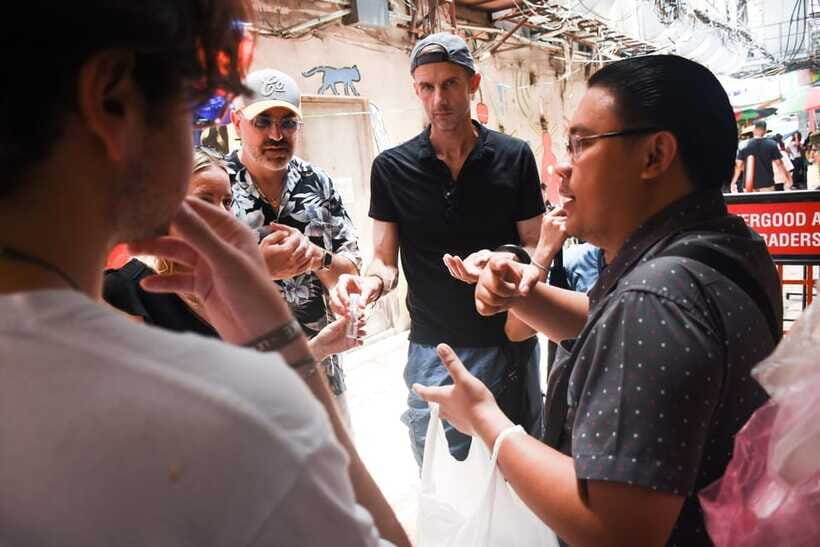
The tour kicks off at Binondo Church, right near the candles area—an easy landmark when you’re trying not to get turned around. I like that the meeting spot is a place with strong footing and clear identity. You’re not starting with a random restaurant address; you’re starting with a neighborhood anchor, which makes the wandering feel purposeful.
From there, the walk quickly turns into what you came for: food, yes, but also tiny streets that change character block by block. Expect a classic “keep going down the alley” style of Chinatown exploring, where you notice how shop life and eating life are intertwined. If you like travel that feels local rather than staged, this pacing works.
One small thing to plan for: you’ll be on foot for the full 3 hours. Comfortable shoes matter more than you think, especially if it’s wet. The tour runs rain or shine, so bring the attitude of a trooper, not a dry-weather planner.
You can also read our reviews of more food & drink experiences in Manila
Carvajal Street Lumpia: The Aromas Do Half the Work
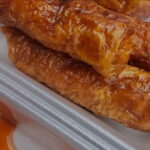
Your first food stop centers on lumpia, with the experience described as fresh, aromatic, and made skillfully by local vendors. Lumpia is often treated like a snack, but here it’s used like a welcome mat—something familiar enough to get your taste buds online, then exciting enough to set expectations for the rest of the tour.
I like how this start builds anticipation. You smell it before you fully understand where you are, then suddenly you’re sitting down (or standing near the serving counter) ready for the first real decision: crunchy, savory, and usually best eaten hot and fast. It’s a smart move for a guided tour because it gets you comfortable with the rhythm of tasting—small bites, quick turns, and steady progress.
If you’re the type who dislikes greasy foods, you’ll still likely be fine with lumpia, because the tour’s sequence isn’t built around one heavy item repeated. It’s one warm start, then you move onward.
Handmade Dumplings on Side Streets: Where Craft Matters
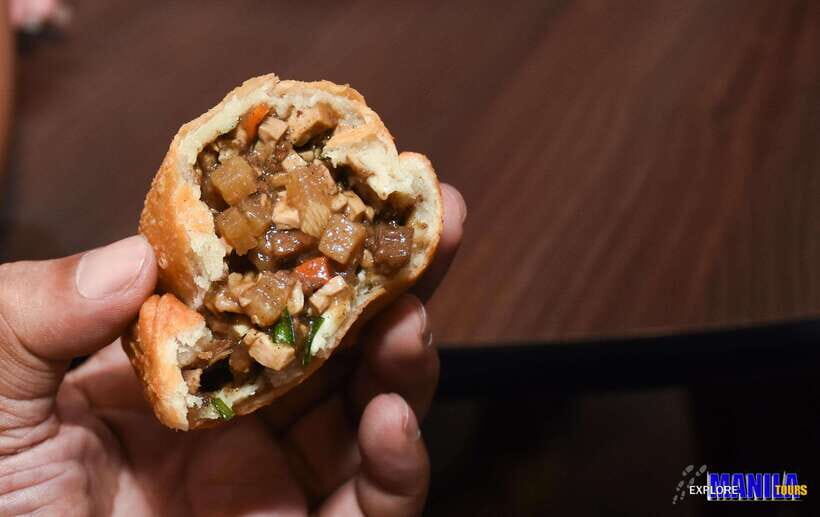
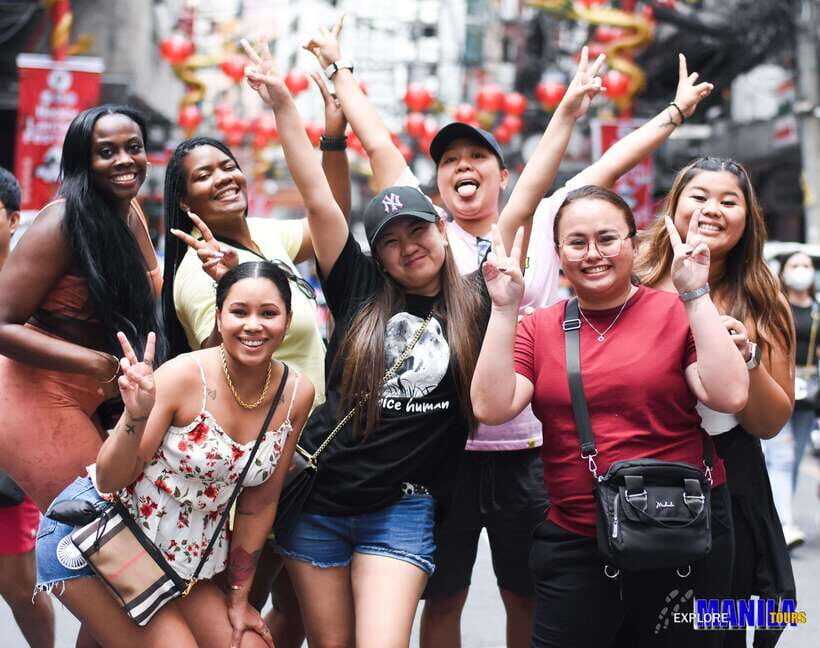
The dumpling stop is the part the tour clearly wants you to remember. This isn’t just dumplings at a restaurant—it’s described as dumpling making elevated to an art form, with you getting to indulge in handmade dumplings. That detail is important, because it changes how you experience the bite.
When dumplings are handmade, texture becomes the story: how the wrapper feels, how the filling holds together, and how the flavors land in one concentrated mouthful. This is the kind of tasting where your guide’s explanation can make a real difference. You’re not just eating; you’re learning what to notice next time you see a dumpling menu.
From the guide-focused feedback, I also expect good pacing here. People highlight that the tour keeps moving through small alleyways and little places you wouldn’t naturally pick yourself. The dumpling stop tends to be the anchor that makes that wandering feel worth it.
Mami and Dimsum: Filipino Comfort Food Meets Chinese Classics
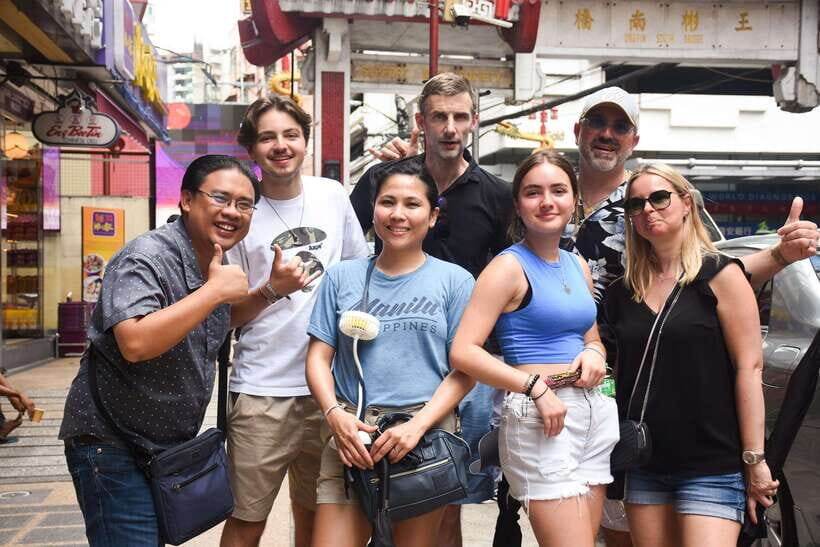
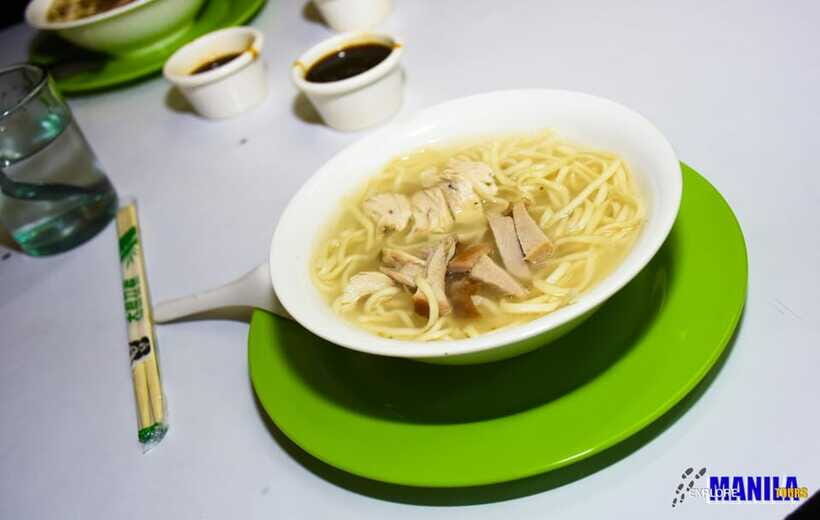
Next comes a stop centered on mami, a beloved noodle soup tied to Filipino comfort food culture. This matters because it shows how Filipino-Chinese cuisine isn’t a museum piece—it’s part of everyday comfort. Noodle soup also plays well on a food tour: it fills you out, balances the earlier crunchy bite, and makes the second half of the tour feel less frantic.
Then you move into classic dimsum territory. The tour frames each bite as a nod to authenticity and culinary craftsmanship. I like that the order makes sense for taste progression: you start with lighter snack energy, then shift into warm, saucy comfort, and finally land on bite-size variety.
One practical tip: if you’re sensitive to spice, tell your guide during the tour (even if you’re not sure how spicy everything is). The tour is guided and you can use that moment to manage your comfort. Also, plan your water breaks so you don’t feel rushed. With multiple food stops, staying hydrated makes the experience more enjoyable.
Hopia at a Historic Bakery: The Flaky Sweet Finale
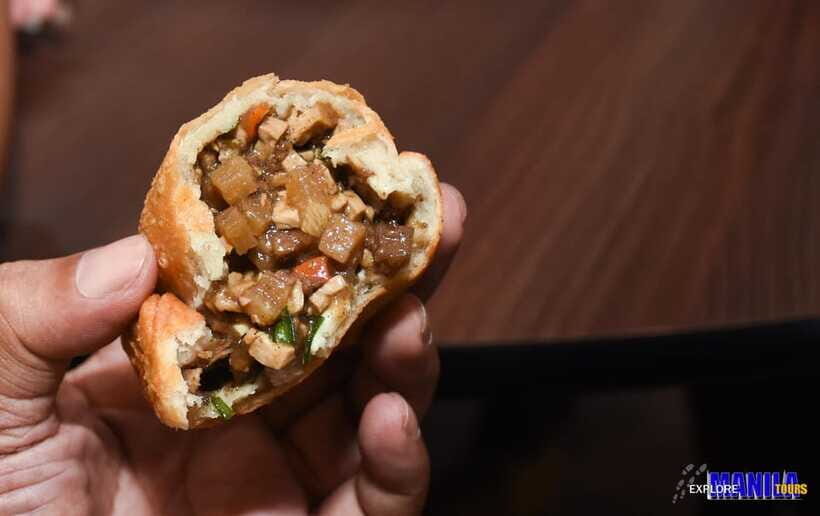
The tour ends at a historic bakery famous for hopia, a sweet pastry known for flaky layers and a range of flavors. This stop is more than dessert. It’s a finish that helps connect the dots between ingredients, technique, and cultural blending.
I like sweet endings when they’re done thoughtfully. Hopia is described as Chinese-Filipino culinary heritage wrapped into pastry form, which is a useful way to think about why this snack belongs at the end. After savory and noodle-heavy tastings, hopia gives your palate a clean reset.
Do expect variety. The tour description says you’ll indulge in a variety of flavors, so you might find yourself tasting different versions instead of one single style. That can be great, especially if you’re curious which flavor profile you prefer.
A few more Manila tours and experiences worth a look
How the Guides Turn Food Into Context (and Ease Into Confidence)

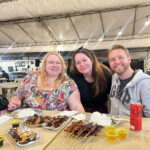
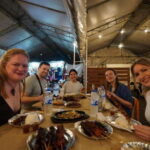
This is a guided tour, and the guide quality matters. The names that come up again and again include Chloe, Nel, Jian, and Juan. The consistent theme is that the guides don’t just point and read menus. They weave in stories and cultural context around what you’re eating and why it shows up the way it does.
I also like that the tour format seems to support comfort and confidence. In feedback, guides are described as friendly, welcoming, and engaging—plus attentive enough that you feel safe navigating a crowded, busy-feeling neighborhood. That matters in Chinatown districts where streets can be tight and the pace can shift fast.
If you’re traveling solo, the welcome vibe is especially worth noting. Solo travelers often want a tour that reduces decision fatigue and makes you feel like you’re part of the day, not just tagging along. This tour’s tone, based on the guide reports, seems to do that well.
Price and Portion Reality: Is $60 for 3 Hours Worth It?
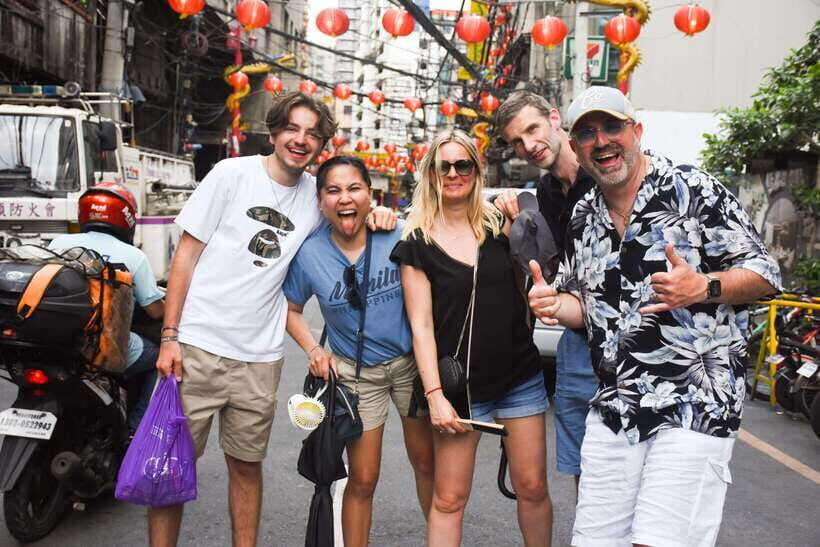
$60 per person for a 3-hour walking food tour isn’t just a “cheap snack crawl.” You’re paying for a guide, access to multiple local stops, and all the food and drinks included during the itinerary. In practical terms, you’re buying two things: someone to take you where locals eat and a structure that turns eating into a planned sequence.
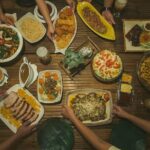
The big value signal is how much food you get. The tour description promises multiple restaurants plus a bakery stop, and the strongest feedback points to portions that are plentiful—so plentiful that people share items or end up very full. That’s good value for people who like to eat their way through a neighborhood.
The one downside of that value is also obvious: if you don’t have much appetite, the tour can feel like too much. One lower rating mentions a sweet veggie wrap at the first stop wasn’t a group favorite, and there’s also the issue of taking food home that may end up unwanted. If you’re picky, go in with a game plan: tell your guide what you like and what you’d rather skip early, so you’re not stuck pretending you love everything.
What You Need to Know Before You Show Up
This tour is straightforward, but a few rules shape your day:
- It runs rain or shine, so dress for wet sidewalks and humidity.
- Bring comfortable shoes—you’re walking between multiple food stops.
- It’s English-guided with a live guide.
- It’s not suitable for wheelchair users, and it’s also not listed as good for vegans or vegetarians.
- Baby strollers aren’t allowed, and you shouldn’t plan to bring luggage or large bags.
Transport-wise, the tour notes you can use Grab to reach the meeting point. That’s useful because Binondo streets can be awkward for cars, and getting dropped at the right landmark matters.
Also, start hungry. The tour is built around tastings that stack up fast, and the best experience comes when you’re ready to sample without pacing your appetite like it’s a marathon.
Who This Food Tour Fits Best in Manila
If you’re a foodie, this fits you like it was designed for you. You get classic Filipino-Chinese dishes—lumpia, handmade dumplings, mami, dimsum—and you end with hopia from a historic bakery. This isn’t a single restaurant tasting. It’s a neighborhood food story, told by walking.
It’s also a great choice if:
- you want a guided route through small alleys without hunting for addresses
- you like learning what you’re eating, not just eating it
- you’re traveling with a partner or going solo and want the day to feel structured
It’s less ideal if:
- you’re vegan or vegetarian
- you need wheelchair access
- you dislike eating large portions or you’re easily overwhelmed by many food stops
If you know you’ll only want one or two bites per dish, you might still enjoy the flavors, but the portion-heavy format could feel off.
Should You Book This Binondo Food Tour?
I’d recommend booking if you want a guided, food-first look at Binondo that goes beyond a single meal. Starting at Binondo Church gives you context, the sequence of lumpia → handmade dumplings → mami and dimsum → hopia makes taste sense, and the guides you’ll likely get (people like Chloe, Nel, Jian, and Juan) seem to bring the stories and the pacing together.
Skip or reconsider if you’re very sensitive to dietary limitations, struggle with long walks, or you’re the type who wants lighter sampling rather than a full set of tastings. If you can handle a lot of food and you’re curious about Filipino-Chinese cuisine, this is a strong value play for 3 hours in Manila.
FAQ
Where does the tour start?
Meet up is at the lobby of Binondo Church, near the candles area.
How long is the tour?
The tour lasts 3 hours.
What is the price?
It costs $60 per person.
Is the tour guided, and what language is used?
Yes. It includes an English-speaking live guide.
What food and drinks are included?
All food and drinks as per the itinerary are included.
Are there any extras I should budget for?
Souvenirs are not included. Hotel pickup and drop-off are also not included.
Does the tour run in bad weather?
Yes. The tour takes place rain or shine.
What should I bring?
Wear comfortable shoes.
Are there restrictions on who can join?
The tour is not suitable for wheelchair users, and it’s also not listed as suitable for vegans or vegetarians.
Can I cancel or pay later?
You can cancel up to 24 hours in advance for a full refund. You can also reserve now & pay later as described by the offer.