REVIEW · MANILA
Streets of Manila: Historical and Present Day
Book on GetYourGuide →Operated by Manila local experience · Bookable on GetYourGuide
Manila can feel like a blur of traffic. This tour turns that chaos into a clear, walkable story of old walls and Spanish-era Manila. I like how the route hits big, meaningful stops back-to-back—especially San Agustin Church in Intramuros—and I also like the built-in contrast with modern Makati. One thing to consider: it’s a moderate walking tour in sun and heat, so comfortable shoes and water matter.
What makes this experience practical is the pacing. In about four hours, you get the “why” behind the city—forts, churches, and the neighborhoods that shaped trade—without needing to plan your own route across Manila.
In This Review
- Key stops worth building your day around
- Intramuros: the walled city that explains why Manila looks the way it does
- San Agustin Church: why UNESCO matters here
- Casa Manila Museum: Spanish houses, but easier to understand
- Manila Cathedral: the main church stop with a different energy
- Baluarte de San Diego and Manila Bay: defensive geography in plain view
- Binondo: the first Chinatown feel, plus shopping that doesn’t feel random
- Makati City: the contrast stop that helps you orient fast
- The guide factor: what Marvin’s style adds to the day
- Price and time: is $71 per person good value for 4 hours?
- What to bring (and what to avoid) so the day stays comfortable
- Who should book this tour, and who might skip it
- Final call: should you book Streets of Manila?
- FAQ
- How long is the tour?
- What sites are included in the tour?
- How much does it cost?
- What language is the guide?
- What should I bring and wear?
- Is it wheelchair accessible?
Key stops worth building your day around
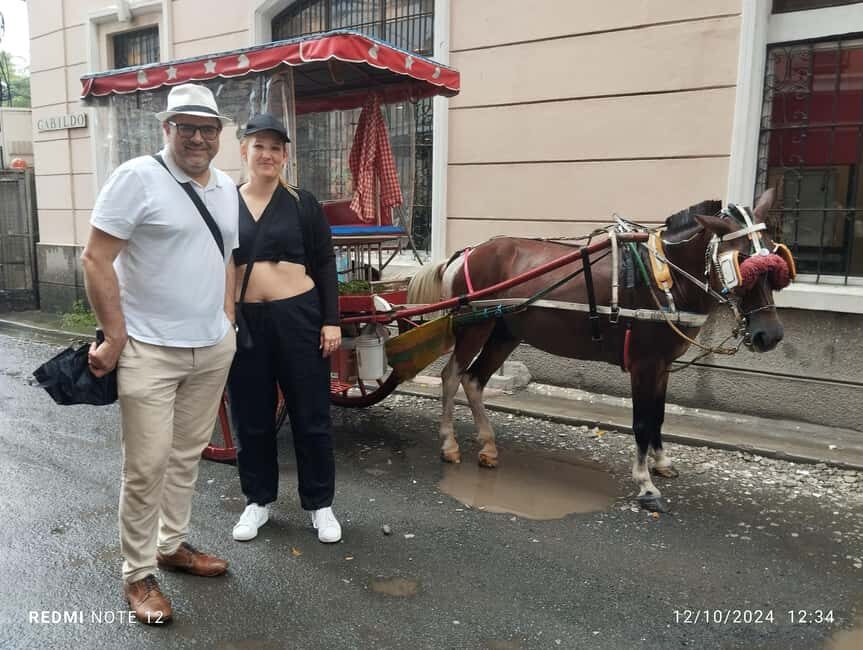
- Intramuros walls and forts: You’ll see the defensive layout that shaped life inside the walled city.
- San Agustin Church (UNESCO site): A major landmark that anchors the Spanish-period story.
- Casa Manila Museum: A replica of traditional Spanish houses that helps you visualize daily life.
- Manila Cathedral: The country’s main church stop adds a second layer beyond the walled area.
- Baluarte de San Diego watchtower area: Great for understanding the defensive geography over Manila Bay.
- Binondo and Manila Bay passes: You get that trade-and-street-energy feel, plus a chance to look at local handicrafts.
Intramuros: the walled city that explains why Manila looks the way it does
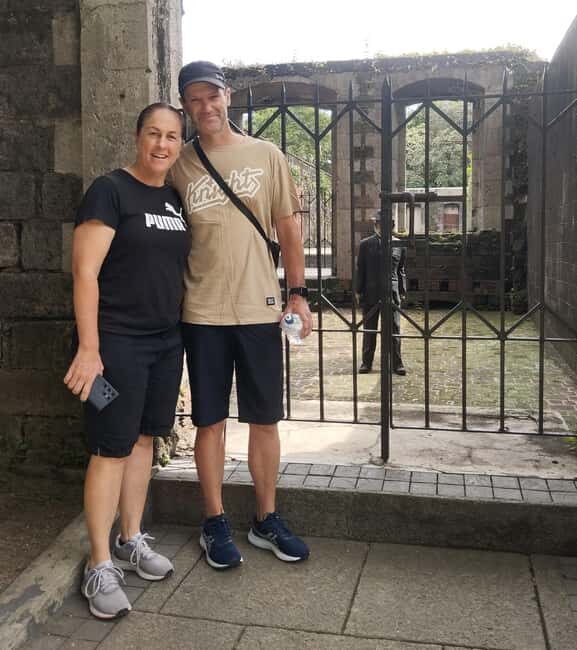
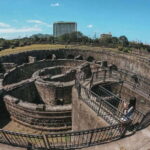
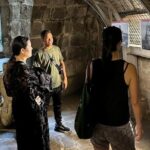
Intramuros isn’t just a “pretty old place.” It’s the physical reason Manila grew the way it did. When you walk inside the walled city, you’re seeing how power, security, and religion were packed into a tight footprint. The tour focuses on the iconic elements—the walls, forts, and even the mood of the older defensive spaces like the dungeons—so you’re not only looking at buildings. You’re learning the logic behind them.
This is also where timing matters. A guided format helps because Intramuros can feel like a maze if you’re wandering on your own. With a guide, you know what you’re looking at and why it mattered, from Spanish-era planning to later survival and reinvention.
What to watch for: the ground can be uneven in older sections, and shade isn’t constant. You’ll appreciate the guidance and the steady pace, but you still need practical footwear. I’d treat this as a walking tour first, sightseeing second.
You can also read our reviews of more historical tours in Manila


San Agustin Church: why UNESCO matters here
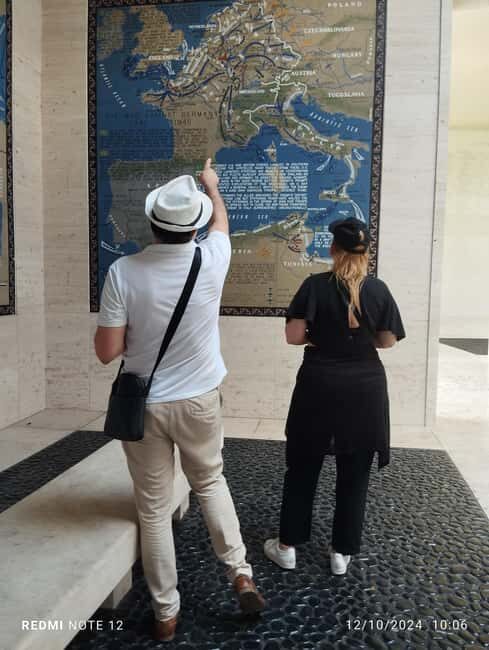
San Agustin Church is one of those stops where the details make sense only if you understand the role it played. The tour includes admission and positions it as a core Intramuros anchor—so you can connect the church to the wider Spanish-era presence in the walled city.
What I like about this approach is simple: it avoids the “photo-and-keep-moving” trap. You’re given time to take in a major landmark, not just glance at it. It also helps you compare styles and purpose across different stops later—because by the time you reach Manila Cathedral, you’ll have a clearer sense of how Manila’s religious and colonial identity overlaps and differs.
A smart tip: bring your camera, but also expect rules like no flash photography. You’ll want to use available light well, so setting your camera/phone for lower light can save frustration.
Casa Manila Museum: Spanish houses, but easier to understand
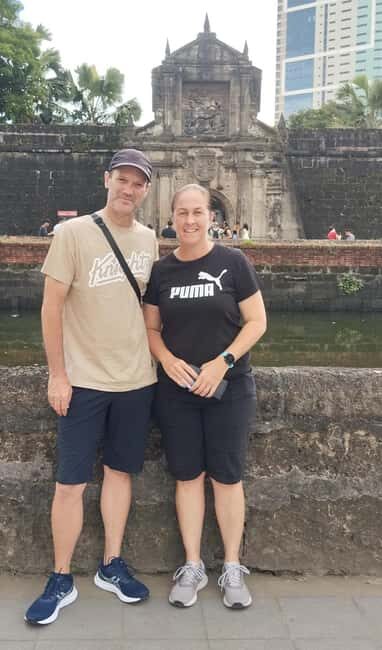
Spanish domestic life is hard to imagine from ruins alone. That’s why Casa Manila, a replica of traditional Spanish houses, is such a useful stop on this kind of tour. Instead of only seeing defense and churches, you get something more human: how people lived, organized space, and treated their homes as part of social status.
Even if you’re not a museum person, I think Casa Manila earns its place because it bridges a gap. Intramuros can be powerful but heavy on fortifications. This stop gives you a calmer, more everyday angle—still tied to the Spanish period, but now you can picture rooms, layouts, and the look of the homes rather than just the idea of them.
Possible drawback: museum time can feel a bit slow if you only want street scenes. If that’s you, focus on what the replica shows about daily routines, not just architecture.
Manila Cathedral: the main church stop with a different energy
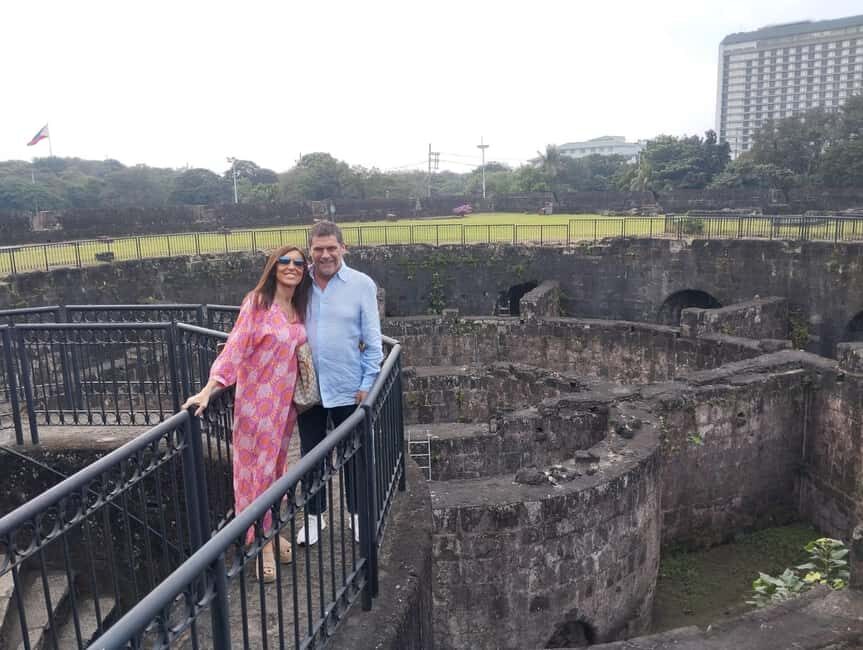
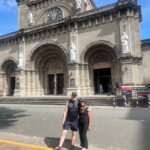
The tour also includes the Manila Cathedral, presented as the country’s main church. This matters because it changes the scale of what you’ve been seeing. Intramuros is a historical enclave. Manila Cathedral pulls the story into a broader national religious center.
This stop is valuable for readers who like context. Seeing one major church in the walled city and another major church serving the country helps you understand how Manila’s identity moved beyond one area over time. It’s not only about buildings—it’s about influence.
What to expect: you’ll spend time at a major worship and landmark site. Dress and behavior matter anywhere in the Philippines for churches, and this is a place where you’ll want to move respectfully and keep your focus on the guide’s explanations.
Baluarte de San Diego and Manila Bay: defensive geography in plain view
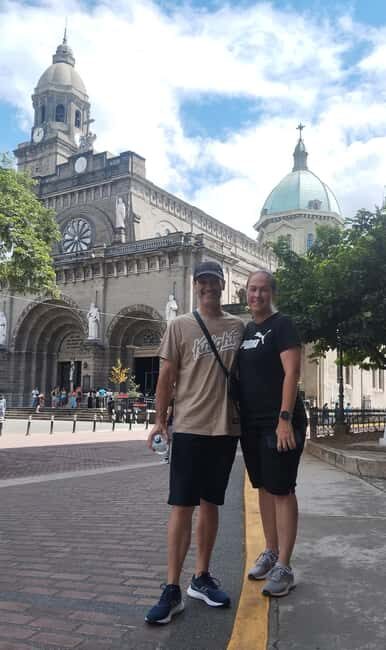
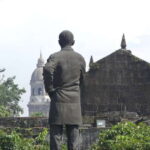
One of the most useful parts of this tour is the stop around Baluarte de San Diego, described as a former watchtower overlooking Manila Bay. This is where the tour shifts from “what it looks like” to “what it had to do.”
When you understand that these structures were placed to watch the bay and protect the city, you start seeing Manila as a set of relationships: water routes, approach angles, sightlines, and the way defenders controlled movement. It’s history you can understand with your eyes, not just in words.
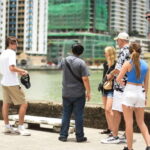
And then you pass through Manila Bay, which is a nice finishing touch because it ties the views back to the city’s layout and trade routes. Even if you can’t linger for long, the pass gives you that skyline moment where the whole route clicks.
Practical note: bay air can feel cooler, but sun still hits between stops. Sunscreen and water aren’t optional here—do not rely on “it’ll be fine.”



Binondo: the first Chinatown feel, plus shopping that doesn’t feel random
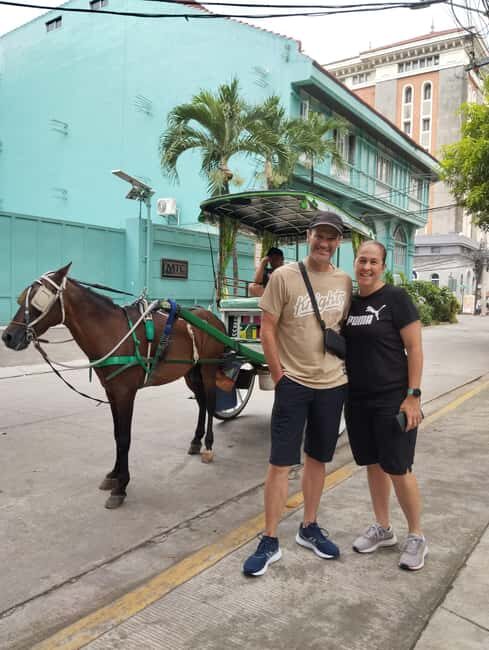
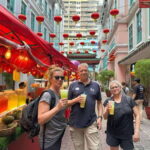
After Intramuros and the cathedral stops, the tour moves toward Binondo, often cited as the first Chinatown in the world. The experience isn’t only about streets and architecture. It’s about how Manila traded, connected, and absorbed cultures through commerce.
What I like is that the tour builds shopping into the day in a reasonable way: you get a chance to see and purchase local handicrafts as you pass through. The specific goods mentioned are things like woodcarving, weaving, corals, pearls, and sea shells. That’s useful because it helps you understand what kinds of craft traditions are common in this part of the city.
A quick reality check: shopping opportunities can tempt you to buy faster than you should. If you’re sensitive to tourist-markup, take your time. Look first, compare textures and materials, and only buy when you’re confident it’s what you want. A guide can help, but you’re still the final decision-maker.
Makati City: the contrast stop that helps you orient fast
The tour doesn’t ignore modern Manila. It includes passing through the central business district of Makati City, which works well if you’re short on time and want a “where am I in the map of Manila” moment.
This is a helpful contrast after older Intramuros sites. You see how the city expanded outward and how different priorities show up in street life, buildings, and how people move. For first-timers, that orientation alone can be worth it.
Who should care most: if you’re spending more days in Manila afterward and want to make better choices, this contrast stop can help you plan where to return later.
The guide factor: what Marvin’s style adds to the day
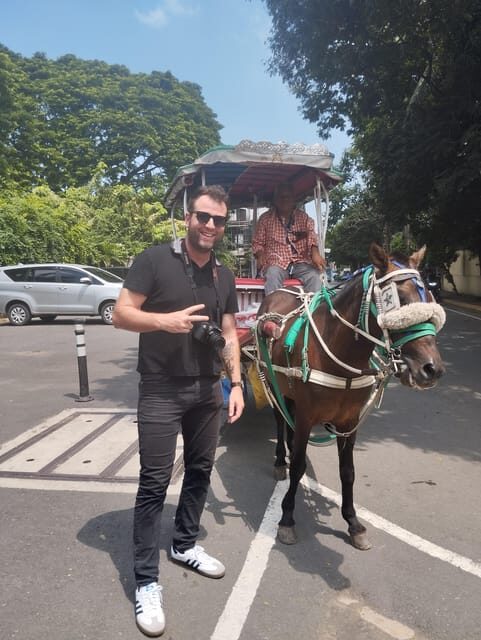
This tour is led by an English-speaking live guide, and the name that comes up often is Marvin. What stands out from his approach is the way he keeps the day flowing naturally and stays flexible when the group is ready for it.
That matters more than people expect. In a city like Manila, delays happen—traffic, crowds, and timing at major sites. A guide who can manage the rhythm of the day helps you actually see the key spots without feeling rushed or lost.
You’ll also benefit from a guide who can connect the dots between neighborhoods: why the walled city exists, why the bay mattered, and why Chinatown is where it is. You’re not just collecting landmarks. You’re building a mental map.
Price and time: is $71 per person good value for 4 hours?

At $71 per person for a 4-hour guided experience, the value depends on what you compare it to.
Here’s the practical math: this tour includes guided service plus multiple admissions—Intramuros and San Agustin Church, entry at Baluarte de San Diego, and visits that include Manila Cathedral and Casa Manila. On top of that, you get guided passes through Manila Bay and Binondo, plus the chance to browse crafts.
If you tried to piece this together alone, you’d likely spend time figuring routes and paying admissions anyway, and you’d still miss the “why” behind the layout. For a short trip, $71 can be a solid way to buy back decision fatigue.
Who it’s best for: first-timers with limited time, people who want an efficient sampler of old and new Manila, and anyone who prefers guidance over self-planning.
Who should think twice: if you hate structured itineraries or want long stays at a few sites, four hours might feel tight.
What to bring (and what to avoid) so the day stays comfortable
You’ll be walking enough that comfort becomes part of the experience. Bring:
- Comfortable shoes
- Sunscreen
- A hat
- Water
- Camera
You should also follow the rules:
- No smoking
- No flash photography
These aren’t small details. They directly affect how pleasant the day is—especially in the sun.
Who should book this tour, and who might skip it
Book this tour if:
- You want a fast way to get your bearings in Manila
- You like guided explanations that connect buildings to the bigger story
- You want a mix of Intramuros, churches, craft shopping, and a modern-city contrast in one outing
You might skip it if:
- You want very slow pacing or deep time inside one single museum
- You have mobility concerns that make a moderate walking route difficult
- You’re not comfortable in heat for extended outdoor segments
The activity data also says it’s not suitable for pregnant women and it lists back problems and wheelchair users as not suitable. If you’re in either of those categories, I’d treat this as a strong “ask first” situation rather than assuming it will work out.
Final call: should you book Streets of Manila?
I think this is a strong first-Manila option because it does two things well. It ties together Intramuros (walls, defense, and Spanish-era anchors like San Agustin and Casa Manila) with a readable shift into modern Manila via Makati. And it does it in a compact four-hour window, with admissions handled and a guide—often Marvin—that keeps the day moving smoothly.
If your trip is short and you want to understand Manila instead of just posting photos, this one earns a place on your schedule.
FAQ
How long is the tour?
The duration is 4 hours.
What sites are included in the tour?
It includes admission related to Intramuros and San Agustin Church, visits to Manila Cathedral and Casa Manila, entry at Baluarte de San Diego, passes through Manila Bay and Binondo, plus an opportunity to purchase local handicrafts.
How much does it cost?
The price is listed as $71 per person.
What language is the guide?
The live tour guide is English.
What should I bring and wear?
Bring comfortable shoes and a camera. You should also bring sunscreen and water, and it helps to have a hat.
Is it wheelchair accessible?
The information lists it as wheelchair accessible, but it also states it is not suitable for wheelchair users. If wheelchair use is relevant for you, it’s best to check with the provider before booking.