REVIEW · LUZON
Private Filipino cooking class in a local Manila Home
Book on Viator →Operated by Traveling Spoon · Bookable on Viator
Cooking Filipino food in a real home beats TV. I like the undivided attention Isi gives you and the way you pick key ingredients like calamansi in her own garden before you cook. One thing to consider: it’s not a polished, pro-kitchen course, so expect a home-style setup rather than studio-level equipment.
Isi’s background matters too. She’s been in the food business for over ten years, building recipes for dairy companies and restaurants and doing food styling and photography, and she now runs Chili Asylum to connect fresh chilies to farmers. In a private 3-hour class, you’ll learn Filipino flavors through family recipes and then sit down to eat what you made—lunch or dinner included.
In This Review
- Key highlights you should know before you go
- A Manila Private Cooking Class That Feels Like Dinner With Adults in the Room
- Meeting Isi in Taguig and Getting Settled for a 3-Hour Food Day
- Into the Garden: Why Calamansi and Lemongrass Matter More Than You Think
- How the Cooking Class Works: Hands-On vs Demonstration, Your Choice
- The Likely Menu: Recipes You Can Actually Recreate
- Ensaladang pako: A Calamansi-Driven Salad Lesson
- Grilled shrimp with cilantro chimichurri: A Chili-Savvy Twist
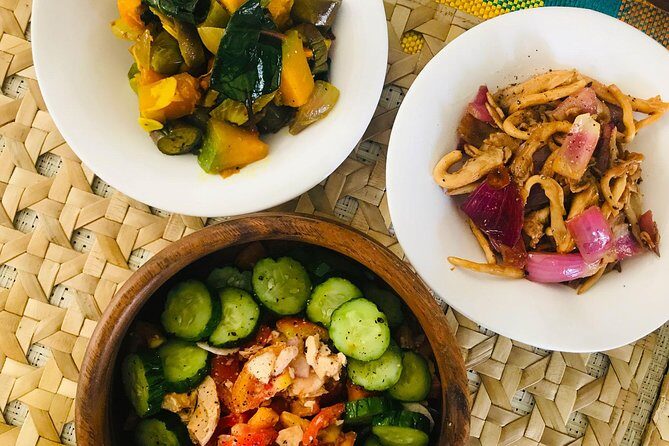
- Ginataang kalabasa at sitaw: Coconut Milk Stew Comfort
- Mechado: Soy-Marinated Beef and Onion-Tomato Sauce
- Inihaw na baboy: Grilled Pork Chops With Familiar Fire
- Calamansi pie for dessert (made by Earnest)
- Eating What You Cook: The Sit-Down Part That Makes It Worth Paying For
- Price and Value: Why $90 Can Be a Smart Deal (If You Want the Real Thing)
- Practical Tips So You Get the Most From This Private Class
- Who This Manila Filipino Cooking Class Fits Best
- FAQ
- How long is the Filipino cooking class?
- Is this a private experience?
- What time does it start, and where do we meet?
- Do I need hotel pickup?
- Can I choose hands-on cooking or watching a demonstration?
- What food is included in the price?
- Is there a vegetarian option?
- What’s the cancellation policy?
- Should You Book This Private Filipino Cooking Class in a Manila Home?
Key highlights you should know before you go
- Chef Isi’s Manila home kitchen instead of a classroom vibe
- Garden ingredient picking (including calamansi and lemongrass)
- Choose hands-on cooking or a demonstration style
- Family recipes with real flavor lessons like garlic, chilies, coconut milk, and fish sauce
- You eat together after cooking, with beer included
A Manila Private Cooking Class That Feels Like Dinner With Adults in the Room
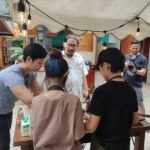
This is the kind of experience that makes you rethink what a cooking class should be. In most places, you show up, watch a show, and leave with notes you’ll never use. Here, you’re invited into a real Manila home, where the food is treated like daily life: ingredients, shortcuts, tweaks, and stories included.
The standout for me is the balance of structure and freedom. Isi walks you through the why behind Filipino flavors, but she also keeps it human. You’re not stuck behind a timer, and you’re not competing with a big group. Since this is private, you can ask questions that pop up while you’re chopping, tasting, and adjusting.
And yes, you’ll cook. You also eat. You’ll leave fed—properly fed—not just with a “that was fun” snack. Price-wise, it’s $90 per person for about 3 hours, and the value comes from the full package: instruction plus ingredients plus lunch or dinner plus beer, with gratuities included. That’s not just entertainment; it’s basically paying for a hosted meal and a recipe education at the same time.
You can also read our reviews of more private tours in Luzon


Meeting Isi in Taguig and Getting Settled for a 3-Hour Food Day
The experience starts at 10:00am, with the meeting point in Taguig, Metro Manila, and it ends back at the meeting point. There’s no hotel pickup, so plan your own way to Taguig (or wherever you’re told to meet). If you’re staying outside the area, give yourself buffer time. Traffic can turn “10 minutes late” into a whole thing.
Dress code is smart casual. Think comfortable shoes and clothes you don’t mind getting a little food-scent on. You’ll be working with ingredients and sitting down afterward, so you want to feel practical, not overdressed.
Because it’s a private group and includes your guide’s full attention, this schedule works best when you arrive ready to participate. If you want maximum hands-on time, go in with a mindset of tasting, adjusting, and trying again if something’s off.
Into the Garden: Why Calamansi and Lemongrass Matter More Than You Think
One of the most memorable parts is the visit into Isi’s small vegetable garden to pick ingredients. You’re not doing this as a cute photo stop. You’re doing it because those ingredients shape the food.
Calamansi is the big star. It’s a distinctive Filipino citrus fruit that shows up in the flavor logic of many dishes: bright acidity, clean tang, and a way of making garlic and chilies feel sharper but also more balanced. You’ll see it in recipes like ensaladang pako, where calamansi and a raw honey dressing bring sweetness and bite together.
Lemongrass is another key. Isi uses it to add an aromatic edge, giving soups, stews, and grilled dishes a “wait, what is that?” quality. When you taste it in context—then cook with it—you start understanding Filipino flavor as something built, not guessed.
This ingredient picking also helps you learn how to shop like a local. You start paying attention to smell, freshness, and how citrus acidity changes the whole dish. Even if you later cook at home, this garden moment is the part that makes your cooking decisions faster.
How the Cooking Class Works: Hands-On vs Demonstration, Your Choice
You can choose between a hands-on lesson or a cooking demonstration. That choice is important because it changes how you learn.
If you go hands-on, you’ll be prepping and cooking as much as you want. The best setup here is when you treat your class like a guided workflow: taste early, taste often, and don’t be shy about asking why something is added at a specific time. Isi’s teaching style is built around letting you do the work, not just watching it.
If you pick the demonstration style, you’ll watch Isi prepare the meal and still get guidance. You’ll learn key techniques through observation—how she builds sauces, how she seasons proteins, and how the kitchen’s flavors come together.
Either way, you’re learning with context because the class ends the same day with you eating what you made. That matters. Food is easier to remember when you can connect each step to the final taste.
Also, a quick reality check: this isn’t billed as a professional cooking course. So don’t expect a lab-style environment, strict timing drills, or a classroom curriculum. You’re here for an insider home experience with a local expert.
The Likely Menu: Recipes You Can Actually Recreate
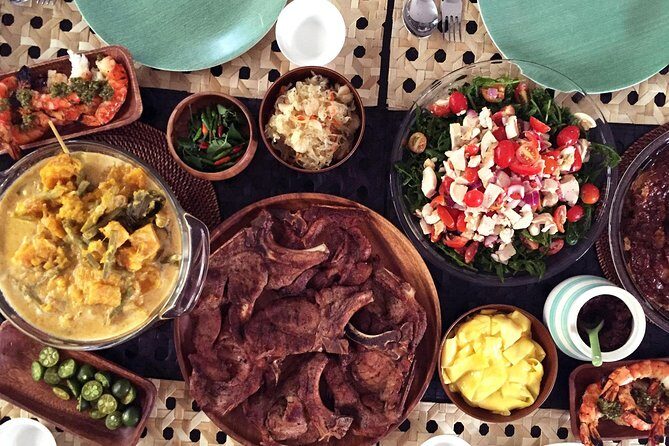
Your menu might include a mix of vegetable, seafood, and meat dishes, plus a dessert. The exact dishes can vary, but you can use this list as a very strong preview of what you’ll be cooking and learning.
Here’s how each dish helps you understand Filipino cooking beyond just copying ingredients:
You can also read our reviews of more cooking classes in Luzon
Ensaladang pako: A Calamansi-Driven Salad Lesson
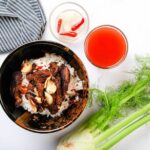
Ensaladang pako uses local fern (pako) dressed with calamansi and raw honey. The key learning point is balance. Calamansi brings sharp acidity, while raw honey softens it with sweetness. Filipino salads are often built like this—sweet, sour, and savory in one mouthful.
If you’re worried you won’t like it, don’t be. The flavor direction is clear once you taste calamansi’s acidity in the dressing.
Grilled shrimp with cilantro chimichurri: A Chili-Savvy Twist
You might make grilled shrimp with a cilantro chimichurri created by Isi. Even though chimichurri is known elsewhere, this version fits the Filipino pattern: fresh herbs, chili heat, and tang that makes seafood taste more alive.
Watch how sauces change during grilling. The marinades and finishing touches behave differently than in a pan. This is the kind of detail that makes your shrimp taste less bland later at home.
Ginataang kalabasa at sitaw: Coconut Milk Stew Comfort
Ginataang kalabasa at sitaw is a squash and green beans stew cooked in coconut milk. This is comfort food in a bowl, but the lesson is technique and ingredient pacing. Coconut milk isn’t just “add and done.” It changes texture and mellow-ness as it cooks down.
You’ll learn how coconut milk rounds off chilies and garlic instead of flattening them.
Mechado: Soy-Marinated Beef and Onion-Tomato Sauce
Mechado is soy-marinated beef cooked in an onion and tomato sauce. This dish teaches you how Filipino stews create depth without being complicated. The soy component gives a savory backbone, and the sauce turns it into something you’ll want with rice.
If you love dishes that taste better the next day, this is your direction.
Inihaw na baboy: Grilled Pork Chops With Familiar Fire
Inihaw na baboy is grilled pork chops. This is where you’ll see how Filipino grilling often uses bold aromatics and seasoning patterns designed to carry through smoke and heat. It’s not only about cooking meat. It’s about making the flavor travel.
If your cooking style at home is “I can grill but I get lazy with seasoning,” this lesson helps fix that.
Calamansi pie for dessert (made by Earnest)
For dessert, you may have homemade calamansi pie made by Earnest, Isi’s best friend. This matters because it shows calamansi is not just for savory sourness. It can be sweet, creamy, and clean, with citrus brightness that keeps it from tasting heavy.
Dessert in the home also makes the whole day feel complete. You’re not waiting around for a separate stop or a different vendor.
Eating What You Cook: The Sit-Down Part That Makes It Worth Paying For
After cooking, you sit down and enjoy the recipes you made. Lunch or dinner is included, and beer is also included.
That meal is more than a reward. It’s part of the teaching. You’ll taste the whole dish as intended and notice how the sour, sweet, and savory elements land together. It’s also the easiest way to remember what you did during cooking.
In a home kitchen, you also get the social side that big cooking classes skip. Isi’s commentary on Filipino food and culture ties the food to everyday life, not just ingredients on a card. If you’re the kind of traveler who wants meaning, not just meals, this is where it shows.
Price and Value: Why $90 Can Be a Smart Deal (If You Want the Real Thing)
$90 per person for about 3 hours sounds like a lot until you break down what’s included.
You’re paying for:
- a private cooking class with your host Isi
- pick-and-cook ingredient time in her home
- lunch or dinner plus beer
- all taxes, fees, and handling charges
- gratuities
You also get flexibility through dietary needs. Vegetarian is available if you advise at booking, and you can submit specific dietary requirements.
So where’s the value? In the “you get taught by a real person with real recipes” part. This class is not a standardized production. Isi’s knowledge comes from her family—she says she learned from her Nanay (grandmother) who cooked fresh lunches and dinners every day—and from her own food career in recipe work and food media.
If you want a cultural meal experience where you learn flavors you can reuse, the price makes sense. If you only want a casual taste and zero effort, you might be happier with a regular restaurant meal plus a smaller paid experience.
Practical Tips So You Get the Most From This Private Class
Here’s how to make sure you leave with more than full hands.
- Tell Isi your dietary needs early. Vegetarian is available, and you can advise specific requirements when booking.
- Choose the learning style that matches you. If you like doing, pick hands-on. If you get overwhelmed, pick demonstration and take notes while tasting.
- Go ready to ask questions. Taste questions are great: how much calamansi, when to add coconut milk, why soy changes the sauce.
- Bring a mindset for flavors, not recipes. You’ll learn how calamansi, garlic, chilies, coconut milk, and fish sauce work together. That’s what helps you cook later.
And since there’s no hotel pickup, double-check how you’ll get to Taguig. Being late on a 10:00am start is a bad deal when the whole schedule is built around ingredient timing.
Who This Manila Filipino Cooking Class Fits Best
This is a strong match if you:
- want authentic Filipino home cooking and not a tourist menu
- enjoy hands-on learning or at least tasting and understanding steps
- like meeting locals in their space, with real commentary about food culture
- want a meal you’ll remember because you helped make it
It’s also a good choice for couples and small groups because the experience is private. Group discounts are available too, which can help the per-person cost if you’re traveling with friends.
If you’re after a high-tech, teacher-led “professional class” with strict curriculum and uniform tools, you may find the home-style approach different than you expected. But that’s also why it feels real.
FAQ
How long is the Filipino cooking class?
It runs for about 3 hours.
Is this a private experience?
Yes. Only your group participates.
What time does it start, and where do we meet?
It starts at 10:00am and begins in Taguig, Metro Manila. It ends back at the meeting point.
Do I need hotel pickup?
No. Hotel pickup and drop-off are not included.
Can I choose hands-on cooking or watching a demonstration?
Yes. You can choose between a hands-on lesson and a cooking demonstration.
What food is included in the price?
Lunch or dinner is included, along with beer and all taxes, fees, and gratuities.
Is there a vegetarian option?
Yes. A vegetarian option is available if you advise at booking.
What’s the cancellation policy?
You can cancel for a full refund up to 24 hours before the experience start time.
Should You Book This Private Filipino Cooking Class in a Manila Home?
If you want a Filipino cooking experience that feels personal, this is an easy yes. The combination of garden ingredient picking, recipe instruction from Isi, and a sit-down meal of what you cooked is the core value. At $90 for about 3 hours with lunch or dinner and beer included, it’s not just paying for food—it’s paying for a home-hosted lesson you can carry forward.
Just be sure you’re okay with a real home kitchen setup and the fact that you’ll handle your own ride to Taguig. If that works for you, book it and treat it like dinner with a chef friend who happens to teach.