REVIEW · MANILA
Manila by Night: Discovering City Highlights with Intramuros
Book on Viator →Operated by Yolo Travel Philippines · Bookable on Viator
Night Manila has its own mood. This 3 to 4 hour evening outing lets you walk Intramuros and Binondo after dark, when the streets feel calmer and the city looks different. I like that you get stress-free pickup and drop-off plus admission tickets included, so you spend less time figuring things out.
You’ll also get a real sense of place from guides who know what you’re looking at, from Fort Santiago to Chinatown side streets. I especially like the small group limit (20 max), which makes it easier to ask questions and take photos without a crowd mobbing every landmark.
One thing to keep in mind: this experience depends on good weather. If conditions are off, the tour may be adjusted or canceled, and that can affect what you’re able to see at night.
In This Review
- Quick hits you’ll feel on the walk
- Why Intramuros after dark feels worth your time
- Your first stop: Fort Santiago (and why that timing helps)
- Binondo (Chinatown) at night: quick taste, not a food festival
- Strolling Intramuros’ night lights: the payoff walk
- The guides make the difference (and you’ll know why quickly)
- Price and logistics: what you’re paying for (and what you’re not)
- Timing, group size, and what to expect from the pace
- Weather: the one variable you should plan around
- Who this tour is best for
- Should you book Manila by Night?
- FAQ
- What time does the Manila by Night tour start?
- How long does the tour last?
- How much does it cost?
- What’s included in the price?
- Is hotel pickup and drop-off included?
- Is dinner included?
- What places do we visit during the tour?
- How many people are in the group?
- What happens if the weather is bad?
- Can I cancel and get a refund?
Quick hits you’ll feel on the walk
- Hotel pickup and drop-off at select hotels means less “now what?” at night
- Fort Santiago + Intramuros + Chinatown in one evening without long transfers
- Admission tickets included so you’re not juggling extra costs mid-tour
- Short Chinatown stop (about 10 minutes) keeps it manageable and low-stress
- Air-conditioned vehicle for the ride between stops
- Group stays capped at 20 people, which helps the pacing and Q&A
Why Intramuros after dark feels worth your time
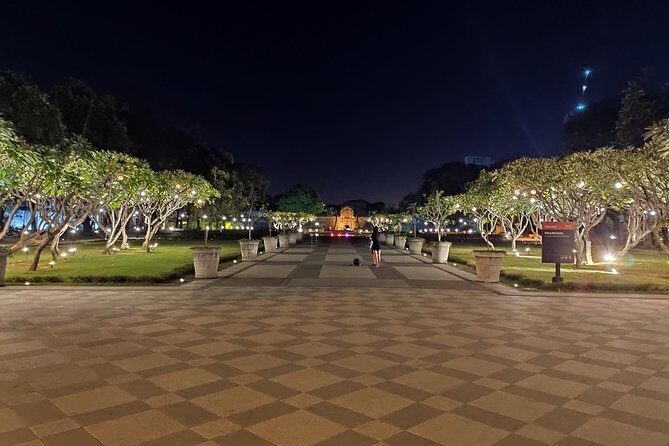
By day, Manila can be hot, loud, and exhausting fast. At night, the same areas soften. The walls, cobblestone lanes, and bridges look more dramatic once the sun goes down, and you’ll notice more of the small details because you’re not battling midday humidity.
This tour is built for that exact moment: a guided evening stroll that helps you see the main highlights without getting lost. You’re also not stuck waiting around on your own for transport. The included pickup and drop-off at select hotels keeps your evening simple, which matters when you’ve already spent a full day in the city.
The other practical win is pacing. Instead of trying to cram Intramuros and Chinatown into your own schedule, you get a set route, set timing, and a guide to connect the dots between what you’re seeing and why it matters.
You can also read our reviews of more city tours in Manila

Your first stop: Fort Santiago (and why that timing helps)
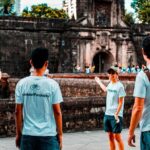
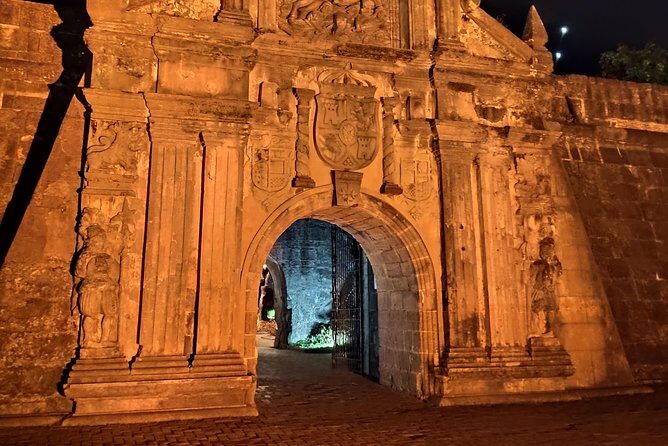
You start at Fort Santiago, and the visit runs for about an hour, with admission included. Fort Santiago is one of those places where the walls and layout do a lot of storytelling for you. A night visit gives you cooler walking conditions, and the fort’s atmosphere hits differently when the streets outside quiet down.
Here’s the value for you: a guide helps you read what you’re looking at, instead of just passing through. You’ll get context for the fort’s role in Manila’s layered past, and you’ll understand how it connects to the broader Intramuros experience.
A practical note: an hour is enough time to get oriented and see key parts of the fort, but it isn’t a full day tour. If you’re the type who wants to linger over every corner photo, plan to accept that you’ll trade a little extra wandering for a smooth flow through the rest of the evening.
Binondo (Chinatown) at night: quick taste, not a food festival
Then you head to Chinatown (Binondo) for a short stop—around 10 minutes—with admission tickets included. That short duration is the big consideration here. You’re not going to get a long, deep neighborhood exploration or an extended food crawl in that window.
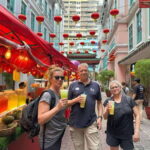
What you will get is a taste: the neon-lit lanes, the feeling of the district at night, and a guided introduction that gives you a framework for what you’re seeing as you walk through. It’s a smart setup if your goal is variety in one evening rather than a one-neighborhood deep dive.
Safety and comfort are also part of the equation. Intramuros and Binondo are both areas where the experience can change depending on crowd level, weather, and what feels appropriate at the time. The best approach for you is simple: wear comfortable shoes, keep your expectations aligned with a brief Chinatown stop, and follow your guide’s lead on how far to go and what streets to prioritize.
If your main goal is Chinatown specifically, you may want to plan extra time later on your own. But if you want a balanced night sampler that includes Intramuros as the centerpiece, this structure makes sense.
Strolling Intramuros’ night lights: the payoff walk
After Chinatown, you return to Intramuros for about 30 minutes of strolling through different areas. Admission is included again, and this is where the tour turns into that classic “Manila at night” feeling.
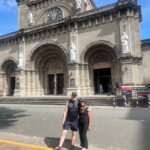
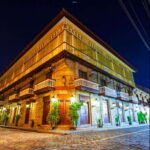
This is the stop where you’ll most feel the benefit of leaving the heat behind. Intramuros’ cobblestone streets and stone walls look cinematic after dark, and a guide helps you connect what you’re seeing—buildings, layout, and key landmarks—to the larger story of the walled city.
I also like that this isn’t rushed sightseeing in a car. Walking time is short, but it’s enough to frame the place. You’ll also likely notice seasonal lighting if you’re in town for festive periods. Some guides have been known to point out Christmas lights in the areas you pass, which turns a standard evening stroll into a memorable one.
The drawback is obvious: 30 minutes can’t cover everything. If you’re hoping to do a full self-guided loop afterward, you’ll likely want to plan extra time. Think of this segment as the guided spark that helps you decide where to return.
The guides make the difference (and you’ll know why quickly)
One of the most praised parts of this experience is the quality of the guiding. People have highlighted guides such as Bella, Albert, Glen, Ken, Marco, Genesis, Nona, Louie, and Eddy. The common thread is clear: they talk in a way that makes the places easy to understand, and they often add stories that bring Manila’s past and neighborhoods to life.
You’ll feel it in real moments: your guide answers questions as you walk, points out what to look for, and helps you connect the fort, the walled city, and Chinatown into one night narrative. Several guides also seem comfortable encouraging photos, which matters because you’ll want a few good frames with the walls behind you.
What you should do: choose a question you genuinely care about before the tour starts. Ask something like what a specific landmark is for, or how the different districts fit together historically. With a small group and active guides, you’ll likely get more than “here’s what it is.” You’ll get context you can actually use.
You can also read our reviews of more evening experiences in Manila



Price and logistics: what you’re paying for (and what you’re not)
At $75 per person for about 3 to 4 hours, the value is mostly in the structure. You’re paying for:
- an air-conditioned vehicle
- pickup and drop-off at select hotels
- guided time across multiple key areas
- admission tickets included for each stop
- all fees and taxes included
Dinner is not included. That matters because an evening tour can land you right around your dinner window. If you’re the kind of person who needs a meal right after a walk, you’ll want to plan a late snack before you go, or make sure you can eat soon after you’re dropped back.
Is $75 “cheap”? In a vacuum, maybe not. But when you include transportation plus admission and you’re not managing multiple tickets and routes yourself, it starts to feel fair—especially if you’re short on time. Also, the group is capped at 20 people, which tends to keep the experience personal rather than chaotic.
One more practical point: because this is an evening tour, you’ll want comfortable footwear. Intramuros’ walking surfaces are not built for sloppy shoes and rushed steps.
Timing, group size, and what to expect from the pace
The tour starts at 6:00 pm. That’s a nice start time for two reasons. You’re catching cooler evening temps, and you’re not leaving your whole day behind in the heat.
The maximum group size is 20 travelers, and that number helps with flow. You’ll have time to move together, hear the guide without strained repetition, and get photos without the most aggressive “turn taking” stress.
Still, evening tours are real life—traffic, weather, and crowds can affect schedules. You can reduce hassle by staying flexible and keeping your next plan open. If you’re heading somewhere after the tour, give yourself buffer time to eat and unwind.
Weather: the one variable you should plan around
This experience requires good weather. If the tour is canceled due to poor weather, you’ll be offered a different date or a full refund. That’s important, because it means the operator is accounting for the walking-heavy nature of the evening.
You should still be mentally ready for rain during Manila evenings. Some guides have adapted when weather started to pour, but your best move is to come prepared. A light rain layer and an easy-to-carry umbrella can make the difference between “fine” and “miserable,” even if you end up walking fewer minutes in certain spots.
If you’re visiting during periods of unpredictable weather or holidays with big street activity, plan extra flexibility. Night Manila is wonderful—but it’s not sterile.
Who this tour is best for
This is a strong fit if:
- you have limited time and want a guided intro to Intramuros and Binondo in one evening
- you want to avoid the midday heat and still see the city’s highlights
- you prefer walking with a guide rather than building your own route
It may be less ideal if:
- you want a long, deep Chinatown experience, because the Chinatown stop is short
- you’re very sensitive to schedule shifts from traffic or weather
- you’re planning dinner immediately after and need the tour to run exactly on time
If you’re traveling solo or in a couple, the small group size can make the experience feel friendly. If you’re with friends, it’s also a nice way to share photos and learn the city’s story without splitting up.
Should you book Manila by Night?
If you want a time-efficient, evening-paced way to understand Manila’s most iconic layers, I think this tour is a good call. The biggest reason is practical: pickup/drop-off and admission are handled for you, and the guide work turns a short walking route into something you’ll remember.
Book it if Intramuros is your priority and you want Binondo as a quick night contrast. Skip or plan extra time elsewhere if Chinatown is your main goal, because you’re only in that area briefly.
One last decision tip: pack for the weather, wear comfy shoes, and keep your post-tour plan flexible. Do that, and you’ll give yourself the best chance to enjoy Manila at night the way it’s meant to be seen.
FAQ
What time does the Manila by Night tour start?
The tour starts at 6:00 pm.
How long does the tour last?
It runs about 3 to 4 hours.
How much does it cost?
The price is $75.00 per person.
What’s included in the price?
You’ll get an air-conditioned vehicle, all fees and taxes, and admission tickets for the stops.
Is hotel pickup and drop-off included?
Pickup and drop-off are included at select hotels.
Is dinner included?
No, dinner is not included.
What places do we visit during the tour?
You visit Fort Santiago, Chinatown (Binondo), and Intramuros.
How many people are in the group?
The tour has a maximum of 20 travelers.
What happens if the weather is bad?
The experience requires good weather. If it’s canceled due to poor weather, you’ll be offered a different date or a full refund.
Can I cancel and get a refund?
Yes. You can cancel up to 24 hours in advance for a full refund. If you cancel less than 24 hours before the start time, the amount paid is not refunded.