REVIEW · BORACAY
Discover Freediving in Boracay
Book on GetYourGuide →Operated by VIAJE · Bookable on GetYourGuide
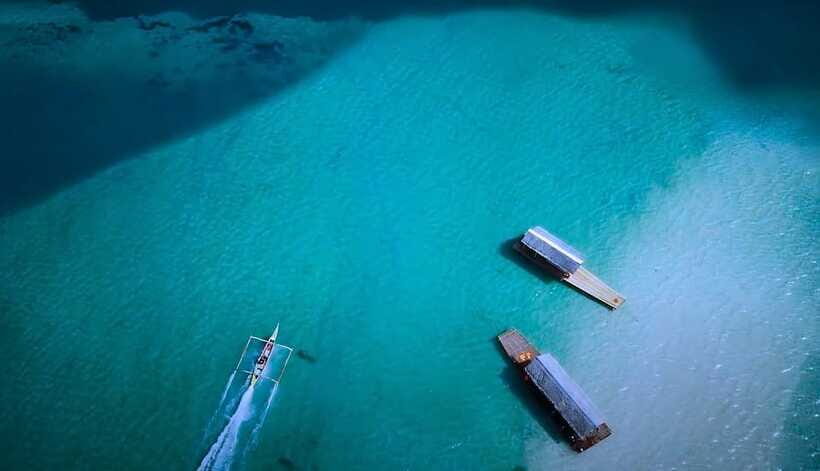
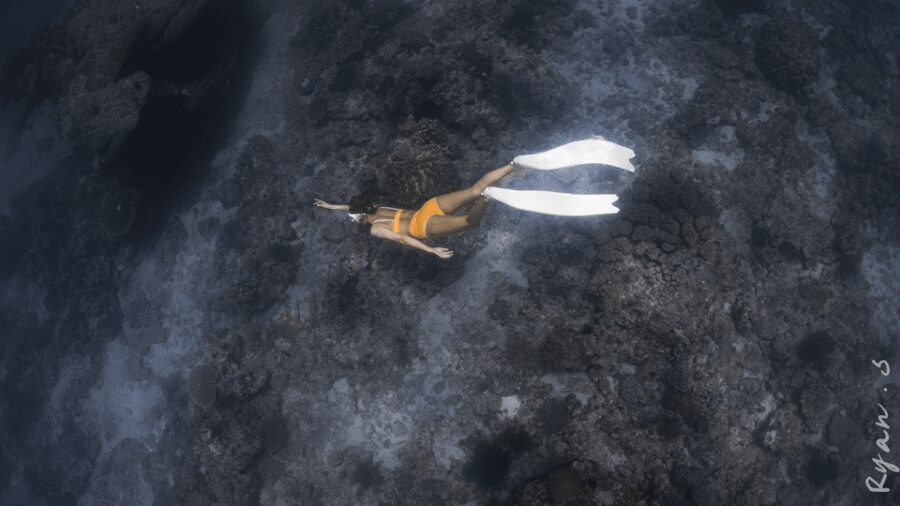
First breath-hold in Boracay feels like quiet magic. What makes this short program appealing is how quickly it gets you moving from basics to feeling in control underwater, with breath-holding technique coaching from an English- and Tagalog-speaking instructor. I also like the practical setup: you’re not just taught and sent off, you get full scuba-style gear with a tank, plus underwater photos and staff support throughout. One consideration: if the water is cold that day, the experience can feel more challenging, not because the course is unsafe, but because your body has to adapt fast.
This is a 2-hour activity that aims to work for both first-timers and people who already know the basics. The goal is not “sport for sport’s sake,” it’s calm progress—learning how to equalize, manage breathing, and stay relaxed as you go underwater. You’ll likely walk away with a clearer sense of what freediving feels like when it’s coached properly.
A final logistics note you should take seriously: the details I saw list the location as Catanduanes Province, but the meetup directions point you to White Beach in Boracay (in front of Astoria Boracay). Before you go, confirm your exact meetup so you don’t waste time hopping between islands or guessing.
In This Review
- Quick hits to know before you book
- White Beach meetup, short timing, and how the day really runs
- What “Discover” means here: breath-hold skills for beginners and beyond
- Gear setup plus a tank: why it’s included and what it changes
- Instructors in charge: what coaching should feel like
- Water, weather, and that cold-water reality check
- Marine life: what you’ll likely see, and how to notice it
- Facilities and extras that make it easier after you get back
- Price and value: is $57 worth it for 2 hours in Boracay?
- Who this breath-hold training suits best
- Small practical checklist before you go
- Should you book this Boracay breath-hold session?
- FAQ
- How long is the activity?
- What’s included in the package?
- Where is the meetup point?
- Is hotel pickup and drop-off included?
- Who is this activity not suitable for?
- What languages are the instructor and guide?
- What’s the cancellation policy?
Quick hits to know before you book
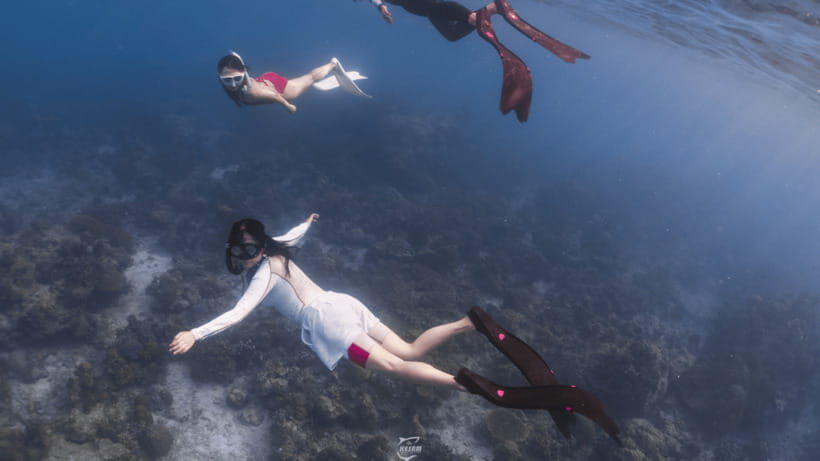
- 2 hours total: includes briefing and a crash-course style intro
- You get full equipment**: mask, fins, and a complete scuba setup with a tank
- Photo included: underwater photos are part of the package
- Instructors + a local guide: coaching plus on-the-ground escort
- Built for different levels: beginners start with foundations; more experienced folks can refine
White Beach meetup, short timing, and how the day really runs
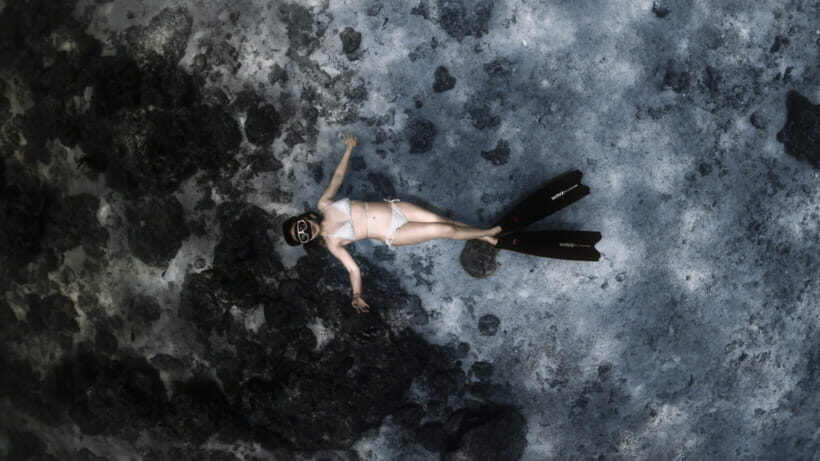
Your time here is tight on purpose. The activity is listed as 2 hours total, and that includes the briefing and the crash course—so you’ll want to arrive ready and not in a “let’s wander around first” mood. Plan for a quick buffer because water conditions and traffic can affect timing.
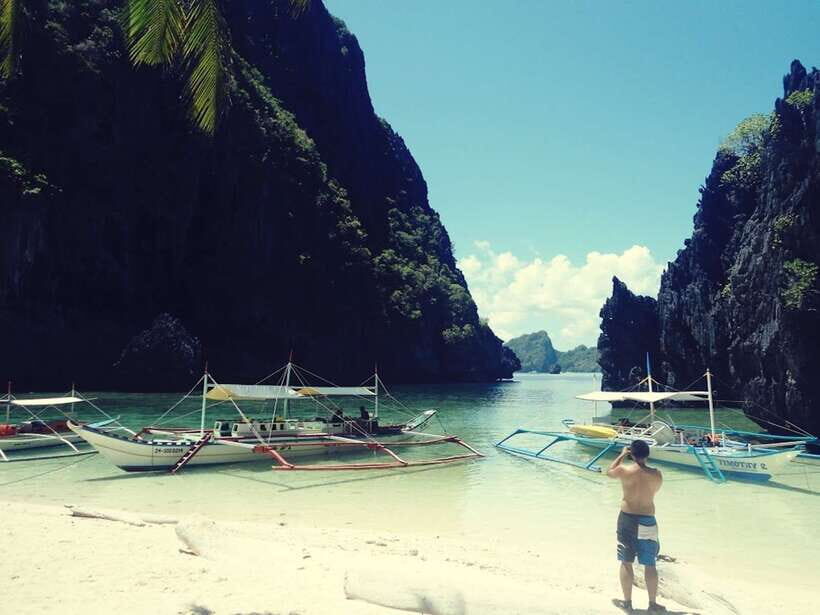
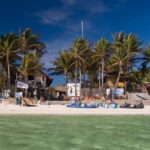
You meet at White Beach in front of Astoria Boracay, using an e-trike. Look for a guide holding a GetYourGuide sign. That’s a nice, simple system, especially if you’re new to Boracay and don’t want to guess which boat or area the group is using.
One thing I like about this format is that it’s not asking you for a full day commitment. If you only have a couple hours free while you’re in Boracay, this is the kind of activity that can fit without hijacking your whole schedule. The trade-off is that you won’t get long practice time—so take the briefing seriously and listen like it matters, because you only get a short window in the water.
You can also read our reviews of more tours and experiences in Boracay.
What “Discover” means here: breath-hold skills for beginners and beyond
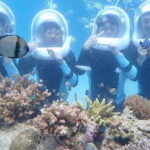
This program is built around the idea that freediving is partly technique and partly nerves. The course focuses on breath-holding skills and getting you comfortable with the sensation of going underwater under controlled instruction. Even if you’ve never done anything like this before, you should expect a foundation-first approach: learn what to do, then practice what you just learned with an instructor watching closely.
The same program also mentions a pathway for people who are already freedivers. For those more experienced, there’s a Free Fun Dive / Training session concept—meant to help you refine skills and explore deeper waters. That matters because a lot of short “intro” courses treat everyone the same. Here, the structure is set up so beginners get the essentials, and confident divers can use the session to work on their own goals.
You’ll get the most out of it if you’re honest about your comfort level. If you’re new, don’t try to act brave in the water. If you’re experienced, don’t treat it like a casual swim—use the instructor’s feedback to sharpen technique while you’re already in a coach-led environment.
Gear setup plus a tank: why it’s included and what it changes
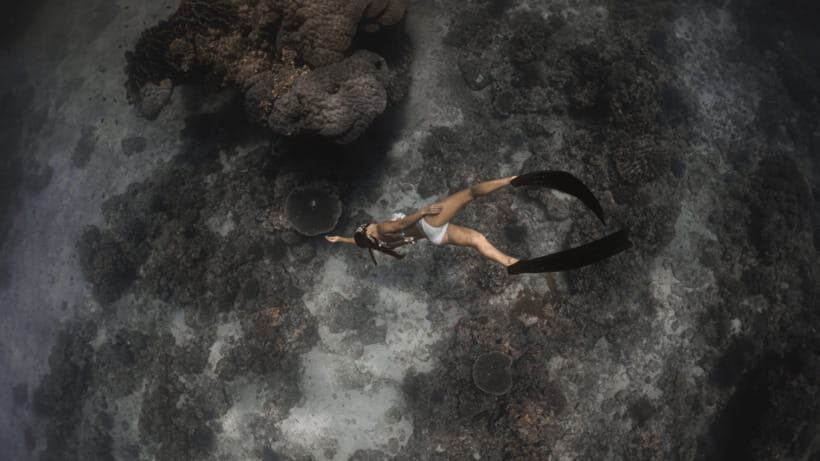
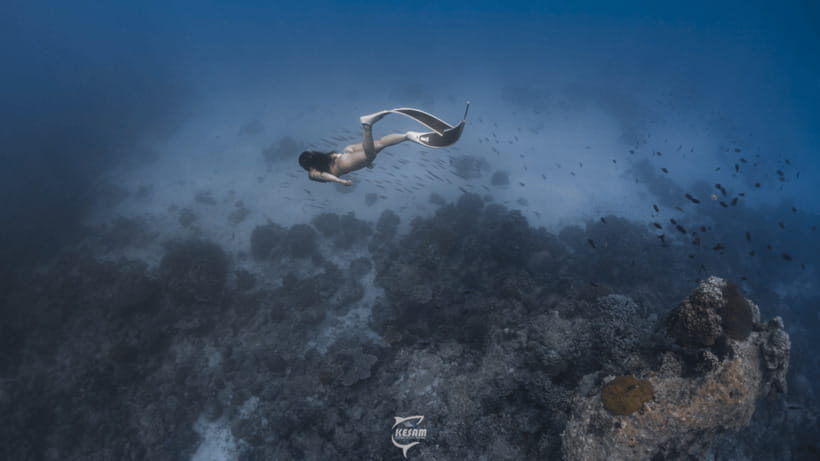
One of the most practical parts of this package is what you’re given. You receive:
- a full set of scuba equipment gear with a tank
- a diving mask and fins
- underwater photos
- an instructor and a friendly local tour guide
Seeing “tank” in a freediving course can confuse some people, so here’s how to think about it. The presence of a scuba tank and full gear suggests the provider is emphasizing safety, readiness, and proper handling. You may not spend the whole session breathing from it, but you’ll be working within a setup that’s familiar to scuba-style operations. That can reduce stress for beginners because the whole operation feels more controlled and professional.
Also, the mask and fins being provided means you don’t have to gamble on rental quality. If you’ve ever had a poor-fitting mask ruin a swim, you know how fast that turns “fun” into “frustrating.” Having the right gear from the start is a big value point in a short course like this.
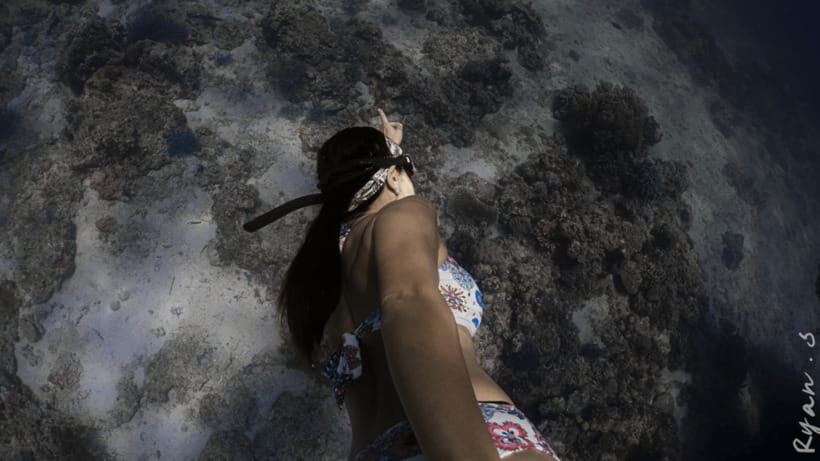
Then there’s the photo element. Underwater photos are included, which usually means you’ll be able to capture the moment without sprinting for your own camera. If you care about memories, this is a real perk—because once you start focusing on breath-hold technique, your attention won’t be on filming.
Instructors in charge: what coaching should feel like
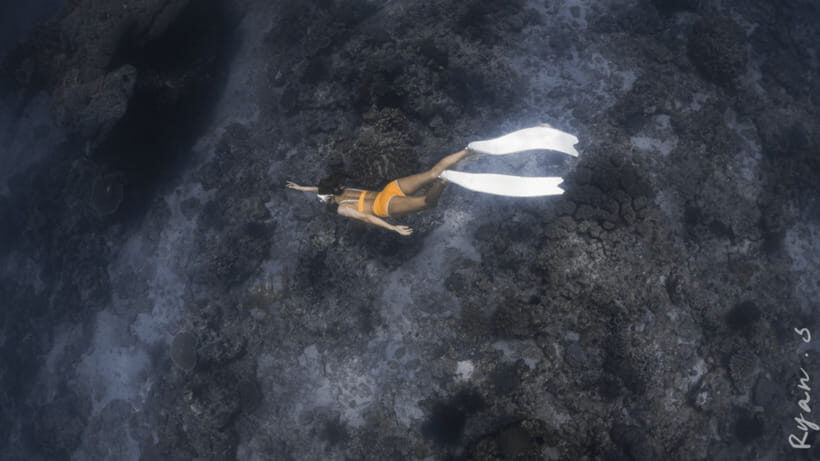
This is the part that most clearly explains the high scores. One review highlighted that everything was followed accordingly, and another praised the guide as super nice. That tells me the best version of this activity is when staff keep it structured and friendly, not chaotic.
In a 2-hour freediving program, coaching has to do three things fast:
1) teach technique without overwhelming you
2) manage timing so you actually get practice
3) watch your comfort level and adjust on the spot
The program’s included briefing and crash course are there for a reason. You don’t want to start a breath-hold session with guesswork. If your instructor is doing the job properly, you’ll leave with a clearer understanding of what you did right and what to fix next time—whether that’s equalizing habits, relaxation, or how you approach the water.
A small but important detail: the instructor is listed as English and Tagalog. That’s useful in practical terms because you can ask questions in the language you’re most comfortable with, and you’re less likely to miss key instructions. If you’re traveling with mixed-language skills, this also helps the whole group understand what’s happening.
Water, weather, and that cold-water reality check
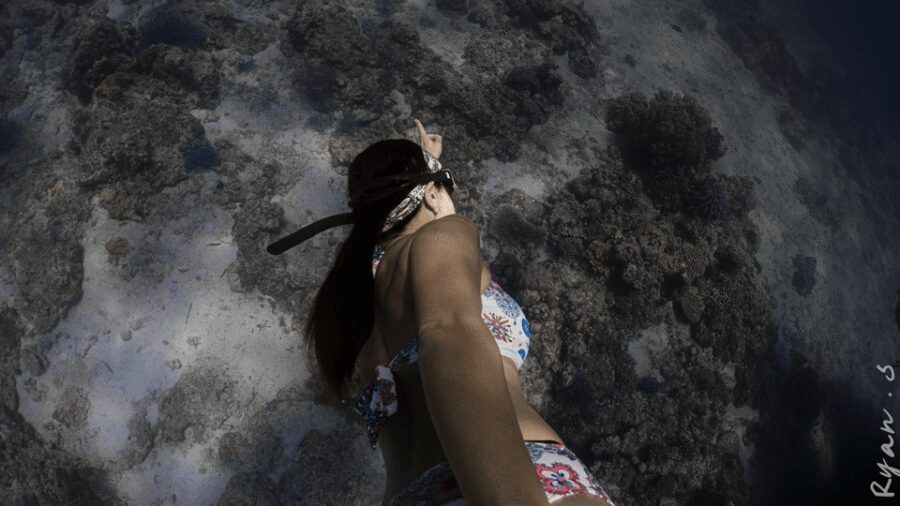
One review mentioned loving the experience despite cold weather and cold water. That’s a helpful reminder: your body reacts to temperature, and freediving breath-hold skills are easier when you’re not fighting chills.
What can you do as a traveler? Dress smart. If you’re the kind of person who gets cold easily, bring swim-wear you can layer under or a plan to stay warm between sessions. Even if the program provides the core gear, you’re still responsible for your own comfort.
Also, be flexible. The info notes that the meetup point and schedule might change depending on traffic and weather. That’s normal at beach activities, but you’ll enjoy the day more if you build in patience. The course is short; if you treat it like a rigid appointment, any delay will feel like a loss. If you treat it like a guided session that might shift a bit, it lands better.

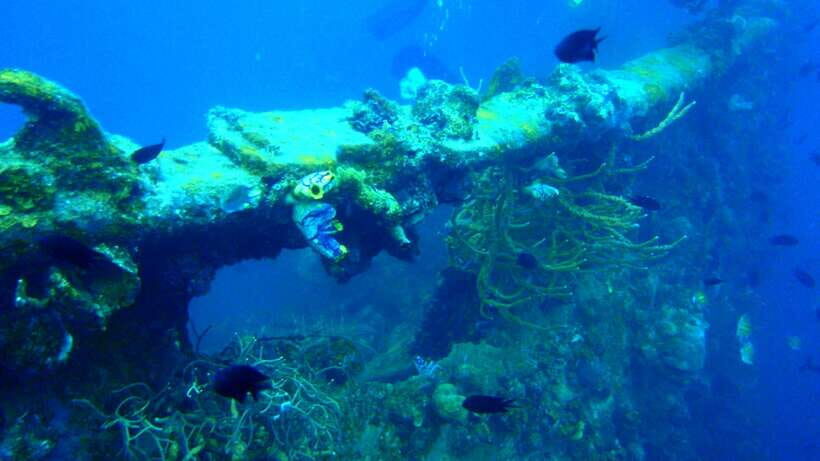
Marine life: what you’ll likely see, and how to notice it
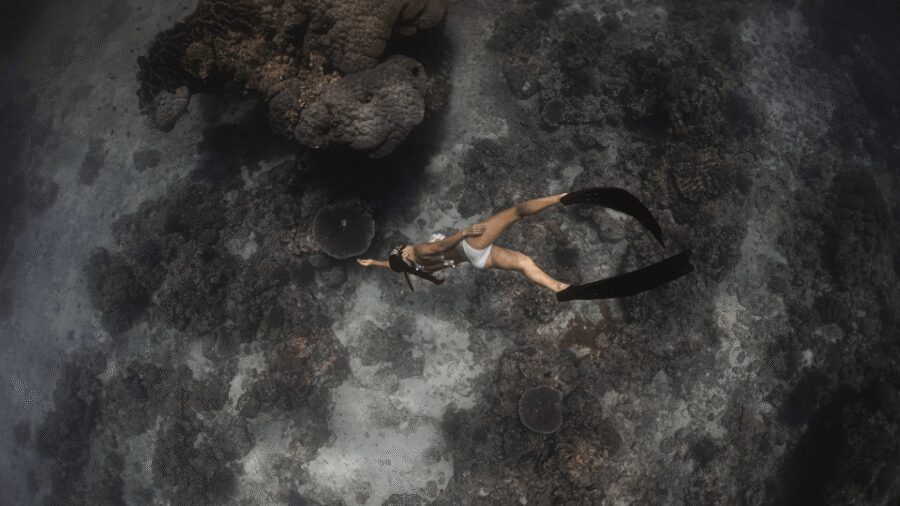
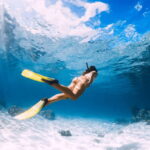
The highlights say you’ll encounter a vibrant array of marine life. You can’t guarantee exact species in a short, coached session, but you can guarantee how to look for life without turning it into a distracting treasure hunt.
Here’s my practical advice. When you’re learning breath-hold technique, your brain will naturally focus on body control—breathing, posture, and staying calm. That’s good. Just make room for one or two quick looks around during breaks or at the shallow end of the session. Marine life is often easiest to spot where light and calm water meet.
Also, don’t expect the underwater world to be the same as snorkeling from the surface. Freediving breath-hold sessions can put you slightly deeper or change how you move through the water. That changes what you see—often less time spent looking at everything, and more time noticing the few things you pass slowly.
If underwater photos are included, try to relax during the moments you want captured. A calmer body usually means better buoyancy and smoother movement, which also helps your instructor get usable photos.
Facilities and extras that make it easier after you get back
Short activities are where small comforts matter. After your session, you get a changing and shower room, plus a small towel for wiping off seawater. You also get on-board mineral water and snacks, which is a big deal when you’ve been focused underwater and come back feeling hungry and dry.
There’s also a storage cabinet with CCTV. That’s the kind of practical extra that helps you stop worrying about your stuff while you’re getting ready. If you’ve ever finished a water activity and realized you left something behind, you know how much stress a secure setup can save.
Overall, these included “after” elements make the experience feel more complete than a quick boat-and-done operation. You’re not left scrambling for a place to rinse, change, or refuel.
Price and value: is $57 worth it for 2 hours in Boracay?
$57 per person for 2 hours can seem like a lot until you count what’s included. This package is not just “training talk” or “a guide and a smile.” You get:
- 2 hours activity time including briefing and crash course
- full set scuba equipment gear with a tank
- mask and fins
- underwater photos
- instructor coaching
- friendly local tour guide escort
- changing and shower room
- mineral water and snacks
- towel for wiping after seawater
The big value play here is risk management plus guidance. A breath-hold sport has a learning curve, and safety comes from proper instruction and supervision. When a short course provides full gear and structured coaching, your time is less likely to turn into wasted attempts or confusion.
The main cost factor you should plan for is that hotel pickup and drop-off are not included. That means you’ll need to handle getting to White Beach yourself. For many people, that’s fine because Boracay is built for quick beach access, but you’ll want to account for transport time so you don’t show up rushed.
Also, remember the program is for ages and health limits. If you’re within the allowed range and have no recent surgery or medical contraindications, this is a more “value for your specific situation” kind of purchase.
Who this breath-hold training suits best
This program is described as for divers of all levels, with an intro approach for beginners and refinement options for people already comfortable underwater. That makes it a good match for:
- first-timers who want a structured learning environment instead of freestyle guesswork
- intermediate people who want coach feedback in a short session
- travelers who want something active but not all-day
There are also clear “not for you” rules. It’s not suitable for:
- children under 10
- pregnant women
- people over 60
- people with pre-existing medical conditions
- people with recent surgeries
If any of those apply, skip it. Water activities and breath-hold training require extra caution, and it’s better to choose a safer alternative.
Small practical checklist before you go
Since schedules can shift with traffic and weather, I recommend you show up ready rather than improvising at the last second. Bring your booking details and make sure the contact info you provide is accurate, because the meetup and timing can change. Also, if you’re cold-water sensitive, plan clothing and comfort gear accordingly so the day stays fun.
And one more thing I like to emphasize: if you’re using this as a first exposure to freediving techniques, treat the briefing like it’s the main event. The water part moves fast.
Should you book this Boracay breath-hold session?
Book it if you want a short, coach-led way to learn breath-hold fundamentals in a controlled environment, and you value getting full gear and underwater photos included. It’s also a good pick if you like having a friendly local guide escort you and keep the day organized.
Skip it if you fall into the clear restrictions listed (age, pregnancy, pre-existing medical conditions, recent surgeries). Also skip it if you hate gear-based activities or you can’t handle cold water at all, because the experience can still feel physically intense even when everything is handled correctly.
If your goal is to come home with technique confidence and a few memorable photos, this looks like strong value for the time you spend.
FAQ
How long is the activity?
The activity lasts 2 hours, including the briefing and crash course.
What’s included in the package?
It includes a full set of scuba equipment gear with a tank, a diving mask and fins, underwater photos, a professional instructor, a friendly local tour guide, changing and shower room access, a small towel, mineral water and snacks, and a storage cabinet with CCTV.
Where is the meetup point?
Meet at White Beach in front of Astoria Boracay. You’ll take an e-trike and look for a guide holding a GetYourGuide sign.
Is hotel pickup and drop-off included?
No. Hotel pickup and drop-off are not included.
Who is this activity not suitable for?
It’s not suitable for children under 10, pregnant women, people over 60, people with pre-existing medical conditions, or people with recent surgeries.
What languages are the instructor and guide?
The instructor is listed as English and Tagalog.
What’s the cancellation policy?
Free cancellation is offered up to 24 hours in advance for a full refund.