REVIEW · PANGLAO ISLAND
Discovery Freediving Program
Book on Viator →Operated by Blue Freedom Apnea · Bookable on Viator
A calm start in the water can change everything. Blue Freedom Apnea’s Discovery program is built like a ladder: yoga, then pool training, then an open-water breath-hold session in Panglao. It also comes with a real sense of community, rooted in a non-profit that feels more like a friendly club than a factory class.
What I like most is how the coaches help you stay relaxed and learn step-by-step, plus the focus on safety and solid equipment. You’ll also get an open-water session recording so you can review your progress (and not just guess what happened underwater).
One thing to consider: apnea training takes practice with equalization and comfort in the water. If you’re prone to panic at depth, plan to lean on the coaching and progress at your pace.
In This Review
- Key highlights at a glance
- Blue Freedom Apnea in Panglao: community-first apnea training
- Your schedule: yoga, theory, pool practice, and open-water session
- What you actually learn: calm breathing, equalization, and fin efficiency
- Coaching style: why Joshua, Ms. Debora, and Alroy get named
- Where you start: Panglao Chocolate Hills Hostel & Resort
- Small group size (max 10): the difference you feel
- Bohol’s underwater setting: corals, turtles, sardines, and a shot at whale sharks
- Equipment and safety: what “top-quality gear” means for you
- Photos and videos: why the recording helps beyond souvenirs
- Price and value: is $70 a fair deal for a full day?
- Who this program fits best (and who might want extra prep)
- Should you book Blue Freedom Apnea’s discovery program?
- FAQ
- Where is the meeting point for the Discovery program?
- What time does the program start?
- Is an optional yoga session included?
- What happens during the day?
- How big is the group?
- Is the open-water session recorded?
- What is the price?
- Do I need to bring my own equipment?
- What is the cancellation policy?
Key highlights at a glance
- Small group (max 10) so you’re not lost in the shuffle
- Team includes safety divers and multiple coaches for hands-on feedback
- Step-by-step pacing: theory → pool practice → open-water breath-hold session
- Gear is provided, including top-quality freediving equipment sets
- Open-water session recording helps you track what to improve next
- Bohol marine life is the backdrop, with coral, turtles, sardines, and occasional whale-shark sightings
Blue Freedom Apnea in Panglao: community-first apnea training
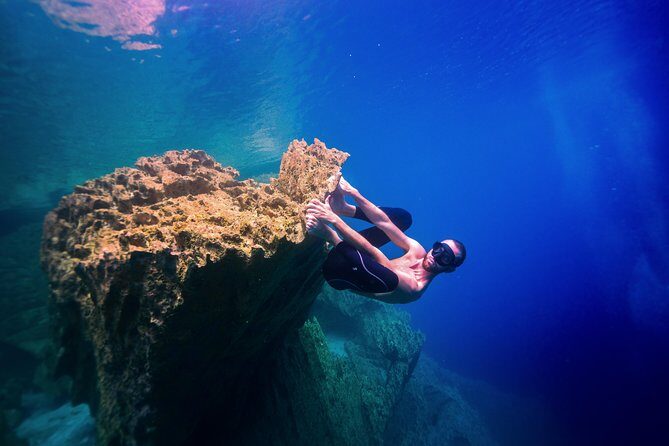
Panglao is packed with water activities, but Blue Freedom Apnea doesn’t run like most of them. The school started as a non-profit, and that shows in the vibe: it feels like a diving family rather than a one-and-done tour. Even if you’re brand new to breath-hold work, you’re welcomed into the group energy and guided without judgment.
Another thing I really respect is the emphasis on fundamentals and safe progress. Their approach is practical: the team is there to help you improve, whether you’re a beginner or already training. And it’s not just talk. People mention coaches like Joshua (often as a guide/safety diver), Ms. Debora, and Alroy/Arloy for turning anxious moments into calm breathing and better technique.
Finally, the school clearly cares about gear. Multiple reviews call out “great gear” and full equipment sets. That matters because apnea training is technical. Good fit and reliable equipment reduce distractions so you can focus on breathing, timing, and control.
You can also read our reviews of more tours and experiences in Panglao Island.
Your schedule: yoga, theory, pool practice, and open-water session
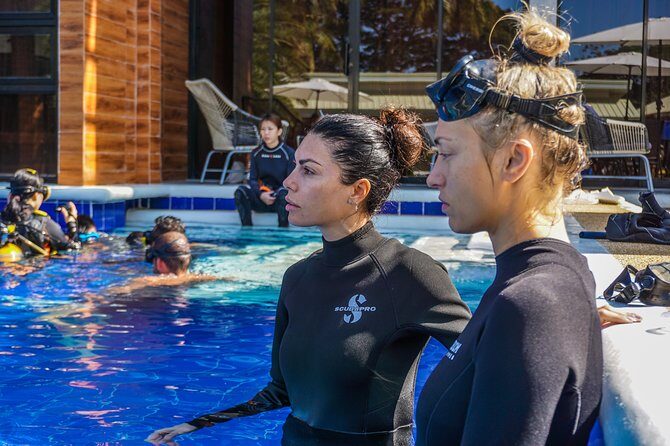
This is a one-day program designed to move you from mindset to skills.
You can opt into an early yoga session at 7:30 AM, which is a smart warm-up if you’re new. Yoga helps you slow your breathing and get your body used to being calm on purpose, not just “hoping for the best” in the water.
Then the day builds:
- 9:00 AM: Freediving/apnea basics theory
This is where you get the fundamentals explained in a simple, fun way. The goal is to give you a mental map before you add the real-world challenge of salt water, buoyancy, and equalization.
- 10:00 AM: Pool training
This is the safety net. In a pool you can practice with less variable conditions, get comfortable with your gear, and work through basic techniques. Reviews also highlight that learning theory helps people later with breath-hold confidence and more efficient fin use.
- 11:00 AM: Open-water adventure
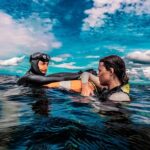
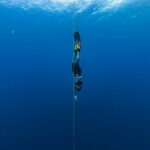
After pool practice, you head out for the real experience: an open-water breath-hold session with guidance. The day ends back at the meeting point, so you’re not dealing with complicated transport at the end of a long physical activity.
A nice bonus: your open-water session is recorded. That means you’re not only going off memory and sensations. You’ll get a chance to see what your posture, movements, and timing look like when you review the footage later.
What you actually learn: calm breathing, equalization, and fin efficiency
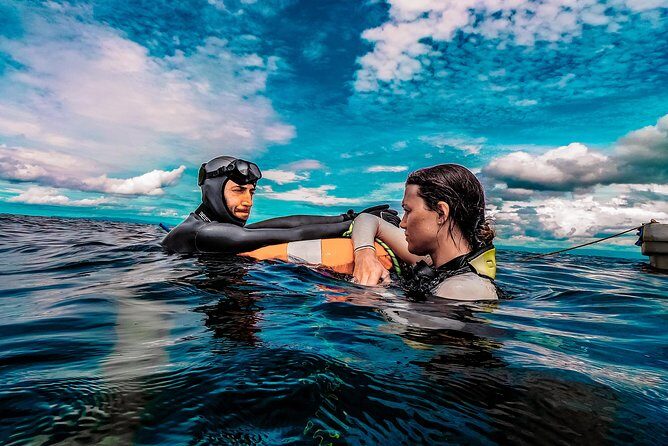
The discovery day is about learning the basics and gaining confidence—fast. The best results tend to come from treating the session like training, not like a test.
Here are the themes that show up again and again in feedback:
Breath-hold technique with a calm mindset
Many reviews mention coaches helping students turn panic into calmness. That’s big, because underwater fear can wreck technique. Coaches like Kua Joshua and Coach Joshua are praised for patience and for keeping instruction clear when your brain wants to rush.
Equalization practice (and knowing it takes time)
One review specifically calls out needing more practice with equalization. That’s normal. Even with good coaching, your ears and your comfort level may not cooperate on day one. The pool part helps, but you should expect that equalization may be the one skill you keep working on after the program.
Fins and movement efficiency
Another review highlights learning how to hold breath and use fins efficiently. This matters because better propulsion usually means less effort, less panic, and smoother control.
Theory that actually connects to the water
People point out that the theory class is straightforward and useful. When you understand what you’re trying to do—rather than just copying movements—you usually improve quicker.
If you’re new, your job is simple: listen, practice what they show, and don’t fight the process. The coaches do a lot of emotional coaching too—confidence is part of the curriculum.
Coaching style: why Joshua, Ms. Debora, and Alroy get named
One of the strongest signals from reviews is consistency in coaching. The team uses patient guidance, and different instructors seem to bring slightly different strengths.
- Joshua appears repeatedly as a guide/safety diver who helps beginners feel at ease, especially when nerves show up. Several comments also credit Joshua with turning panic into calmness and providing right tips and tricks for the next attempt.
- Ms. Debora is praised for helping with breath-hold technique.
- Alroy/Arloy stands out in feedback for boosting confidence under water, with advice that helps students improve dive/session by session.
You may work with more than one instructor during the day. That can be a plus: different perspectives can make one coach’s explanation finally click. Just remember to keep your priorities clear in your head—breathing, equalization, and calm movement—so you don’t get overloaded when you switch instructors.
Where you start: Panglao Chocolate Hills Hostel & Resort
You’ll meet at Panglao Chocolate Hills Hostel & Resort, Libaong, Panglao, Bohol. The activity starts at 8:30 AM and ends back at the same meeting point.
This matters because the day has water time, and fatigue hits fast. Returning to the same spot keeps the logistics simple—less time hunting for your ride, more time resting and hydrating afterward.
The meeting area is also listed as near public transportation, which helps if you’re traveling around Panglao without a private driver.
Small group size (max 10): the difference you feel
A maximum of 10 travelers keeps the program from feeling like a crowd. In water training, that’s not a “nice-to-have.” It changes everything: more attention per person, quicker feedback, and a safer pace.
When groups are large, instructors often end up teaching to the average. Here, you’re more likely to get corrections that match your body mechanics. That’s especially helpful for apnea basics, where small posture and breathing differences can swing results quickly.
Bohol’s underwater setting: corals, turtles, sardines, and a shot at whale sharks
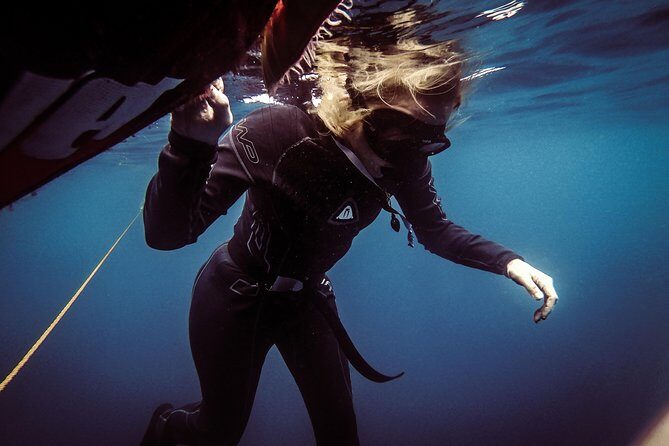
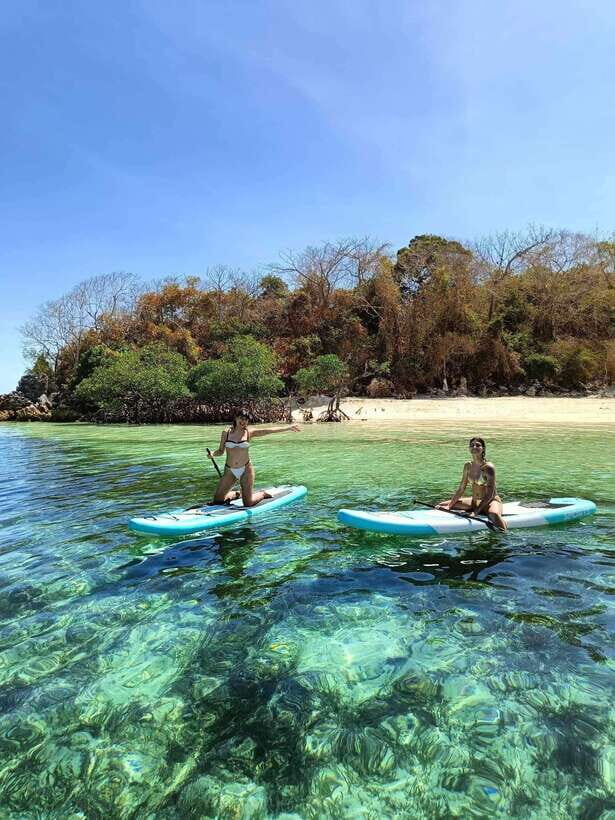
The program is based on Panglao and the broader marine life of Bohol. You’re not just learning technique; you’re learning in a place that supports the experience.
Expect the kind of wildlife you came for: colorful corals, turtles, and schools of sardines. The area is also known for occasional whale-shark sightings, though you should treat that as luck, not a promise.
Some reviews mention fun underwater sessions and specific locations like Napaling (sardines) and a plane wreck as part of additional training or activities. While the discovery program’s exact spots aren’t guaranteed from the info provided, it’s a good sign that the school is connected to the local underwater scene—not only generic training environments.
In plain terms: even if your goal is skills, you’ll likely leave with at least a couple of unforgettable animal encounters.
Equipment and safety: what “top-quality gear” means for you
With apnea training, equipment quality is more than comfort. It influences safety, confidence, and consistency.
Blue Freedom Apnea provides top-quality freediving equipment sets, and multiple reviews point out that the gear is complete and that people feel supported underwater by professional instructors plus safety divers. You don’t need to bring your own full setup for the discovery day.
This matters because as a beginner, you’re already managing a lot:
- breathing control
- equalization
- buoyancy
- body position
- gear comfort
- staying calm when something feels unfamiliar
Good gear reduces extra variables. It helps you focus on the coaching instead of troubleshooting.
Photos and videos: why the recording helps beyond souvenirs
The open-water session is recorded, and reviews also mention free photos and videos underwater. They also note that the “shooter” may retake shots if the first attempt doesn’t land.
This is more useful than it sounds. For apnea basics, you often can’t tell what went right. Recording gives you feedback you can actually see: how your kicking looks, how your body angle changes, and whether you’re moving smoothly or getting tense.
If you want to improve after the discovery day, the video becomes a training tool. Even simple review can point you toward one thing to focus on next time.
Price and value: is $70 a fair deal for a full day?
At $70 per person, this is positioned as an affordable entry point to structured breath-hold training in Panglao.
Here’s what you’re getting in that price range, based on the program outline:
- optional yoga in the morning
- theory class on apnea basics
- pool training with gear setup and technique practice
- an open-water guided session
- recording of the open-water session
- equipment provided
That combination is where the value comes from. Many “cheap” water experiences either skip the teaching or lack the safety structure. This program gives you instruction plus practice time plus a real open-water session, all in a single day.
Also, the school caps the group at 10. Smaller groups usually cost more, so pricing like this can feel like a good match for beginners who want skills without paying for a long course immediately.
One more practical note: you’ll likely want to book ahead. This is commonly booked about 11 days in advance, so waiting until the last minute may shrink your options.
Who this program fits best (and who might want extra prep)
This discovery program is a strong match if you:
- are a beginner or new to structured breath-hold work
- can handle being in the water and following safety instructions
- want clear steps: theory first, then pool practice, then open-water work
- want confidence-building coaching and a supportive group vibe
It may be a less perfect fit if you:
- dread anxiety in the water and aren’t willing to work slowly with the coach
- haven’t practiced basic equalization comfort yet (you may still do fine, but you should expect to keep practicing afterward)
The good news: coaches like Joshua are repeatedly praised for patience, and people specifically mention that they felt calm and relaxed as instruction clicked.
Should you book Blue Freedom Apnea’s discovery program?
If your goal is to get started the right way, I’d book it.
This program offers a rare combo: step-by-step coaching, small group size, and a real open-water session backed by safety support. Plus, you get recording, which helps you track progress instead of just hoping you improved.
The main caution is not the program—it’s your own expectations. Day one in apnea work can’t fix equalization instantly. But with patient coaching and pool practice first, you can leave with better technique, more calm confidence, and clear next steps for further training.
If you want a beginner-friendly introduction in Panglao that feels human and organized, Blue Freedom Apnea is a solid choice.
FAQ
Where is the meeting point for the Discovery program?
You meet at Panglao Chocolate Hills Hostel & Resort, Libaong, Panglao, Bohol, Philippines.
What time does the program start?
The start time is listed as 8:30 AM.
Is an optional yoga session included?
Yes. An optional yoga session is scheduled for 7:30 AM.
What happens during the day?
The day includes apnea basics theory (9:00 AM), pool training (10:00 AM), and an open-water adventure session (11:00 AM).
How big is the group?
The program has a maximum of 10 travelers.
Is the open-water session recorded?
Yes. Your open-water session is recorded so you can relive the experience.
What is the price?
The price is $70.00 per person.
Do I need to bring my own equipment?
The program provides freediving equipment.
What is the cancellation policy?
You can cancel for a full refund if you cancel at least 24 hours before the experience’s start time. Free cancellation is available up to that point.