REVIEW · EL NIDO
From El Nido: to Coron 3-Day 2-Night Island-Hopping Tour
Book on GetYourGuide →Operated by We Are Juan · Bookable on GetYourGuide
Palawan can be a little too good at tempting you into the next boat. This El Nido to Coron 3-day, 2-night expedition is built for off-the-map days, with routes shaped by weather and tides and a crew that keeps things moving. You’ll hop between remote shorelines, snorkel with real marine life, and spend nights in simple nipa huts instead of a hotel bubble.
The two things I’d bet on for most people are the food and the vibe. An onboard chef cooks fresh, traditional Filipino meals, and the group energy tends to gel fast thanks to shared days on the water and evenings around bonfires and karaoke. The one drawback to plan for is comfort: you’re camping, and conditions like rain can mean leaky huts and less-than-luxury showers and toilets.
In This Review
- Key things worth knowing before you go
- El Nido to Coron by island-hopping: why this feels different
- The route is “no strict itinerary” and that’s the point
- Getting from the start in El Nido to the finish in Coron
- Day 1: settling in, island-hopping, and your first nipa hut night
- Day 2: village culture, turtle watching, and more reef time
- Day 3: final morning snorkeling, then a Coron arrival around 4–5pm
- What the food is actually like (and why it’s a big deal on this trip)
- Huts, sleep, and the pack-light trick that saves your back
- Price and value: what $337 includes and what you’re really buying
- Tour pace, group energy, and the names you might meet onboard
- Who should book this, and who should skip it
- Should you book We Are Juan’s El Nido to Coron island-hopping expedition?
- FAQ
- How long is the El Nido to Coron tour?
- Is this a one-way trip?
- What’s included in the price?
- What fees are not included in Coron?
- Do I need to bring snorkeling gear?
- Is it suitable for children or people with mobility needs?
- What’s the meeting point in El Nido?
Key things worth knowing before you go
- Freedom-first routing: no fixed checklist, the crew adjusts to conditions (and to your group’s mood)
- Nipa hut sleep: mattresses, pillows, sheets, mosquito nets included, but it’s still rustic camping
- Marine time is real: snorkeling plus turtle watching, with kayaking to mix it up
- Meals are part of the value: breakfast, lunch, and dinner with snacks and purified drinking water
- One-way transfer ends in Coron: expect arrival around 4–5pm on day three
- Extra fees in Coron: Coron Eco Tax (200 PHP) and ETDF (400 PHP) are payable on arrival
El Nido to Coron by island-hopping: why this feels different
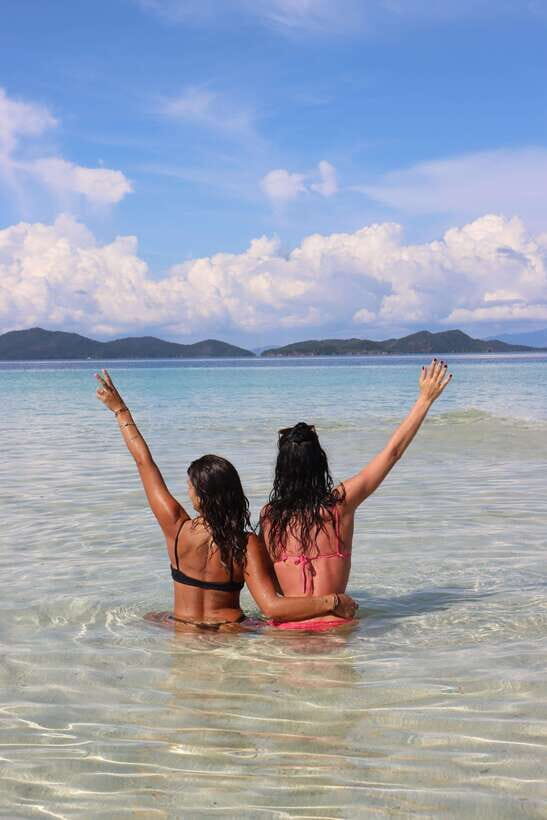
The El Nido to Coron route can be done like a transport problem: boat, then hotel, then move on. This version treats it like an adventure in its own right. You’re not just crossing Palawan; you’re spending the middle of the journey out on the islands with time for snorkel stops, kayaking, and beach hangouts before you ever reach Coron.
What I like about how this expedition is designed is that it’s honest about what makes island-hopping work here. Water visibility, tides, and wind can make the difference between a great reef hour and a ho-hum one. The crew’s whole approach is built around that reality, which means your day can flex instead of forcing you into a rigid schedule.
And the small details matter. You get masks and snorkels included, life jackets onboard, and an onboard chef. That’s not glamorous, but it’s practical. It helps you show up with less gear and less stress, which is exactly what you want when you’re bouncing between shorelines.
You can also read our reviews of more evening experiences in El Nido

The route is “no strict itinerary” and that’s the point
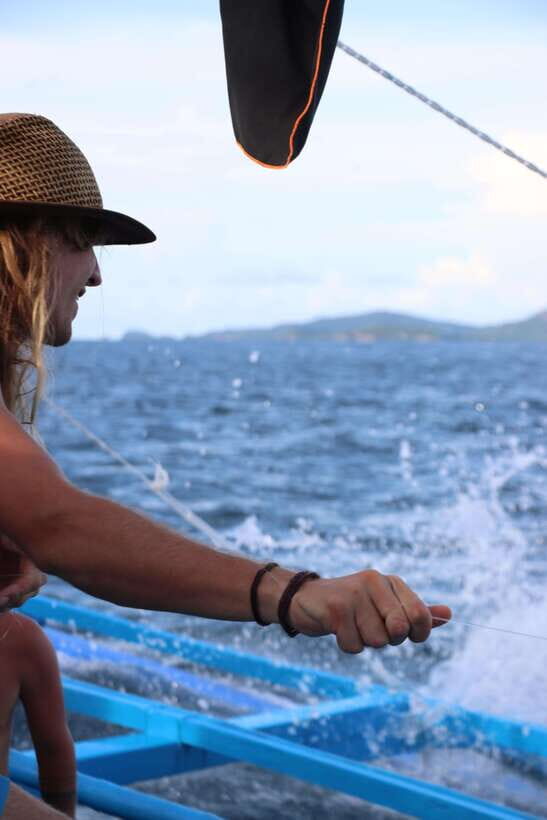
This tour is marketed as a no-itinerary expedition, which is a big deal in Palawan. The crew chooses where to go based on weather and sea conditions, so you’re more likely to get clear-water snorkel windows and safer routes.
In plain terms, you’re trading the certainty of a printed timetable for something more useful: time that fits the day you actually have. If the group wants extra snorkel minutes looking for turtles, the plan can stretch. If you want a quiet afternoon on a secluded beach, you can get it. If you’re the type who likes to move constantly, the rhythm can match that too.
This also changes how you should pack mentally. Don’t plan your entire schedule in Coron assuming you’ll arrive on the dot. Weather can shift. In fact, one of the most helpful pieces of advice is to build in a little buffer day after you reach Coron, just in case conditions force a slower pace or an extra night on an island.
Getting from the start in El Nido to the finish in Coron
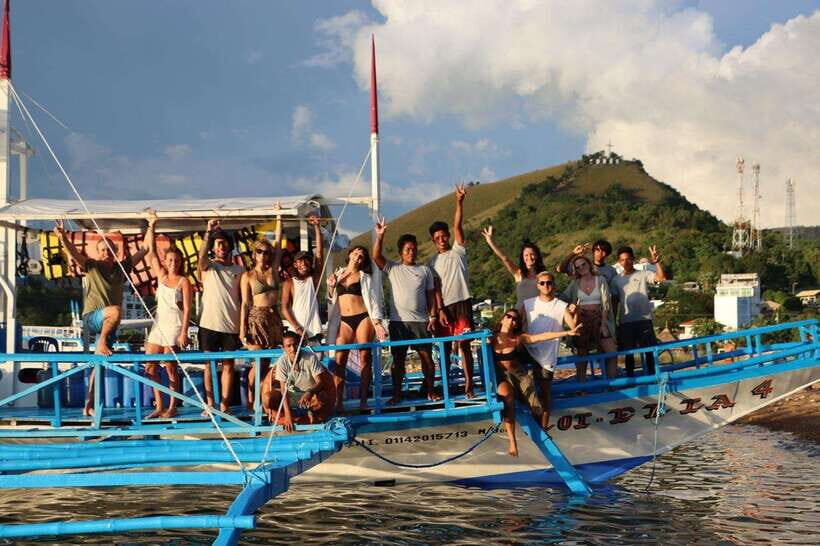
This is a one-way expedition. You start at the We Are Juan Tour Office (about halfway down on the right side between the entrance to Pops District and the beach). You finish in Coron on day three at about 4–5pm.
That timing matters because Coron is the next chapter, and local connections can be tight. If you’re flying out the same night, you’ll want a cushion. If you’re taking a ferry or bus, give yourself wiggle room so you’re not sprinting through transfers with damp gear and sand in your shoes.
The trip duration is 3 days / 2 nights. You’ll sleep in traditional nipa huts on the islands, then head onward until you reach Coron.
Day 1: settling in, island-hopping, and your first nipa hut night
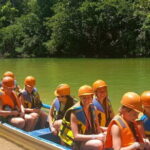
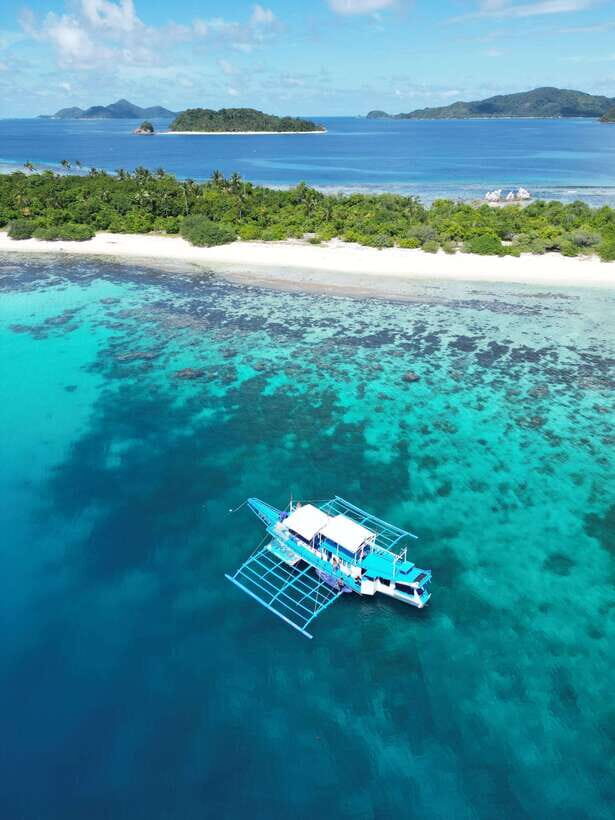
Day one is where the expedition vibe kicks in. You’ll transfer out from El Nido on a licensed tourist boat with a licensed captain and local guides. The tour includes a pre-departure briefing, plus the basics you’ll actually use: life jackets and purified drinking water.
Once you’re underway, expect a mix of the core island activities listed for this expedition:
- island-hopping stops with time to snorkel
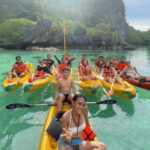
- kayaking use (so you’re not only watching the sea from above it)
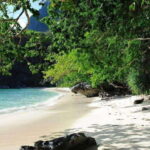
- beach time for relaxing and sunset watching
You’ll also get the feeling that the crew is running a “conditions-first” operation. If the water is clear, snorkel time tends to be the star. If it’s not ideal, the day can shift to other spots and activities where you still get a great experience without forcing it.
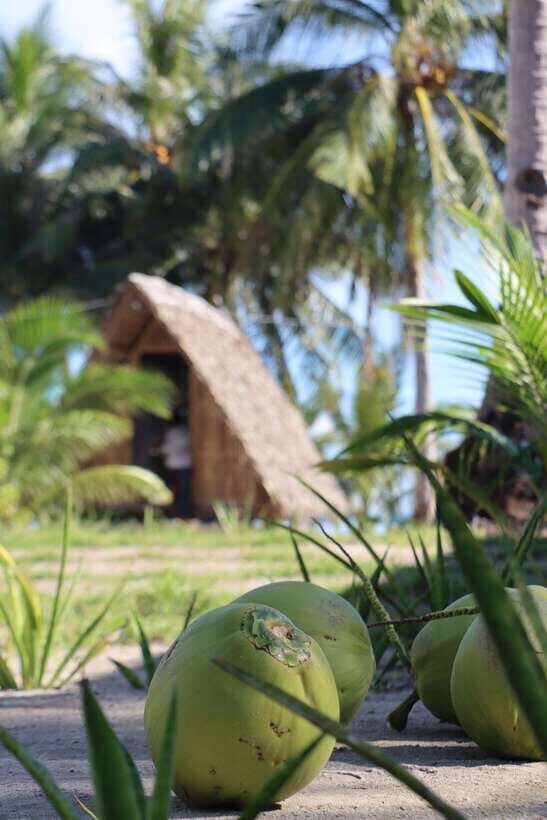
Night one is camping in nipa huts. Included amenities are comfort basics for outdoors life: mattresses, pillows, sheets, and a mosquito net. You’ll sleep simple, and that’s exactly the point. One practical drawback to know: if rain hits, some huts can leak. It’s not a deal-breaker for most people, but it is a real consideration. Pack for “outdoor camping” conditions, not hotel stability.
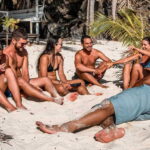
Evening plans often include bonfire time, and karaoke appears on the activity list for this expedition. This is also when the group tends to come alive, because everyone shares the same day on the boat and ends up in the same circle later.
Day 2: village culture, turtle watching, and more reef time
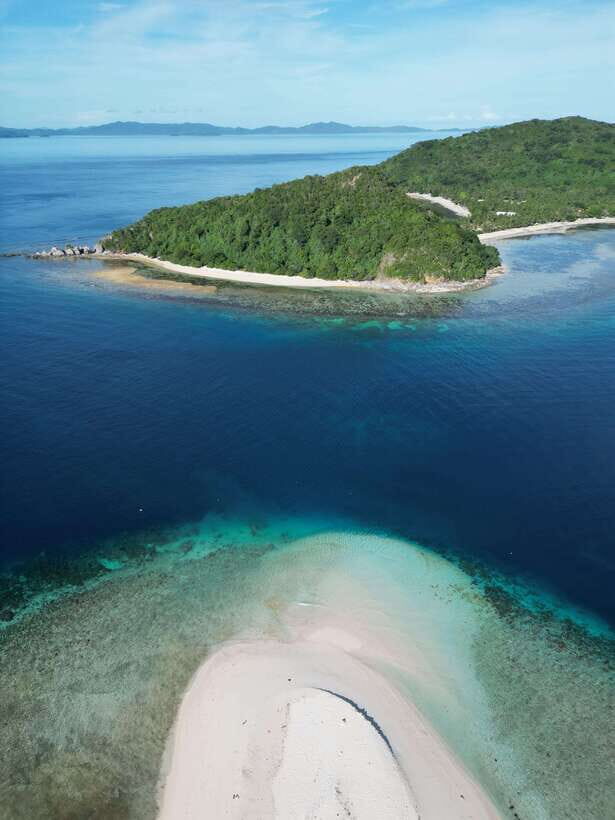
Day two is usually the most “Palawan sampler,” because you get both nature and people into the mix. The activity list includes a local fishing village tour, plus turtle watching. It also includes more opportunities for snorkeling, kayaking, and time on beaches.
Here’s what this adds up to for you: the tour avoids being only reef time and only beach time. You get a cultural moment in the middle, which helps the trip feel like more than a series of pretty stops. It also breaks the day enough that you’re not constantly underwater or constantly walking.
If you’re hoping for sea turtles, you should know this expedition explicitly includes turtle watching. That doesn’t guarantee sightings on demand (nature doesn’t run on your phone schedule), but it does mean the guides and route planning factor it into the day’s choices.
Evenings keep the social side going. Volleyball and karaoke are listed as activities, and you may also find late-afternoon downtime shaped around what the group wants. That’s where the “no fixed schedule” style really shows. If you’re tired from the water, you’ll likely slow down. If you’re still buzzing, the crew can turn the evening into something playful.
And again, remember the comfort reality: huts are basic, showers and toilets are not described as hotel-grade. People do go anyway, but you should go with the right expectations. The payoff is you’re sleeping on islands that most people just zoom past.
A few more El Nido tours and experiences worth a look


Day 3: final morning snorkeling, then a Coron arrival around 4–5pm
Day three is the ramp-down day. You wake up on the island, squeeze in final water time (snorkeling and kayaking are both part of the expedition’s set of activities), and then head to Coron.
The trip ends in Coron on approximately the third day at 4–5pm. That’s early enough to still enjoy the city if you’re organized, but late enough that you shouldn’t plan anything that requires you to be on the move instantly.
If you’re connecting onward the same day, I’d treat your “arrival time” as a target, not a promise. Weather and sea conditions can affect the pace. The safest move is to schedule Coron logistics later in the day or plan a buffer if you have a flight.
What the food is actually like (and why it’s a big deal on this trip)
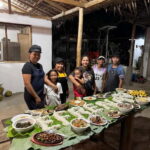
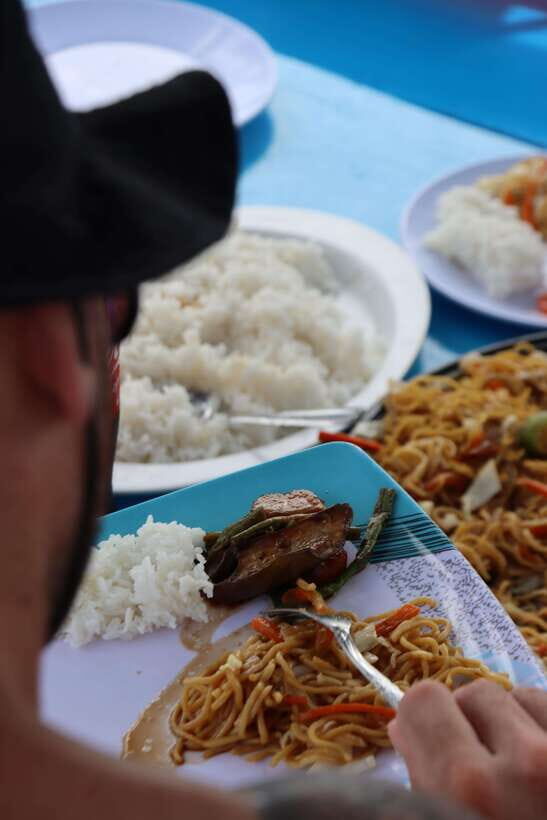
Food is not an optional extra here; it’s part of what you’re paying for. Meals included are breakfast, lunch, and dinner, plus snacks, purified drinking water, and rum and coke.
What you should expect: freshly prepared meals cooked onboard. Multiple people highlighted the quality of the food and the chef’s ability to keep variety across days. That matters on a multi-day boat trip because your energy depends on getting real meals instead of snack-only survival.
It also helps the expedition feel more complete. Bonfire nights and karaoke are fun, but you’ll enjoy them more if you’re not running on empty. This trip is designed so you can fuel up after snorkeling and before the evening activities start.
Huts, sleep, and the pack-light trick that saves your back
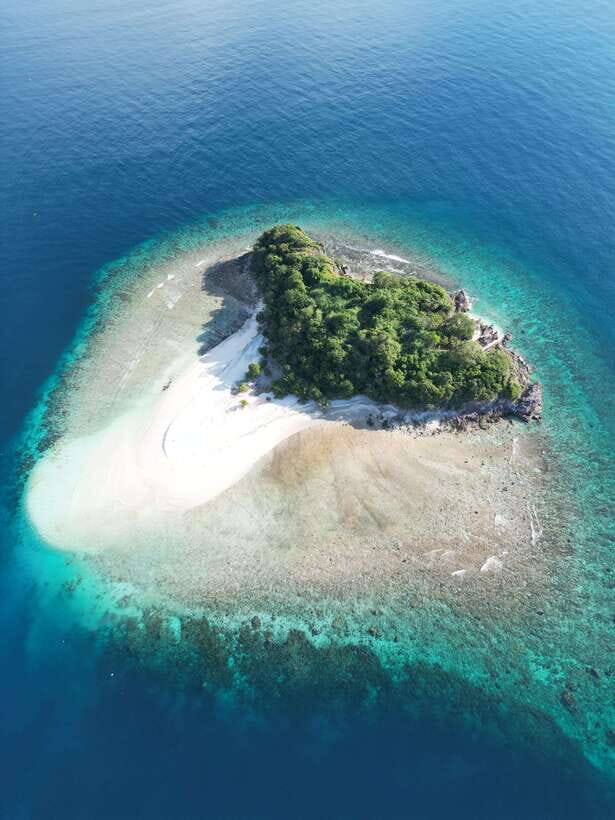
Nipa huts come with mattresses, pillows, sheets, and mosquito nets. That’s a real upgrade over “roughing it” without basics. The mosquito net is especially important given how quickly islands can get buggy once the sun drops.
Still, this is outdoor camping. If you’re sensitive to dampness, you should pack with that in mind. One useful tip from people who’ve done this: pack a small essentials bag. Big bags are stored under the boat, and you can access them, but it’s more convenient to keep your daily items ready. Think sunscreen, a dry shirt, a towel, and anything you’ll want on the beach without making a production out of it.
Also bring the basics the tour lists:
- sunglasses and a hat
- towel and camera
- sunscreen and insect repellent
- cash (you’ll need it for fees in Coron)
One small note: littering isn’t allowed, so keep a bag handy for trash during stops. It’s basic, but it’s also part of traveling responsibly in places that are easily damaged.
Price and value: what $337 includes and what you’re really buying
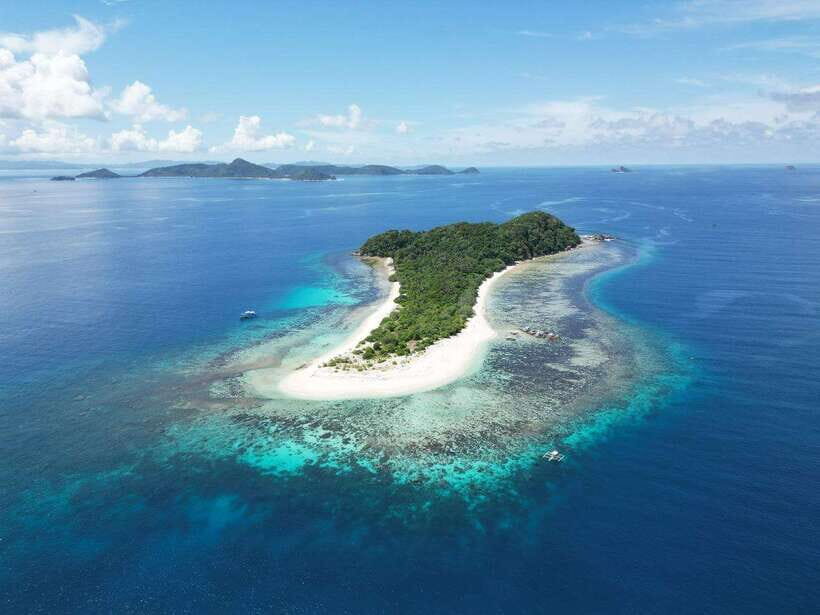
At $337 per person, this isn’t the cheapest way to travel between El Nido and Coron. But it’s also not just a transfer.
You’re paying for a licensed boat and captain, local guides, an onboard chef, life jackets, mask and snorkel use, kayak use, entrance fees, and at least two nights in nipa hut accommodation. You also get all three meals daily plus snacks and purified drinking water. There’s even a Linapacan environmental fee included.
So what’s the value calculation?
- If you’d otherwise do boat transport plus hotel plus meals, the costs start stacking quickly.
- Here, the meals, equipment, and island camping are bundled into the price.
- The “freedom routing” means you’re not locked into one static schedule. The crew adjusts the day, which can translate into more fun time where the water is best.
The one thing that affects value is comfort expectations. If you’re the type who needs reliable hot showers and a dry, sturdy room, you may feel this is overpriced for what you get. But if you’re in it for the real island feel, the price starts to make sense fast.
There’s also a practical value point: you’re going from El Nido to Coron in one shot. No extra leg-hopping, no extra day lost to logistics.
Tour pace, group energy, and the names you might meet onboard
This expedition tends to build a group quickly. Because you share boat time, meals, and island evenings, you usually leave knowing people, not just places. That’s why solo travelers often like this style; you don’t have to manufacture social time.
The most praised part of the operation in people’s feedback is the crew. Expedition leaders and staff often make a big difference, especially when conditions change. Names you may hear include JJ (expedition leader), plus crew members like Neil and Mait, and a chef named Mark. Some guides you might be with include Jarson and Jackson. If you get a strong team, the trip feels like a party with a purpose: laughter during the day, safety and organization in the background, then bonfire fun at night.
And yes, you may want to remember that sometimes the original boat can be swapped due to renovations. In that case, comfort and onboard extras like music and space might feel slightly different. It’s not something you control, but it is good to know so you don’t mentally plan your ride around one specific setup.
Who should book this, and who should skip it
This tour fits best if you want:
- rustic island nights instead of hotel comfort
- real snorkeling time and the chance for turtle sightings
- a social trip where people naturally mix
- a route that adjusts to conditions instead of forcing a fixed itinerary
It may not fit if you:
- need wheelchair accessibility (not suitable for wheelchair users)
- are traveling with children under 16 (not suitable)
- are pregnant (not suitable)
If you’re comfortable with camping basics and you can be flexible on timing, this is a strong match.
Should you book We Are Juan’s El Nido to Coron island-hopping expedition?
If your goal is a fun, value-packed way to travel from El Nido to Coron while actually doing Palawan in between, I think this is a smart choice. The combination of licensed boat support, included snorkeling and kayaking, two nights in nipa huts, and chef-made Filipino meals makes it feel like more than a “crossing.”
But be honest with yourself about comfort. This is not a smooth hotel experience. Rain and dampness can happen, and huts are basic. If that doesn’t bother you, the payoff is huge: remote island nights, snorkeling and turtles, and a crew that makes the days feel lively.
My decision rule is simple: book it if you want freedom and outdoors fun. Skip it if you want guaranteed comfort and a strict timetable you can build around to the minute.
FAQ
How long is the El Nido to Coron tour?
It runs for 3 days and 2 nights.
Is this a one-way trip?
Yes. It starts in El Nido and finishes in Coron on the third day at approximately 4–5pm.
What’s included in the price?
The package includes a pre-departure briefing, licensed tourist boat and captain, local tour guides, an onboard chef, life jacket, two nights in nipa hut accommodation, mask and snorkel, kayak use, meals (breakfast, lunch, dinner), snacks, purified drinking water, rum and coke, and entrance fees including the Linapacan environmental fee.
What fees are not included in Coron?
You’ll need to pay Coron Eco Tax (200 PHP per person) and an ETDF fee (400 PHP per person) upon arrival in Coron.
Do I need to bring snorkeling gear?
No. Mask and snorkel are included. You still should bring sunscreen, insect repellent, a towel, and a hat.
Is it suitable for children or people with mobility needs?
It’s not suitable for children under 16 years old, wheelchair users, or pregnant women.
What’s the meeting point in El Nido?
You start at the We Are Juan Tour Office, about halfway down on the right side between the entrance to Pops District and the beach.