REVIEW · CORTES BOHOL
From Tagbilaran City/Panglao Island: Bohol Mangrove Kayaking
Book on GetYourGuide →Operated by Kayakasia Philippines · Bookable on GetYourGuide
Mangrove tunnels beat the usual beach stops. What I like most is the quiet, no-motor paddling through winding corridors and the fact that you go with local guides who actually know this river. The one thing to keep in mind: this is not for non-swimmers, and you should be comfortable in the water even with a lesson.
This Bohol trip is built for people who want nature without the noise. You’ll spend about 2 hours on the water inside a 5-hour day, with pickup/round-trip transport from Panglao or Tagbilaran and food stops that don’t feel like an afterthought. If you hate early starts or getting a bit muddy, plan your expectations for a real river adventure with conservation in mind.
In This Review
- Key highlights worth planning around
- Why the Abatan mangrove tunnels feel like a real experience
- Getting there: Panglao or Tagbilaran logistics that don’t waste your day
- The 5-hour flow: briefing, kayaking, and a proper snack break
- On the kayak: narrow tunnels, calm water, and real steering
- What you learn in the mangroves (and why it’s not “just nature talk”)
- Why small groups matter more than you think
- Getting the best photos (without turning the trip into a photoshoot)
- What to bring (and what will save you on a humid river day)
- Price and value: is $64 worth it?
- Who this kayak tour suits best (and who should skip it)
- Should you book this Bohol mangrove kayaking trip?
- FAQ
- FAQ
- How long is the Bohol Mangrove Kayaking experience?
- How much time will I spend kayaking?
- Where does pickup and drop-off happen?
- Is this tour suitable for non-swimmers?
- What do I need to bring?
- Is there a washroom and changing area on site?
Key highlights worth planning around
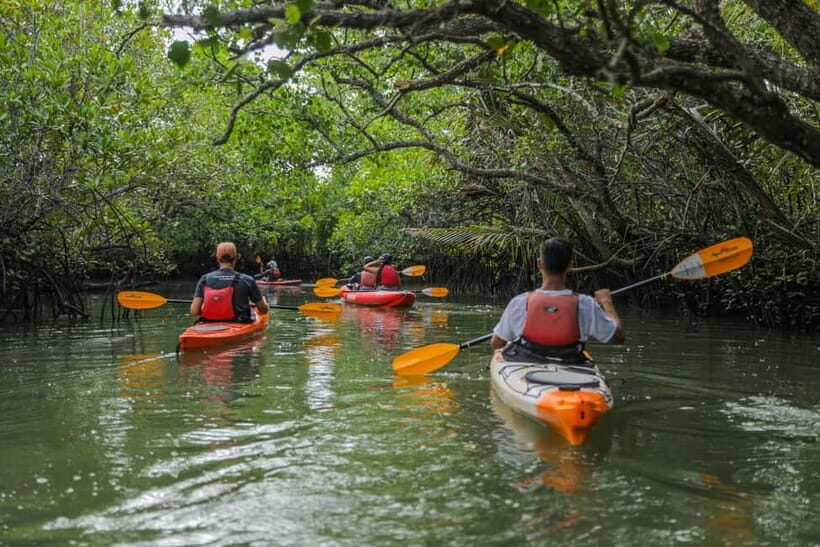
- Small-group paddling with limited slots, so you get space instead of a crowded “tour line” feel
- Abatan River mangrove tunnels that are narrow, winding, and lived-in by wildlife
- Local, trained guides (including names like Vince and Jeremy in recent sessions) who explain what you’re seeing without rushing
- No megaphone guiding—you steer, you listen, and the river sets the pace
- Real conservation context with 32 mangrove species, including the endangered Camptostemon philippinense
- Easy, beginner-friendly structure: safety briefing plus a basic kayaking lesson before your water time
Why the Abatan mangrove tunnels feel like a real experience
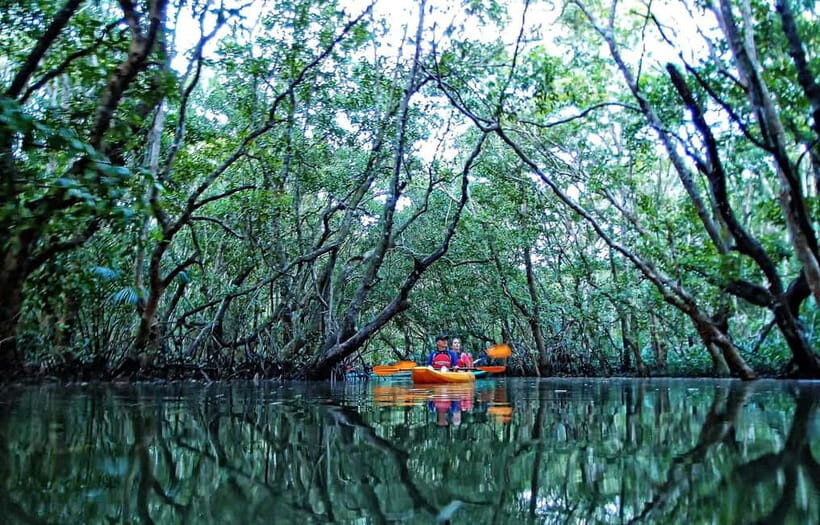
Bohol has its share of pretty postcards, but this one hits different. The Abatan River route is designed around a living ecosystem—mangrove corridors, muddy edges, and wildlife that only shows up when you move slowly and quietly. You’re not being whisked past points on a map. You’re paddling through them.
What makes it work is the “low-impact, high-reward” approach: narrow passages, no engine noise, and a guide who shares information at natural stopping points. It’s the kind of tour where you notice tiny things—like how the water changes when you enter a tunnel—or you hear birds overhead and actually have time to look up.
And yes, the vibe is calm. One of the strongest themes from the experience is that it’s not a rushed checklist. Guides have a knack for keeping you oriented (and even helping with photos), which matters because it’s easy to get lost on the water if you’re not sure what to do with your paddle and posture.
You can also read our reviews of more tours and experiences in Cortes Bohol.
Getting there: Panglao or Tagbilaran logistics that don’t waste your day
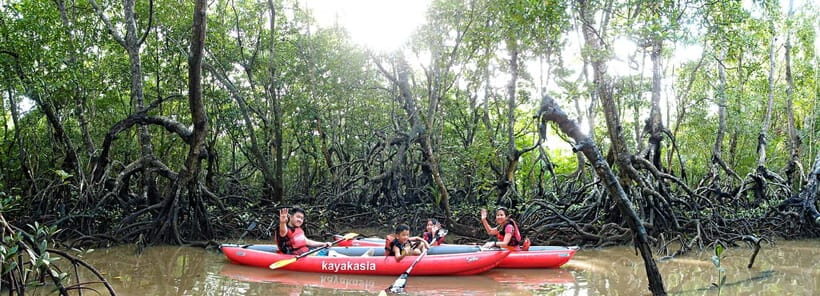
The tour runs from the Panglao Island or Tagbilaran City side with round-trip transport. The drive time depends on where you’re coming from: plan about one hour from Panglao (or Loboc) to the river station, or about 15 minutes from Tagbilaran City.
That timing matters because you’ll start moving before you’re actually on the kayak. The day is only 5 hours total, so the schedule is paced to get you to the water without feeling like a half-day commute.
The key practical point: even though the water time is capped at 2 hours, you still get a guided chunk on land and on the route—scenic views, orientation, and then the kayaking itself. If you hate long travel segments, this is one of the better-structured half-day options on Bohol.
The 5-hour flow: briefing, kayaking, and a proper snack break
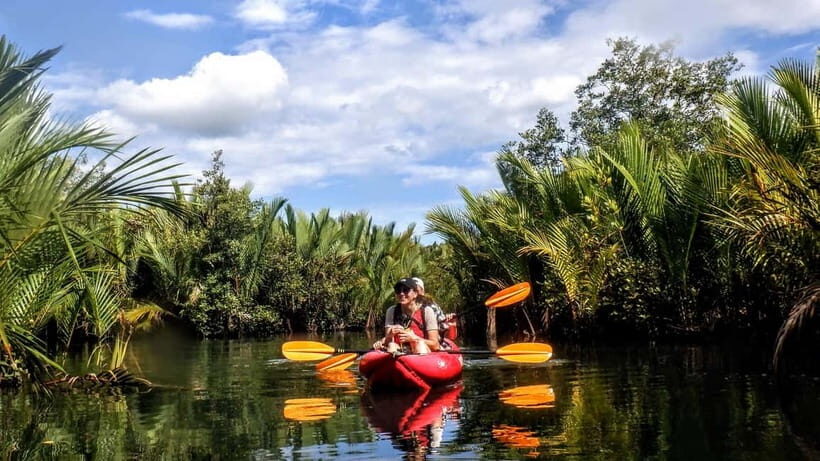
This is a simple day, built like a good meal: prep, main course, then fuel.
Here’s the flow you can expect:
- Pickup at your resort area (Panglao or Tagbilaran side)
- Van transfer to the Abatan River station (around 30 minutes in the local routing described, with overall travel nearer an hour from Panglao)
- Guided river time that includes kayaking and wildlife viewing (about 2.5 hours tied to the river segment)
- Snacks/refreshments during the post-kayak break
- Return to your starting area
You’ll also get a comprehensive safety briefing and a basic kayaking lesson before the main paddling portion. The lesson is important for beginners, because you’re not just doing laps in open water—you’re learning how to keep control when the mangroves close in.
One more practical detail: there are lockers, wash room, and changing rooms, plus water refills. That helps a lot if you want to keep your clothes, bag, and camera gear from turning into a swamp-carrying experiment.
On the kayak: narrow tunnels, calm water, and real steering
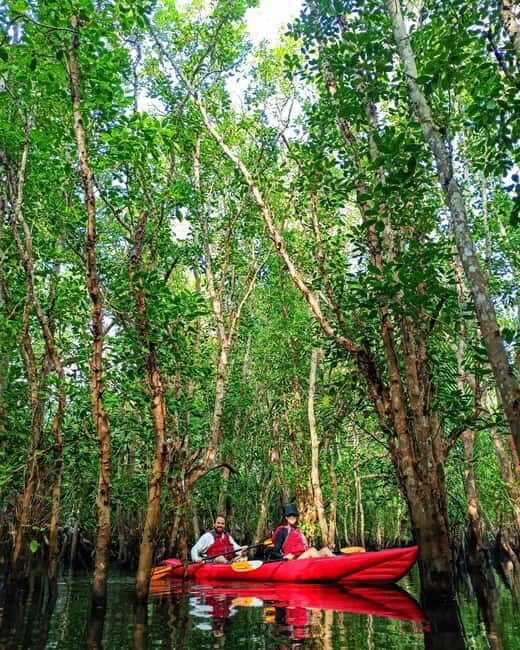
This is not a ride-along where you sit back and hope the guide takes your photo. You steer. That changes everything.
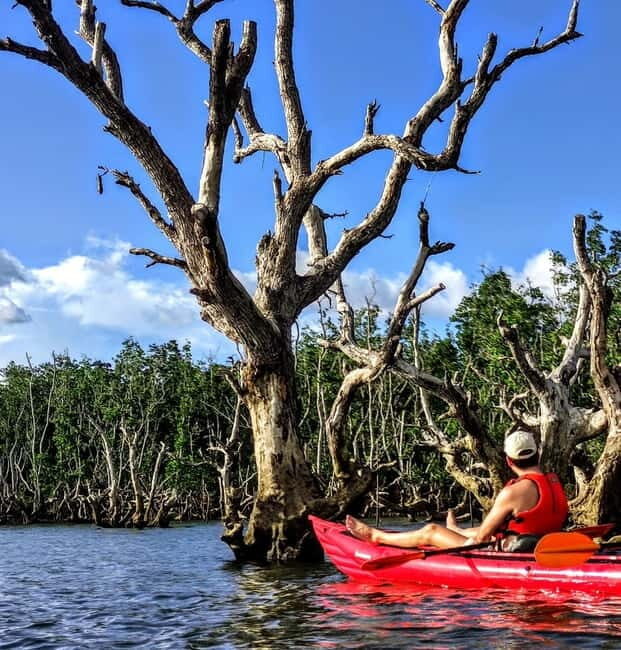
The kayaking route centers on the Mangrove Tunnels Trail, where you’ll paddle through a surreal network of corridors—some narrow enough that you feel like you’re sliding through a living hallway. Some sections act like “secret passageways” into quieter mangrove parts, while other stretches open to the wider river where you get more context about the local community and how people depend on this water.
Expect:
- No engines and no rushing
- Stops for learning rather than constant talking
- Wildlife moments that aren’t staged—herons overhead are a typical kind of sight when the water is calm
A big plus is the way guides pace you. Recent sessions with guides such as Vince and Jeremy have stood out for being informative without pushing, and for taking time with photos instead of rushing to the next spot. That’s not a small thing: in mangroves, light and timing matter, and you’ll want a second to frame your shot or simply look.
What you learn in the mangroves (and why it’s not “just nature talk”)
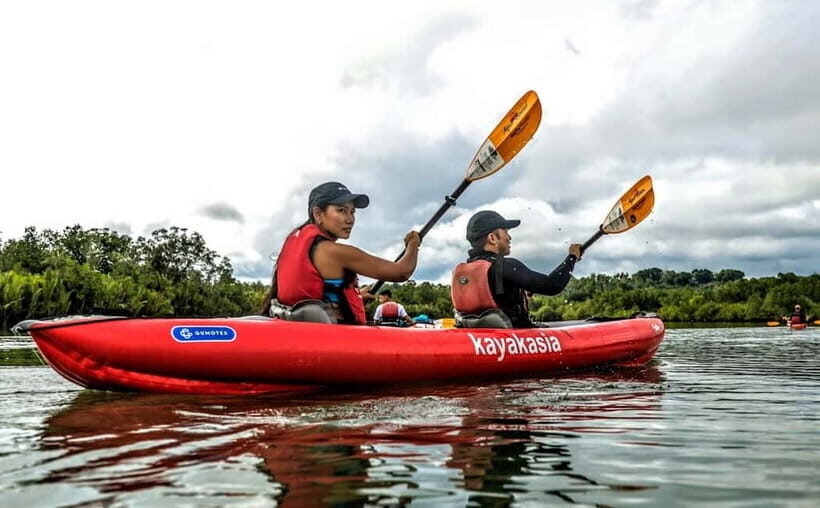
This isn’t eco-themed theater. The ecosystem here has a job, and the mangroves are doing it every day.
You’ll learn how mangroves protect coasts from erosion, support fish nurseries, and store carbon. And you’ll get species-level attention too. The area is described as having 32 mangrove species, including the endangered Camptostemon philippinense. Even if you don’t catch every scientific name, the takeaway is clear: mangroves are not background scenery.
You may also hear the local “weather story.” The guides talk about how typhoons used to hit hard and how mangroves help the system recover and hold together better now. That gives the tour a stronger sense of purpose than a typical scenic paddle.
And since this is a community-and-conservation corridor, you’re not just observing from the outside. The experience includes river usage/community fees, which are part of why this kind of access can keep going.
Why small groups matter more than you think
You’ll hear the word exclusivity a lot in travel ads, so it’s worth translating it into something practical.
Limited slots and small groups mean:
- You’re less likely to feel like you’re paddling through other kayaks at close range
- The guide can actually notice how you’re doing (and help you adjust)
- You get a quieter soundscape, which makes wildlife spotting easier
On a calm river, crowd energy shows up quickly. Noise, sudden movement, and fast paddling make the whole place feel less “real.” This tour’s structure is built to avoid that.
Getting the best photos (without turning the trip into a photoshoot)
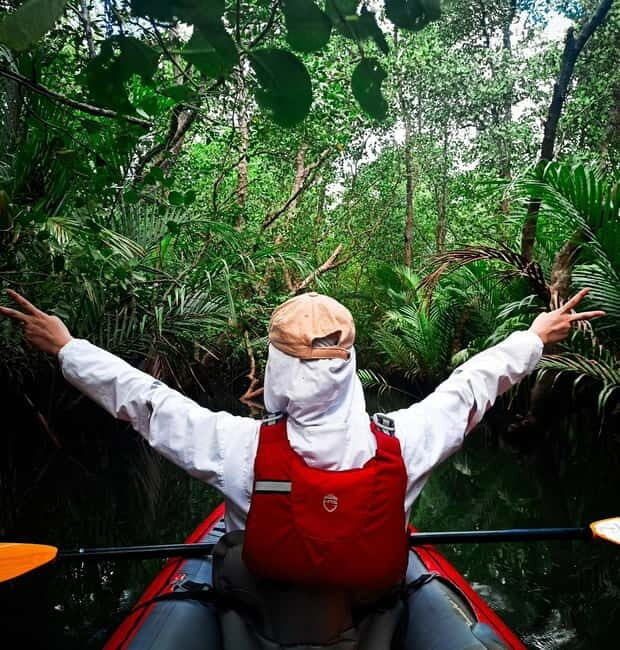
Mangrove kayaking is naturally photo-friendly, but you’ll get better results if you treat cameras like accessories—not goals.
Practical tips that fit this exact setting:
- Keep your camera accessible, because wildlife moments can be quick and overhead birds often appear when you slow down
- Take photos during gentle stops, not while you’re powering through a narrow tunnel
- Bring waterproof habits if you can (even a simple way to keep your camera bag from soaking helps)
Guides have a reputation here for being helpful with pictures and not rushing you through the shot moments. That’s a real comfort if you’re traveling with a partner or friends and you want to share the experience without constantly trading who holds the phone.
What to bring (and what will save you on a humid river day)
The essentials are straightforward:
- Swimwear (you’ll want something you can move in)
- Sunscreen
- Camera
- Water
- Comfortable clothes
- Insect repellent
Also plan for the fact that you’re on a mangrove river. You may get damp or muddy around footwear and lower clothing. The good news is that you’ll have changing facilities afterward.
If you’re sensitive to bugs, don’t “forget” repellent. Mangrove areas can mean insects are active, and the tour includes enough time outdoors that it’s worth being prepared.
Price and value: is $64 worth it?
At $64 per person for a 5-hour experience, the real question isn’t the sticker price—it’s what’s included.
This fee covers:
- Two-way transport from Panglao or Tagbilaran
- Kayak gear and equipment
- Kayak lessons and safety instructions
- Guided kayaking with a professional guide
- River usage/community fees
- Food and drinks during and after kayaking
- Lockers and wash/changing rooms
- Water refills
So you’re paying for the full day structure: logistics, equipment, instruction, and the local access fees that keep the route running. If you compare this to DIY kayaking (which often means renting gear, finding a safe launch, figuring out timing, and paying unknown access costs), this price can feel fair—especially for beginners who want the guidance.
The only value caution is the non-swimmer rule. If you’re not comfortable in water, you might spend money and still have limited options. For swimmers, though, it looks like a very solid deal for what you get.
Who this kayak tour suits best (and who should skip it)
This fits best if you:
- Want something quieter than typical tourist stops
- Like wildlife viewing that isn’t built around noise
- Enjoy guided context but don’t want someone shouting over everything
- Are a beginner who wants instruction before committing to narrow waterways
It may not fit you if:
- You’re under 6 years old
- You have mobility impairments (not suitable as stated)
- You’re a non-swimmer (also not suitable as stated)
Also, if you get bored with slower pacing, this might feel too calm. The value here is patience and attention. The river doesn’t rush, and neither does the guide.
Should you book this Bohol mangrove kayaking trip?
If you want Bohol that feels alive—less “look at this” and more “see how this works”—I’d book it. The standout reasons are the small-group feel, the no-motor quiet, and the way the guides connect paddling to ecosystem purpose. Guides like Vince and Jeremy have shown up as examples of what you want: organized, informative, and never turning the day into a sprint.
Book it if you’re comfortable swimming and you like nature with real context. Skip it if you’re hoping for a beach-style day, or if water confidence is a problem. In the right traveler’s hands, this is one of those trips where you leave with photos, but more importantly, you leave with a clearer picture of how a whole ecosystem survives.
FAQ
FAQ
How long is the Bohol Mangrove Kayaking experience?
The total duration is 5 hours.
How much time will I spend kayaking?
The maximum water time is 2 hours.
Where does pickup and drop-off happen?
There is round-trip transport from resorts on Panglao Island or from Tagbilaran City.
Is this tour suitable for non-swimmers?
No. It is not suitable for non-swimmers.
What do I need to bring?
Bring swimwear, a camera, sunscreen, water, comfortable clothes, and insect repellent.
Is there a washroom and changing area on site?
Yes. The experience includes lockers, a wash room, and changing rooms.