REVIEW · TARSIER SANCTUARY
Bohol: Chocolate Hills Tour
Book on GetYourGuide →Operated by TravelExplr Travel and Tours · Bookable on GetYourGuide
Chocolate Hills feels like a science project made of magic. This full-day tour strings together Bohol’s top nature stops with real Spanish-era history, from the cone-shaped hills to the oldest stone church in the Philippines. I love how the schedule is built for first-timers, with big sights packed into one day without feeling frantic. I also like the small touches, like guided tarsier viewing with conservation rules and multiple viewpoints at each stop. One thing to watch: there are extra cash entrance/environment fees before you go, and the optional Loboc floating restaurant adds a separate cost.
You’ll get a lot of variety in one 8-hour run: geology, wildlife, forest walking, and heritage sites. The Chocolate Hills and Tarsier Sanctuary are the main draw, and the day keeps moving so you’re not stuck in one place too long. The only drawback is pacing and add-ons: if you’re hoping everything is included end-to-end, you’ll want to double-check what’s covered versus optional on the day.
In This Review
- Key Highlights That Make This Day Worth It
- Chocolate Hills: How to Get the Best Views Without Burning Your Legs
- Tarsier Conservation Area: Tiny Wildlife, Big Rules
- Bilar’s Man-Made Forest: A Short Walk That Feels Like a Photo Studio
- Baclayon Church and the Museum: Old Stone in a Modern Day
- Sandugo (Blood Compact Monument): The Story Behind the Bronze
- Loboc River Floating Restaurant: Worth It, But Confirm the Cost
- Price and Value: What You Pay for, and What You Must Budget
- The Real Logistics: Timing, Walking, and Group Reality
- Who This Tour Fits Best (And Who Should Think Twice)
- Should You Book This Bohol Chocolate Hills Day?
- FAQ
- Where is the meeting point for the tour?
- What time is the tour and how long does it last?
- Are entrance or environmental fees included in the price?
- Is lunch included?
- How much does the Loboc River floating restaurant cost?
- How difficult is the walk at Chocolate Hills?
- Can I take photos at the Tarsier Sanctuary?
- What language will the driver-guide speak?
- Is there free cancellation?
Key Highlights That Make This Day Worth It
- Chocolate Hills viewing options: rise up to the deck by 214 steps or take the chairlift for an easier climb
- Tarsier Sanctuary conservation rules: silent observation with a naturalist and strict wildlife photo guidance
- Man-Made Forest corridor in Bilar: a short walk through a 2-kilometer mahogany tunnel of canopy shade
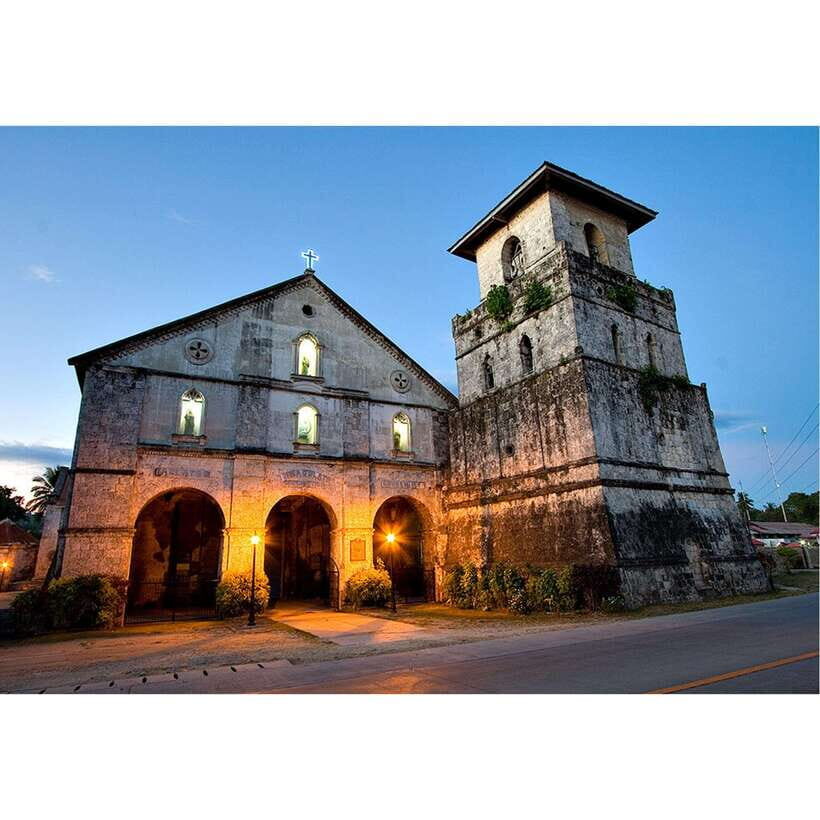
- Historic stops that feel specific, not generic: Baclayon Church (Jesuit-built in 1596) plus the Sandugo/Blood Compact monument
- Loboc River floating restaurant option: scenic cruising is available if you’re willing to pay the add-on
Chocolate Hills: How to Get the Best Views Without Burning Your Legs
The day starts with pickup from McDonald’s in Panglao (right by Jollibee). From there, you’re in a comfortable air-conditioned vehicle, heading inland toward Carmen, Bohol, where the Chocolate Hills complex does the heavy lifting.
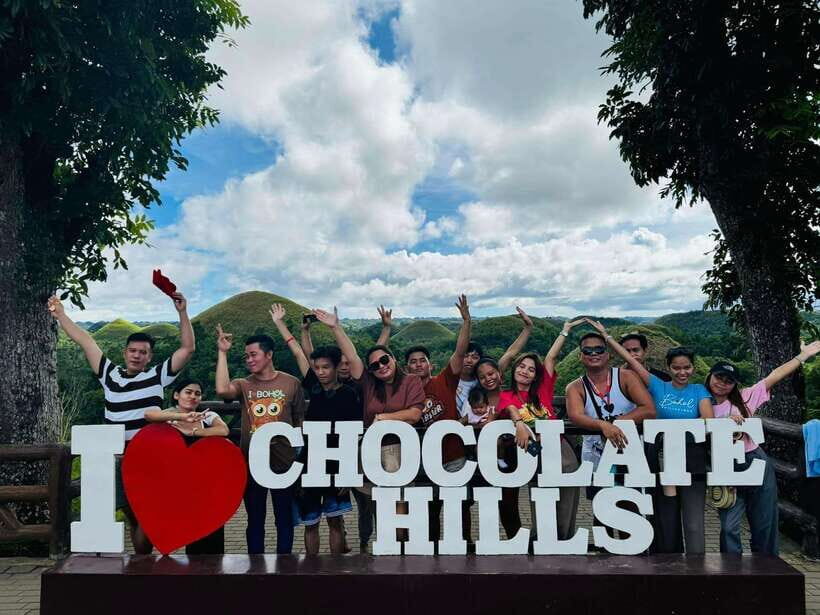
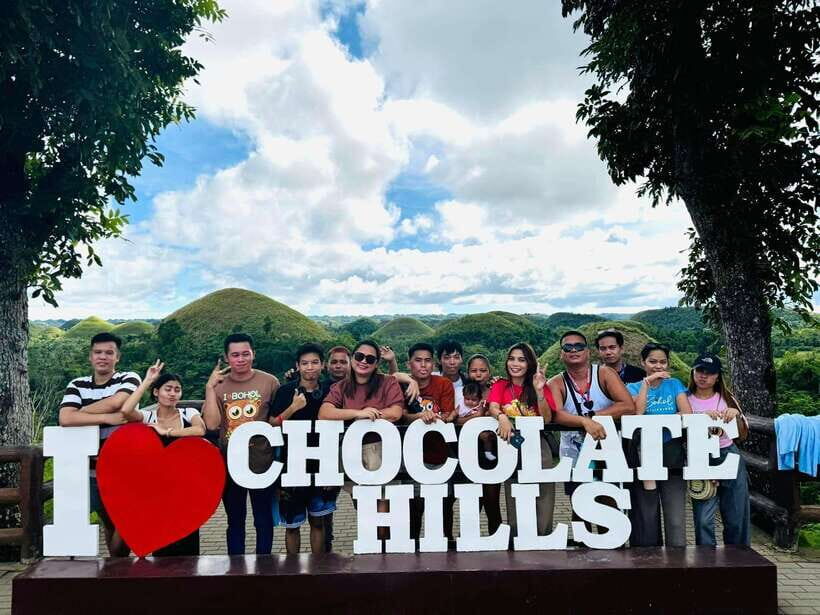
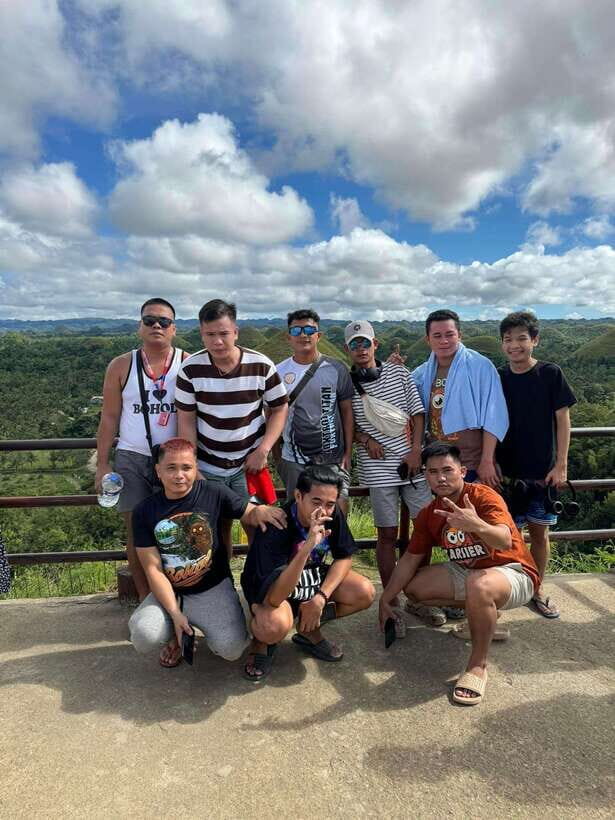
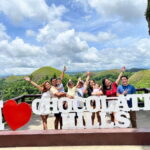
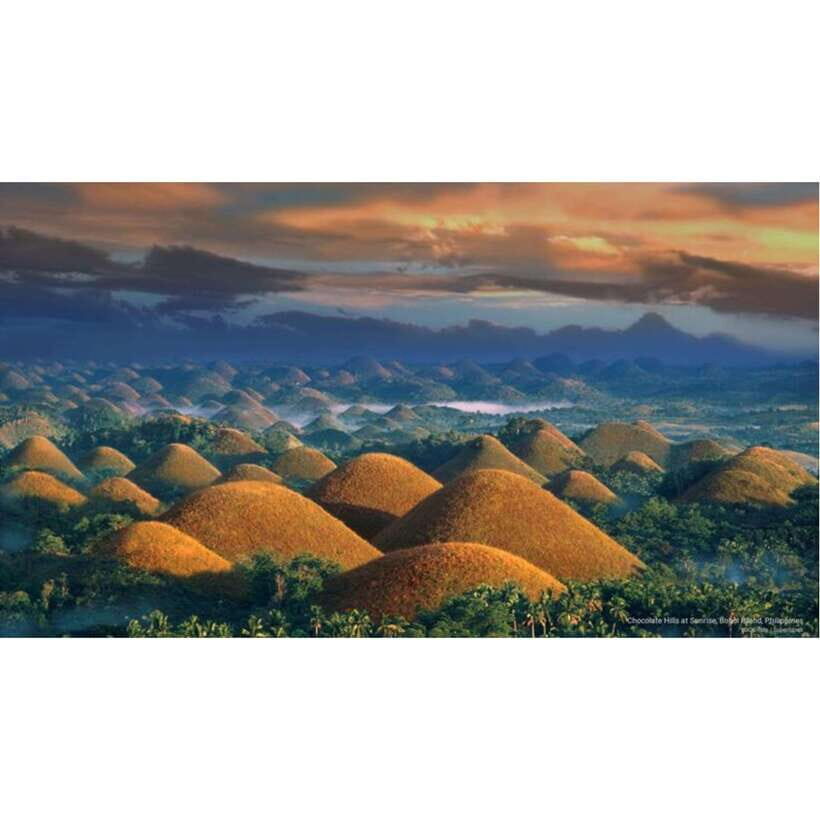
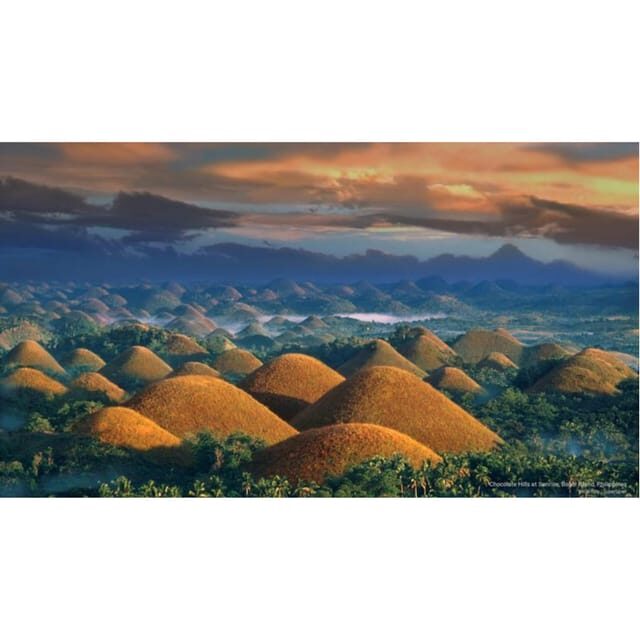
At the viewing area, you’ll get your first big wow: over 1,200 cone-shaped limestone hills, famous for their even, almost unreal shapes. You ascend to the deck either by 214 steps or via the chairlift option. If you’re visiting with knee issues or you just don’t feel like turning your calves into balloon animals, the chairlift is a smart call.
The viewing deck is where you’ll want to slow down. Each angle gives a slightly different look at how the hills roll across the terrain. You’ll also get time for photos from multiple viewpoints and a quick chance to browse gift shops and local handicrafts—use it for small souvenirs you can actually carry back without regret.
Practical tip: wear shoes with grip. Even on “short” climbs, the steps and viewing decks can get slick if there’s any moisture.
A few more Tarsier Sanctuary tours and experiences worth a look
Tarsier Conservation Area: Tiny Wildlife, Big Rules
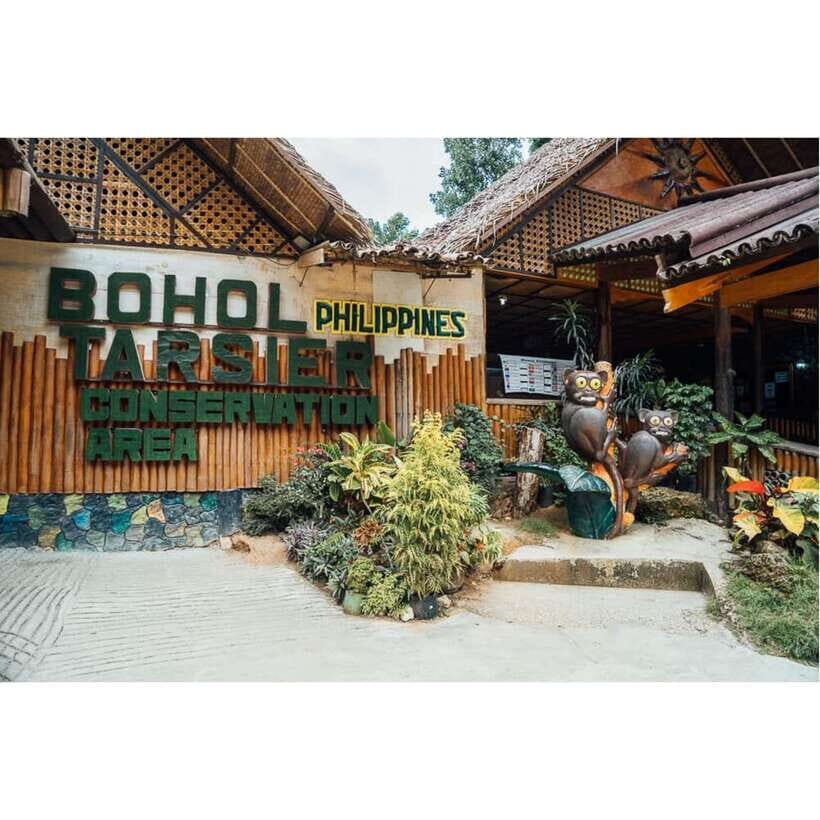
Next comes the Philippine Tarsier Conservation Area, one of the few places where the point isn’t just seeing wildlife—it’s how you see it. Your guide should take you through a sanctuary tour with a naturalist, and the experience is built around quiet, careful observation.
This is where you’ll learn what makes tarsiers so special: they’re the world’s smallest primates, and they’re protected in their natural habitat. You’ll also get a conservation-focused talk covering behavior, diet, and why they’re considered endangered. The tour has strict wildlife photography guidelines, which matters because a tarsier can’t be treated like a toy or a photo prop.
What I like here is that the rules are part of the experience. They help you focus on watching—eyes open, patience on—rather than rushing for a flash photo. And even if you don’t spot one instantly, the tour is designed so you still come away understanding the conservation story.
Practical tip: keep your camera ready but follow the sanctuary rules on silence and lighting. If you’re tempted to step off schedule for a better angle, don’t.
Bilar’s Man-Made Forest: A Short Walk That Feels Like a Photo Studio
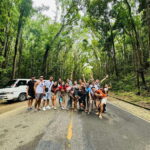
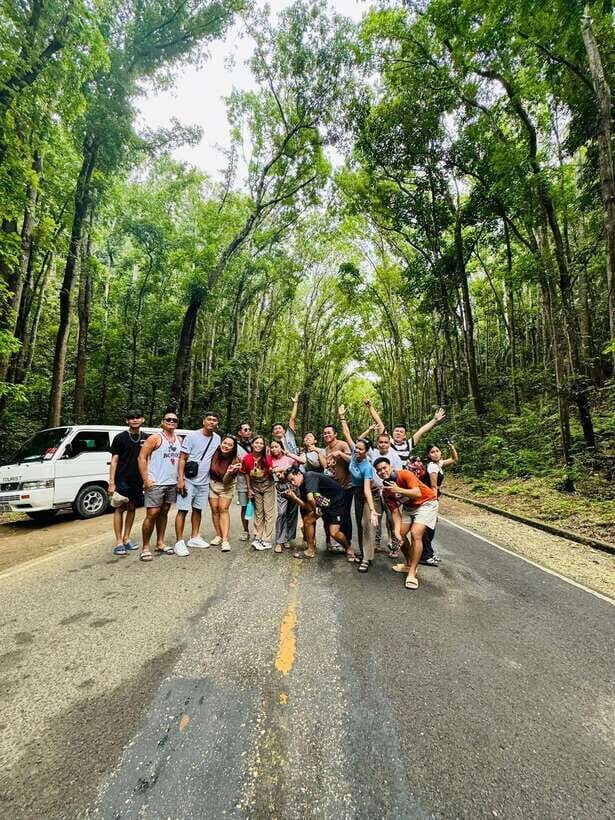
Then you head to Bilar for the Man-Made Forest, a 2-kilometer corridor of uniformly planted mahogany trees. It’s often described as a tunnel, and that’s exactly the feeling once you’re in it: tall trunks, canopy shade, and a gentle rhythm under the trees.
You won’t need marathon energy. This is a short stop with a quick walk-through and photo time. Still, it’s one of those places where you notice details you’d normally miss: the repeating pattern of trunks, the way the light changes under the canopy, and how the corridor “frames” the path ahead.
If you like taking photos, this stop is worth it. Even without editing, the symmetry does a lot of the work for you. And if you don’t care much about photos, it’s still a pleasant break from the “look at a view” style of sightseeing.
Practical tip: bring a light layer if the air feels cooler under the trees. You may also want bug repellent if you’re prone to bites.
Baclayon Church and the Museum: Old Stone in a Modern Day
After the nature and wildlife stops, the tour turns to history at Baclayon Church (Church of Our Lady of the Immaculate Conception). This is one of those sites where age is visible, not just mentioned in a brochure.
The church was built by Jesuit priests in 1596, and the architecture shows the Spanish colonial influence in a way you can actually see. Inside, you’ll have time to explore religious artifacts and take in the centuries-old setting. There’s also an adjacent museum that displays religious relics and historical items.
This is the part of the day that can surprise you. You’ll likely come away paying attention to the smaller objects as much as the big church space—things like wooden saints and ivory santos, plus other ecclesiastical treasures.
Practical tip: dress respectfully. Even if you’re mostly rushing from stop to stop, you’ll want to look comfortable and appropriate here.
Sandugo (Blood Compact Monument): The Story Behind the Bronze
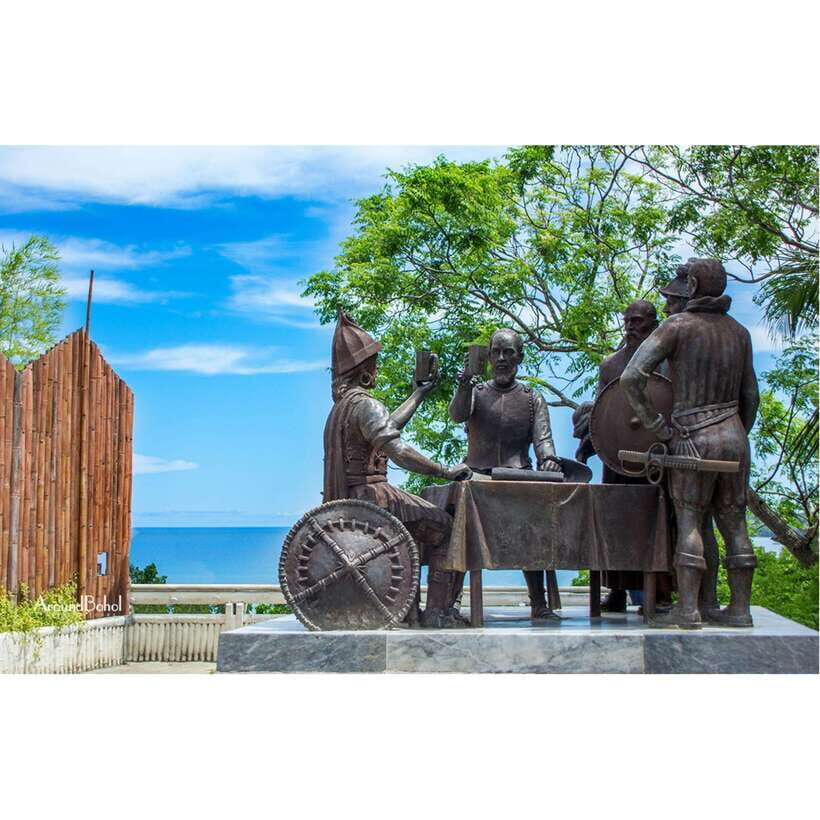
Then you’ll visit the Blood Compact Monument, known for the Sandugo story: the first treaty of friendship between East and West between Miguel López de Legazpi and Datu Sikatuna. The monument is marked by bronze sculptures that depict the historic moment.
This stop works best if you’re willing to read what’s in front of you. The story gives context to why the monument exists, and it links Bohol to the broader history of the Philippines. It’s not just a photo spot; it’s a brief lesson in how early contact and diplomacy shaped what came next.
It also adds variety to the day. After limestone hills, small primates, and tree tunnels, this is the human history piece that keeps the tour from feeling like only “pretty scenery.”
Loboc River Floating Restaurant: Worth It, But Confirm the Cost
Lunch is where the day splits into two paths.
On the base version, you’ll stop at a local restaurant for lunch with Filipino food, including Bohol specialties. The schedule sets it around noon, giving you a proper sit-down break before the afternoon heritage visits.
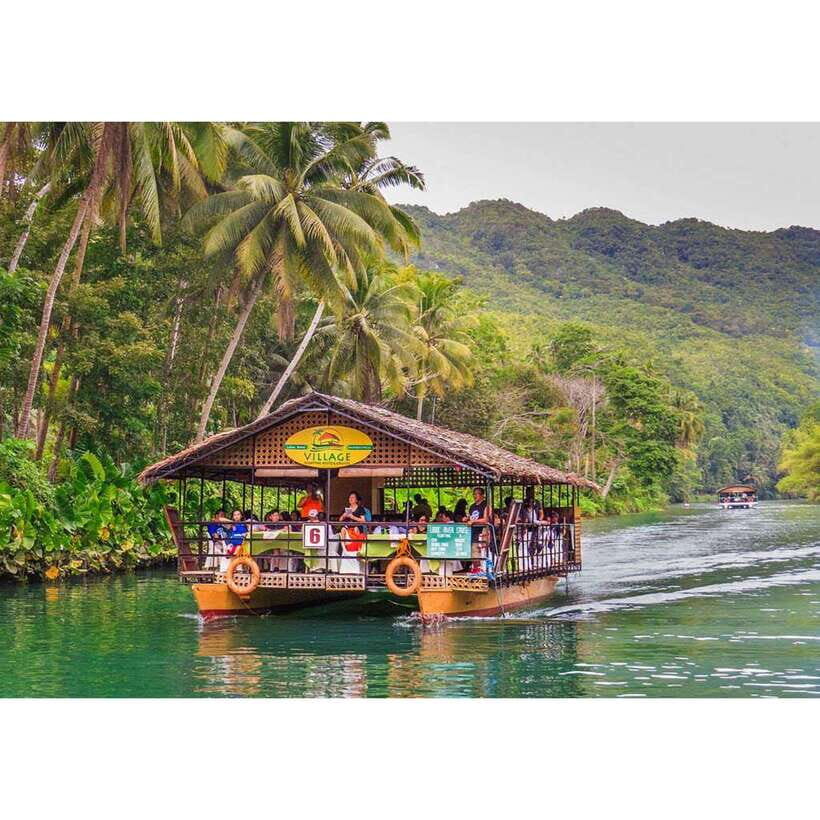
If you choose the Loboc River floating restaurant, you’ll cruise scenic waterways while dining. That sounds like the perfect “Bohol ending,” but it comes with an additional charge: Php 1,000 per person as an optional add-on.
Here’s my caution, based on what can go wrong on day tours with add-ons: one traveler reported that their experience did not go smoothly when they tried to board the river cruise, and they were faced with an extra Php 1,000 each, with communication issues afterward. Even if your tour goes fine, this is your reminder to confirm, in plain terms, what’s included and what you must pay in cash for. Ask the driver before you commit to any change in lunch plans.
Practical tip: keep cash ready. Entrance and environmental fees are collected before departure, and the floating restaurant option is an extra add-on.
Price and Value: What You Pay for, and What You Must Budget
The tour is listed around $34 per person and runs about 8 hours, which is a solid “covers the big hits” length. What you’re really paying for is the convenience: the air-conditioned vehicle, a driver-guide who shares local context, and fuel/transportation.
But your real budget also needs two added lines:
- Entrance and environmental fees: Php 500 per person, paid in cash before departure
- Optional Loboc floating restaurant: Php 1,000 per person, if you add it
So yes, the headline price looks affordable. The value comes from doing multiple top sights in one day with transport handled. Still, the final cost depends on whether you add the river cruise lunch.
If you want a simple day with nature plus cultural stops, the base plan makes sense. If you want the cruise experience, factor that add-on early and confirm it with your guide so there are no surprises.
The Real Logistics: Timing, Walking, and Group Reality
This is a full-day circuit. The tour moves through multiple towns and attractions, so you’ll spend part of the day in the vehicle. That’s normal, and it’s also what makes it possible to hit Chocolate Hills, the tarsier sanctuary, the man-made forest, and the historic sites in one go.
Walking is moderate but not zero. The biggest physical moment is the Chocolate Hills climb: 214 steps if you choose the stairs. If you’re concerned, use the chairlift option and save your energy for the rest of the day.
About group dynamics: the provider offers a driver-guide and an organized flow through the stops. One review highlighted a concern where a booking expected to be private, yet another person joined the tour. That doesn’t mean every trip will work the same way, but it does mean you should ask directly what your group size is supposed to be when you book, and confirm it again the day of pickup.
Who This Tour Fits Best (And Who Should Think Twice)
I’d recommend this tour if you’re:
- visiting Bohol for the first time and want the “greatest hits” in one day
- into mixing wildlife with history, not just beaches
- comfortable with a full schedule and a short walk-throughs and viewpoints
- willing to bring cash for entrance/environment fees
I’d think twice if you:
- hate add-on fees or need a fully all-inclusive pricing structure
- have very limited mobility and don’t want any step climbing
- expect strict private-group behavior unless you confirm it upfront
This tour is strongest when you treat it like a practical day plan with a little budgeting for optional extras.
Should You Book This Bohol Chocolate Hills Day?
I’d say book it if your goal is a well-paced sampler of what Bohol is known for: Chocolate Hills views, tarsier conservation viewing, a quick stop in Bilar’s mahogany corridor, and heritage sites like Baclayon Church (1596) and the Sandugo/Blood Compact monument. The transport and guidance make it easier than trying to piece everything together on your own.
Before you go, do two things and you’ll avoid most headaches:
1) Bring cash for Php 500 entrance/environment fees and confirm what’s included.
2) If you want the Loboc floating restaurant, confirm in advance that you’re booked for it and understand the Php 1,000 add-on.
If you want a day that mixes nature and history without complicated planning, this is a good match.
FAQ
Where is the meeting point for the tour?
The pickup meeting point is McDonald’s Panglao, outside the restaurant by Jollibee. The driver meets you 5–10 minutes before the scheduled time.
What time is the tour and how long does it last?
The tour is about 8 hours. It runs as a full-day schedule with a morning start after pickup and returns to the meeting point in the afternoon.
Are entrance or environmental fees included in the price?
No. You must pay Php 500 per person for entrance and environmental fees in cash before departure.
Is lunch included?
Lunch is included as a stop at a local restaurant. If you choose the Loboc River Floating Restaurant option, there is an additional charge and meal details may change depending on that choice.
How much does the Loboc River floating restaurant cost?
The Loboc River floating restaurant add-on is Php 1,000 per person.
How difficult is the walk at Chocolate Hills?
There are 214 steps to reach the viewing deck, though there is also a chairlift option. The walking is described as moderate.
Can I take photos at the Tarsier Sanctuary?
You can observe and you’ll have guidance, but there are strict wildlife photography guidelines to protect the animals.
What language will the driver-guide speak?
The driver-guide provides commentary in English and Tagalog.
Is there free cancellation?
Yes, you can cancel up to 24 hours in advance for a full refund.