REVIEW · PANGLAO
Bohol: Firefly Watching River Cruise (Nature-Dependent)
Book on GetYourGuide →Operated by Panglao Island Tour · Bookable on GetYourGuide
Fireflies by night sound simple, then the river makes it special. This Loboc River firefly watching cruise is built for calm, with an evening boat ride under minimal light and no big show. I like that you’re not fighting crowds or loud music; it feels more like nature time than a performance.
Two things I really value: hotel pickup and drop-off (you just show up), and a 45-minute, slow cruise focused on mangroves and dark skies. One thing to weigh: firefly spotting is fully nature-dependent, and the group can be larger and noisier than you’d expect on some nights—so your comfort level matters.
In This Review
- Key things to know before you go
- How the night cruise actually feels on Loboc River
- Pickup, the ride to the mangroves, and why timing matters
- Boarding the eco-friendly boat: what to expect once you step on
- The firefly spotting window: how the sightings can change night to night
- What the guide experience is like (and what can get in the way)
- Photography reality check: seeing vs. capturing fireflies
- The crowd question: when the quiet plan meets real life
- Price and value: is $19 really a fair deal?
- Who this cruise is best for (and who should think twice)
- Practical tips to make your night better
- Should you book this firefly cruise?
- FAQ
- How long is the firefly cruise?
- What time does pickup start from Panglao?
- Where do Tagbilaran meet for this tour?
- Are fireflies guaranteed to be visible?
- What’s included in the price?
- What languages are the host or greeter?
Key things to know before you go
- Nature-only lighting: The cruise relies on darkness and mangroves, not artificial effects.
- A timed 45-minute cruise: Most of your firefly window happens on the water, not on long stops.
- Fireflies vary nightly: Moonlight, weather, and river conditions can change what you see.
- Group style can swing: The vibe is meant to be quiet, but some nights feel crowded.
- Guides do active guiding: You may be guided to specific trees, and you can get prompts to help sightings.
- Long-ish ride for most of the night’s value: A drive to the riverside area is part of the package.
How the night cruise actually feels on Loboc River
This isn’t a fireworks-or-lanterns kind of outing. It’s more like a gentle reset: pickup, a ride to the mangrove edge, then a slow boat moving along a dark river. When it works, you get that rare mix of quiet water and tiny living lights across the trees—no stage, no countdown, no big crowd choreography.
The core idea is simple: you’re cruising the Loboc River after dark, when fireflies typically start lighting up the mangroves. The boat uses an eco-friendly approach, and the experience is designed around minimal lighting so you can actually see what’s happening naturally. If you came to Bohol expecting guaranteed fireworks-style spectacle, this may feel softer than that—because the river is in charge.
Also, don’t ignore the “no loud music” promise. The experience is structured around stillness, but boat size and group energy can change the sound level. Some people will be excited and chatty (especially with kids), which can make it harder to sink into the quiet.
You can also read our reviews of more boat tours in Panglao
Pickup, the ride to the mangroves, and why timing matters
For most people staying on Panglao, the evening begins with hotel pickup starting at 6:00 PM. Then you travel about 1 hour to the calmer riverside area surrounded by mangroves. That drive is part of the deal—so you’re trading some early evening time for the night cruise window.
This matters because firefly activity isn’t steady like a museum exhibit. It changes with the sky and the river. If you’re the kind of person who arrives rushed and tired, you’ll enjoy it less. Aim to be rested enough to handle a longer evening block—this whole outing is about 4 hours, even though the cruise itself is around 45 minutes.
Your return journey brings you back to Panglao hotels around 9:30 PM. That’s helpful if you’re planning the next day, since you don’t get stranded late. It also means you don’t have to turn the evening into a full-day production.
Boarding the eco-friendly boat: what to expect once you step on
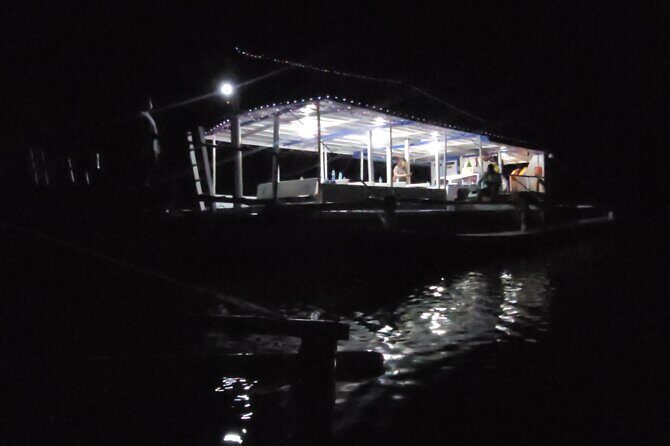
Once you reach the riverside area, you board an eco-friendly boat for a slow, quiet cruise along the river. The emphasis is on movement at a pace that lets your eyes adjust to darkness. If you’ve ever tried to spot tiny lights in bright conditions, you already know the trick: your eyes need a moment, and the environment needs to stay dim.
You’ll also notice the approach is nature-first. The lights, displays, and staging are kept minimal so you can focus on the firefly flicker in the mangroves and the night sky above. On nights with good visibility, it can feel surprisingly immersive—because the natural world is doing the work.
Still, pay attention to comfort and sound. One account describes the boat as very crowded with lots of kids and noted the experience turned noisy, which clashes with the quiet intention. If you’re easily distracted by chatter or cramped seating, go in with a flexible mindset.
The firefly spotting window: how the sightings can change night to night
The heart of the experience kicks in as darkness settles and the fireflies begin to appear. You’re not scanning a single point; instead, you’re watching tree lines and mangrove sections where clusters can show up. The whole thing is built around gentle pacing—so you’re not doing the stop-and-go routine.
Here’s the key point: firefly activity is fully nature-dependent. It can vary depending on weather, moonlight, season, and river conditions. The operator’s framing is honest about this: visibility isn’t guaranteed, and some nights are simply brighter or dimmer than others.
Moonlight is a big one. If the moon is out, it can affect how active fireflies are and how visible their lights look. On some nights, the guides may adapt by steering you toward areas with more activity. One guide-led tip from a good night: you might be encouraged to make a bit of noise, and that can help bring more fireflies out. It’s not about being loud; it’s about adding gentle disturbance in the moment, as part of the guide’s method.
The most helpful mindset for this tour is expectation management. The goal isn’t to hunt every last flicker. The goal is to enjoy the river calm, the dark sky, and the moments when the mangroves start glowing.
What the guide experience is like (and what can get in the way)
Guides are part of the value here. The experience includes a guided element, and on better nights, you’ll likely get real guidance—like being directed to known trees that have been productive for firefly viewing.
Language coverage is listed as Korean and English, so communication should be straightforward for most guests. Guides also tend to provide explanations while you’re on the boat, which can help you understand what you’re seeing rather than just hoping your camera catches it.
One caution from a mixed account: on some rides, the motor noise can make the narration hard to hear. If you’re the type who wants to follow every detail, consider this a potential drawback. In those cases, you’ll still get the main event—the sights—but you may rely more on your own observation than on the spoken commentary.


Photography reality check: seeing vs. capturing fireflies
Fireflies look magical in person, and that’s exactly why people bring cameras. But small points of light are tricky, especially in low light with boat movement. One review noted that unless you have a decent camera, fireflies are hard to photograph. Even with a good phone, you may get better results on a steady, active section of river.
What you can do without fancy gear: keep your expectations reasonable. Focus on watching first. If you shoot, try to avoid constant button-tapping; instead, give your camera a chance to lock focus when you see the lights clustering.
Some guides may even offer help, such as taking photos for guests using a phone. That’s a nice bonus. Just remember: lighting conditions and camera settings still control the outcome.
The crowd question: when the quiet plan meets real life
On paper, this is described as peaceful—no loud music, no shows, no crowd chaos. And that’s what makes it appealing. But in the real world, group size and energy can shift.
One account says the boat was too crowded, with many kids and noise making it hard to enjoy the fireflies. Another account praised the experience as loving and guided well, even with moonlight, and described an encouraging, active guiding style.
So here’s my practical take: the tour works best when you can handle a “shared night out.” If you’re hoping for solitude, this might not be the one. If you can enjoy a little chat and child energy while still soaking in nature, it can still be a great evening.
Price and value: is $19 really a fair deal?
At about $19 per person, this is priced like a “light adventure” rather than a premium private experience. The value comes from three things: roundtrip hotel pickup/drop-off, the 45-minute river cruise, and the inclusion of environmental and river fees.
If you were to arrange transport and a guide separately, you’d likely spend more and still have the same key limitation: you can’t control firefly conditions. That’s why the price feels fair—this is mostly about access, timing, and the chance to enjoy a dark mangrove night with guidance.
Where the value can feel weaker is when the sightings are sparse on a given night. One mixed note mentioned traveling far just to see a limited number of trees. The tour can’t force firefly output, so your money buys the experience style and the setting, not a guaranteed level of lights.
My advice: treat it like a nature lottery with a well-run baseline. If you’re in Bohol for multiple nights, even better—you’re giving yourself more chances.
Who this cruise is best for (and who should think twice)
This is a great pick if you want a low-stress evening with a calm mood and nature as the main event. It’s good for all ages in the way it’s paced, and it doesn’t require hiking or heavy effort.
It’s also ideal if you’re staying on Panglao and don’t want to coordinate your own transport after dark. The pickup system and the scheduled return around 9:30 PM make it feel organized.
Think twice if you’re:
- very sensitive to noise or cramped conditions
- expecting fireflies in guaranteed abundance
- hoping for a small-boat, private-vibe experience
On the flip side, it’s a fine fit for families, since kids often love the glowing trees and the guided attention.
Practical tips to make your night better
A few small choices can make the difference between just seeing lights and actually enjoying the atmosphere.
- Arrive ready to wait a bit: the drive and evening schedule take up real time.
- Bring a layer: nights on the water can feel cooler than you expect.
- For photos, prioritize steady moments: watch first, then shoot when you see clusters.
- If your guide encourages a gentle method (like making a bit of noise), follow their lead rather than guessing.
- Don’t assume the moon will be in your favor: it can affect how the fireflies look.
Should you book this firefly cruise?
If you want a peaceful nature evening on the Loboc River and you’re okay with the idea that fireflies are not guaranteed, I think this is worth booking. The hotel pickup/drop-off, the 45-minute cruise, and the emphasis on dark, natural viewing are strong reasons, especially for first-timers to Bohol.
I’d skip it if your main goal is a guaranteed “wow” show or if you’re very uncomfortable with crowds or noise. In those cases, the night can feel like you paid for transportation and a small number of lights, rather than a glowing forest spectacle.
For most people, though, this is exactly the kind of experience that works best when you treat it like nature’s version of a bedtime story: you don’t control the ending, but the setting is the point.
FAQ
How long is the firefly cruise?
The boat cruise portion lasts about 45 minutes, with the overall experience running around 4 hours including transfers.
What time does pickup start from Panglao?
Pickup from Panglao accommodations starts at 6:00 PM.
Where do Tagbilaran meet for this tour?
For Tagbilaran, the meeting point is at Caltex Gas Station, end of Borja Bridge.
Are fireflies guaranteed to be visible?
No. Firefly sightings are fully nature-dependent and can vary based on weather, moonlight, season, and river conditions. Visibility can’t be guaranteed.
What’s included in the price?
The price includes roundtrip hotel pickup and drop-off, the 45-minute firefly river cruise, and environmental and river fees.
What languages are the host or greeter?
The host or greeter provides support in Korean and English.