REVIEW · CEBU CITY
Cebu: Cebu City and Mactan Island Tour
Book on GetYourGuide →Operated by Rides - Cebu Tours & Rental Cars · Bookable on GetYourGuide
One day, two eras, and a bridge with attitude. This Cebu City and Mactan tour strings together the big-name sights—Fort San Pedro, Magellan’s Cross, and the CCLEX Bridge—then finishes with a tribute to Lapu-Lapu at the Mactan shrine. I love that it balances postcard icons with places that explain what Cebu’s Spanish and early colonial story looked like on the ground, not just in photos. I also love the pace: enough stops to feel like a full day, without turning every location into a frantic speed-run. One consideration: the day moves from city heat to bridge-crossing to another island, so you’ll want to bring patience (and a proper water plan), especially if the rain shows up.
I’m also a fan of the “self-guided inside, guided outside” style. Your driver is English-speaking and serves as your tour guide, but once you arrive, you’ll explore at your own speed in most spots. That setup can be great if you like wandering, reading signs, and soaking in details. The main drawback is that you won’t get a long, stop-by-stop spoken lecture inside each monument—so if you prefer heavy narration, you’ll have more fun with this if you like to read and look around.
In This Review
- Key highlights to plan around
- Your day starts at Fort San Pedro, Cebu’s oldest fort
- Magellan’s Cross and Santo Niño: symbols you’ll keep seeing around Cebu
- Heritage of Cebu Monument and Yap-San Diego Ancestral House: the colonial story in human scale
- National Museum of the Philippines – Cebu: where context pulls it all together
- Crossing CCLEX to Mactan for a view change and a story shift
- Lapu-Lapu Shrine: the local hero stop that makes history feel personal
- 10K Roses Café and the LED rose finish
- Private car, English driver, and self-guided stops: how the tour really feels
- Price and value: when $55 makes sense for Cebu
- Who this Cebu City and Mactan tour fits best
- Should you book this tour?
- FAQ
- What’s the duration of the Cebu City and Mactan Island tour?
- How much does the tour cost?
- Are hotel pickup and drop-off included?
- What’s included in the price?
- What’s not included?
- Is the driver English-speaking?
- Is the tour self-guided inside the attractions?
- Is the National Museum open every day?
- What should I bring?
Key highlights to plan around
- Fort San Pedro gives you an early Cebu power-story in a compact, walkable setting
- Basilica Minore del Santo Niño anchors the city’s Christian heritage through a must-see Cebu landmark
- CCLEX Bridge views make the Mactan part of the day feel like a real change of scenery
- Lapu-Lapu Shrine turns history into a clear, local hero moment
- 10K Roses Café ends with LED roses that are basically made for photos after daylight fades
Your day starts at Fort San Pedro, Cebu’s oldest fort
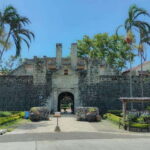
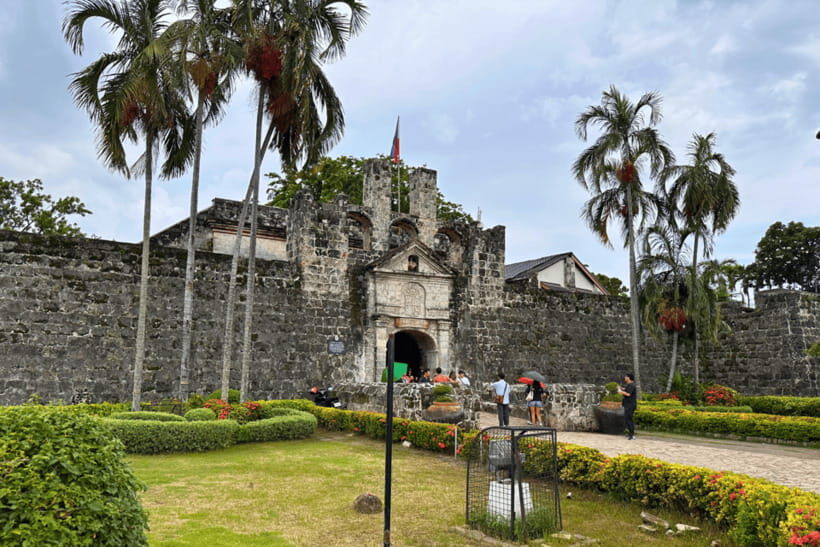
The tour kicks off at Fort San Pedro, which is the oldest fort in the Philippines. Even if you’ve seen plenty of forts in your life, this one works because it’s not just a wall-and-guns stop. It’s a quick chance to see how Cebu shaped itself as a trade and defense hub, long before most travelers ever learn the city’s name beyond the airport.
You’ll get around 30 minutes here with a photo stop and self-guided time. That’s enough to walk the grounds, take a few good photos, and get a feel for the fort’s scale without dragging out your schedule. If you like history but don’t want your day consumed by reading, this is a well-sized starter.
Practical tip: wear comfortable shoes. It’s an outdoor stop and you’ll likely do more walking than you expect in a “30-minute” block.
You can also read our reviews of more city tours in Cebu City

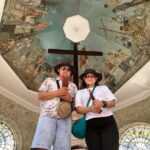
Magellan’s Cross and Santo Niño: symbols you’ll keep seeing around Cebu
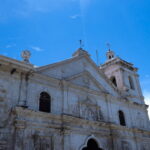
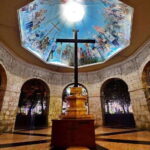
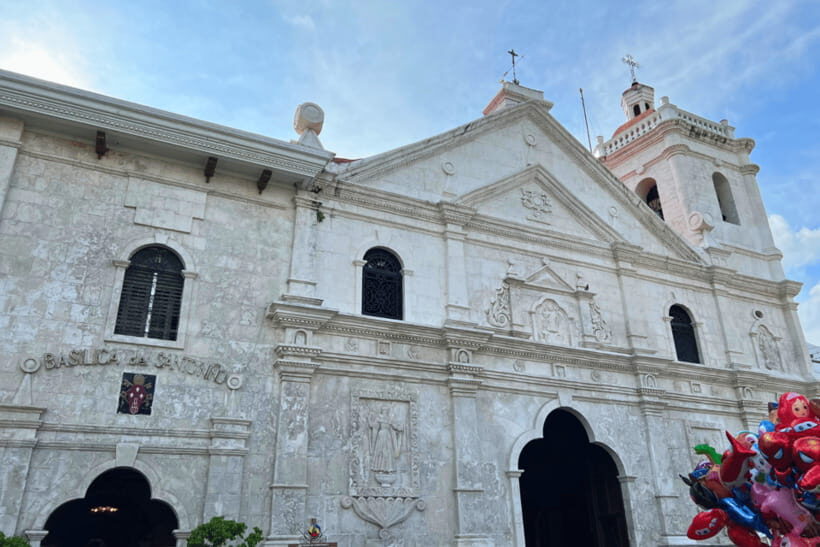
Next come two Cebu icons that shape the city’s identity: Magellan’s Cross and the Basilica Minore del Santo Niño de Cebu. You’ll have another self-guided window of about 30 minutes at Magellan’s Cross, then 30 minutes at the basilica.
Here’s why I think these stops matter: they’re not random tourist photo spots. They’re part of the Christian heritage story that’s still visible in Cebu’s culture and architecture. Even if you’re not chasing religious history, the basilica stop gives you a strong sense of how long-standing beliefs have influenced what Cebu looks like today.
At Magellan’s Cross, you’re mostly there to see the monument up close and take photos while it’s not too crowded. At the basilica, plan to slow down a touch. You’ll get the best experience by standing still long enough to notice details rather than trying to collect every angle in one pass.
If you’re the type who likes to understand what you’re seeing, bring a mental note: these are “symbol stops.” Their power is in what they represent, not in being huge or museum-like.
Heritage of Cebu Monument and Yap-San Diego Ancestral House: the colonial story in human scale
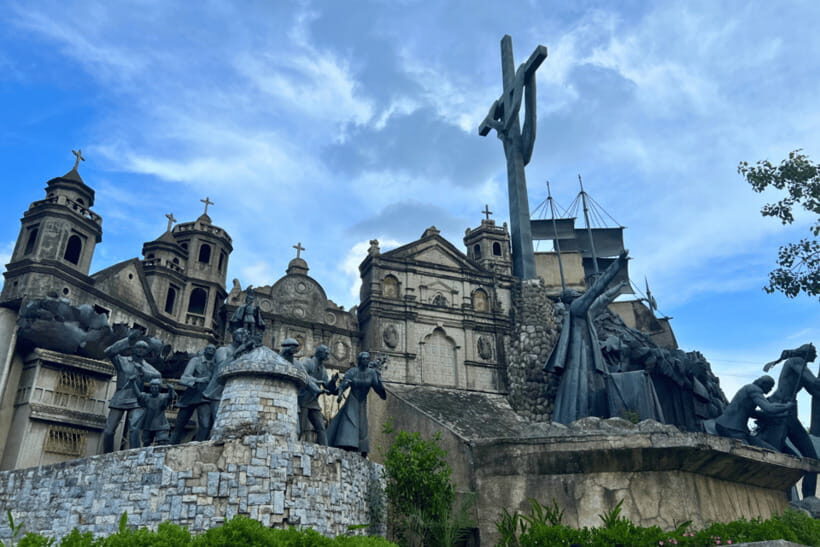
After the basilica, you’ll hit the Heritage of Cebu Monument (about 15 minutes). This is a shorter stop, but it’s helpful. It gives you a quick way to connect earlier landmarks to the bigger colonial narrative you’ll see in the museum later. Think of it as a visual signpost: it helps you keep the story straight as the day shifts from church heritage toward broader historical themes.
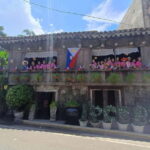
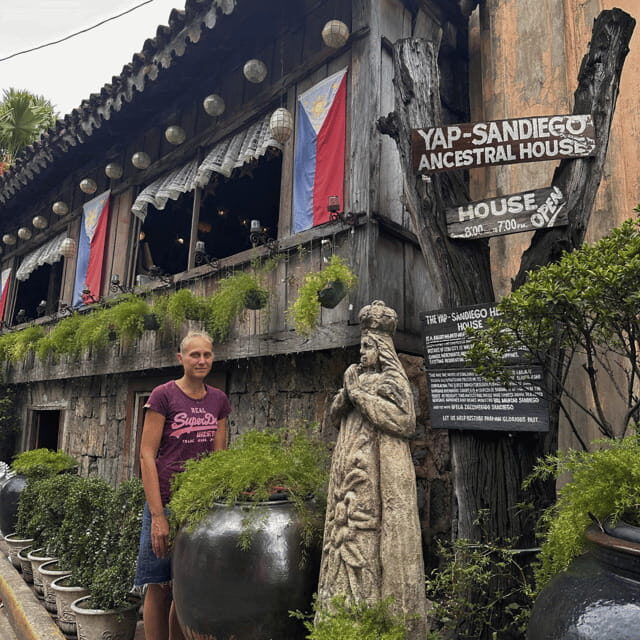
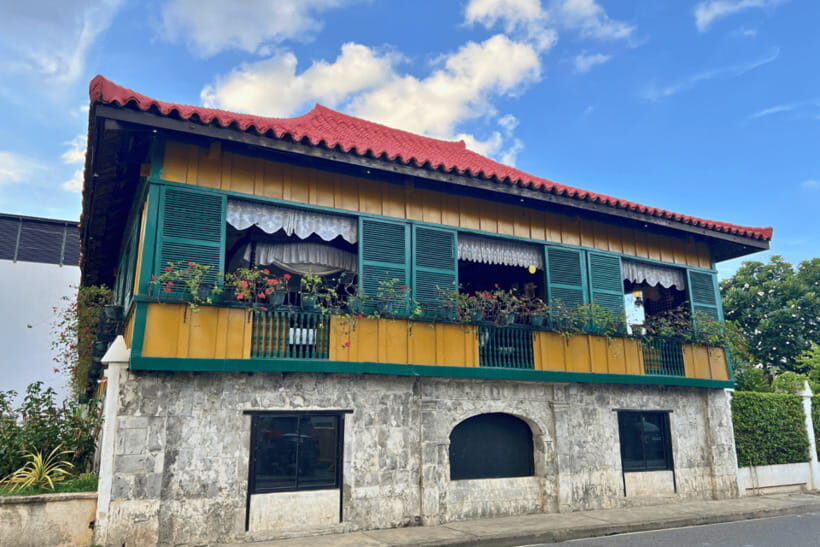
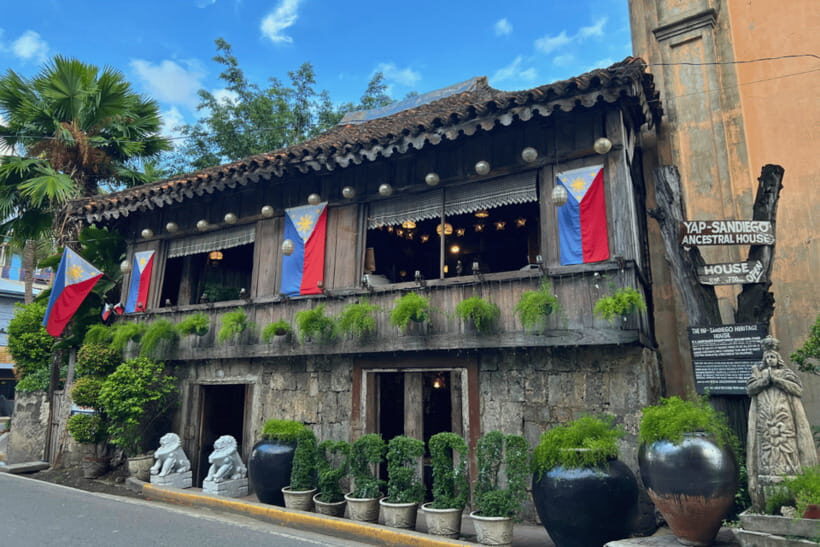
Then you go to the Yap-San Diego Ancestral House for about 30 minutes. Ancestral houses can sometimes feel like “nice building, next.” This one tends to work better because it offers a tangible look at what residential life and wealth looked like in Cebu during the colonial period. You’re stepping back into a historic 17th-century residential house, which makes the time jump feel real rather than abstract.
Best use of this stop: ask yourself what kind of life this home was built for. Even without an in-depth guided talk, you can usually learn a lot by looking at layout, design choices, and the overall “how people lived” vibe.
If you’re traveling with a partner or family, this is also a solid compromise stop: it’s not just for history buffs, but it gives everyone something visual and different from the church monuments.
National Museum of the Philippines – Cebu: where context pulls it all together
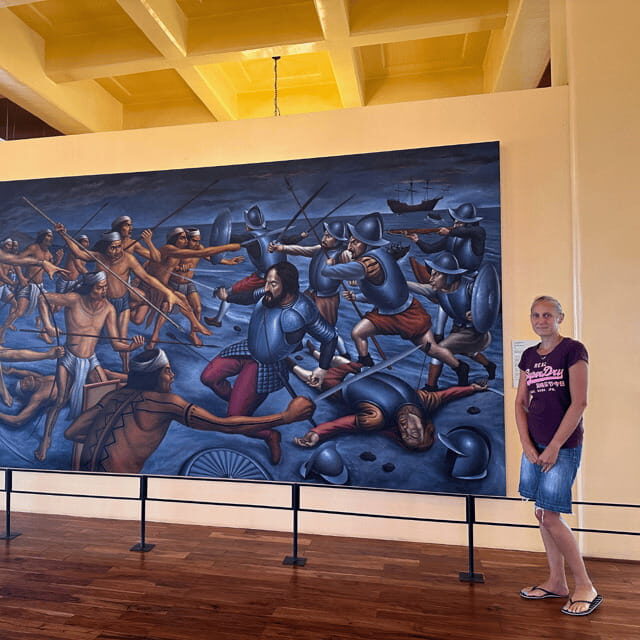
The National Museum of the Philippines – Cebu is next, with about 30 minutes for photo stops and self-guided exploring. This is often where the “why” clicks.
Instead of treating Fort San Pedro, Magellan’s Cross, and the basilica as separate photo stops, the museum helps you connect the dots between Cebu’s local identity and the colonial era. You’ll see diverse cultural and historical exhibits, which is exactly what you want if your brain likes themes rather than just landmarks.
One big heads-up: the National Museum of the Philippines is closed every Monday. If your trip lands on a Monday, double-check your day plan with the operator before you lock anything in.
Also, be realistic about your time. 30 minutes is enough to get your bearings and see a few key exhibits, but not enough to read every placard. If you want value, don’t try to consume the whole museum. Pick two or three things that fit your interest—architecture, artifacts, or the broader historical narrative—and let the rest slide.
Crossing CCLEX to Mactan for a view change and a story shift
Now for the bridge—and it’s not just transportation. You’ll pass by the CCLEX bridge for about 30 minutes. The highlight here is the scenery and the sense of transition from the city to Mactan.
This bridge is described as the longest bridge in the Philippines, and that length shows up in how the coastline and city skyline can look from the road. Even if you don’t care about bridges, it changes the day’s rhythm. It gives you a visual breath between the colonial-era stops and the local hero moment on Mactan.
If you’re prone to motion sickness, take it seriously. You’re in a moving vehicle for a decent chunk of time, and you’ll be looking out. Keep water handy and avoid heavy eye-staring if you’re sensitive.



Lapu-Lapu Shrine: the local hero stop that makes history feel personal
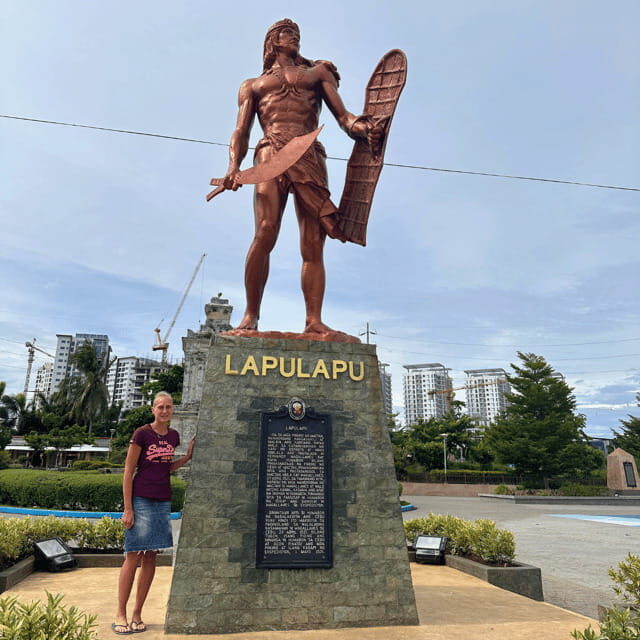
On Mactan, the tour goes to the Mactan Shrine for about 30 minutes. This is the part of the day that turns the earlier story into something directly local: you’re paying tribute to the hero of the Battle of Mactan.
I like this stop because it rebalances the narrative. Instead of only focusing on famous European-era names, you end up with a clear Filipino hero moment. Even if you already know the basics, seeing the shrine in person gives you a stronger sense of why Lapu-Lapu remains an identity symbol for Cebu.
This stop is ideal for a slower walk and a few respectful photos. It’s also a good place to reset your day before you head to the final “fun” stop.
10K Roses Café and the LED rose finish
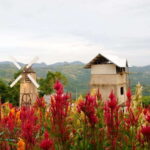
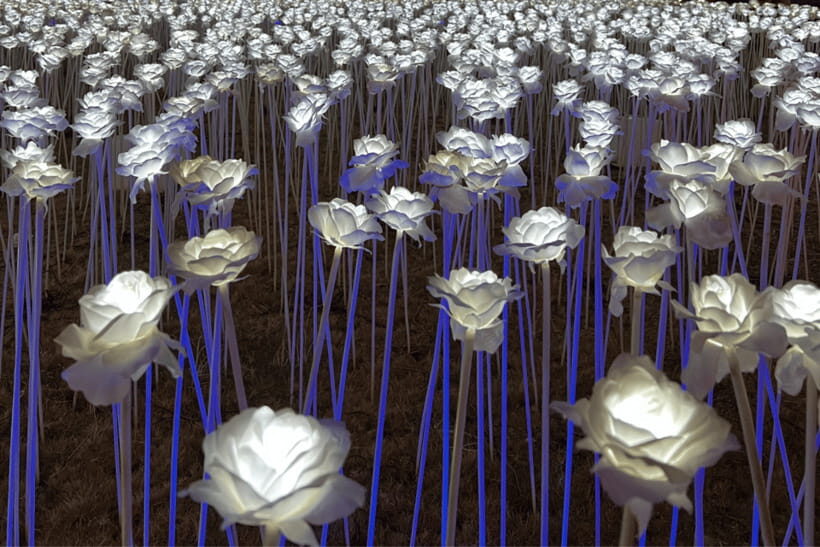
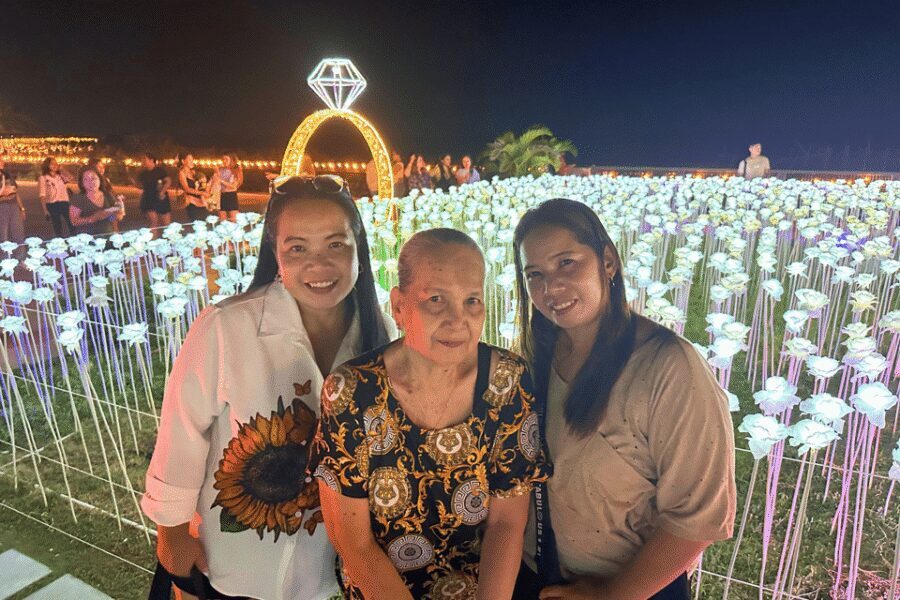
After the shrine, you wrap up at 10K Roses Café & More, with about 30 minutes for a photo stop and self-guided visit. This is the lighter, more visual finale, famous for its garden of glowing LED roses.
Here’s why it works as a finish: you’ve been moving through history and heritage all day. The LED rose experience gives your eyes a break and gives you a fun, atmospheric ending that’s very different from monuments and museums. If you enjoy night-light vibes—or even if you just want something pretty to wear out with a camera—this is a strong closer.
Practical tip: consider bringing a small umbrella even if it seems dry. The tour takes place rain or shine, and you’ll be outdoors at multiple points.
Private car, English driver, and self-guided stops: how the tour really feels
This is a private or small group tour with hotel pickup and drop-off, plus transportation in a private air-conditioned car. Your driver speaks English and acts as your guide, but the attractions are self-guided for you to explore on your own inside.
That format can be excellent for travelers who like control. You’re not stuck waiting for long scripted commentary, and you can spend extra time where you’re interested. It also helps you keep the day moving while still giving you freedom.
Vehicle type (car or van) depends on how many passengers you have, which is useful if you’re booking with family or friends. Air-conditioning matters in Cebu heat, so I appreciate that this isn’t a “ride in a crowded vehicle” kind of tour.
One more point I’d call out: you’ll want to be comfortable switching contexts fast—fort, cross, basilica, monuments, ancestral house, museum, bridge, shrine, then LED roses. If you like variety, you’ll enjoy it. If you prefer one or two big deep stops per day, you might find the schedule packed.
Price and value: when $55 makes sense for Cebu
At about $55 per person, this tour sits in a value-friendly zone for a full-day private format. You’re getting hotel pickup and drop-off, air-conditioned private transport, and entrance/admission fees included.
The value part is what you’re not paying extra for. With a lot of city tours, the “cheap” price often turns into surprise add-ons for attractions. Here, entrance and admission fees are included, which makes the budget feel more predictable.
What’s not included: lunch and insurance. That’s normal, but it matters. You’ll either need to plan your own meal breaks or grab something nearby when the schedule allows. If you’re the type who skips meals until late, build a snack strategy. Bring water. And don’t forget your umbrella.
Also note: the tour is 8 hours total. You’ll want to treat it like a full day, not a half-day sightseeing burst. If you’re trying to see a lot in one go—especially if you don’t want to figure out transportation across Cebu City and Mactan—this price can feel fair.
Who this Cebu City and Mactan tour fits best
This tour is best for you if:
- You want the highlights of Cebu City and Mactan in one day without juggling taxis and timing
- You enjoy history and heritage, but you don’t need a live lecturer at every single stop
- You want one memorable photo experience at the end with 10K Roses LED roses
- You like small-group or private comfort, with an English-speaking driver
It may not be ideal if:
- You want extensive guided storytelling inside each site
- You’re visiting on a Monday and planned to spend serious time at the National Museum (it’s closed every Monday)
Should you book this tour?
Yes—if you’re looking for a structured, efficient way to connect Cebu’s Christian heritage, colonial-era context, and Mactan’s local hero story, with a fun LED-rose finale. For the price, the included admissions plus private air-conditioned transport make it feel like a solid deal, especially if you’re saving mental energy on logistics.
If you want the day to feel smooth, pack for real weather (umbrella, water) and wear pants. And if you’re lucky enough to get driver Joey, that courteous, respectful energy is exactly what you want when you’re bouncing between stops.
FAQ
What’s the duration of the Cebu City and Mactan Island tour?
The tour duration is 8 hours, with starting times depending on availability.
How much does the tour cost?
The listed price is $55 per person.
Are hotel pickup and drop-off included?
Yes. Hotel pickup and drop-off are included, and pickup/drop-off is available anywhere within Cebu City and Lapu-Lapu City (Mactan).
What’s included in the price?
Included are hotel pickup and drop-off, transportation in a private air-conditioned car, and entrance and admission fees.
What’s not included?
Lunch and insurance are not included.
Is the driver English-speaking?
Yes, the driver is English-speaking.
Is the tour self-guided inside the attractions?
It’s described as self-guided at the stops, with the driver serving as your guide.
Is the National Museum open every day?
No. The National Museum of the Philippines is closed every Monday.
What should I bring?
Bring an umbrella and water. The tour operates rain or shine, and wearing pants is advised.