REVIEW · BOHOL
Bohol: Snorkel One of PH’s Largest Sardine Schools
Book on GetYourGuide →Operated by Panglao Island Tour · Bookable on GetYourGuide
Thousands of sardines appear fast. In Panglao, you get a near-shore reef session with huge schools circling meters from you.
I love the no-boat setup. You show up, get guided into the water, and you’re watching the sardine run without the usual travel hassle.
One catch to plan for: the ₱500 environmental fee is separate, and you may also want to budget for small on-site add-ons like goggles/fins depending on what you arrive with.
In This Review
- Key highlights you’ll actually feel in the water
- Why this Panglao sardine run feels different
- Gear and guide support, without the chaos
- The short itinerary: Panglao entry to three reef stops
- Snorkel or breath-hold: pick the experience level you want
- Underwater photos are included, but your camera rules matter
- Getting there: transport isn’t automatic, but pickup can be arranged
- Price and extra fees: what $24 really covers
- Timing: why starting early makes your whole Bohol day easier
- Who should book this and who might skip it
- Should you book this Panglao sardine snorkel?
- FAQ
- How long is the sardine snorkeling experience?
- Do I need to bring my own snorkeling gear?
- Where does the tour start?
- Are underwater photos included?
- Is transportation included?
- Is there an environmental fee?
- Can I snorkel if I’m a beginner?
Key highlights you’ll actually feel in the water
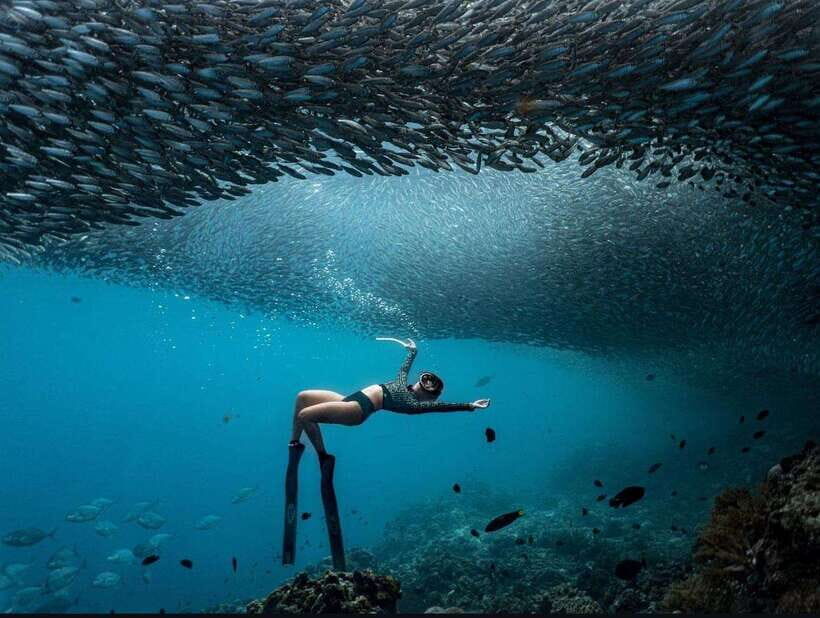
- Shore-level snorkeling with thousands of sardines right off Panglao
- Snorkel or breath-hold options, with no prior experience needed
- Guide-led gear and safety, including help spotting the sardines
- Underwater photos included, with extra camera rules to follow
- Three reef stops during a short, well-paced session
- Early timing that makes it easy to stack with other Bohol tours
Why this Panglao sardine run feels different
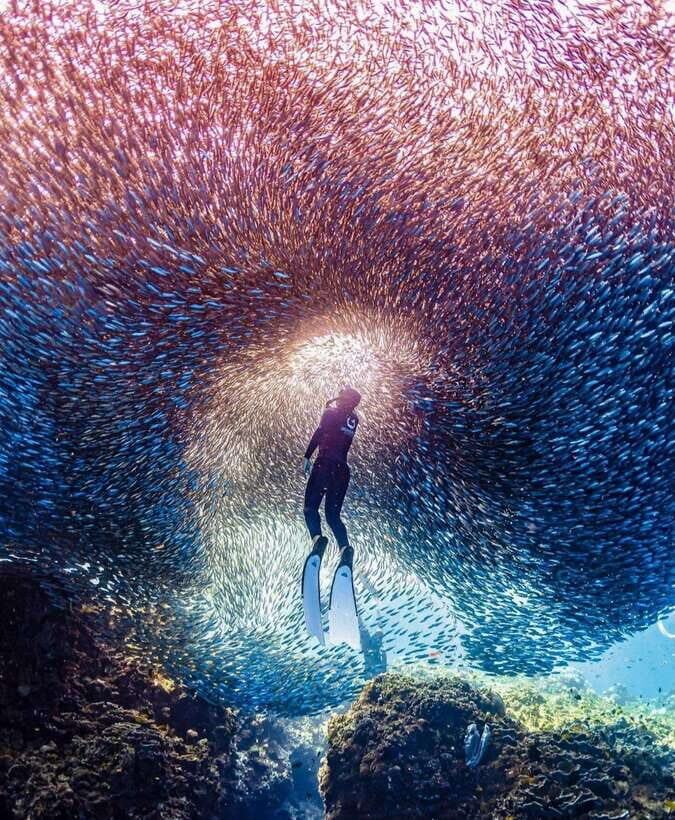
If you’re picturing “snorkeling” as calm water and maybe a few fish, this breaks that mental model fast. The whole point here is the sardine school—thousands of them, moving like one living creature just off the beach.
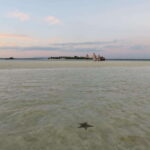
What makes it special is the location and the format. This is not a long boat trip to a distant reef. You’re working with clear water and a guide who gets you positioned where the action is, without turning it into a complicated day.
I also like that the experience is designed to be approachable. You don’t need special skills to start, because the guide helps you from the shoreline entry onward.
The tone is simple: organized, supportive, and quick to get you in the water.
You can also read our reviews of more tours and experiences in Bohol.

Gear and guide support, without the chaos
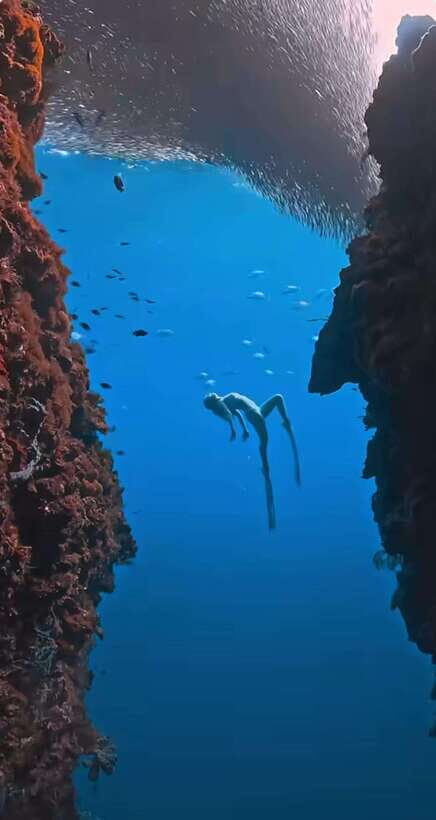
This tour includes snorkeling gear: snorkel, mask, and fins. That matters because the biggest pain with water tours isn’t the ocean—it’s the “where do I get the right stuff?” part.
Your guide meets you at the reef entry and handles the basics: how to wear the gear, how to move safely, and how to find the sardines efficiently. This is a short session, so you want a setup that gets you oriented fast, and that’s the point of having someone trained to run it smoothly.
Safety is taken seriously in a practical way. There’s an on-site first aid kit, and you get help managing your time in the water so you’re not just guessing.
Also worth noting: they offer shower and changing facilities after the activity. That’s one of those details that quietly makes the rest of your day easier.
The short itinerary: Panglao entry to three reef stops
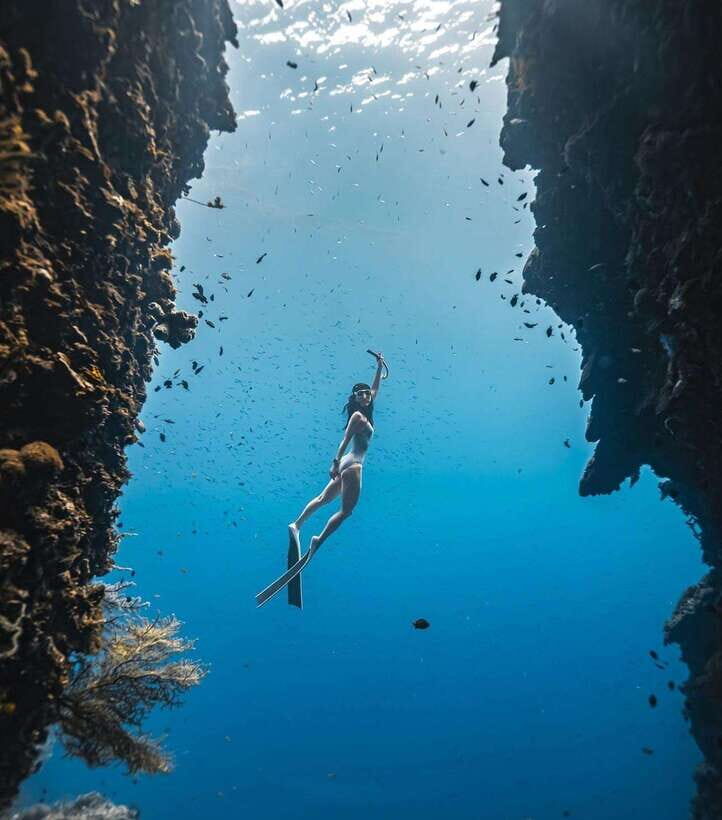
The activity starts in Panglao, and then you spend your guided session at the reef area with multiple snorkeling locations. The schedule is listed as a 2-hour duration, while the guided portion is shown as about 2.5 hours—either way, it’s built to be short and doable.
Inside that time, you explore three key snorkeling locations. In plain terms, you’re not stuck at one spot hoping the sardines drift over. The guide leads you between the best areas so you can catch the movement of the school as it shifts.
There’s also an extra layer to how it’s run. You get assistance finding other key spots out of the normal area. That usually translates into: the guide doesn’t just follow a rigid route; they look for where the sardines are behaving well at that moment.
What you can expect in the water is the “wall” effect—sardines pulsing and shifting around you. You’ll likely feel like you’re watching something hypnotic but also super natural, because the schools change shape constantly.
Snorkel or breath-hold: pick the experience level you want
This is offered as snorkel or breath-hold time, with no prior experience required. That’s a big deal in Bohol, where a lot of ocean activities either assume you already know your gear or they push you into more advanced water without enough coaching.
If you snorkel, you’ll be floating near the surface and following your guide’s cues. If you choose the breath-hold option, the idea is still the same: you’re not thrown into something solo. The guide supports you so you can focus on comfort and control.
You also have flexibility in how deep you go. The tour is described as allowing you to float and also explore deeper with the support of the guide.
My practical advice: choose the option that matches your comfort that day. If you’re tired from travel or you’re new to ocean water, snorkel first. You can enjoy the sardine run from the surface and still get a great experience because the schools are close to shore.
Underwater photos are included, but your camera rules matter
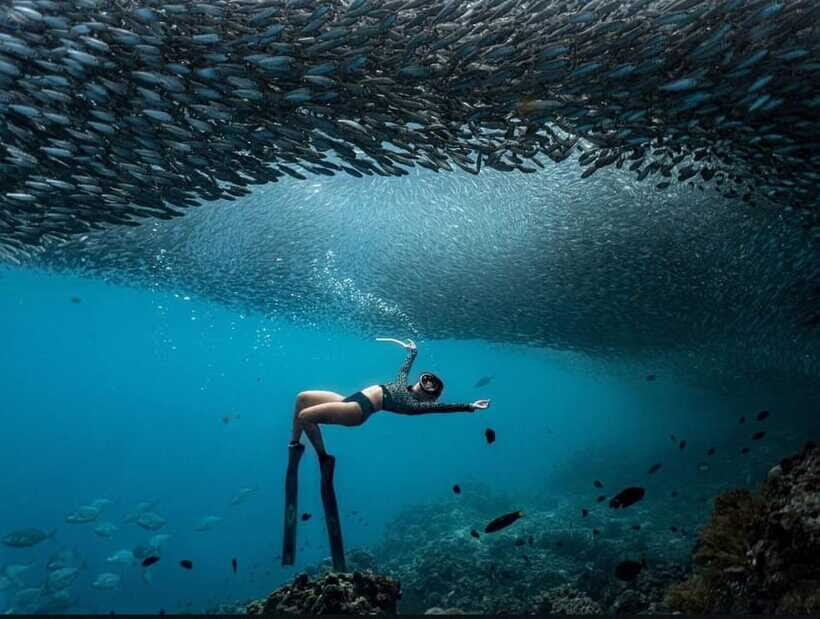
Here’s where this tour can be either easy or slightly annoying—depending on how you prepare.
Underwater photos are included, and the guide is described as assisting with capturing professional underwater photos and videos. But the activity details also specifically say: provide your camera.
So you should plan to bring a camera that you can use in the water. If you want a GoPro-style setup, GoPro isn’t included, so you either bring your own or rent one locally.
One more useful thought based on how water tours operate in real life: ask what format they’re using and whether they handle the shooting with your device or if they’re coaching you to capture. The tour description says you’ll be assisted, so the key is aligning expectations before you jump in.
In short: if you want the included underwater photos, don’t show up camera-less.
Getting there: transport isn’t automatic, but pickup can be arranged
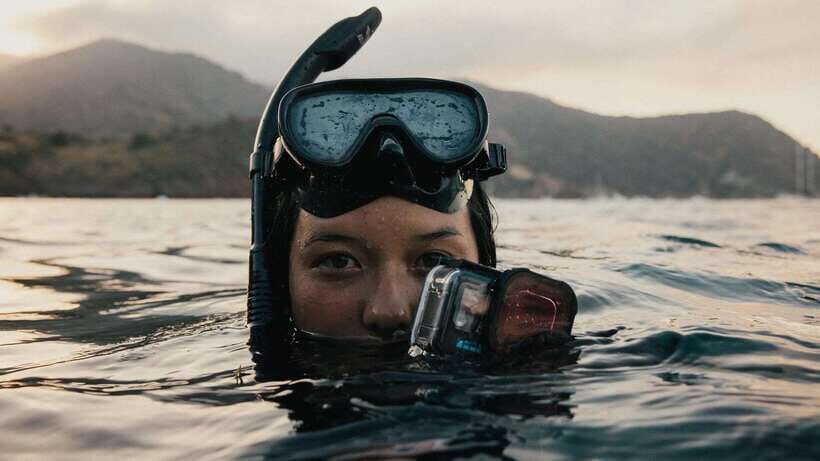
By default, transport isn’t included. You can request help, and they’ll connect you with a trusted local driver.
One review detail that’s genuinely useful: a driver named Brayn handled a pickup and arrived on time, and the ride to the site was described as pleasant. That’s the kind of reassurance you want if you’re trying to coordinate mornings in Panglao.
Practical tip: if you want pickup, message after booking and confirm the exact pickup timing and location in Panglao. With early starts, small miscommunications can snowball.
If you’re staying near the Panglao area, you may find you can handle getting to the starting point with less fuss. But since transport is available on request, it’s worth using if you’re short on time or you don’t want to figure out logistics.
Price and extra fees: what $24 really covers
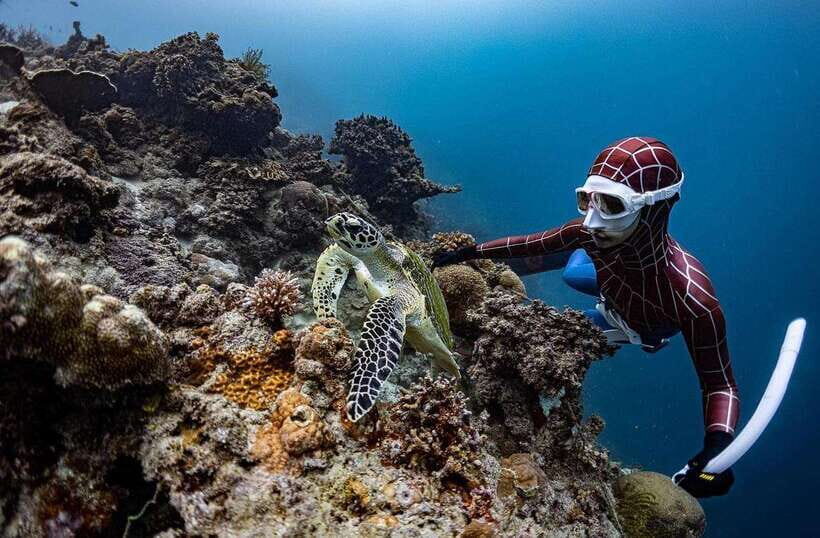
The listed price is $24 per person for a short, guided near-shore snorkeling session with gear and photo support. For Panglao, that’s reasonable value because you’re getting more than “rent fins and go.”
Your money covers:
- guide support for gear, safety, and sardine spotting
- snorkeling gear (mask, snorkel, fins)
- shower/changing facilities
- on-site first aid kit
- free underwater photos
- assistance between multiple reef stops
Now for the extras you should expect:
- There’s a separate ₱500 environmental fee per person.
- GoPro isn’t included (bring or rent).
- Buoyancy aids are not included but can be rented if needed.
And here’s a caution from an on-the-ground experience: one person was picked up on time by Brayn, and when they arrived they had to pay extra for diving goggles and fins. The tour details don’t list that exact fee, so treat it as a possibility rather than a guarantee. Either way, it’s smart to bring the gear you’re comfortable with, or at least be ready for small add-ons if you arrive wanting specific equipment.
If you’re doing the math, the big value driver is the guide-led sardine run and the included photo support—not just the water time.
Timing: why starting early makes your whole Bohol day easier
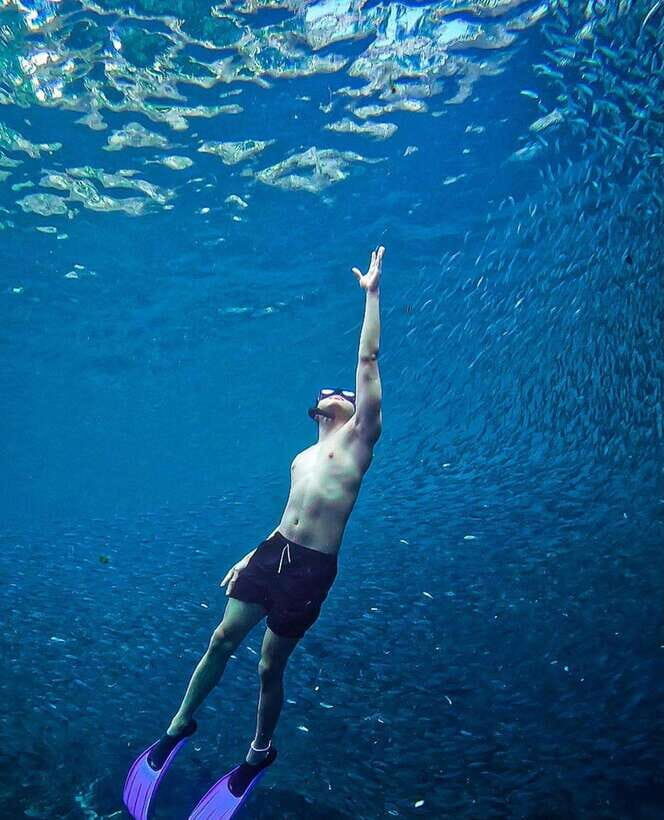
This activity starts early. That matters because Bohol tours often sell out or stack up, especially on days you also want land attractions.
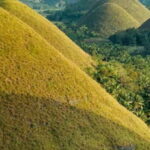
Early water time is a great “bridge” activity: you can do this in the morning and then go onto other favorites like Chocolate Hills or the Fireflies later. It keeps you from burning your whole day traveling between far-flung spots.
Also, because there are no lines and the setup is described as smooth, you’re less likely to waste time waiting around. The format is built to get you in the water quickly.
If you like a schedule with momentum, this is the kind of activity that fits your day without turning it into a long production.
Who should book this and who might skip it
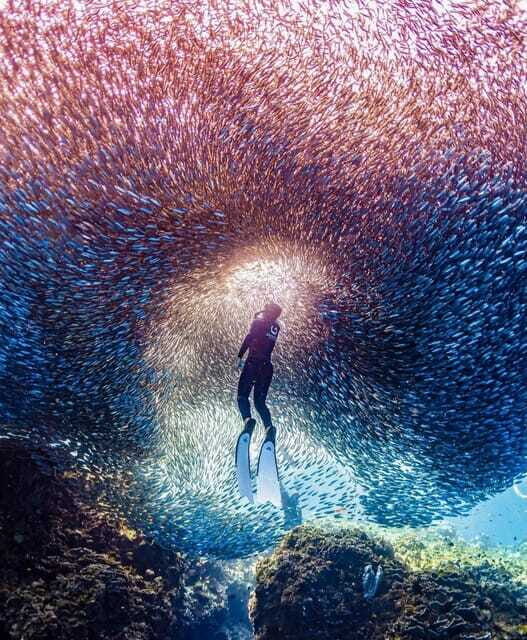
This tour fits best if you want:
- a memorable wildlife moment without a long boat trip
- close-to-shore snorkeling
- a guide who helps you find the action
- a short activity you can combine with other Bohol plans
- an experience that feels guided rather than chaotic
It’s also a good option for solo travelers and couples, since it’s designed as a smooth, supported session and mentions no big group.
You might want to skip or reconsider if:
- you don’t want to worry about bringing/providing a camera for the included photo/video capture
- you dislike the idea of separate on-site fees (the environmental fee is confirmed, and small add-ons are possible)
- you’re very sensitive to any extra equipment rules, since buoyancy aids aren’t included and additional items may come up at the site
Should you book this Panglao sardine snorkel?
If your priority is that “thousands of sardines” moment close to shore, I think this is an easy yes. The combination of near-shore access, guide spotting, gear included, and free underwater photos makes it feel like good value rather than just a basic water activity.
Before you book, do three things so it goes smoothly:
- Plan for the ₱500 environmental fee.
- Bring the camera you’re supposed to provide (or confirm GoPro options).
- If you want specific equipment like goggles or fins, be ready for the possibility of on-site upgrades or add-ons.
If that sounds manageable, book it. You’ll get a rare Bohol experience that’s short, organized, and genuinely different from the usual island routine.
FAQ
How long is the sardine snorkeling experience?
The activity is listed as about 2 hours. The guided session is shown as around 2.5 hours on the schedule.
Do I need to bring my own snorkeling gear?
No. Snorkeling gear is included, including snorkel, mask, and fins.
Where does the tour start?
It starts in Panglao.
Are underwater photos included?
Yes. Free underwater photos are included, and the guide assists with capturing photos/videos. The details also request that you provide your camera.
Is transportation included?
Not by default. Transportation to and from the site is available on request.
Is there an environmental fee?
Yes. There is a separate environmental fee of ₱500 per person.
Can I snorkel if I’m a beginner?
Yes. The experience is designed so you can choose snorkeling or breath-hold time with no experience needed, and the guide supports you throughout for safety and spotting.