REVIEW · LUZON
Manila Social and Political Walk
Book on Viator →Operated by Planetwonk · Bookable on Viator
Manila has two stories, not one. This evening social and political walk uses interactive, documentary-style storytelling to connect big national issues to what you see on the street, from Rockwell Center to the Pasig River. I especially like how it keeps the focus on history-to-now context, and how guide Alex brings Manila’s contrasts and daily realities into the same conversation.
One thing to keep in mind: this is an outdoor walk that depends on good weather, and you’re on a schedule starting at 6:00pm, so plan for an evening that can run slightly around the stated pace.
In This Review
- Key takeaways before you go
- The real value: turning Manila’s contrasts into a story you can judge
- Starting at Starbucks One Rockwell: easy to find, easy to orient
- Rockwell Center: where the city sells comfort (and who it’s for)
- Trump Tower at Century City: luxury as politics in the sky
- P. Burgos Street: food and nightlife as social data
- Poblacion: street art, cafes, and the politics of everyday taste
- Pasig River: the historical artery that’s still struggling
- Mandaluyong: business-district Manila and the future angle
- Price and logistics: $45.75 for a guided evening with a serious focus
- Who this walk is for (and who may want a different style)
- Should you book the Manila Social and Political Walk?
- FAQ
- How long is the Manila Social and Political Walk?
- Where does the tour start and end?
- What time does the walk begin?
- What does the tour cost?
- How do I get my ticket?
- How many people are in the group?
- Is the tour admission paid at each stop?
- What happens if the weather is bad?
- Is free cancellation available?
Key takeaways before you go
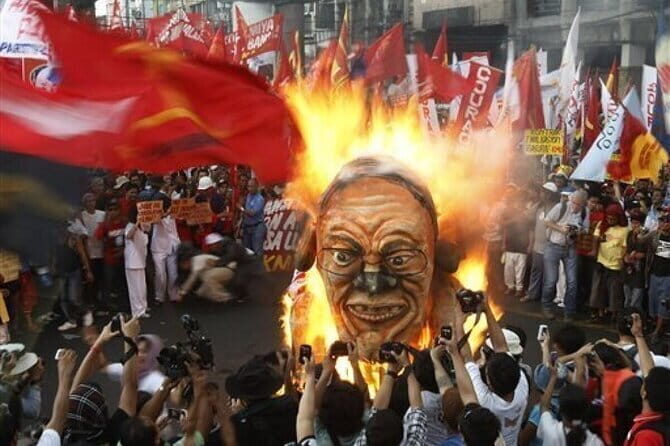
- Documentary-style pacing: interactive storytelling that treats politics and society like part of the same plot.
- Alex’s hands-on perspective: history and real-life challenges tied to places you’d likely skip alone.
- A tight 2.5-hour format: enough time to connect the dots without spending your whole evening in transit.
- Six distinct urban “chapters”: luxury enclaves, nightlife streets, river realities, and a business-district lens.
- Small-group vibe: a maximum of 30 travelers, so discussion is more likely to stay human-sized.
The real value: turning Manila’s contrasts into a story you can judge
What makes this walk worth your time is the way it frames Manila as a living argument. You’re not just collecting photos. You’re getting a guided thread that links the creation of the Filipino state to modern social and political issues, then asks you to form your own view instead of being told what to think.
This format also fits how politics actually feels in daily life. Decisions made far from your neighborhood show up later as housing patterns, jobs, public space, and the way a city treats its own infrastructure. The walk leans into that idea, and it does it without turning into a lecture marathon.
And I like the “surprising answers” promise, because it signals the walk aims to clarify what’s often oversimplified. If you’ve ever felt Manila gets flattened into stereotypes, this is built to push past that.
You can also read our reviews of more walking tours in Luzon

Starting at Starbucks One Rockwell: easy to find, easy to orient
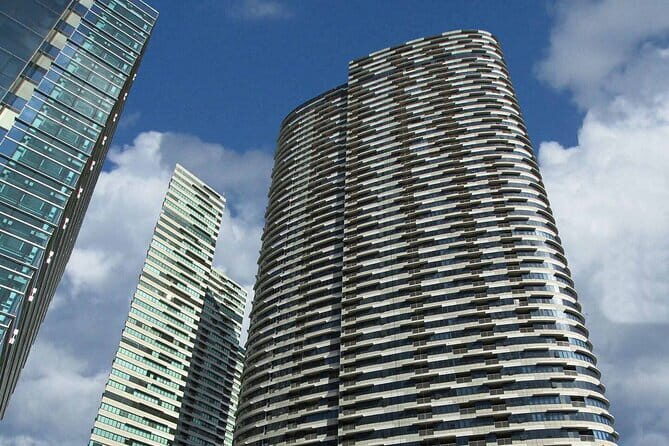
The meeting point is Starbucks One Rockwell on Rockwell Dr in Makati City, Metro Manila. You start at 6:00pm, and the tour ends back at the same place, which is a relief if you don’t want to figure out a second pickup or new endpoint after dark.
My practical tip: arrive a bit early so you can settle your bearings and keep the walk flowing. Also, since each stop is around 15 minutes, you’ll get more out of it if you’re ready to listen and move.
Good news on the “admin” side: you get a mobile ticket, and admission at the stops is free, so you’re not juggling separate entry fees while your guide is building the storyline.
Rockwell Center: where the city sells comfort (and who it’s for)
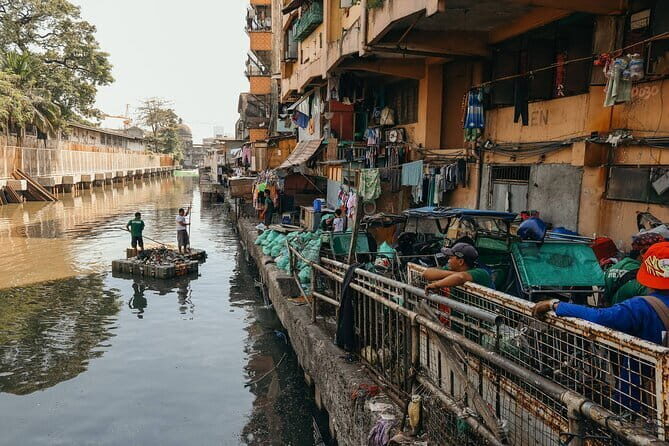
Rockwell Center is the first chapter, and it’s a smart opening choice. It’s described as Manila’s premier upscale urban enclave, which basically means you’re stepping into a part of the city designed around premium lifestyle and controlled public space.
In a walk like this, starting with an enclave matters. It gives you a baseline for thinking about power and access. You can look at the architecture, street layout, and overall feel, then compare it later to places where the daily rhythm is driven more by work, commerce, and informal social life.
At this stop you’ll have about 15 minutes, and admission is free—so it’s not about sightseeing for its own sake. It’s about setting up a contrast that the guide returns to later.
Trump Tower at Century City: luxury as politics in the sky
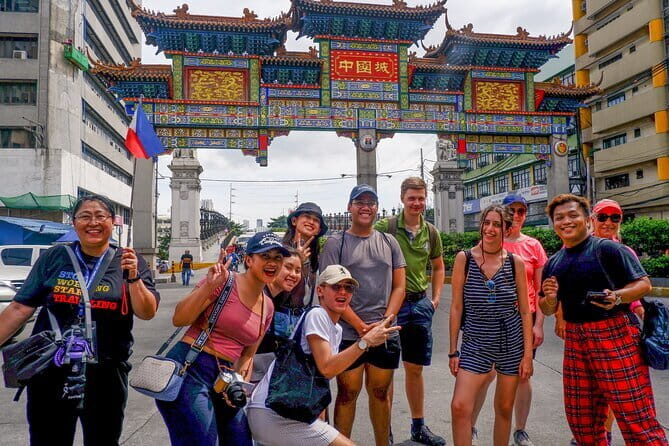
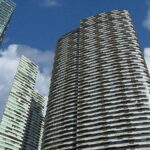
Next is the Trump Tower at Century City, a striking skyscraper with luxury residences—another place where the city’s image and money talk loudly.
Skyscrapers are easy to admire, but the walk’s value is how it nudges you to read them differently. Tall buildings don’t just change skylines; they change who gets protected, who benefits, and how a city markets itself to the world. Even if you’re not a policy person, you’ll start noticing how branding and investment shape the ground-level reality around it.
This stop is also about 15 minutes with free admission. Use the time to watch how the area feels compared to where you started—because the whole point is that these are not random locations. They’re part of a single argument about Manila’s social and political angles.
P. Burgos Street: food and nightlife as social data
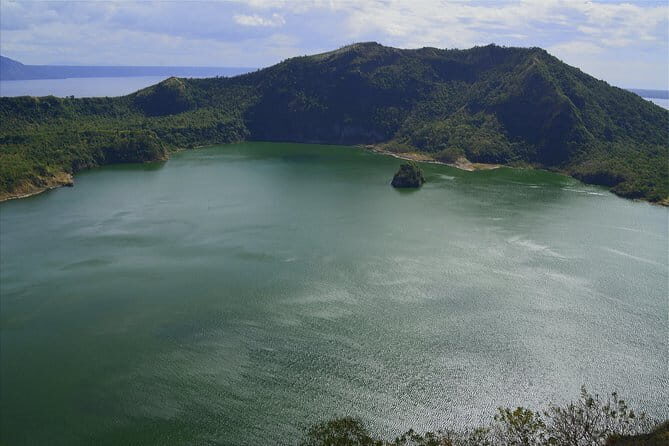
Then the walk moves to P Burgos Street in Makati, described as a vibrant, bustling thoroughfare known for restaurants, bars, and nightlife. It’s a different type of stage—less about curated luxury, more about human activity and the economy that runs on evenings.
What I find useful here is the “social clues” approach. Where people gather, how they spend time, and what kind of venues dominate can all point to broader issues like class mix, nightlife regulation, and how cities handle public space.
You’ll get around 15 minutes at this stop, with free admission, so you’re unlikely to do long wandering. Instead, think of it as a quick read of the city’s social pulse—how nightlife and leisure map onto the bigger story you’ve been hearing.



Poblacion: street art, cafes, and the politics of everyday taste
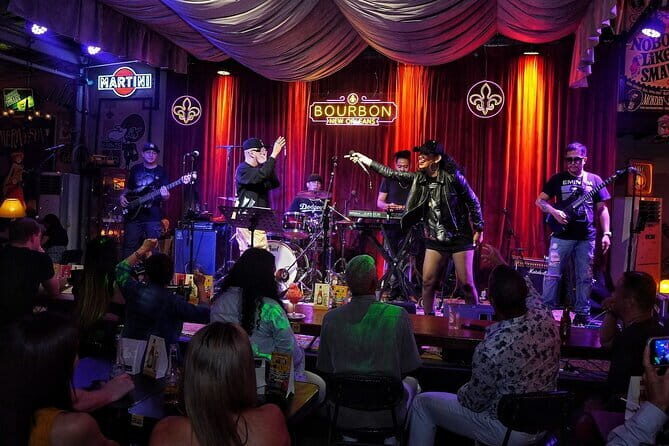
Poblacion is where the walk leans into neighborhood texture. It’s described as a dynamic area blending historic charm with trendy cafes, vibrant street art, and a lively nightlife scene.
This is one of the most interesting transitions on the route because it’s where culture and identity show up visibly. Street art and the look of cafes aren’t just decoration; they’re signals of who has space, what kind of community is forming, and how the neighborhood wants to be seen. And those identity shifts rarely happen in a vacuum.
At around 15 minutes, you’ll likely do short observing and listening rather than deep exploring. Still, the payoff is in comparison: Poblacion gives you a “middle ground” between upscale enclaves and nightlife streets, which helps you understand how Manila’s different layers can occupy the same city at once.
Pasig River: the historical artery that’s still struggling
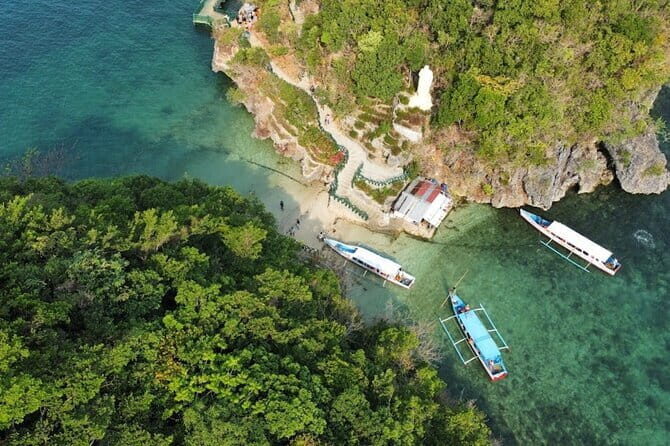
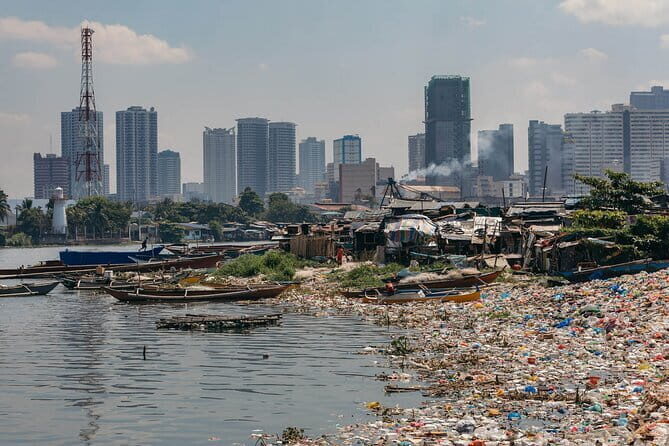
Pasig River is the most sobering stop on the route. The river flows through the heart of Manila, and it’s described as once a vital artery of trade and transportation now struggling with pollution and neglect, though still bearing traces of historical significance.
This part of the walk makes a strong point about what cities owe their past—and what they choose to maintain now. Rivers, rail corridors, and public infrastructure tell you a lot about governance. When those systems degrade, it’s not abstract. It shows up in air and water, in how people use the area, and in what the city chooses to prioritize.
You get about 15 minutes here. My advice is to use it to slow down mentally. Instead of treating it as a photo stop, treat it as a reality check: what does neglect look like in physical space, and how does that connect back to the social and political themes you’ve been hearing from the start?
Mandaluyong: business-district Manila and the future angle
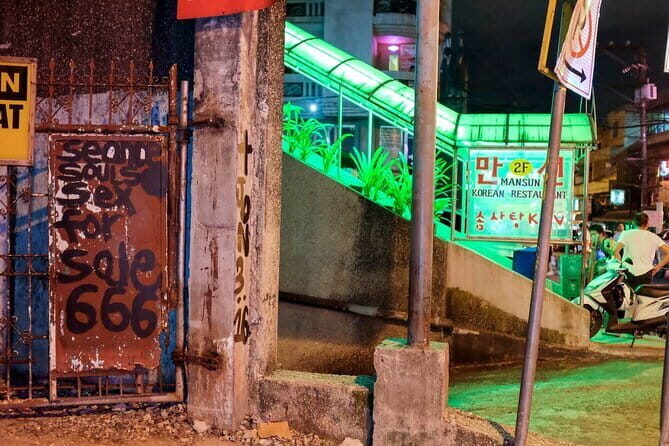
Finally, the walk heads to Mandaluyong City, described as known for skyscrapers and a thriving business district within Metro Manila’s urban landscape.
This stop is useful because it shifts the story toward what comes next. When you’re dealing with social and political issues, the “future” isn’t just election cycles—it’s also where investment goes, what kinds of jobs grow, and which areas become magnets for development.
With around 15 minutes and free admission, Mandaluyong works like the ending frame of a film. You’ve seen contrast, social life, and infrastructure strain. Now you look at a business-heavy area and ask: how does modernization change the city’s direction, and who gets left out of the gains?
Price and logistics: $45.75 for a guided evening with a serious focus
At $45.75 per person for about 2 hours 30 minutes, this walk is priced like a guided cultural experience, not a “quick city tour.” The value comes from the intent: you’re paying for interpretation—linking places to social and political themes—rather than just being walked from landmark to landmark.
It’s also booked fairly close to departure on average (about 5 days in advance), which suggests it’s the kind of outing people plan when they realize they want more than standard sightseeing.
A few practical notes that matter for your decision:
- Each stop is free for admission, so your time stays focused on the story.
- The group cap is 30 travelers, which keeps the experience from turning into a crowded parade.
- It’s a mobile-ticket setup, so you can keep things simple once you arrive.
And remember the weather factor. Since it’s dependent on good weather, check conditions for that evening. If weather cancels it, you’re offered another date or a full refund.
Who this walk is for (and who may want a different style)
This is best for you if you have a genuine interest in politics and want to understand the Philippines through real places, not only through classroom history. It also fits if you like interactive guides who explain connections, because the tone is meant to feel like a documentary that talks with you as you walk.
You’ll probably enjoy it if you like contrasts: upscale enclaves next to nightlife streets, then a river shaped by environmental neglect, then a business district that points forward. The whole design works for people who want context and comparison.
On the other hand, if you want a laid-back evening focused only on scenic stops and photo time, this may feel more like an “ideas walk” than a casual stroll. You’ll be walking and listening, and the point is understanding the social and political side of Manila.
Should you book the Manila Social and Political Walk?
If you’re in Manila and you want more than surface-level sightseeing, I’d book it. The best reason is the format: it connects history and today’s social realities in a way that helps you form your own view. With Alex leading, the emphasis on places and challenges not usually covered on standard tourist routes makes it feel like a sharper look at the city.
I’d skip it only if you’re not interested in politics at all, or if an outdoor evening walk with timing constraints doesn’t fit your travel style. Otherwise, it’s a strong value: a compact 2.5 hours with six meaningful urban stops, guided discussion, and a story that’s built for understanding, not just looking.
FAQ
How long is the Manila Social and Political Walk?
It’s about 2 hours 30 minutes (approx.).
Where does the tour start and end?
It starts at Starbucks One Rockwell on Rockwell Dr, Makati City, Metro Manila, Philippines, and it ends back at the meeting point.
What time does the walk begin?
The start time is 6:00pm.
What does the tour cost?
The price is $45.75 per person.
How do I get my ticket?
You’ll receive a mobile ticket.
How many people are in the group?
The tour has a maximum of 30 travelers.
Is the tour admission paid at each stop?
The stops listed have free admission tickets.
What happens if the weather is bad?
The experience requires good weather. If it’s canceled due to poor weather, you’ll be offered a different date or a full refund.
Is free cancellation available?
Yes. You can cancel up to 24 hours in advance for a full refund.