REVIEW · LUZON
Sagada and Banaue Rice Terraces 4-Day Tour
Book on Viator →Operated by Abraham Tours Philippines · Bookable on Viator
Sagada to Banaue is where the Philippines stops feeling like a brochure and starts feeling like daily life. This 4-day route mixes ancestral traditions with big, physical scenery time—Sagada’s Hanging Coffins and Sumaguing Cave, then the UNESCO Banaue Rice Terraces and the Batad and Bangaan rice-country trails. I like that the tour keeps moving in the best way, with real stops for food, local craft culture, and hands-on terrain rather than just bus windows.
My favorite part is the guiding: Zohan, also known as Marc, leads with energy and context, so every hike feels connected to the people who live there. You’ll also appreciate the pacing that’s tough but not rushed, with meals planned on the key days. The main drawback to plan around: this is a very physical trip—expect hikes most days and a long final travel day.
In This Review
- Key highlights at a glance
- Price and What You Really Get for $360
- Day 1: Riding the Coda Lines Night Bus to Sagada
- Day 2 in Sagada: Hanging Coffins, Echo Valley, and Weaver Culture
- Sumaguing Cave: Big Chambers, Short Time Feels Expensive
- Day 3 From Sagada to Batad: Ifugao House Museum, Rice Trails, and Tappiya Falls
- Day 4 to Banaue: Bangaan Village Hike, Jeepney Ride, and Rice Terraces Beyond the Main Stops
- Meals, Pace, and What to Pack for These Hikes
- The Tour Style: Small Group, Big Learning, Real Terrain
- Who This Sagada to Banaue Tour Is For (and Who It Isn’t)
- Should You Book This Tour?
- FAQ
- How long is the Sagada and Banaue Rice Terraces tour?
- Where does the tour start and what time?
- What meals are included?
- What activities will I do in Sagada?
- How much hiking is involved and what fitness level do I need?
- What is the cancellation policy?
Key highlights at a glance
- Sagada’s Hanging Coffins and Echo Valley: cliffside views plus time in places Igorot communities revere
- Sumaguing Cave: vast cave chambers that change how you understand the region
- Ifugao House Museum: a quick cultural anchor before you hit the rice trails
- Batad Rice Terraces and Tappiya Falls: day-trail payoff that’s earned, not handed to you
- Bangaan Village + Bangaan Rice Terraces: a strong UNESCO-area experience beyond the main viewpoints
- Small group size (max 10): easier questions, easier pace, and less “cattle call” energy
Price and What You Really Get for $360
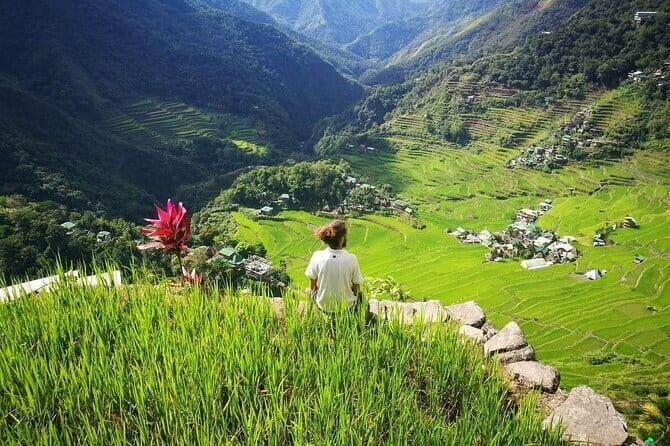
At $360 per person, this tour isn’t cheap for the Philippines—so you should ask what you’re buying besides photos. Here’s the deal: you’re paying for a bundled, structured route that includes transportation for Day 1 (the 12-hour night bus), guiding, accommodations on Days 2 and 3, plus breakfast (3) and lunch (2).
What makes the value feel better is the small group size and the fact that you’re not just visiting “one viewpoint.” You’re moving through Sagada, then across to Ifugao rice-country, with multiple hikes that are included in the plan. If your goal is to experience the terraces as farmland (not just postcards), the bundled guide + logistics help a lot.
Where the budget can sneak up: dinner and drinks aren’t included on the tour. So I’d plan for at least a couple of cash purchases each day after the included meals.
You can also read our reviews of more tours and experiences in Luzon.

Day 1: Riding the Coda Lines Night Bus to Sagada
You meet at the Coda Lines Terminal (HM Transport Inc., Monte de Piedad corner Maryland, Cubao, Quezon City) with a 7:00 pm start and a 12-hour overnight ride to Sagada. This is the classic move for Luzon’s mountain routes: you trade one night of sleep and swap it for less daytime transit later.
What I like about starting this way is you arrive in time to hit Sagada without losing a whole day to travel. What to watch: overnight buses can be uncomfortable. If you’re sensitive to low sleep or creaky seats, bring what you need to make that night bearable (earplugs, a warm layer—temperature in higher areas can surprise you).
Day 2 in Sagada: Hanging Coffins, Echo Valley, and Weaver Culture
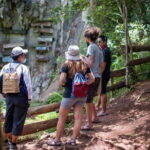
Sagada day is built around meeting the cliffside icons and then stepping into the living culture around them. After you arrive and meet your local guide, you head out on the hike toward the Hanging Coffins area and Echo Valley. Expect guided walking, viewpoint time, and learning as you go—this isn’t just a photo stop.
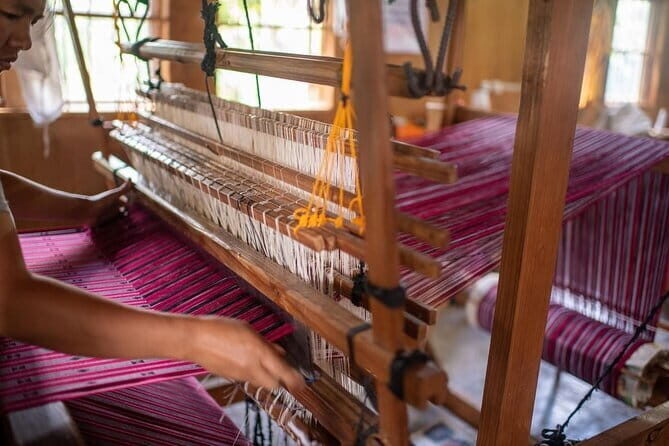
One of the most memorable parts is the chance to meet traditional women weavers. Even if you don’t buy anything, watching the process and hearing the context adds weight to the landscape. These terraced and mountainous regions aren’t “empty.” They’re places where craft and daily work share the same space as the tourist route.
Also, the tour highlights local food and drink options in Sagada—think Sagada-style dishes and Sagada coffee plus local craft brews. That matters because the day doesn’t feel like a grind of hikes and then a quick meal. You get chances to eat well and experience what people actually order and talk about in-town.
Possible consideration: this is still a day of active walking, not a slow stroll. If you’re not used to hiking steps on uneven ground, pace yourself early. Your legs will thank you.
Sumaguing Cave: Big Chambers, Short Time Feels Expensive
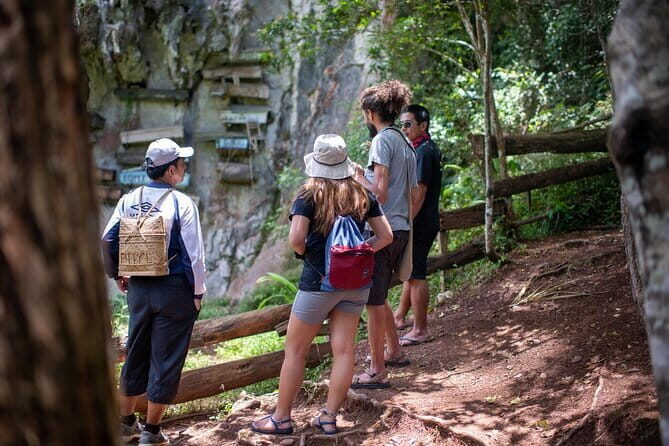
Sagada isn’t complete without Sumaguing Cave, and this tour sets aside time to explore its expansive chambers. Caves have their own rhythm: you move slower, pay attention to the ground, and suddenly the weather and noise outside feel far away.
I like how the cave stop balances the cliffside sites with something completely different. Hanging Coffins connect to ancestral beliefs tied to the mountains; a cave like Sumaguing brings you into the geology side of the story—cool air, dark chambers, and that physical sense of scale.
What to consider: caves usually mean more damp, more slippery footing, and less time for “wandering.” If you’re bringing shoes, prioritize traction and comfort over style. And pack layers, because temperature inside caves can feel very different from Sagada streets.
Day 3 From Sagada to Batad: Ifugao House Museum, Rice Trails, and Tappiya Falls
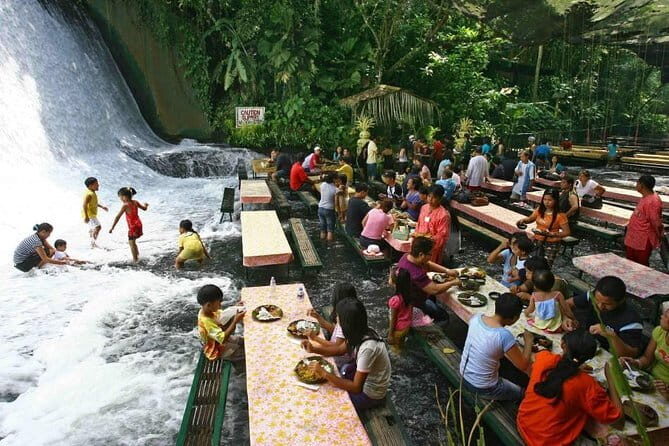
The day starts with a cultural hit at the Ifugao House Museum before you go into hike mode. This works well because it gives you a framework. Once you understand what you’re looking at—how the Ifugao home and traditions relate to the rice system—you’ll read the terraces differently.
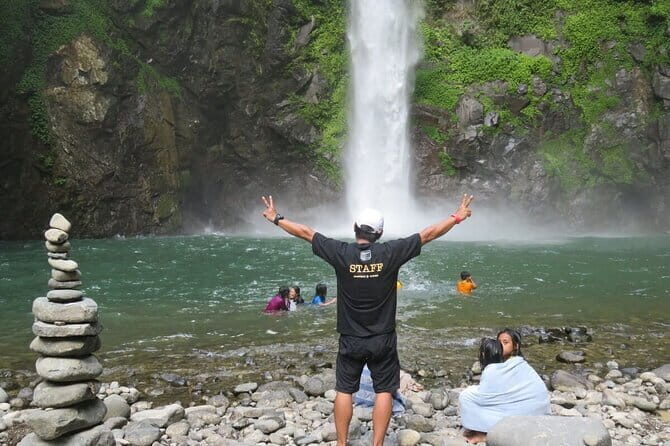
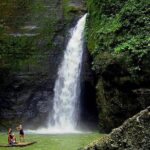
Then you check out of your Sagada guesthouse and head toward the trail to Batad. The walk to the trailhead is described as about 20 minutes, and then you hike to the Batad Rice Terraces area, with Tappiya Falls part of the pay-off.
Here’s why this day feels special: Batad’s terraces are famous because the views are dramatic, but the real value is the effort it takes to reach them. You’re not just viewing farming—you’re hiking through the same terrain that sustains it. Even if you only spend a short time at overlooks, the walk makes the rice steps feel earned.
The logistical trade-off: Day 3 is another full active day, and the included lunch matters. Eat it like you’ll need the energy later, because you will.

Day 4 to Banaue: Bangaan Village Hike, Jeepney Ride, and Rice Terraces Beyond the Main Stops
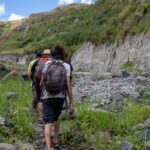
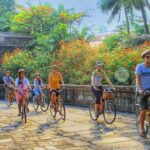
Day 4 is the long one. You begin with a hike of about 3 hours going to Bangaan Village, then you take a jeepney ride to Banaue before continuing travel back toward Manila.
This is the day where you feel the cumulative effort of the whole trip. By now, you know the rhythm: climb, pause for views, then move again. If you’re in good shape, it feels like momentum. If you’re not, this is where you’ll be tempted to rush. Don’t. The rice-country routes reward steady pacing.
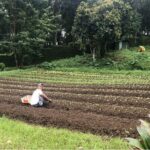
Once you’re in Banaue, you also get the Banaue Rice Terraces UNESCO World Heritage Site walking experience. The key point here is that these terraces are still being used as farmland. That’s a big difference from many UNESCO “look but don’t touch” sites. Here, the terraces function as agriculture and livelihood, which changes what “seeing” means.
You finish the day with the jeepney connection and the return trip back to Manila, ending at the same meeting point area.
Meals, Pace, and What to Pack for These Hikes
This tour includes breakfast on three mornings and lunch on two days (Days 3 and 4). Dinner and drinks are on you. I like this setup because it keeps the big meals predictable on your hardest walking days.
For pacing, the best advice is simple: don’t plan to win the hike. The tour’s “packed with so much to see, hear, learn, and hike to” feel is real, and it works only if you slow down enough to absorb it. If you charge ahead, you’ll miss the small moments—like learning from your guide or pausing for the view when the light hits.
What to bring:
- Comfortable hiking shoes with grip (especially for cave/wet areas)
- A light rain layer or wind layer (mountain weather can change fast)
- A small daypack for water, snacks (if you want extra), and layers
- Cash for dinner and drinks since they aren’t included
The Tour Style: Small Group, Big Learning, Real Terrain
The most praised aspect here is the guide experience. Zohan, also known as Marc, is highlighted for being a standout—quick with context, eager to share, and clearly invested in what the region means. That’s what turns a hike into a story you remember, not just a route you survived.
The small group size—max 10 travelers—also matters. You can ask questions without waiting forever, and the guide can adjust the pace if someone needs a break. You still get a full itinerary day by day, but the trip doesn’t feel like a factory line.
And yes, it’s physically demanding. The upside of that is you end up with that rare feeling: you traveled to the terraces and caves by moving through them, not just standing beside them.
Who This Sagada to Banaue Tour Is For (and Who It Isn’t)
This fits best if you:
- Want a hike-first experience rather than a lounge-and-sightseeing itinerary
- Enjoy learning from guides, especially about Indigenous Igorot and Ifugao culture
- Feel comfortable with moderate physical effort and uneven paths
- Like the idea of UNESCO terraces as working farmland, not only views
It’s not ideal if you:
- Want mostly flat sightseeing with lots of downtime
- Struggle with long travel days (Day 4 is extended, and the hike is about 3 hours)
- Need dinner and drinks included in the price
Should You Book This Tour?
I’d book it if your priority is an active, culture-connected Sagada-to-Banaue route that saves you from juggling transportation and finding the right trails on your own. The inclusion of night bus + accommodations + a guiding structure makes it easier to focus on the experience—cave, coffins, terraces, waterfalls, and village hiking—without constantly re-planning.
If you’re unsure, be honest about your fitness and your tolerance for overnight bus comfort. This is a “do stuff” trip. Bring the energy, pace yourself, and you’ll get a much richer sense of how these communities live.
FAQ
How long is the Sagada and Banaue Rice Terraces tour?
The tour runs for about 4 days.
Where does the tour start and what time?
The start point is Coda Lines Terminal (HM Transport Inc., Monte de Piedad corner Maryland, Cubao, Quezon City, Metro Manila). The start time is 7:00 pm.
What meals are included?
Breakfast is included for three days, and lunch is included for two days (Days 3 and 4). Dinner and drinks are not included.
What activities will I do in Sagada?
You’ll see the Hanging Coffins and Echo Valley, explore Sumaguing Cave, and you’ll have time with local culture such as traditional weavers. Sagada also includes local food options like Sagada coffee and local craft brews.
How much hiking is involved and what fitness level do I need?
The tour notes a moderate physical fitness level. You’ll hike on multiple days, including a hike of about 3 hours toward Bangaan Village.
What is the cancellation policy?
Free cancellation is available up to 24 hours in advance for a full refund. Canceling less than 24 hours before the experience start time won’t be refunded.