REVIEW · CEBU CITY
Cebu City Heritage with Uphill Tour
Book on GetYourGuide →Operated by Explore Cebu Tours · Bookable on GetYourGuide
If you like your sightseeing with a little effort, this one’s for you. This Cebu City Heritage with Uphill Tour strings together major landmarks with higher-ground viewpoints and local stories, all wrapped in a smooth 4-hour plan. I love the English-speaking live guide approach and the fact you’ll move through both historic streets and uphill viewpoints, not just one flat area. One thing to consider: there are real climbs and winding roads, so plan for heat, stairs, and some uphill walking.
What makes it feel worthwhile is the pacing and the “we’ll get you there, then we’ll talk” style. The guide time at each stop is built in (about 30 minutes at most sites), and the transport between locations is air-conditioned, which matters on a half-day tour. You’ll also hit big hitters like Magellan’s Cross and the Basilica Minore del Santo Niño de Cebu, plus viewpoints from hillier areas like Sirao Flower Farm. A bonus, if you’re tight on time: the tour includes skip-the-ticket-line entry where applicable.
I also like that communication is straightforward. Pickup happens from Cebu City or Mandaue City, and the tour uses WhatsApp for real-time coordination, including signage at pickup. If you dislike group tours with scheduled stops, you may feel a bit “on the clock,” even though you’re given time at each location.
In This Review
- Key things to know before you go
- Why this uphill heritage route is a good use of limited time
- Pickup, van rides, and how to avoid the usual tour headaches
- Magellan’s Cross: the photo stop that sets the tone
- Basilica Minore del Santo Niño de Cebu: faith, art, and the reason people come
- Yap-SanDiego Ancestral House: where history becomes personal
- Fort San Pedro: the photo stop that shows the city’s earlier defenses
- Heritage of Cebu Monument and Taoist Temple: stories in two spiritual languages
- Temple of Leah: a sightseeing hour with big visual payoff
- Sirao Flower Farm: why it becomes the favorite stop
- The value question: is $66 a good deal?
- Group size, pacing, and what the tour feels like on the ground
- Tips that make the uphill day much more comfortable
- Who should book this uphill heritage tour?
- Should you book the Cebu City Heritage with Uphill Tour?
- FAQ
- How long is the Cebu City Heritage with Uphill Tour?
- Where does pickup happen?
- Is there an English tour guide?
- What’s included in the price?
- Do I need to buy tickets separately?
- Is bottled water provided?
- What’s the cancellation policy?
Key things to know before you go

- Real uphill route: expect climbing roads and some walking at higher points, not a flat “drive and snap” loop
- Guided at the important stops: most major sites include a guided visit around 30 minutes each
- English guide plus optional audio: you can stick with your guide or use the audio guide if you prefer
- Comfort between stops: air-conditioned van rides help you recharge before the next site
- Sirao Flower Farm is a standout: it’s repeatedly cited as a favorite stop
Why this uphill heritage route is a good use of limited time
Cebu City can feel like a lot at once—churches, old forts, family homes, and temples—all packed into one place. This tour works because it doesn’t treat those sites as random checkboxes. It gives you a chain: start with the earliest big landmark, then connect it to the city’s colonial past, then climb toward the viewpoints and spiritual sites that sit higher up.
The uphill part matters. On the flat, you see streets. Up the hill, you start to understand Cebu’s layout—how neighborhoods rise, where the sea shows up in distance, and why people built certain structures where they did. You also get variety in what you’re looking at: stone heritage at street level, then city-and-beyond perspectives higher on the route.
And yes, you’re going to feel the effort. This isn’t a “sit back the whole time” tour. But if you’re okay with that tradeoff, you’ll end up with photos that look like you did more than just ride in a van.
You can also read our reviews of more city tours in Cebu City

Pickup, van rides, and how to avoid the usual tour headaches
You get two pickup options: Cebu City and Mandaue City. That helps because you’re not forced into one meeting point across the whole metro area. You’ll ride in an air-conditioned van between stops, with travel segments roughly around 30 minutes in the plan.
My practical advice: show up early. You’re told to be at the lobby about 10 minutes before your assigned pickup time so the day doesn’t start late. The tour guide will bring signage, and you’ll get pickup instructions through WhatsApp after you send a message.
A small detail, but it can save stress: have WhatsApp installed and ready on your phone. The tour explicitly notes it’s better communication for the day.
Magellan’s Cross: the photo stop that sets the tone
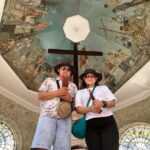
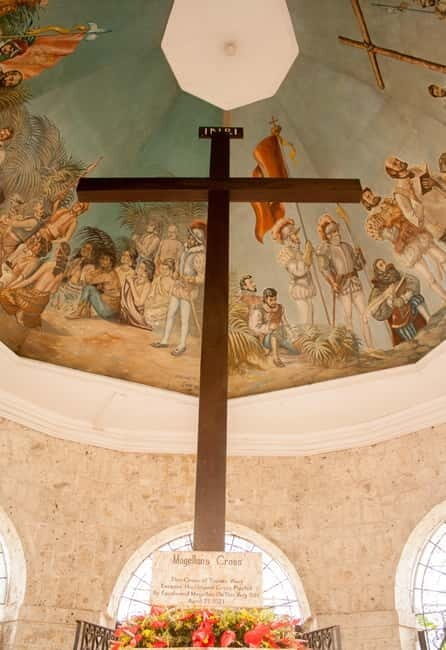
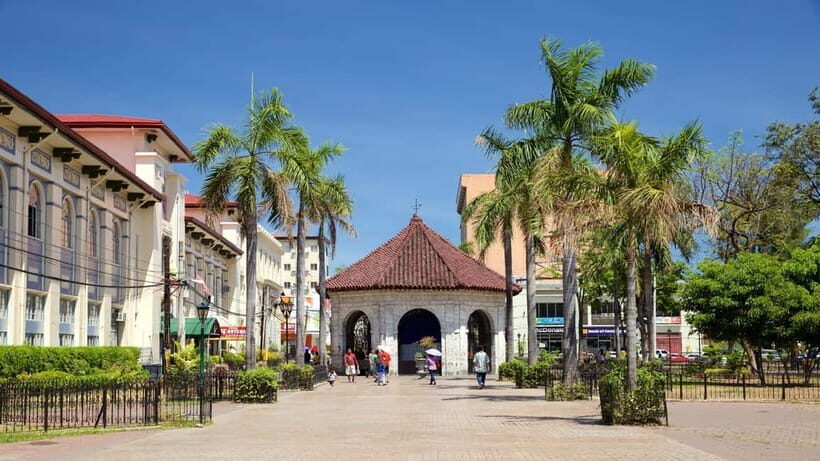
Your first major historic stop is Magellan’s Cross. You get a guided visit for about 30 minutes. This is a smart first stop because it gives context fast: you start with a landmark that anchors Cebu’s European history story.
It’s also an easy entry point for first-time visitors. If you’re not sure what you’re looking at, a guide can explain what makes it important and how it connects to later sites. This matters because some of Cebu’s heritage points can feel symbolic rather than “obvious” if you only look at them quickly.
The only drawback here is the standard one for famous sites: crowds and time pressure can happen. The plan helps by building in a guided block, so you’re not left rushing through alone.
Basilica Minore del Santo Niño de Cebu: faith, art, and the reason people come
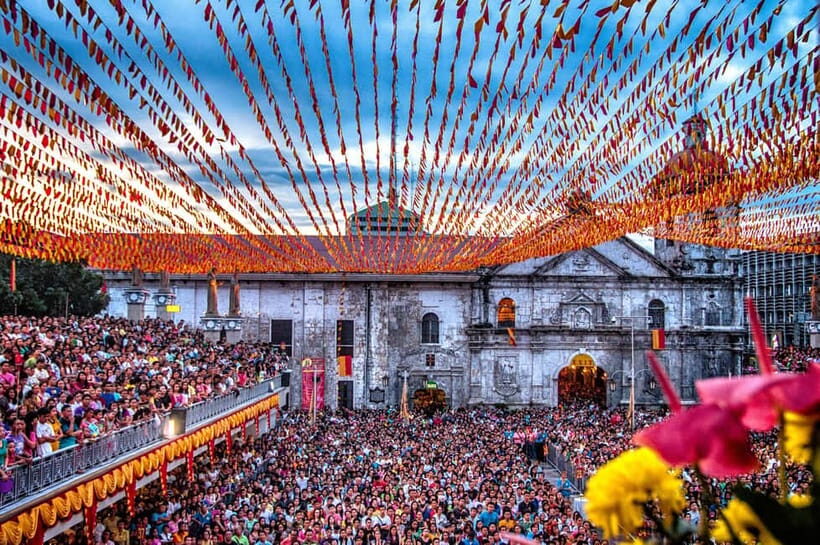
Next is Basilica Minore del Santo Niño de Cebu, again with guided time around 30 minutes. This is one of those places where the story isn’t just about the building. It’s about why people visit and how the site carries religious and cultural meaning across generations.
From a visitor value standpoint, it’s a good use of guided time. A live guide can point out details you might miss, and they can connect it back to Magellan’s Cross so the day feels like a timeline, not a random list.
If you prefer quiet, go in with the understanding that this is a working religious site. Plan to dress respectfully and to keep your pace steady inside.
Yap-SanDiego Ancestral House: where history becomes personal
Then you head to Yap-SanDiego Ancestral House for another guided stop around 30 minutes. An ancestral house style stop changes the feel of the day. Instead of only monumental landmarks, you start seeing the city through family life and domestic architecture.
This kind of visit is great for understanding how heritage is shaped by everyday people—not just big events. Even with limited time, a guided 30-minute visit can help you connect the dots between the colonial-era sites and the local families who lived through those changing periods.
The main consideration: interior spaces can feel warm and busy. Go slow, listen to the guide, and use your time for photos only when they don’t interrupt the flow.
You can also read our reviews of more historical tours in Cebu City



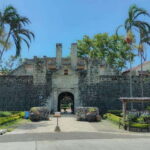
Fort San Pedro: the photo stop that shows the city’s earlier defenses
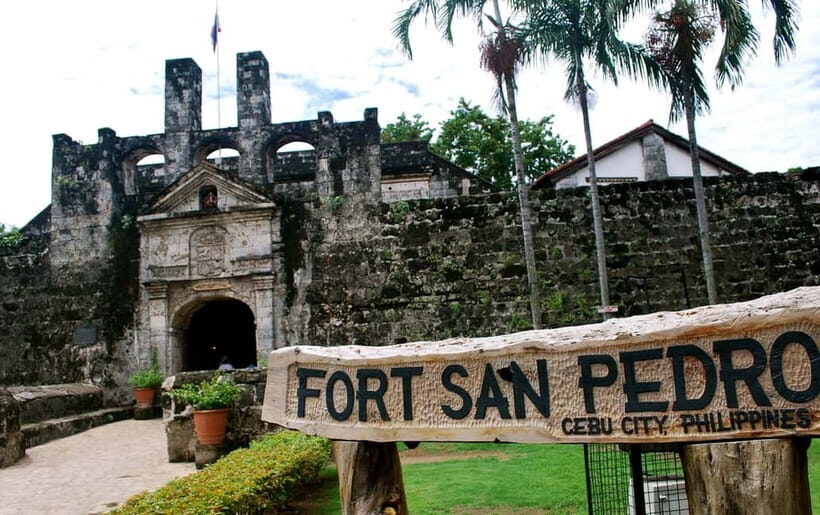
At Fort San Pedro, you get a photo stop for about 30 minutes. Unlike the guided visits earlier, this one is more about seeing and framing than sitting through a structured talk.
That’s not a bad thing. Forts are easier to “read” with your own eyes. You can walk the area at your own speed, take exterior photos, and look for angles that show its role in guarding earlier parts of the city.
If you’re a photo person, you’ll like this stop. If you’re a “tell me every detail” person, you might wish there was more narrated time here. The tour’s setup seems to balance that by giving guided time at the other heritage anchors.
Heritage of Cebu Monument and Taoist Temple: stories in two spiritual languages
After the fort, the route turns toward two more culture-heavy stops: Heritage of Cebu Monument and Taoist Temple.
At the Heritage of Cebu Monument, you get guided time (around 30 minutes). Monuments can be tricky without context. A guide helps you interpret what the monument represents and how it fits into Cebu’s identity.
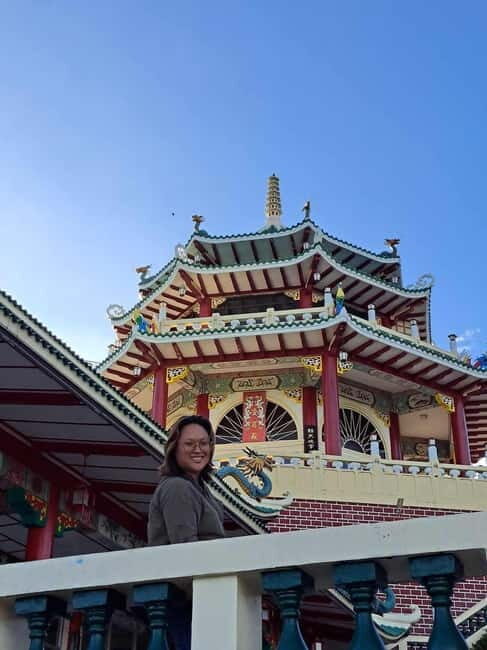
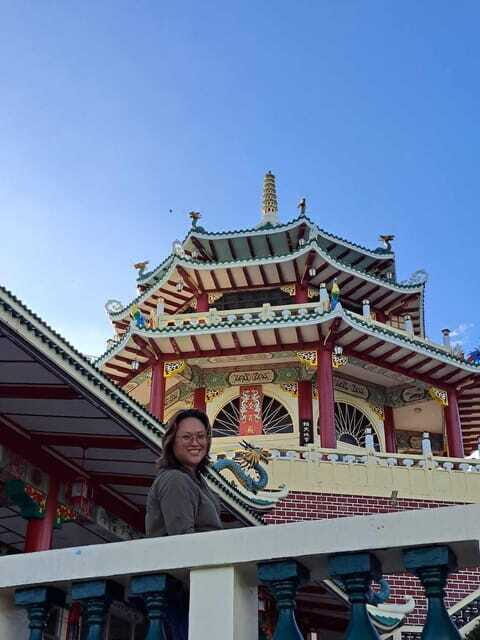
Then comes Taoist Temple, also with guided time around 30 minutes. This is a different spiritual atmosphere than the churches you visited earlier. It gives you contrast, and that contrast is the point of the day. You start to see Cebu as a city shaped by multiple faiths and communities, not one single tradition.
Practical note: temples often mean you’ll be walking a bit and adjusting your pace to respect the space. Wear comfortable shoes. You’re doing several stops with uphill road segments and short walking bursts.
Temple of Leah: a sightseeing hour with big visual payoff
Next is Temple of Leah for sightseeing time around 30 minutes. This stop is less about guided storytelling and more about you looking, moving, and taking in the views from the higher ground.
Even if you don’t know the background before you arrive, the structure of the day helps. You’ve been building a sense of Cebu’s history and faith landmarks, and now you’re allowed to simply enjoy the setting.
The possible drawback is that if you’re chasing only the deepest historical explanations, you may feel this stop is lighter. But as a viewpoint and a change of pace, it’s a strong mid-to-late day moment.
Sirao Flower Farm: why it becomes the favorite stop
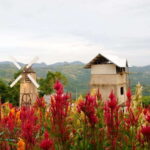
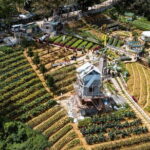
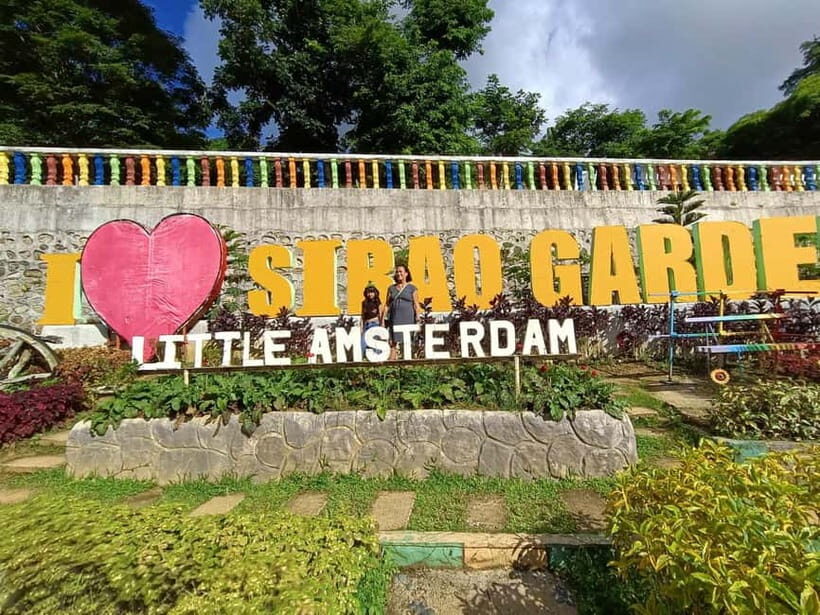
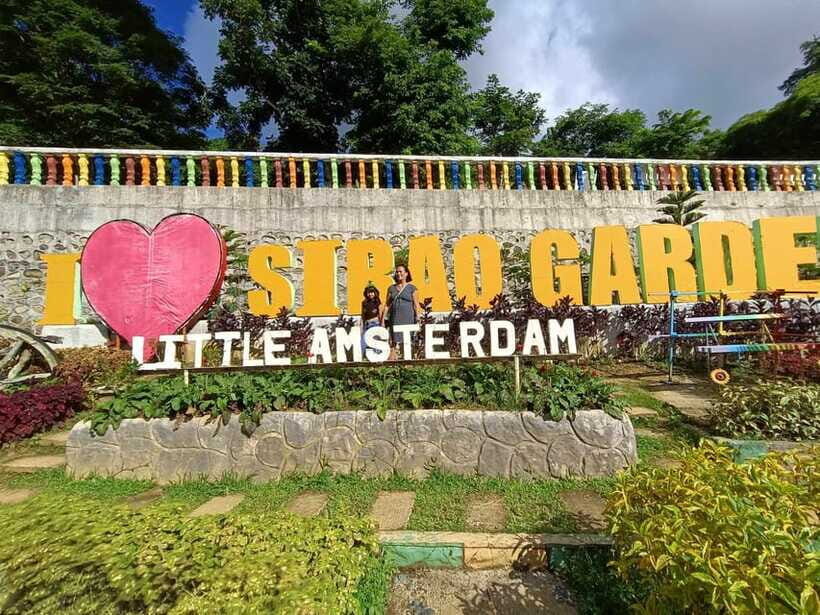
The day’s hilltop highlight is Sirao Flower Farm. You get sightseeing time for about 30 minutes.
This is repeatedly praised as a favorite part of the tour, and I get why. In a half-day schedule full of heritage sites, a flower farm break adds softness: a slower-feeling stop with open-air views and a chance to breathe between crowded buildings and stone monuments.
If your camera roll needs variety, this is where it happens. You’ll be higher up, and that positioning is key for photo perspectives. You also get a change from “history buildings” to scenery.
My only caution: because it’s a hillier stop, bring sun protection if you’re visiting on a bright day. And keep your energy for the ride back in the van.
The value question: is $66 a good deal?
At $66 per person for a 4-hour experience, you’re paying for a compact route with multiple guided stops plus logistics handled. On paper, the price looks moderate. In practice, it makes sense if you want three things at once: transportation, English guidance, and paid entry/fees.
Here’s what’s included:
- Air-conditioned transportation
- Professional tour guide
- Applicable entrances and fees
- Bottled water
- A Cebu souvenir
- Skip-the-ticket-line (where available)
And what’s not included:
- Anything not mentioned
- Personal expenses
So the “value” depends on you. If you’d otherwise spend time figuring out routes, buying tickets, and coordinating transport between far-apart stops, this price becomes easier to justify. If you already know your schedule and you plan to self-drive or DIY, the main savings might not be as obvious.
But if you’re traveling solo, short on time, or you want interpretation in English at multiple stops, this is the kind of half-day that can feel like a bargain.
Group size, pacing, and what the tour feels like on the ground
This is described as a tour with private group availability, and you’re also given a structured sequence of stops. That usually means a calmer experience than a giant open-ended group, especially when you’re dealing with uphill roads and multiple transfer points.
In terms of pacing, most stops are allocated around 30 minutes. That’s a reasonable amount of time to hear the basics, see key parts, and still get photos. One review detail worth taking seriously: the guide experience and the driver experience are praised, and pacing that lets you take your time matters.
One guide name that comes up is Ryan, noted for being very informative and pointing out history along the way. If you end up with a guide in that style, you’ll likely get more meaning out of each location than you would on a self-guided route.
Tips that make the uphill day much more comfortable
You can’t completely remove the uphill factor, but you can manage it.
- Wear comfortable shoes with traction. Short walks at temples and heritage sites add up.
- Bring a small layer for AC air on the van rides, then prepare for warmer outdoor temps when you’re back outside.
- Keep your phone charged and WhatsApp ready for pickup updates.
- Plan your photos around the 30-minute blocks. If you wait until the end, you’ll rush the last shots.
Also, don’t ignore the fact that you have multiple guided stops. It helps to listen first, then photograph second. You’ll capture better angles because you’ll know what you’re actually looking at.
Who should book this uphill heritage tour?
I think this tour is especially good for:
- First-time visitors who want the key Cebu City heritage anchors plus hilltop viewpoints
- People who like guided context but still want time to look and photograph
- Travelers who want a managed half-day with transportation included
- Those who prefer English guidance for history and cultural meaning
If you hate uphill walking, or if you need a fully flat, low-step plan, you might feel uncomfortable. This tour is designed around hillside access and winding roads. You’ll get more from it if you’re physically comfortable with some stairs and slopes.
Should you book the Cebu City Heritage with Uphill Tour?
If your goal is a fast, well-organized taste of Cebu City’s heritage plus higher-ground views, I’d say yes, especially for the $66 price point with guide, entries, and air-conditioned transport bundled in. The itinerary structure supports a timeline of major landmarks, then shifts to scenery at Sirao Flower Farm, which is repeatedly the favorite stop.
Book it if you’re okay with a few steeper moments and you want interpretation in English at multiple sites. Skip it if you’re looking for a mostly flat tour with minimal walking, or if you’d rather spend a full day at fewer places without a timed route.
FAQ
How long is the Cebu City Heritage with Uphill Tour?
The duration is listed as 4 hours. Starting times vary, so you’ll need to check availability for the exact time options.
Where does pickup happen?
Pickup is available from either Cebu City or Mandaue City.
Is there an English tour guide?
Yes. The live tour guide is English. There’s also an optional audio guide in English.
What’s included in the price?
The price includes air-conditioned transportation, a professional tour guide, applicable entrances and fees, bottled water, and a Cebu souvenir.
Do I need to buy tickets separately?
The tour includes skip-the-ticket line, so you’re not handling entry tickets on your own for the included stops where that applies.
Is bottled water provided?
Yes. Bottled water is included.
What’s the cancellation policy?
Free cancellation is available up to 24 hours in advance for a full refund.