REVIEW · CEBU
Cebu Traditional Bamboo Cooking
Book on Viator →Operated by Lorelie kalalang ledesma · Bookable on Viator
Cebu’s bamboo cooking feels like turning back time. You learn how to cook Filipino favorites using charcoal heat and a bamboo vessel for that unmistakable smoky flavor, right in front of a beach. I love the hands-on pace of chopping, seasoning, and cooking with your tools and apron on, and I also love that you can cool off with a swim while the food cooks. One heads-up: this experience depends on good weather, and if it’s canceled for weather you’ll need to choose a new date or get a full refund.
The class takes about 4 hours at Hadsan Cove Resort in Marigondon, Lapu-Lapu City, and it’s set up so you’re not just watching. You’ll start with a short intro to Filipino cooking history, prep spices and herbs, and even work on a fruit-based dessert while the main food cooks over charcoal. The main drawback is logistics: private transportation isn’t included, and the activity has a minimum of 2 people, so solo plans may be tricky.
I also like that you leave with more than a meal. After the cooking session, you’ll get an email with photos from the day plus the recipes, so you can recreate the dishes at home without guessing. And if you’re coming in specifically for the bamboo cooking, plan ahead—this requires 3 days notice so the bamboo can be ordered.
In This Review
- Key things to know before you go
- Bamboo Cooking in Cebu: Why the Smoke Matters
- Hadsan Cove Resort Beach Setup and How the Session Feels
- The Cooking Lineup: Chicken, Shrimp, Fish, and the “Everything Else” You’ll Eat
- Step-by-Step Flow: From Spices to Charcoal Smoke
- Tasting the Results: When Your Bamboo-Cooked Food Hits the Plate
- The Recipe Email: Why You’ll Actually Use This After
- Price and Value: Is $109.99 a Good Deal?
- Group Size, Privacy, and Who This Suits Best
- Practical Tips Before You Book
- Should You Book Cebu Traditional Bamboo Cooking?
- FAQ
- How long is the Cebu Traditional Bamboo Cooking class?
- Where does the cooking class take place?
- Is pickup offered?
- Is this a private experience?
- What will I cook during the class?
- What’s included with lunch?
- Are cooking tools and ingredients provided?
- Do I need private transportation?
- What’s the minimum number of people required?
- What happens if weather is poor?
Key things to know before you go
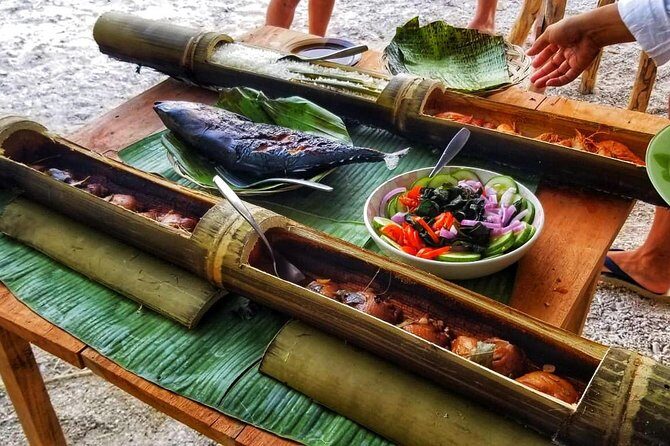
- Smoky bamboo cooking: the food cooks in bamboo over charcoal, for a flavor you can’t get from metal cookware.
- Beach time while you wait: you can swim in the water while your food is cooking.
- You cook 3 traditional dishes: built around chicken, shrimp, and fish, plus rice, salad, and local dessert.
- Lunch is part of the experience: you’ll eat what you cook, plus fruit and drinks of your choice.
- Recipes follow after class: an email arrives with photos and the recipes.
- Minimum group size and bamboo lead time: minimum 2 people, and you need 3 days notice for bamboo to be arranged.
Bamboo Cooking in Cebu: Why the Smoke Matters
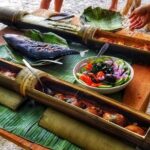
Bamboo cooking isn’t just a gimmick. The whole point is the heat and smoke working together with the cooking vessel. When food cooks inside bamboo on charcoal, the flavor picks up a distinct smoky character that you just don’t get with pots and pans made for everyday kitchens.
That difference shows up when you taste. You’ll be eating dishes you prepared yourself, but the standout is the cooking method. Even if you’re a confident cook at home, this is one of those techniques that changes the way a dish tastes, not just how it looks on a plate.
You can also read our reviews of more tours and experiences in Cebu.

Hadsan Cove Resort Beach Setup and How the Session Feels
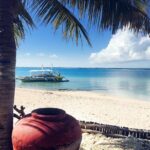
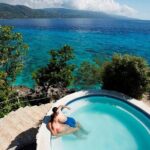
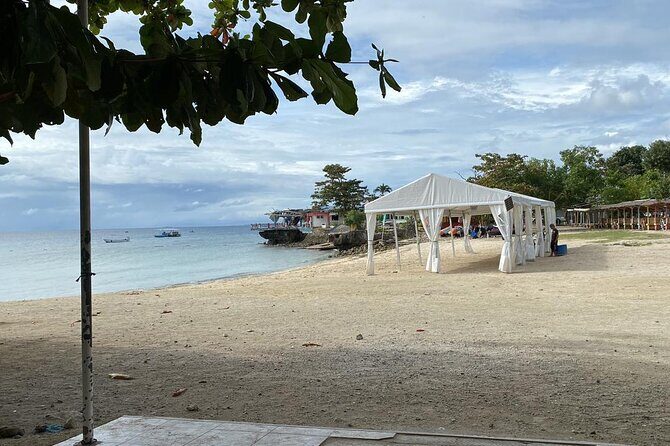
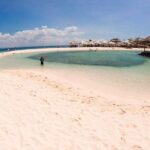
The cooking class happens at Hadsan Cove Resort in Marigondon, Lapu-Lapu City, with the beach right there during the session. That matters because the waiting time isn’t wasted. When your food is on charcoal, you’re not stuck indoors or pacing around. You can take a refreshing dip and cool off while you wait for the bamboo-cooked food to finish.
The experience is also designed to be flexible with your timing. There’s a rhythm to how it flows: prep work happens first, then you shift into a waiting phase while dessert gets made and the main dishes cook. Having the beach as your backdrop keeps that waiting phase from feeling like downtime.
The Cooking Lineup: Chicken, Shrimp, Fish, and the “Everything Else” You’ll Eat
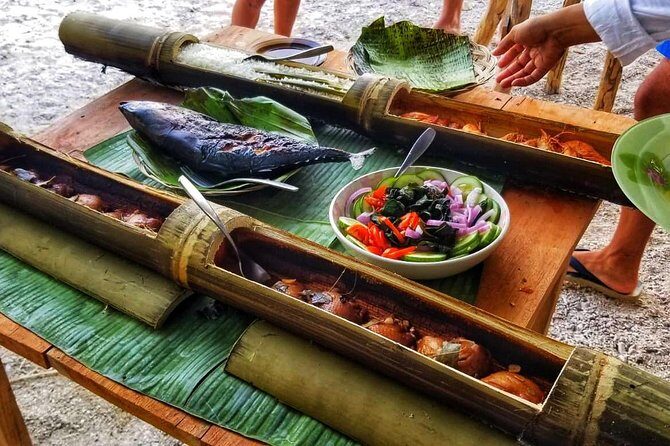
You’ll learn to cook multiple Filipino staples as part of a single 4-hour lesson. The core dishes focus on ingredients people expect in Cebuese and Visayan cooking: chicken, shrimp, and fish. In addition, you’ll handle sides and extras that round out a proper meal, not just one heavy main.
Here’s what you should plan to cook and eat during the class:
- Native Filipino garden salad (a fresh counterpoint to smoky, cooked dishes)
- Hanging rice (a steamed rice style that ties into the overall traditional cooking theme)
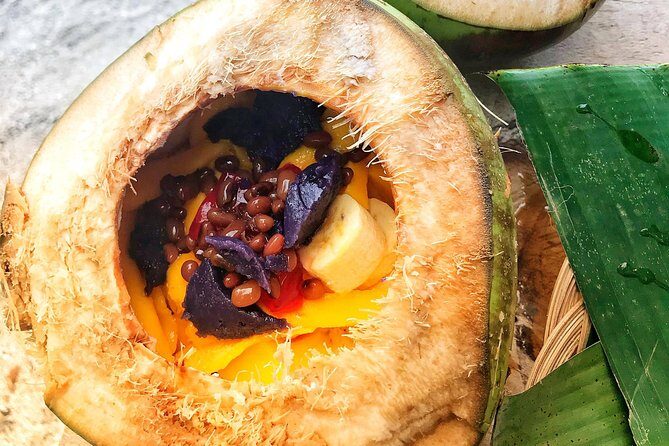
- Local dessert made from seasonal fruits (prepared during the waiting time while charcoal does the cooking)
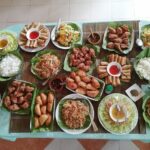
Then lunch ties it together. The included meal covers two drinks of your choice (beer, soda, or lemongrass tea), plus main-course servings described as three items that include chicken, pork, and seafood, along with native salads, steamed rice, and fruit. If you’re a seafood person, this is the kind of class that keeps you eating throughout rather than treating seafood as an optional add-on.
Step-by-Step Flow: From Spices to Charcoal Smoke
The class starts with a short introduction to Filipino cooking history. This isn’t meant to be a lecture you’d tune out. It’s a setup for what you’re about to do, and why bamboo cooking exists in the first place. The idea is survival cooking: when cookware wasn’t invented yet, people relied on what nature and local materials offered.
After that, you move into practical prep:
- You’ll prepare spices and herbs for the dishes.
- You’ll get set up with the cooking tools, plus aprons and hairnets.
- You’ll also spend time preparing dessert while the food cooks over charcoal.
A key detail I like in this format is the split attention. While the bamboo dishes are cooking, you’re not standing around. You’re learning a second component of the meal—dessert—so the session stays active until it’s time to eat.
Tasting the Results: When Your Bamboo-Cooked Food Hits the Plate
Once the food is cooked, you’ll eat what you made. This is one of those experiences where tasting doesn’t feel like an afterthought. You’ve spent the time seasoning and prepping, and then you see how the final smoky flavor lands.
A big part of the appeal is that you’re tasting a method you can’t easily replicate with your usual kitchen setup. You might have spices at home, but the bamboo vessel and charcoal process are the magic. If you’re hoping for something more memorable than a normal cooking class, this is where it pays off.

The Recipe Email: Why You’ll Actually Use This After
A lot of cooking classes hand you a vague memory and send you home. This one takes it a step further: after the session, you’ll receive an email with photos from the day and the recipes. That’s valuable for two reasons.
First, it gives you a reference point. When a dish has a smoky component and a specific spice blend, it’s easy to remember the “idea” but forget the exact mix. The recipe helps you rebuild the flavors correctly.
Second, it turns the class into something you can repeat. If you want to cook these dishes for friends, you’ll have a starting framework right away instead of waiting until you can find ingredients and then guessing proportions.
Price and Value: Is $109.99 a Good Deal?
At $109.99 per person for a roughly 4-hour private-style cooking class, you’re paying for more than a meal. You’re paying for a full, guided cooking session that includes:
- cooking instruction and prep time
- cooking tools, aprons, and hairnets
- bamboo cooking materials (including the bamboo shell for cooking)
- lunch with multiple courses
- two drinks of your choice
- photos and recipes sent after the class
- pickup offered (depending on your meeting area)
What makes it feel like decent value is the combination of components. Many tours charge for the activity, but don’t include the full “eat what you cooked” moment. Here, lunch is built into the experience. You’re also not bringing your own basic gear, and the bamboo method is a real, specific skill.
The one place you should be realistic: private transportation isn’t included. If you’re far from the meeting point or you’d rather not deal with local transit, you’ll want to factor that into your overall plan. Pickup is offered, but it may not cover every situation if your location is outside the standard pickup area.
Group Size, Privacy, and Who This Suits Best
This is a private tour/activity, meaning only your group participates. That can be a big deal if you’re traveling with a small crew and you want a more personal pace rather than sharing instruction with strangers.
There’s also a minimum of 2 people. So if you’re a solo traveler, you may need to coordinate with someone else or check whether the operator can match you with another booking.
This tour is a strong fit if you:
- want a cooking class that tastes like something you can’t fake at home
- like learning through doing, with active prep and cooking steps
- enjoy beach time and don’t mind waiting while food cooks over charcoal
- care about taking something practical home (recipes and photos)
It might not be your best choice if you’re strongly dependent on air-conditioned indoor settings for comfort, because part of the experience includes a beach location and open-air cooking.
Practical Tips Before You Book
Plan around three practical realities and the day will feel smooth.
First, plan for the weather. The activity requires good weather, and poor weather can lead to a different date or a full refund.
Second, give time for bamboo. You’ll need 3 days notice so the necessary bamboo can be ordered. If you’re booking late, you might run into scheduling limits.
Third, think about how you’ll get there. The meeting point is at Agus, Gamay, The Beach Park-Hadsan, Lapu-Lapu City, 6015 Cebu. Pickup is offered, but private transportation isn’t included, so confirm what pickup covers based on your hotel area.
Should You Book Cebu Traditional Bamboo Cooking?
Yes—if you want a hands-on Filipino cooking class with a real technique behind it, this is worth booking. The biggest reasons are the bamboo + charcoal method (the smoky flavor is the star), plus the beach setting that makes the waiting time enjoyable, not annoying.
I’d book it especially if you like the idea of cooking, eating immediately, and getting recipes emailed after so you can repeat the experience at home. Just make sure your schedule allows for the 3-day bamboo notice and that you’re choosing a date with decent weather in the forecast.
If you’re trying to keep things super budget-tight, note that you’re paying a solid per-person rate for instruction, gear, and a full meal. But if that kind of all-in experience fits how you like to travel, this one checks the right boxes.
FAQ
How long is the Cebu Traditional Bamboo Cooking class?
It runs for about 4 hours.
Where does the cooking class take place?
It’s held at Hadsan Cove Resort in Marigondon, Lapu-Lapu City, Cebu, Philippines. The meeting point is Agus, Gamay, The Beach Park-Hadsan, Lapu-Lapu City, 6015 Cebu.
Is pickup offered?
Yes, pickup is offered.
Is this a private experience?
Yes. Only your group participates.
What will I cook during the class?
You’ll learn to cook 3 traditional Filipino dishes featuring chicken, shrimp, and fish, plus a native Filipino garden salad, hanging rice, and a local dessert made from seasonal fruits.
What’s included with lunch?
Lunch includes two drinks of your choice (beer, soda, or lemongrass tea), main courses (chicken, pork, and seafood), native Filipino salads, steamed rice, and fruit.
Are cooking tools and ingredients provided?
Yes. Cooking tools, aprons, hairnets, ingredients, and the bamboo shell for cooking are included.
Do I need private transportation?
Private transportation is not included. You’ll use the meeting point location and any pickup that’s offered.
What’s the minimum number of people required?
The activity requires a minimum of 2 people.
What happens if weather is poor?
The experience requires good weather. If it’s canceled due to poor weather, you’ll be offered a different date or a full refund.