REVIEW · CEBU
BEST OF CEBU: Cebu City Heritage Tour Shared-Joiners
Book on Viator →Operated by Explore Cebu Tours & Travel · Bookable on Viator
Cebu history is easier when you have a plan. This Best of Cebu City Heritage Tour strings together Cebu’s most important landmarks in a small shared joiners group, so you get both structure and a chance to meet people along the way. Two things I particularly like: you cover major sites without feeling rushed, and the tour includes an air-conditioned vehicle plus the fees that usually pop up at the counter. One thing to consider is that you’ll need to follow the rule about proper attire for church areas, and you may not be allowed to go inside.
The stops are a smart mix of early Spanish-era history, a key marker of Christianity, and Chinese-influenced spirituality, all within about 3 to 4 hours. I also like that the itinerary includes entrance for a couple of the heritage sites, while other key monuments are free to visit, so you get good value for the time. The possible drawback: lunch is not included, so you’ll want to plan food before or after, especially if your tour ends when restaurants are busy.
In This Review
- Key takeaways before you go
- Shared-Joiner Mode: How the Small Group Changes the Day
- Basilica del Santo Niño: The Start Point and the Dress-Code Reality
- Magellan’s Cross: A 15-Minute Stop That Packs Big Meaning
- Yap-San Diego Ancestral House: The Heritage-House Moment
- Heritage of Cebu Monument in Parian: A Stop for Stories and Scale
- Fort San Pedro: Old Walls, Spanish-Era Perspective
- Taoist Temple: Chinese-Inspired Spiritual Architecture in Cebu City
- Timing, Pickup, and the AC Ride That Saves Your Energy
- Price and Value: What $49 Really Covers
- The Guide Factor: When the Explanations Land
- Who This Tour Suits Best
- Should You Book This Cebu City Heritage Joiners Tour?
Key takeaways before you go
- Shared joiner format (up to 15 people): small-group energy, not a private-car experience.
- Air-conditioned vehicle + fees covered: parking and facility-related charges are included.
- Free entry at most stops: you can spend time looking instead of paying for tickets at every corner.
- Church attire matters: plan modest clothing because going inside church areas is not allowed.
- A mix of cultures: Spanish colonial landmarks, Portuguese-era symbolism, and a Taoist temple stop.
Shared-Joiner Mode: How the Small Group Changes the Day
A joiners tour is the sweet spot if you want structure but don’t want the price tag of a private guide. With a maximum of 15 travelers, you still get guided attention and a clear route, while the shared format makes it easier to chat during transitions. That matters in Cebu City, where hopping between neighborhoods can eat time fast.
You also get an easy social advantage: even if you travel solo, you’re not stuck in your own head the whole time. People naturally compare notes at each stop, then you move on together by foot and in the vehicle. If you’re the kind of traveler who likes hearing how other people plan their days, this format is built for you.
There’s one practical consideration. Because the tour is shared, the vibe won’t be perfectly quiet and personal. It’s more like a friendly group walk with a guide than a silent museum outing.
You can also read our reviews of more city tours in Cebu



Basilica del Santo Niño: The Start Point and the Dress-Code Reality
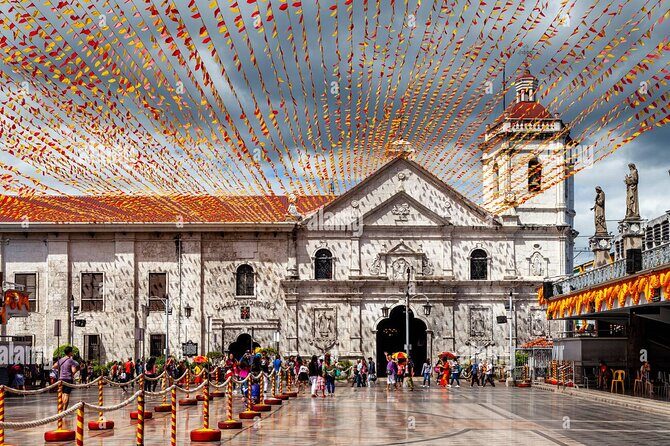
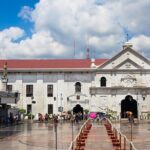
Your first major stop is Basilica del Santo Niño, tied to the Child Jesus (Sto. Niño de Cebu), which is widely regarded as the oldest religious artifact in the country. Even if you’re not deeply religious, the place is historically important and visually distinctive. It’s the kind of stop where you’ll hear the story behind why Cebu is what it is.
Plan for timing and rules. This stop is set aside for about 30 minutes, and the ticket here is free. But the key instruction you should not ignore: proper attire is required, and you’re not allowed to go inside the church. That means you should dress modestly and be ready to view what you can from the permitted areas.
What I like about starting here is pacing. You begin with the most iconic spiritual marker, then the tour quickly moves into other symbols and heritage layers. It gives you context right away, before the history becomes a lot more detailed.
Practical tip: if you’re wearing shorts or anything too revealing, change before you get there. In warm Cebu weather, light and modest clothing keeps you comfortable while still following the rule.
Magellan’s Cross: A 15-Minute Stop That Packs Big Meaning
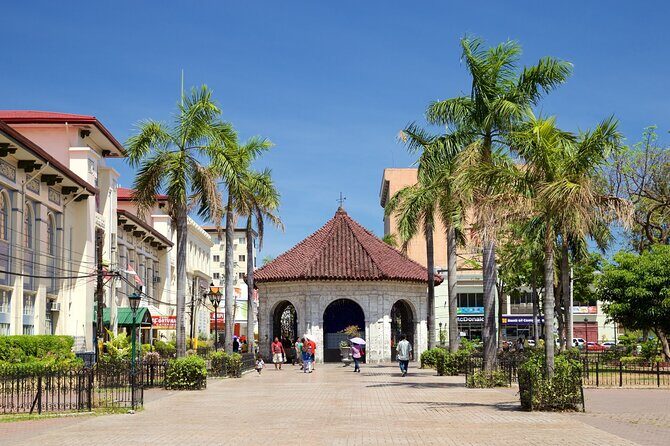
Next up is Magellan’s Cross, an important historic symbol in Cebu City. It’s tied to Ferdinand Magellan, who planted the cross in 1521, marking the arrival of Christianity to the archipelago. This stop is brief (about 15 minutes), but it’s powerful because it’s not just a photo spot. The story helps you connect earlier European presence to Cebu’s later Spanish-era identity.
The ticket here is also free, so you’re not balancing waiting lines or costs. You’ll typically have enough time to take photos, read the explanation in your own way, and ask your guide what to watch for.
The main drawback of a short stop is simple: if you love slow travel and hate moving on quickly, 15 minutes can feel tight. But for most people, it’s a good reset between heavier heritage sites.
Yap-San Diego Ancestral House: The Heritage-House Moment
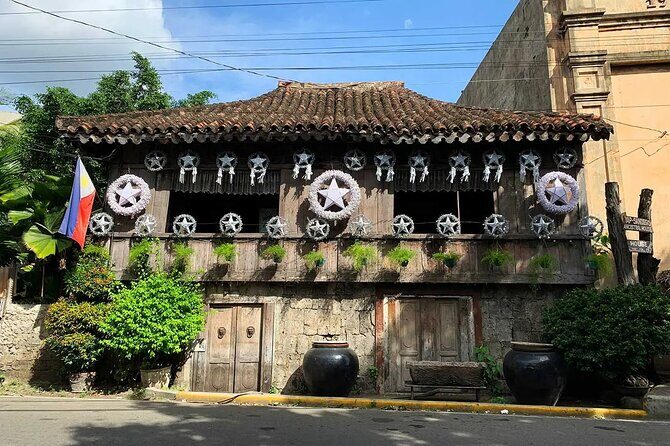
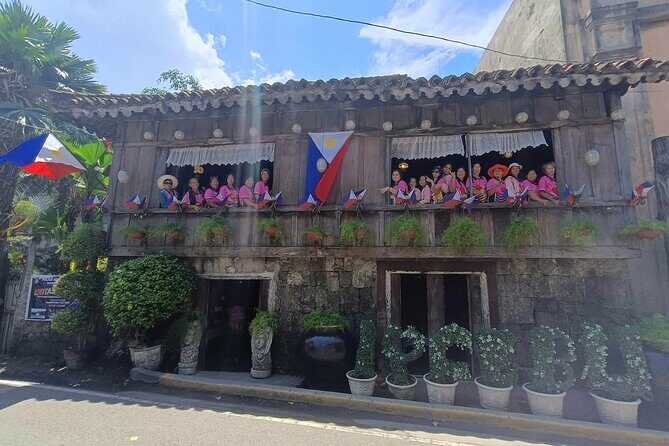
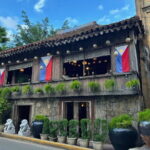
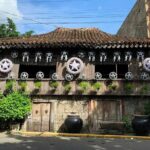
Then you’ll visit the Yap-San Diego Ancestral House, a late 17th-century heritage home in Cebu City. This is where the tour shifts from monument history to living architecture and local family legacy. The vibe here is different: you’re looking at how people built, lived, and expressed status through home design.
This stop runs about 30 minutes, and the admission ticket is included. That’s a real value point. One of the annoying things about self-guided heritage tours is the constant ticket checking. Here, the entrance fee is handled, so you can just focus on walking, reading, and noticing design details.
What to watch for: even without getting technical, a heritage house teaches you how “Cebu identity” formed over time. It also gives you a break from outdoor sunlight if you find parts of the property shaded.
A note to keep your expectations realistic: ancestral houses tend to feel more explanatory than dramatic, so go in ready to observe and learn, not just snap pictures.
Heritage of Cebu Monument in Parian: A Stop for Stories and Scale
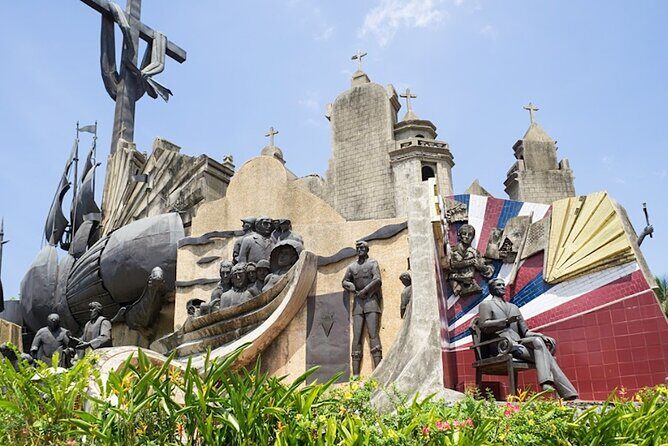
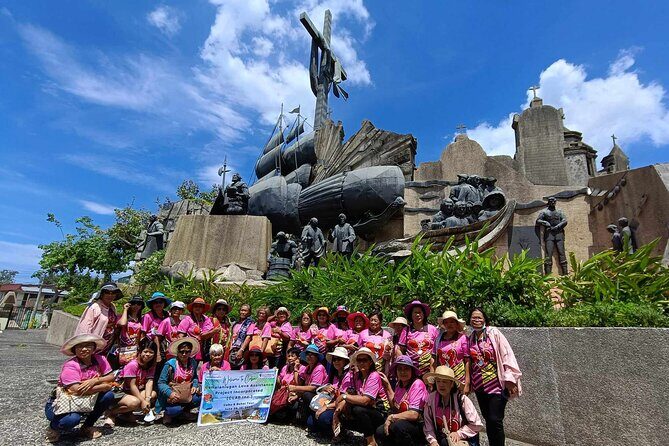
After that, you’ll stop at the Heritage Of Cebu Monument in Parian, designed by artist Eduardo Castrillo. It’s about events and people that shaped the city, and monuments like this are a quick way to get the “what mattered here” overview without reading a whole book.
This is also a short stop (about 15 minutes), with free admission. That means it’s designed as a photo-and-context moment. If you’re traveling with someone who wants deeper history, this is where your guide’s narration can make the difference.
The potential drawback is that monuments can feel abstract if you don’t connect them to the earlier stories. The upside is that this tour builds that connection step-by-step, so by the time you see the monument, it’s usually easier to understand what you’re looking at.
You can also read our reviews of more historical tours in Cebu
Fort San Pedro: Old Walls, Spanish-Era Perspective
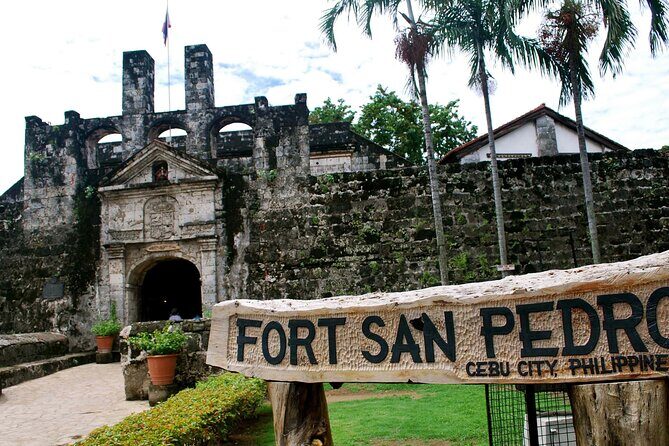
Next comes Fort San Pedro, a historic military stronghold built by Spanish conquistadors in the 16th century. It’s described as the oldest and smallest fort in the country. Even if fort history isn’t your thing, the physical setting does a lot: it helps you picture how power and protection worked in earlier centuries.
This stop lasts about 30 minutes, and the admission ticket is included. So you’re paying once through the tour, then getting access here without extra hassle. I like that the itinerary doesn’t treat this as a passing photo. You get time to look around and understand the layout.
One word of advice: fort sites are great but can be hot. Wear comfortable shoes. You’ll want to feel steady, because forts often involve uneven walking surfaces and short stairways.
Taoist Temple: Chinese-Inspired Spiritual Architecture in Cebu City
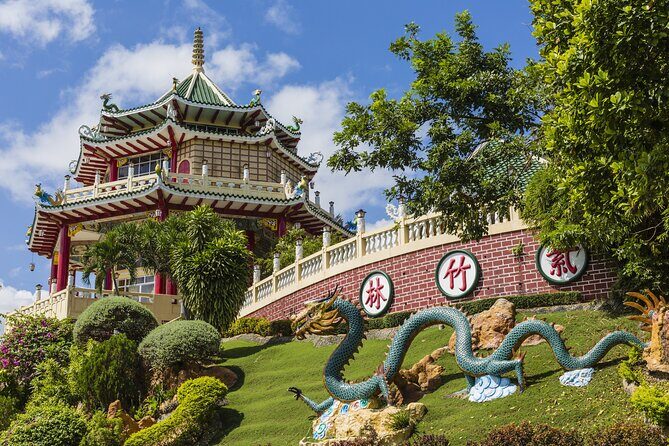
The final major stop is the Cebu Taoist Temple, located in the Beverly Hills area of Cebu City. It’s inspired by traditional Chinese architecture, and it functions as a Taoist religious sanctuary. This is a welcome shift after Spanish colonial history, because it reminds you Cebu isn’t one-layer history.
This stop is about 30 minutes and has free admission. The architecture itself is the draw, plus the chance to see how different belief systems shape community spaces. Even if you don’t have a religion background, you can still appreciate the symbolism and design cues.
For a smoother visit, keep your tone respectful. Religious sites usually have their own rhythms, and a little awareness goes a long way. Also, since the tour includes a church attire note earlier, it’s smart to continue dressing modestly.
Timing, Pickup, and the AC Ride That Saves Your Energy
This is a 3 to 4 hour tour that includes travel time, with pickup offered and an air-conditioned vehicle. That matters more than it sounds. Cebu City heat and traffic can turn “quick sightseeing” into a full afternoon fast. Having a vehicle and a set route makes the day feel controlled.
The tour runs with a maximum of 15 travelers, which also helps with pacing. Smaller groups usually move faster through transitions because you’re not waiting for a large number of people to gather or get tickets sorted.
You’ll also get a mobile ticket, and the tour is described as near public transportation. So if you miss the pickup or want to adjust your meeting plan, it’s at least not a total “you must be there at one exact point” situation. Still, show up early so you’re not rushing.
What I find practical: because the schedule is tight, this tour is best when you don’t plan a heavy second activity right afterward. Build in time for lunch, rest, or a slow walk afterward.
Price and Value: What $49 Really Covers
At $49 per person, this tour is priced in a way that’s usually fair for a short guided loop with transport. The key value is in what’s included:
- Air-conditioned vehicle
- Parking fees
- Landing and facility fees
Most of your major stops are either free or have admission included through the tour (notably the ancestral house and Fort San Pedro). That’s a good structure for budgeting. You’re less likely to get surprised by extra entry fees at two of the more ticket-relevant sites.
Lunch is the one clear miss: lunch is not included. So if you’re deciding whether to book, check your schedule. Plan a meal either before you go or after you finish. If you’re the type who always eats during touring, you might feel the pinch here.
Also, this is booked on average about 10 days in advance, which suggests it can sell out around popular dates. If you’re traveling close to a holiday period, book earlier to avoid scrambling.
The Guide Factor: When the Explanations Land
A big part of whether a short heritage tour feels fun or flat is the guide’s delivery. The feedback here leans positive on the guide’s ability to make the stops enjoyable and informative. One highlight from a named guide is Angelica, described as bubbly and making the experience feel lively.
That’s exactly what you want on a route like this. When the itinerary moves from Magellan’s Cross symbolism to an ancestral house and then to a fort, the transitions can either feel random or feel connected. A guide who can link the themes helps you see Cebu as one story, not a list of places.
If you’re someone who likes asking questions, a small group size makes it easier to get your questions answered without waiting your turn forever.
Who This Tour Suits Best
This tour fits well if you want:
- A guided overview of Cebu City’s key heritage sites in a half-day window
- A shared group experience where it’s easy to meet others
- Included admission for some of the biggest attractions, so budgeting stays simple
- Comfort factors covered by the AC vehicle and fees handled
It might be less ideal if you prefer long stays at each stop, private tours, or you’re planning a very strict “no outdoor walking” day. The stops are fairly time-boxed, so you’ll need to match the pace.
It also suits religious-history curiosity, but with one caution: follow the attire rule and don’t plan on going inside church areas.
Should You Book This Cebu City Heritage Joiners Tour?
I’d book it if you want a practical, well-paced way to get your bearings in Cebu City. You get a tight route, mostly free entries, included admission for key sites, and the comfort of an AC ride. The shared joiners format also helps if you’re solo or just want a friendlier travel day without paying for private service.
Skip it or reconsider if your priority is a slow, flexible schedule, or if you’re very sensitive to the church-area attire restrictions. Also, plan your lunch, because the tour doesn’t cover food.
If you’re aiming for a “get the highlights, understand the context, then explore more on your own” day, this one is a solid pick.