REVIEW · PUERTO PRINCESA
From Puerto Princesa: Trek to Batak Tribe Village
Book on GetYourGuide →Operated by Corazon Travel & Tours · Bookable on GetYourGuide
A river trek into living tradition. This Puerto Princesa to Batak village day is compelling because it’s a real, on-foot visit to one of the Philippines’ smaller indigenous groups, and you get time to learn how people live beyond the beach. I especially like the mountain trails and river crossings that turn the trip into more than a quick photo stop, and I like the structured moment where you present a token gift (coffee, rice, sugar, and essentials). The big drawback to plan for: the hike can be in full sun with little shade, so you’ll want to be ready for heat.
You’re picked up in the morning, transported about 70 kilometers out of town, then guided through the hills to the village and back—about 5 hours total, including the drive. It’s not a theme-park show, and expectations matter: you’re there to observe and learn daily life, not to hunt for set-piece performances.
In This Review
- Key takeaways before you book this Batak trek
- Puerto Princesa pickup and the road toward Batak country
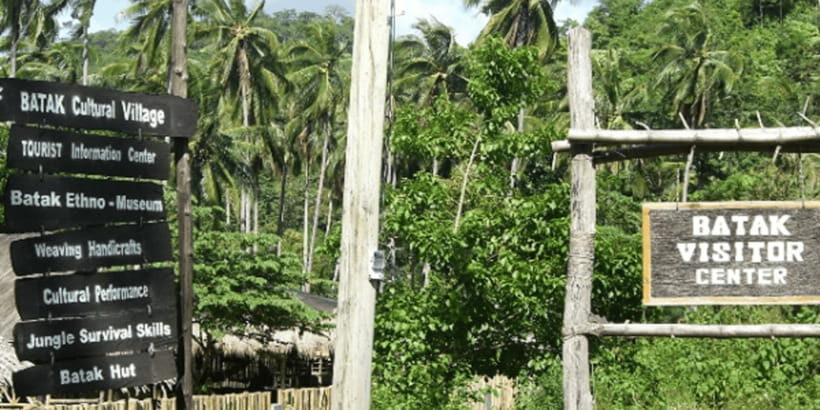
- Batak Visitor Center: where the culture part starts (and shopping is optional)
- The trek: mountain trails, river crossings, and the heat factor
- Arriving at the Batak village and receiving the token gift
- What you learn: daily routines, customs, and respectful observation
- Lunch option: convenient, but usually not a village meal
- Price and value: is $216 per group up to 4 worth it?
- Pace, comfort, and what to bring for a river-hike day
- Private guides and small-group feel: how the day stays human
- Should you book the From Puerto Princesa: Trek to Batak Tribe Village?
- FAQ
- How long is the Batak village trek tour?
- How long is the hiking part?
- Where does the tour start from in Puerto Princesa?
- What is included in the tour price?
- Is lunch included?
- What language is the tour guide?
- What should I bring, and what’s not allowed?
- Is this tour suitable for wheelchair users or limited mobility?
Key takeaways before you book this Batak trek
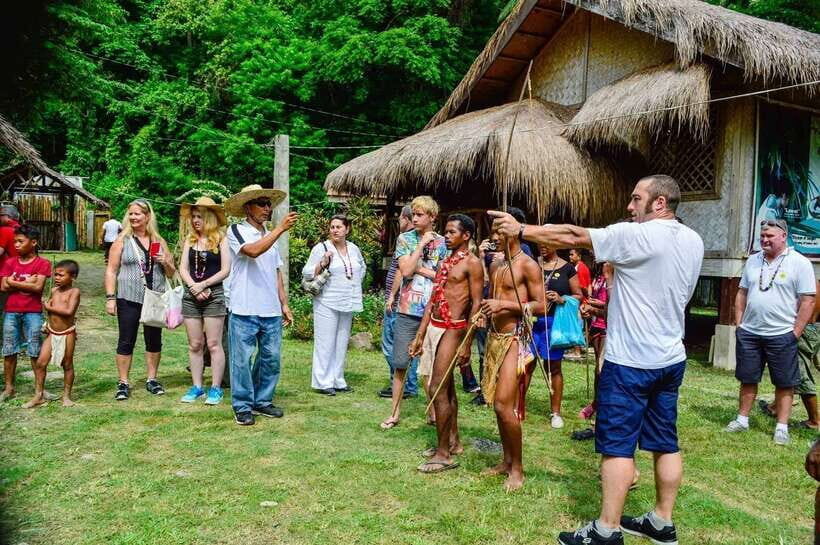
- Real village time, not a quick roadside stop: you’ll meet people and learn about daily routines and customs.
- Trek is 75 to 120 minutes uphill and wet: river crossings are part of the route, so footwear and footing matter.
- You’ll bring a token gift: the gift includes coffee, rice, sugar, and other basic needs.
- Private group makes pacing easier: price is for a group up to 4, so your pace can be more flexible.
- Guides may include people like Rich and Wilson: you’ll have an English/Tagalog guide to explain what you’re seeing.
- Lunch is optional and may be outside the village: if you add it, plan on a nearby restaurant meal rather than a full local cooking experience.
Puerto Princesa pickup and the road toward Batak country
This tour starts with morning pickup from your hotel, as long as you’re within 15 kilometers of Puerto Princesa City Airport. That’s a practical detail: it cuts down on time spent figuring out transport on your own. From there, you ride in an air-conditioned van for roughly 70 kilometers to the Batak Visitor Center in Barangay Conception.
Why I like this setup: it gives you a buffer before the trek. You’re not dropped into the hike with zero context. At the visitor center, you can browse local products made by the tribe. Think of it as a gentle introduction—handicrafts and goods that help support the community, without turning the experience into a hard sell.
One thing to keep in mind is that this is a “real day out,” not a short excursion. You’re dedicating half a day, so go in with a relaxed mindset. The drive sets the tone, but the real value is what happens after you leave the center and move on foot.
You can also read our reviews of more hiking tours in Puerto Princesa
Batak Visitor Center: where the culture part starts (and shopping is optional)
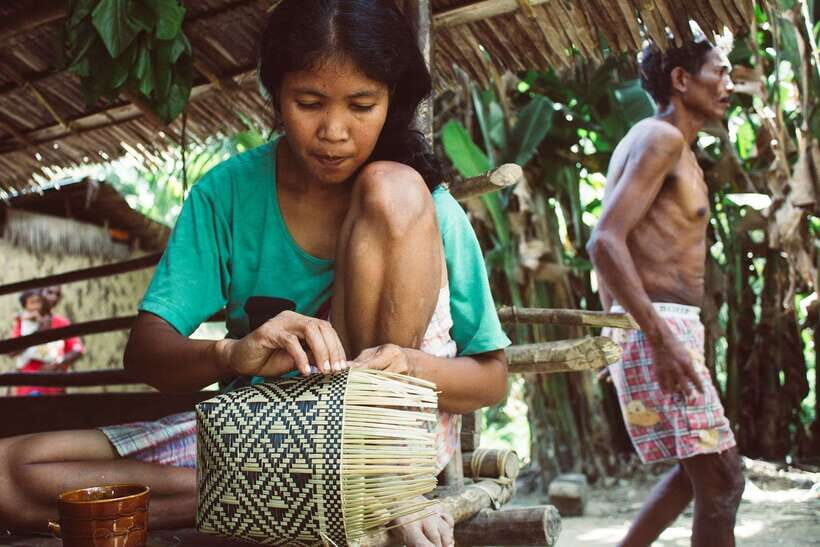
When you arrive at the Batak Visitor Center, you’ll find locally made products available for purchase. This matters because it frames the day as a visit with community connections, not just a guided hike. You may also use this time to get oriented, ask questions, and confirm how the token gift will work later.
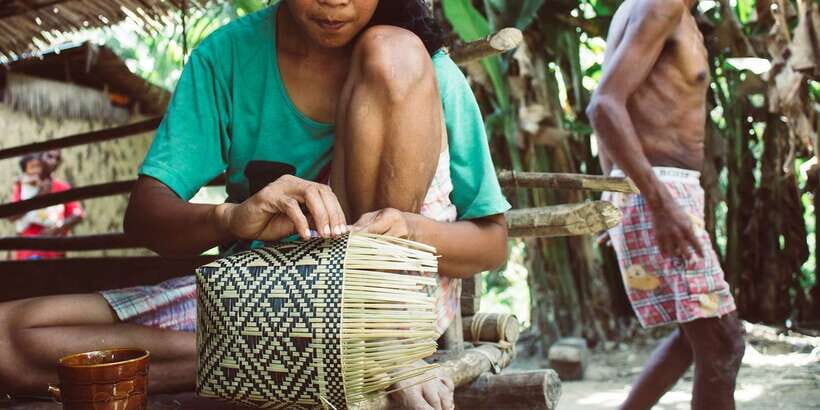
Here’s what to look for during this stop: handmade items tied to daily life and local crafts. Even if you don’t buy anything, browsing helps you notice the difference between “tourist souvenirs” and things that come from ongoing work in the community.
The visitor center also acts like a launch pad. Once you’ve arrived, the tour shifts from travel mode to hike mode. That transition is important for pacing—especially if you’re sensitive to heat.
The trek: mountain trails, river crossings, and the heat factor
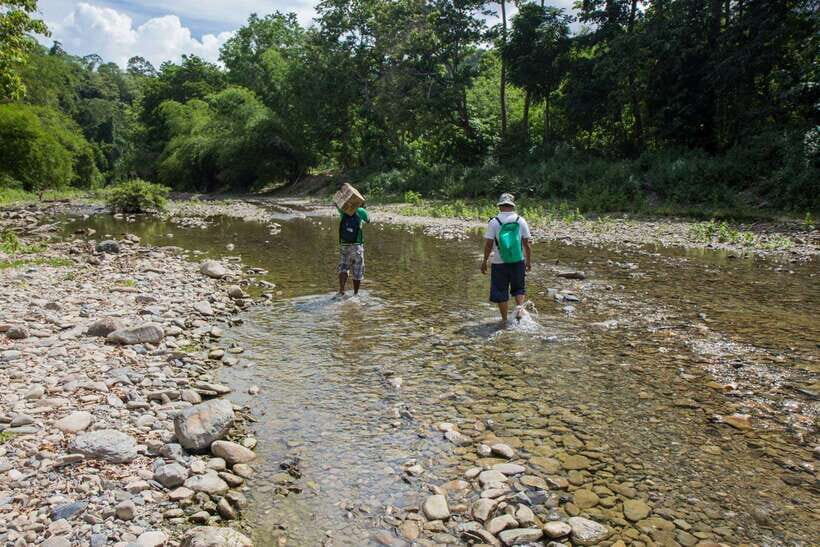
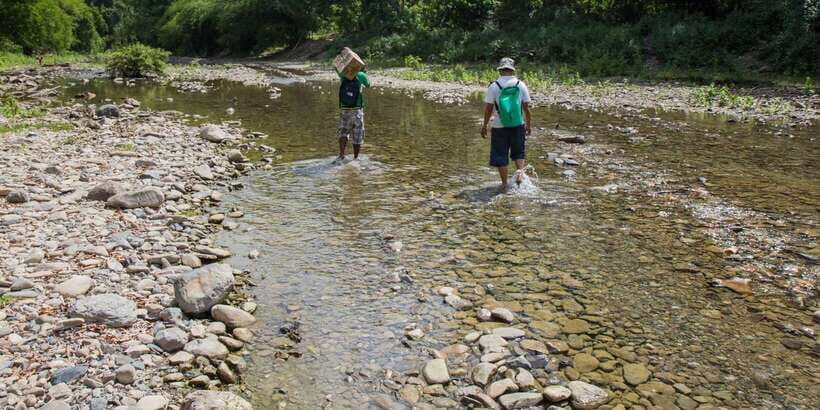
From the visitor center, the hike begins across mountainous terrain and involves crossing several rivers. The hiking time is anywhere from 75 to 120 minutes depending on the group’s pace. Translation: you’ll be moving steadily, but it isn’t a gentle stroll.
What you’ll want to plan around:
- Footing: river crossings mean you need shoes with good traction. If the ground is slick, sandals won’t make you happy.
- Water and sun: bottled water is included, but it’s still a sun-exposure hike. One negative review specifically calls out the trek happening in full sun with little shade—so don’t assume you’ll be protected.
- Timing variability: the same route can feel very different depending on your pace and the group.
The upside is that this trek turns the day into a living walk through Palawan’s inland terrain. You’re not only learning about the Batak tribe—you’re moving through the conditions that shape how life works there. If you’re comfortable walking for about 1 to 2 hours, this part is the highlight.
I’d treat the hike like a workout you control. Bring your energy and don’t rush. The guide will set the pace for your group.
Arriving at the Batak village and receiving the token gift
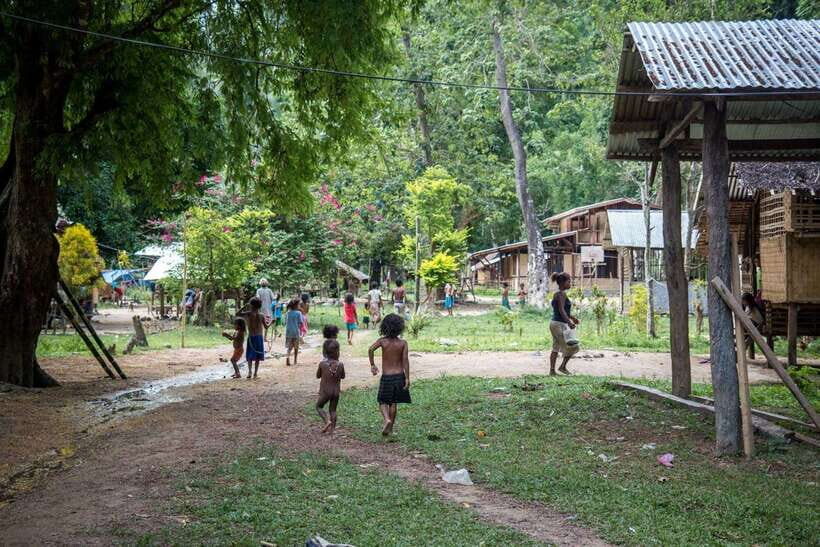
When you reach the village, the tone shifts to greeting and observing daily life. Before you settle in, you’ll present a token gift to the tribe. The token includes coffee, rice, sugar, and other basic needs.
This is one of the most important parts of the experience for two reasons. First, it shows respect: you’re not just taking photos and leaving. Second, the items are practical—food and essentials that support people in ways that feel tied to real daily needs.
After the gift, you’ll say hello to the tribe members and see how they go about day-to-day life. Your guide will explain the tribe’s history and customs so you’re not guessing what you’re looking at. In real life, these kinds of cultural visits can feel fast or slow depending on what’s happening in the village that day—so go with curiosity, not a checklist.
One caution from a less positive account: you may not see structured rituals, special performances, or costumes on demand. That doesn’t mean the visit isn’t meaningful. It often means you’re seeing life as it really is, shaped by school schedules and normal routines.
What you learn: daily routines, customs, and respectful observation
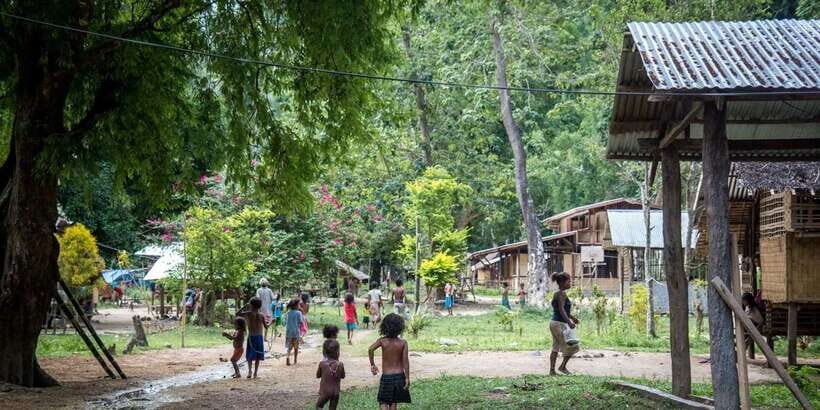
A lot of cultural tours promise deeper meaning. This one delivers the practical kind: how people live, what customs look like in everyday settings, and how the community connects to its recent history.
You’ll likely spend time sitting with villagers and observing daily life. One highlight that came up in a positive review was a river moment—jumping into a deeper part of the river with an outstanding view. The important part for you: if there’s an optional or natural chance to do something like that, only participate if you feel safe and confident. River time is fun, but it’s still water and rocks.
As for interaction level, aim for calm, respectful curiosity. You might not get a high-energy back-and-forth conversation the whole time. In some communities, visiting works best when you watch first and ask with your guide translating. If you want a cultural experience, focus on questions and patience.



Lunch option: convenient, but usually not a village meal
Food isn’t included in the base tour price, but there is an option to include lunch. Based on one account, lunch was served at a hotel restaurant near the closest road after the hike—meaning it’s not necessarily a full local cooking setup inside the village itself.
So how should you think about lunch?
- If you’re adding it, treat it as fuel to close out the day, not as part of the cultural story.
- If you prefer strictly local food experiences, you may want to eat on your own back in Puerto Princesa after the tour.
Either way, plan your stomach. You’ll be walking and exposed to sun, so keep your energy up. Even with bottled water included, you’ll feel better if you treat this as an active half day.
Price and value: is $216 per group up to 4 worth it?
The tour price is $216 per group up to 4, which is a private-group model. That’s a key value driver because you’re not competing with a big crowd for attention or pace. Your guide also handles the permits and entry fees, plus transportation and pickup/drop-off—so you’re paying for a managed experience, not just the hike.
Is it expensive? Compared to beach tours, yes. The value question comes down to what you want:
- If you want a managed access experience to a remote indigenous village with a guide, it can feel fair. You’re paying for transport, permits, entry fees, a token gift, and a guided explanation during the hike and village visit.
- If you expected a show—rituals on cue, lots of special activities, or a big cast of performers—then it may feel overpriced. One negative account felt the visit didn’t match expectations around seeing a distinct, autonomous-style lifestyle and described limited interaction.
My practical take: treat this as a respectful village visit with a hike attached. If you can accept that culture is not a performance, the price makes more sense. If you want staged entertainment, you’ll likely be unhappy.
Pace, comfort, and what to bring for a river-hike day
The tour is rated as not recommended for people with limited mobility, pregnant women, wheelchair users, or those with serious medical conditions. That’s not the time to “push through” with a slower pace. The trek involves mountainous terrain and multiple river crossings, and the visit itself is on foot and outdoors.
So for everyone else, pack for comfort and traction:
- Comfortable clothes you can move in
- Footwear with grip for uneven ground and wet crossings
- Sun protection is strongly sensible because shade can be limited during the trek
Also note what’s not allowed: luggage or large bags. Traveling light is part of making the hike work smoothly. Bring only what you truly need for a half-day out of town.
Private guides and small-group feel: how the day stays human
Your tour includes a licensed tour guide. The day is available in English and Tagalog, and the guide provides information about the tribe’s history and customs as you walk and arrive.
The “private group” format is more than convenience—it affects how the experience feels. You’re less likely to be rushed, and you can ask questions without feeling like you’re in a conveyor belt.
One detail from an excellent experience: guides named Rich and Wilson were praised for being enthusiastic and caring, and that kind of tone really matters on a village visit. You don’t just want translation—you want a guide who understands how to be respectful, explain what you’re seeing clearly, and keep the group safe during the hike.
Should you book the From Puerto Princesa: Trek to Batak Tribe Village?
Book this tour if:
- You want a real inland side of Palawan beyond beaches
- You like learning through observation and conversation with a guide
- You’re comfortable walking 75 to 120 minutes over mixed terrain
- You can accept that village life won’t be choreographed for your camera
Skip it if:
- You’re hoping for a guaranteed schedule of rituals, costumes, or archery-style activities on demand
- You dislike hot outdoor hikes with limited shade
- You need an accessible, low-movement experience (the trek and river crossings make this a tough fit)
If you book, go in with the right mindset: this is about daily life, not a staged show. I’d also plan your photos and questions around that. Focus on respect, safety, and curiosity—and you’ll likely come away feeling you saw something real.
FAQ
How long is the Batak village trek tour?
The total duration is about 5 hours.
How long is the hiking part?
The trek takes about 75 to 120 minutes, depending on your group’s pace.
Where does the tour start from in Puerto Princesa?
You’ll be picked up from your hotel, as long as it’s within 15 kilometers of Puerto Princesa City Airport.
What is included in the tour price?
It includes hotel pickup/drop-off, a licensed tour guide, entry fees, permit processing, the token gift, air-conditioned van transport, and bottled water.
Is lunch included?
Food is not included in the base tour, but lunch can be added as an optional extra.
What language is the tour guide?
The tour guide is available in English and Tagalog.
What should I bring, and what’s not allowed?
Bring comfortable clothes. Luggage or large bags are not allowed.
Is this tour suitable for wheelchair users or limited mobility?
No. The tour is not recommended for wheelchair users, people with limited mobility, pregnant women, or those with serious medical conditions.
If you want, tell me your travel dates and your hiking comfort level (easy/moderate) and I’ll help you decide whether the sun-and-river part fits your day.