REVIEW · PUERTO PRINCESA
Puerto Princesa Palawan Historical Tour
Book on Viator →Operated by Leisure Pro Journeys · Bookable on Viator
History hits hard in Puerto Princesa. I love the Baywalk Park resettlement story and the way the WW2 memorial stops make the past feel specific and personal, not vague. I also like that it runs with a guide plus a chauffeur so you can focus on the sites. The only real drawback is timing: most stops are about 30 minutes, so this is a highlights route, not a slow museum day.
This is a 6-hour private tour in Puerto Princesa, starting at 9:00 am, with pickup offered. Expect an air-conditioned vehicle, admission and facility fees handled, and a professional guide doing the explaining.
What makes the day more than just photos is the mix: waterfront life at Baywalk, religious and civic heritage at the cathedral and Plaza Cuartel, WWII artifacts and names in the memorial museums, then a palate break for Hopia and pastillas at Baker’s Hill, and finally hands-on woven craft at Binuatan Creations.
In This Review
- Key things to know before you go
- A 6-hour Puerto Princesa tour built for highlights
- Price and what you get for $138
- Stop 1: Puerto Princesa Baywalk Park and the resettlement origin
- Stop 2: Immaculate Conception Cathedral on Rizal Avenue
- Stop 3: Palawan Special Battalion WW2 Memorial Museum artifacts and names
- Stop 4: Plaza Cuartel and the tunnel atrocity of December 14, 1944
- Stop 5: Palawan Museum as your local context reset
- Stop 6: Baker’s Hill Hopia and pastillas plus gardens and a playground
- Stop 7: Binuatan Creations weaving center and the hands-on craft process
- How the guide and chauffeur change your day in Puerto Princesa
- What to watch for on this highlights-heavy itinerary
- Should you book this Puerto Princesa Historical Tour?
Key things to know before you go
- A highlight loop with short, efficient stops: about 30 minutes at most sites, plus longer breaks at the food and weaving stops
- WW2 sites that don’t skip the hard details: Plaza Cuartel’s tunnel atrocity story and the Special Battalion memorial museum
- Food and crafts are part of the history: Hopia and pastillas at Baker’s Hill, then woven souvenirs you’ll understand better after the demo
- A private setup means you can steer the day: the tour format is built around your group, not random drop-offs
- A guide can change the experience fast: names you may see include Janua, Ged, and drivers like Al or Gilbert, all praised for smooth pacing and clarity
A 6-hour Puerto Princesa tour built for highlights
This tour is scheduled for roughly 6 hours and starts at 9:00 am. You’ll move by air-conditioned vehicle, and pickup is included, which is the easiest way to do Puerto Princesa’s city-side sights without wasting time figuring out transport.
The schedule is designed for momentum. Most stops are around 30 minutes, so you’ll get oriented, see the key artifacts or viewpoints, then move on. If you love lingering, you might feel slightly rushed. If you want a solid overview and a few memorable moments, it’s a good fit.
Price-wise, it’s $138 per person, and it can make sense because admissions and facility fees are included at each stop. In other words, you’re not paying separately every time the group enters a museum or attraction. You’re also getting both a professional guide and a chauffeur, which adds real value if you’re not traveling with someone who knows the sites.
One more practical thing: snacks and lunch are not included. You’ll want to plan on buying water or a small snack if you’re sensitive to hunger delays. The itinerary has a food stop later in the day, but that still doesn’t replace lunch for everyone.
You can also read our reviews of more historical tours in Puerto Princesa
Price and what you get for $138
I look at tour pricing in two layers: what it covers and what it saves you. Here, you’re paying for a structured route with an air-conditioned ride, a guide, and admission/facility fees included.
You also gain convenience. A private tour means it’s only your group. That matters because you can ask questions, adjust timing a bit, and avoid the awkward shuffle that happens when a bigger group moves at different speeds.
The biggest “value” angle is the combination of categories in one day. You’re not only doing museums; you’re also doing a waterfront promenade, a cathedral stop, a national historical site, a food-and-gardens break, and a weaving center. That’s a lot of variety, and it would be harder (and usually more expensive) to assemble yourself if you also want the storytelling.
The main consideration is emotional load. The WWII-related stops are serious. If you want a lighter day, you might still appreciate the context, but you should know the tone isn’t vacation-only postcard material.
Stop 1: Puerto Princesa Baywalk Park and the resettlement origin
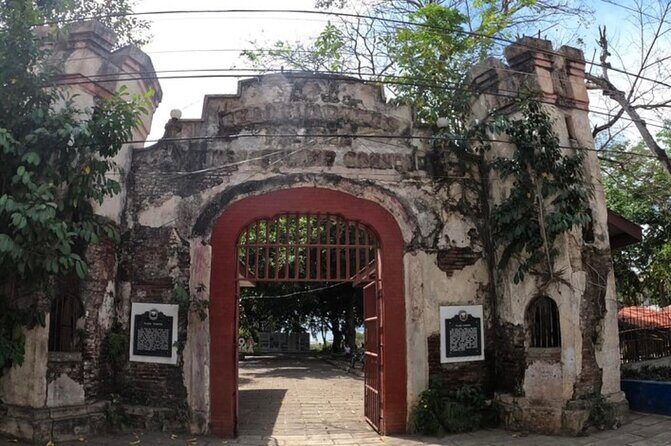
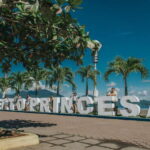
Your day kicks off at Puerto Princesa City Baywalk Park. The key story here is how the waterfront changed: it used to be an area where informal settlers lived, and the local government rehabilitated it into a park while providing resettlement for residents.
Today, Baywalk works as a real hangout. You’ll see locals and tourists walking, bicycling, and jogging along the palm-lined promenade. This is one of those stops that feels immediately alive because you’re not just looking at a building—you’re watching everyday city life.
Time is about 30 minutes, and that’s perfect for a quick orientation and a few photos with the sea air. The only drawback is that it’s easy to spend extra time if you’re enjoying the stroll. In a highlights schedule, keep an eye on the clock so you don’t squeeze the rest of the day.
Stop 2: Immaculate Conception Cathedral on Rizal Avenue
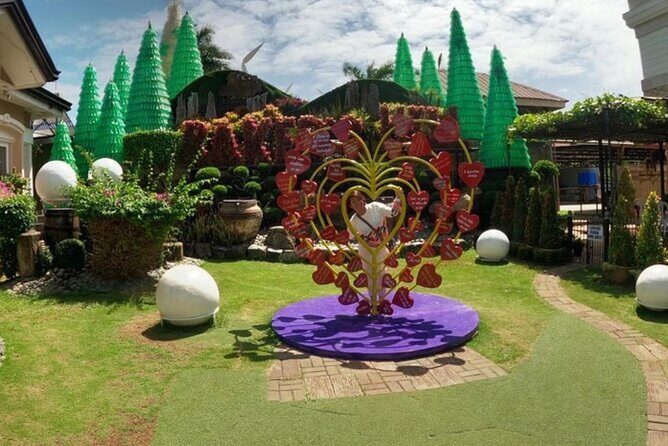
Next is the Immaculate Conception Cathedral, also known as the Puerto Princesa Cathedral, located on Rizal Avenue. It’s the seat of the Roman Catholic Apostolic Vicariate of Puerto Princesa.
At this stop, the payoff is the human scale of religion in a city. You’re not just seeing architecture; you’re stepping into how faith is organized locally. With about 30 minutes allocated, you’ll have time for a calm walk around and a chance to take in the setting without feeling rushed.
If you’re traveling with someone who prefers quieter spaces, this is a nice counterbalance to the more intense WWII stops later. The main practical point: dress for respect at religious sites and expect a shorter visit, since the tour keeps moving.
Stop 3: Palawan Special Battalion WW2 Memorial Museum artifacts and names
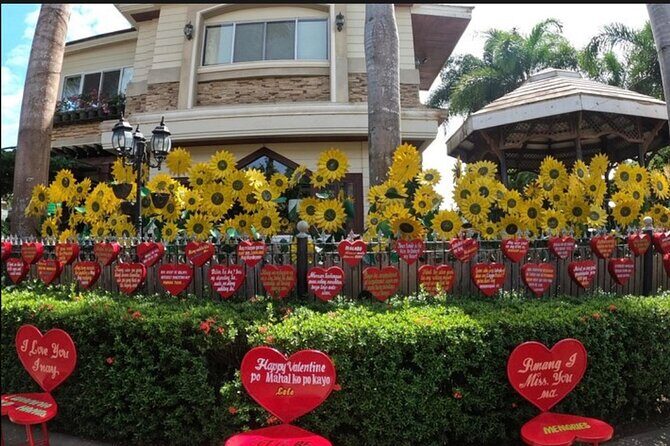
Then things shift into WWII territory at the Palawan Special Battalion WW2 Memorial Museum. This museum is built around specific, concrete objects and specific people, not generic war stories.
You’ll see items like a historical typewriter and stenography machine, with a claim that one was used by Gen. Douglas McArthur in Manila. The museum also features old vehicles used during WWII, rusting guns and ammunition, and uniforms of American soldiers. There are even miniature war planes and ships, plus old paper denominations from the war era.
On the walls, you’ll also find the names of 1,000 guerrillas who belonged to the Special Battalion and fought in the city and province during the Japanese occupation. That detail matters, because it turns the story from a national headline into something local and personal.
A thoughtful note: this is a stop that may stick with you. With only about 30 minutes, you can still appreciate a lot, but don’t feel pressured to take everything in at once. If you want to process, look for a couple of items or sections that grab you most.

Stop 4: Plaza Cuartel and the tunnel atrocity of December 14, 1944
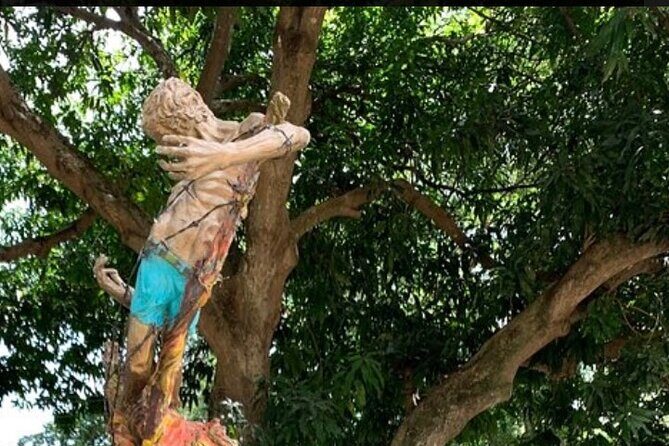
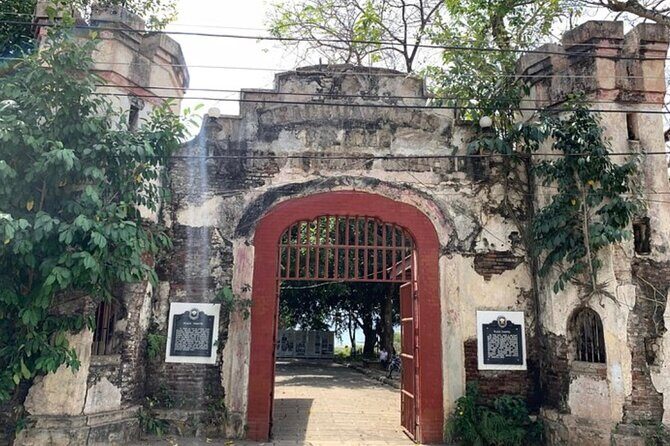
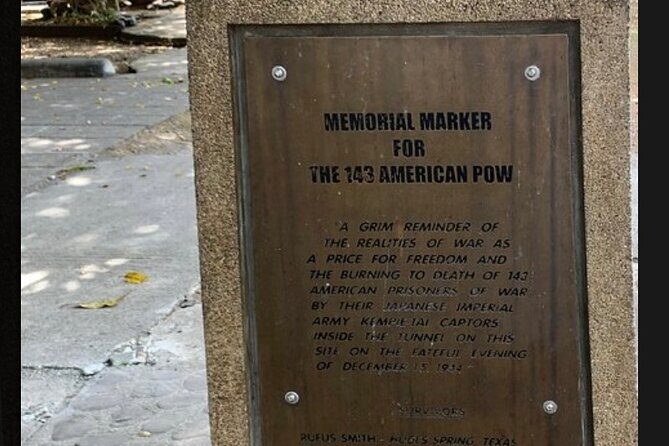
Plaza Cuartel is a National Historical Site and a restored ruin of an old garrison. The story tied to it is brutal: in the evening of December 14, 1944, Japanese soldiers burned around 150 American prisoners of war in a tunnel found beneath the park’s portals.
The remains of those who died were buried in 1952 at St. Louis County, Jefferson Barracks, National Cemetery, Missouri, USA. The account also notes that only one prisoner survived to tell the story.
This is the emotional center of the tour. If you’re the type who gets uneasy with heavy history, go anyway—but prepare yourself. You’ll walk through a physical place connected to atrocity, and the guide’s pacing and tone become important here.
The visit is about 30 minutes. That can feel short for the magnitude of the story, but it’s part of why the guide matters: you get the key context without the day turning into one long, exhausting stop.
Stop 5: Palawan Museum as your local context reset
After the intensity, the Palawan Museum helps reset your understanding of the region. This museum was created in 1991 and functions as a center and repository of relics and artifacts in Palawan.
It’s presented as a reference for Palawan’s cultural heritage, with a growing collection and ongoing role in preserving what locals consider important—natural and historical legacy included.
This is another about-30-minute stop, so it won’t be a long study session. But as a bridge between WWII-focused sites and the more relaxed stops coming next, it’s a smart pivot. If you want to understand what came before and after the war era, this helps you connect the dots.
Stop 6: Baker’s Hill Hopia and pastillas plus gardens and a playground
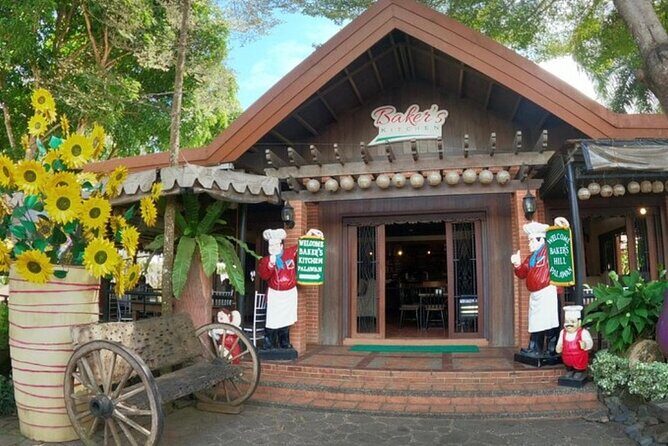
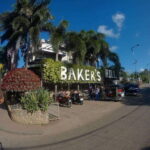
Next up is Baker’s Hill, and yes, the food is a major reason. It’s known for Puerto Princesa’s must-taste: Hopia and pastillas.
But the attraction isn’t only eating. Baker’s Hill also has landscaped gardens and a playground, which makes it a practical break in the middle of a history-heavy day. Even if you’re traveling solo, the setting makes the tour feel less like one long classroom session.
The allocated time is about 1 hour, which is longer than the museum stops. That extra hour gives you room to try snacks, browse, and settle your feet before the weaving center.
The only drawback I’d flag is that people often treat this as a casual stop and forget the rest of the schedule. If you’re planning to buy gifts or sample multiple items, keep your time.
Stop 7: Binuatan Creations weaving center and the hands-on craft process
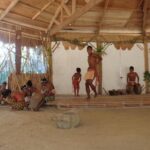
The final stop is Binuatan Creations, a weaving center producing handicrafts and souvenir items. This is where the tour shifts from seeing history to making something you can take home.
You’ll experience the traditional art of hand-look weaving. The process can be tedious, and that’s part of the value: you get a better appreciation for time, skill, and patience that go into the finished handbags, wallets, placemats, wall art, and more.
The center uses locally produced and indigenous fibers, which gives the products more meaning than just decor. If you like shopping, this is the kind of stop where you’ll feel informed about what you’re buying.
Time is about 1 hour. It’s enough to watch the work, understand the process, and decide what fits your budget. If you’re not interested in crafts at all, you might feel this stop runs longer than you want—but the experience is the point.
How the guide and chauffeur change your day in Puerto Princesa
A private tour can feel either polished or chaotic, depending on pacing. What stands out about this tour style is that it tends to run relaxed while still hitting the key stops. Guides such as Janua and Ged are praised for being thorough, kind, and patient, and drivers like Al or Gilbert are noted for making the route smooth.
For you, that means you’ll likely get clearer explanations at the WWII sites and more practical context at the cathedral, museums, and city promenade. It also means you can ask questions without feeling like you’re slowing down a machine.
Flexibility is another big deal. When a guide is good, the day feels less like a checklist and more like a tailored story about Puerto Princesa. If you’re the type who wants to spend an extra minute at a spot with a view or ask one follow-up question, this setup is built for that.
What to watch for on this highlights-heavy itinerary
This tour is efficient, so a few things can trip you up if you’re not ready.
First, the visit length. With many stops around 30 minutes, you’ll want comfortable shoes and a ready mindset. Bring sunglasses or a hat if the sun is strong at Baywalk.
Second, there’s no lunch and no snacks included. Plan ahead so you’re not making decisions at Baker’s Hill because you’re hangry. Hydrate during transitions between stops.
Third, expect heavier emotions at the WWII-related sites. Plaza Cuartel and the Special Battalion museum are not light topics. If you’re sensitive, you can still go, but you might want to treat the day like a thoughtful walk, not a quick photo spree.
Lastly, this is a private tour, not a big open-ended city roam. If you love spontaneous wandering, you might want to leave extra time on another day in Puerto Princesa for unplanned stops beyond the highlights.
Should you book this Puerto Princesa Historical Tour?
Book it if you want a guided, time-efficient way to understand Puerto Princesa from waterfront life to WWII memory to local culture and crafts. The value is strongest if you like having admissions and explanations handled, and if you want a mix of city sights, museums, food, and a weaving stop you can actually bring home.
Skip it or adjust expectations if you hate fast pacing or you prefer lighter, less intense sightseeing. The WWII stories are central here, and the schedule is built to hit them without extending the timeline.
If you’re on the fence, my practical advice is simple: go for it if you want structure and context in one day, and plan your day around rest and food so you can enjoy each stop on its terms.