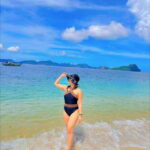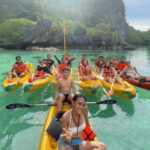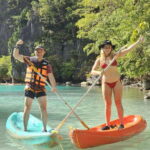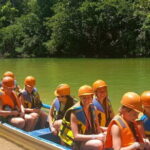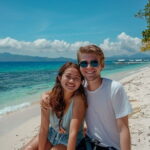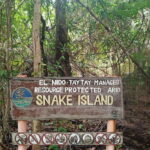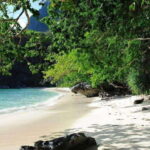
Linapacan feels like Palawan without the noise. This 2 days 1 night camping expedition is built around quiet, off-the-beaten-track beaches and snorkeling-ready clear water, plus an overnight on more rustic shores than most El Nido trips. I love that it keeps the pace human and the scenery real. The trade-off is simple: you are signing up for boat time and a more basic camping setup than a resort.
What makes this one work for most people is the mix: you get a private boat and a licensed guide and crew, then you spend your time hopping between small islands with very different personalities. For example, Maosanon Island is raw and bare, with no electricity, just a caretaker’s hut and a few makeshift cottages for shelter. And when night falls, you’re set up for dinner, local drinks at the campsite (18+), and an overnight that feels like you actually left the map’s main road.
In This Review
- Key things I’d tell you before you book
- Linapacan vs the El Nido crowds: why this trip feels special
- A small but real drawback: basic camping expectations
- Price and value: what $396 really covers for 2D1N
- When the price feels especially fair
- Logistics that matter: 8:00 AM start, pickup, and mobile ticket
- Day 1 island hopping and camp setup: Maosanon, Abang Abang, Magranting, Rawis
- Stop 1: Maosanon Island (about 1.5 hours)
- Stop 2: Linapacan / Abang Abang Island (about 1.5 hours)
- Stop 3: Magranting Island, also known as Little Maosonon (about 2 hours)
- Stop 4: Rawis Beach (about 2 hours)
- Night on Linapacan: what camping here really means
- Day 2 snorkeling and final island time: Tacling, Cala Cala, Starfish Island, Calibangbangan
- Stop 1: Tacling Island (about 1 hour)
- Stop 2: Linapacan / Cala Cala Island (about 1.5 hours)
- Stop 3: Starfish Island (about 1.5 hours)
- Stop 4: Calibangbangan Island (about 2 hours)
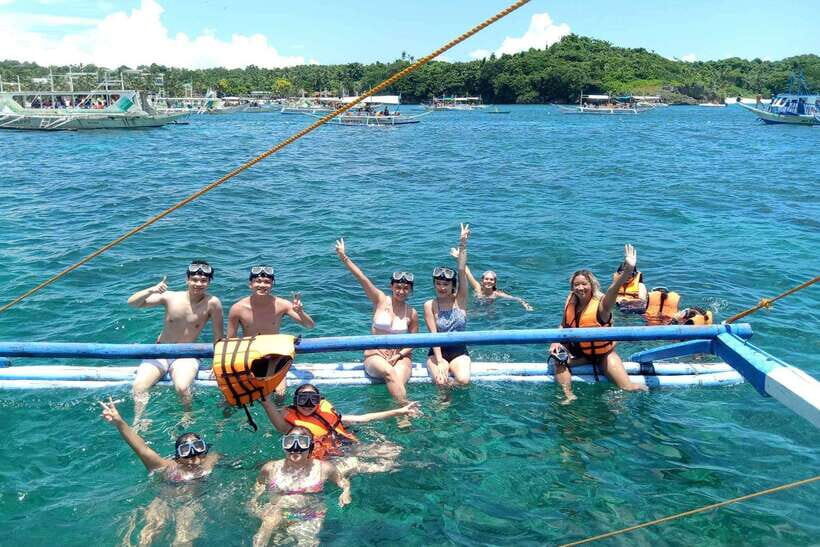
- Snorkeling gear and safety: life vests and how to make the most of clear water
- Who this trip suits best (and who should pick something else)
- What to pack for a Linapacan camping expedition
- Should you book the Linapacan 2 Days 1 Night Camping Expedition?
- FAQ
- How long is the Linapacan 2 days 1 night camping expedition?
- What does the Linapacan trip cost per person?
- What time does the trip start, and is pickup included?
- Is this a private tour?
- Is snorkeling equipment and a life vest included?
- Are meals included during the trip?
- Are alcoholic drinks provided at the campsite?
- What is the cancellation policy?
Key things I’d tell you before you book
- Quiet Linapacan focus: you’ll spend time on islands in the Linapacan group where the vibe stays calm and low-key.
- Maosanon’s no-electricity reality: prepare for rustic conditions on a very simple island setting.
- Long sandbar time on Magranting: a standout stop built around a long white-sand stretch.
- Clear-water snorkeling on multiple islands: Cala Cala and other stops are chosen for visibility and marine life.
- Starfish Island snorkeling opportunity: you’ll have a shot at seeing starfish in the snorkeling areas.
- Meals and gear handled: breakfast, lunch, dinner, snorkeling equipment, and a life vest are included.
Linapacan vs the El Nido crowds: why this trip feels special
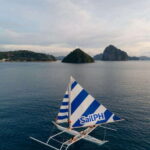
El Nido gets all the attention, and that’s not a crime. But if your goal is a quieter Palawan day, Linapacan is where the mood shifts. On this trip, the islands you visit feel less packaged and more like you’re sharing space with the sea, not fighting through crowds.
I like that the itinerary doesn’t treat nature like a quick photo stop. You get multiple beach islands across two days, with the trip’s rhythm built around time on the sand and in the water. That matters because the “best part” of island hopping is rarely the boat ride. It’s what you do while you’re there: swim, snorkel, rest, and let the day slow down.
You also get an eco-minded approach and access to less-traveled areas, which shows in the vibe. The goal isn’t to max out your number of stops. It’s to give you a real feel for the Linapacan area: pristine shorelines, long sandbars, and clear water that makes snorkeling worth your effort.
You can also read our reviews of more evening experiences in El Nido

A small but real drawback: basic camping expectations
If you expect resort comfort, adjust now. Maosanon Island has no electricity, and even the camping night is more about being practical than being pampered. The trip still includes good basics like meals and gear, but you should mentally pack for “roughing it,” not “turn-down service.”
Price and value: what $396 really covers for 2D1N
$396 per person isn’t pocket change, so I look at what’s included and whether it saves you hassle. Here, a lot of the expensive-friction stuff is already handled:
- Private transportation and a private boat
- Licensed guide and crew
- Life vest and snorkeling equipment
- Fees and entrances
- Breakfast (2), lunch (2), dinner
- Alcoholic drinks in the campsite (local drinks, 18+)
That’s the value story. You’re not just buying boat tickets. You’re paying for a full setup that covers the hard parts: moving between islands efficiently, keeping safety equipment and snorkeling gear ready, and taking care of most of the on-island costs that add up fast elsewhere.
Also, this trip is booked about 43 days in advance on average. That hints at demand, but it also tells you timing matters. If you wait until the last minute, you may lose the chance to get your dates matched with the right group and boat schedule.
When the price feels especially fair
You’ll feel the value most if you:
- Want a quieter Palawan experience close to El Nido
- Plan to snorkel and want gear included
- Don’t want to spend time piecing together transport, entrance fees, and meals
Logistics that matter: 8:00 AM start, pickup, and mobile ticket
This trip starts at 8:00 am, with pickup offered. It’s a private tour/activity, meaning it’s only your group, not a shared scramble with strangers. The tour also offers group discounts, so if you’re traveling with friends, it may be worth coordinating early.
You’ll also use a mobile ticket, and confirmation is received at booking. That’s one of those small things that keeps your day from turning into a scavenger hunt.
One more practical note: the service animals policy says service animals are allowed, and the tour is marked as “near public transportation.” Accessibility is listed as “most travelers can participate,” which is vague, but it does suggest the boat and beach time isn’t built for only one narrow type of traveler.
Day 1 island hopping and camp setup: Maosanon, Abang Abang, Magranting, Rawis
Day 1 is where the expedition spirit shows up. You’ll be on the water, stepping onto small islands, and getting your first real taste of Linapacan’s quiet.
Stop 1: Maosanon Island (about 1.5 hours)
Maosanon is raw and bare. No electricity. No resort buildings. Just a caretaker’s hut and a few makeshift cottages where you can take refuge if you need shade or shelter.
I like this stop because it sets expectations fast. You’re not visiting a theme-park island. You’re visiting a place that still looks like it’s used by people who live with nature, not around it. If you like “real life” travel, this is the kind of island that delivers.
A practical consideration: with no electricity, plan your comfort around that. Don’t rely on charging, and keep your expectations grounded.
Stop 2: Linapacan / Abang Abang Island (about 1.5 hours)
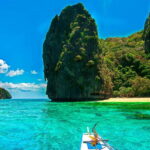
This stop is part of the Linapacan archipelago, known for pristine and secluded beach islands. In other words, it’s the classic Palawan scene without feeling like a stop on a conveyor belt.
Expect time for beach relaxation and water time, and use the break to reset for the afternoon. The itinerary keeps moving, but it doesn’t feel like a race.
Stop 3: Magranting Island, also known as Little Maosonon (about 2 hours)
Magranting is famous in this area for its long white sandbar. This is the kind of place where your best plan isn’t overthinking it. Put your towel down, look at the water, and spend time doing the simple stuff: swimming when it’s right, walking the sandbar, and enjoying how quiet it can feel.
The length of the sandbar matters. Short sandbars can feel like a quick photo then gone. A longer one gives you actual time to enjoy the geometry of the coastline and the scale of the water.
Stop 4: Rawis Beach (about 2 hours)
Rawis is described as tranquil, with pristine beaches and clear waters. It’s the perfect closing stop for Day 1 because it naturally supports your main goals: rest, swim, and get your head in the right place for camping.
This stop has admission ticket included, so you don’t need to manage extra costs on the spot. After a day like this, that kind of simplicity feels like a quiet luxury.
Night on Linapacan: what camping here really means
The overnight is one of the reasons this trip gets such strong feedback. The campsite experience is the pivot point from day-hopping to real expedition time.
Based on what people say, the night setup feels newer on the campsite and built for the reality of beach camping. That matters because the difference between “fun rough” and “annoying rough” is often tiny details: whether the space is clean, organized, and set up so you can actually relax after a long day.
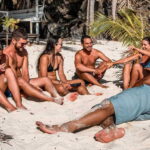
You’ll have dinner included, plus local alcoholic drinks at the campsite for ages 18+. That’s not just a party add-on. It’s a social reset moment after you’ve been outside all day. Even if you don’t drink, it’s still a sign that the organizers think about the whole day, not just the itinerary.
What to watch for: bring your energy expectations. This is not a place to expect hotel routines. You’re trading that for a night that feels close to the sea.
Day 2 snorkeling and final island time: Tacling, Cala Cala, Starfish Island, Calibangbangan
Day 2 keeps the momentum, but it leans harder into clear water and marine-life snorkeling.
Stop 1: Tacling Island (about 1 hour)
Tacling is small but captivating, known for crystal-clear waters and beautiful beaches. It’s a strong early stop because clear water makes snorkeling feel easier and more rewarding. When visibility is good, you spend less time “trying to see” and more time actually enjoying what’s in front of you.
Stop 2: Linapacan / Cala Cala Island (about 1.5 hours)
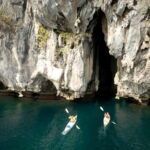
Cala Cala is specifically called out for exceptionally clear waters, often highlighted as among the clearest in the world. I can’t promise you’ll have perfect visibility every minute, but this is exactly the kind of stop you want when you want snorkeling that feels crisp instead of cloudy.
Use this time to slow down. Don’t sprint from shore to first swim spot. Take a moment to watch how the water looks, then decide where you feel comfortable entering.
Stop 3: Starfish Island (about 1.5 hours)
Starfish Island is known for vibrant aquatic life, including starfish. The itinerary focuses on snorkeling areas where you may see various sea creatures, including starfish.
A quick tip that saves your time: stay patient and move carefully. The whole point is to let the water show you what it has, not to chase it. If you’re lucky with conditions, this is the kind of stop that makes the whole trip feel worth it.
Stop 4: Calibangbangan Island (about 2 hours)
Calibangbangan (often also referred to as Calibang or Calibangbongan) is near Tacling Island in the Linapacan area. It’s noted for beautiful beaches and time on the water.
This is a solid final stop because it lets you soak up the last hours without adding complexity. You’re already set up for beach relaxation and water time, so it feels like a comfortable finish.
Snorkeling gear and safety: life vests and how to make the most of clear water
This trip provides snorkeling equipment and a life vest, plus a licensed guide and crew. That combination matters. It means you’re not stuck improvising gear or worrying about safety basics while you’re trying to enjoy the water.
Practical advice:
- Bring sunscreen and a rash guard if you have one. Reef-friendly habits are always smart, and sun on open water adds up fast.
- If you wear contacts, consider backup glasses or a plan for eye comfort in saltwater.
- Keep your phone or camera in a waterproof pouch. Clear water is great, until you drop something.
Timing also matters. Clear-water stops like Cala Cala make snorkeling feel effortless when you get the water conditions right. Follow your guide’s lead about where to enter and how to position yourself.
And remember: the goal is to see marine life without turning snorkeling into a workout. Move steadily, watch calmly, and give your eyes a few seconds to adjust once you’re in.
Who this trip suits best (and who should pick something else)
This is a strong match if you want:
- A quieter Palawan experience near El Nido
- Camping that feels like a real nature night, not a luxury hotel substitute
- Lots of beach and water time across multiple islands
- Included meals and snorkeling gear so you can travel lighter
It may not be the best fit if you:
- Need reliable creature comforts (electricity, hotel-style beds, constant convenience)
- Get stressed by an early 8:00 am start and boat-heavy days
- Want a purely comfortable sightseeing schedule without rustic elements
For couples, friends, and small groups who like nature travel, the private setup is also a plus. You get your own space and a pace that feels more controlled than shared group tours.
What to pack for a Linapacan camping expedition
You’ll be on boats, in sun, and on beach ground. Pack for that mix.
Bring:
- Reef-safe sunscreen (or your best sun protection)
- Hat and sunglasses
- Rash guard or quick-dry shirt (optional but very useful)
- Waterproof phone pouch
- A light dry bag for your stuff
- Towels you’re comfortable using in salty conditions
- Basic toiletries and a small towel for after swimming
- Reusable water bottle
If you’re sensitive to rough camping surfaces, consider a small comfort item like a light inflatable cushion or a thin sleeping mat. The trip includes the essentials and meals, but comfort upgrades are on you.
Should you book the Linapacan 2 Days 1 Night Camping Expedition?
Book it if you want quiet Palawan, clear-water snorkeling, and an overnight that feels real. The strongest reasons to choose this trip are the calmer atmosphere, the “not touristic” feel that makes the islands more relaxing, and the fact that meals, snorkeling equipment, boat transport, life vests, and fees are already covered. You also get multiple islands with different strengths, from Maosanon’s no-electricity simplicity to Starfish Island snorkeling.
Skip it if you want hotel comfort or you get cranky when plans include rustic camping and an early start. This trip is about being outdoors, not about staying in.
If your ideal vacation is: good water, quiet beaches, and a night under the stars with basic but organized camping support, this is a smart booking.
FAQ
How long is the Linapacan 2 days 1 night camping expedition?
It runs for about 2 days and includes 1 night of camping.
What does the Linapacan trip cost per person?
The price is $396.00 per person.
What time does the trip start, and is pickup included?
The start time is 8:00 am, and pickup is offered.
Is this a private tour?
Yes. It’s described as a private tour/activity, with only your group participating.
Is snorkeling equipment and a life vest included?
Yes. Snorkeling equipment and a life vest are included.
Are meals included during the trip?
Yes. Breakfast (2), lunch (2), and dinner are included.
Are alcoholic drinks provided at the campsite?
Alcoholic drinks are included in the campsite, but only local drinks for ages 18+.
What is the cancellation policy?
You can cancel for a full refund up to 24 hours before the experience’s start time. If you cancel less than 24 hours before, the amount paid is not refunded.