REVIEW · PHILIPPINES
Manila Chinatown Food Tour Experience
Book on GetYourGuide →Operated by V.S Tour Services · Bookable on GetYourGuide
Manila’s Chinatown is a food map you can taste. This 2-hour Manila Chinatown Food Tour in Binondo blends street snacks, old-school landmark stops, and a smart transport mix—so you see more ground than you’d on your own. I like how the route pairs food with context, not just feeding you and rushing off.
Two things stand out for me: first, the food hits that matter, including Shanghai fried siopao and Lord Stow’s egg tart. Second, the guide energy—Venus—makes it feel like you’re learning while you eat, and you’re not guessing your way through crowds.
One consideration: the tour is quick, so if you’re chasing specific must-eat names, you’ll want to check what’s actually on the tasting list. Some iconic items people expect in Chinatown weren’t included in a few real bookings, and the historical talk can feel more light than deep.
In This Review
- Key highlights worth your attention
- First Steps in Binondo: the Tutuban Center Mall meetup
- Two hours of food + street rhythm (and why that timing works)
- Food stops you can plan around: siopao and egg tart
- Shanghai fried siopao
- Lord Stow’s egg tart
- What you might not get (so you should ask)
- Chinatown landmarks and the oldest-building vibe (what you’ll actually notice)
- Getting around with tuk-tuk and jeepney rides
- The guide factor: Venus and how to get better answers
- Weather and pace: rain or shine, and how to dress
- Price value: is $65 fair for Manila Chinatown?
- The main downside pattern to watch for
- A possible end-of-tour mismatch
- History depth may be light
- Who this tour is best for
- Should you book this Manila Chinatown food tour?
- FAQ
- What is the duration of the Manila Chinatown Food Tour?
- Where do I meet the guide?
- How much does the tour cost?
- What language is the tour guide?
- Is the tour canceled for bad weather?
- Is the tour suitable for kids?
Key highlights worth your attention
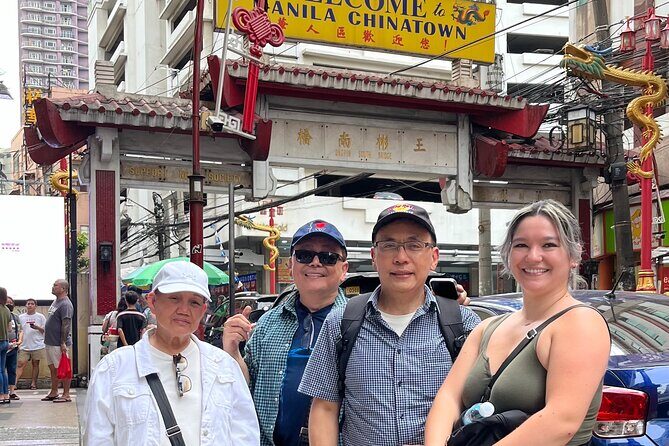
- Tutuban Center Mall meetup makes the start point easy to find, even if Manila traffic is not.
- Shanghai fried siopao and Lord Stow’s egg tart are clear standouts in the tasting lineup.
- Tuk-tuk and jeepney rides add variety and keep the pace from turning into nonstop walking.
- Venus as your guide brings Filipino culture context and a friendly, practical vibe.
- Tight 2-hour window means timing matters—leave extra buffer for traffic.
- Ask about your must-eats (some people were disappointed that lumpia, dumplings, or hand-pulled noodles weren’t on theirs).
First Steps in Binondo: the Tutuban Center Mall meetup
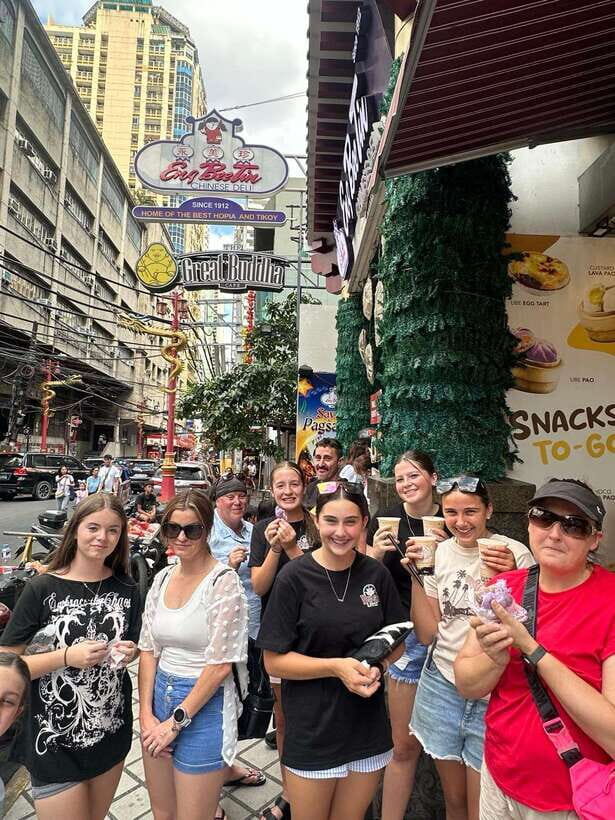
Your tour starts at the entrance of Tutuban Center Mall. That’s a big deal in Manila. Meeting points matter because the city can swallow time fast, especially when you’re trying to arrive on schedule.
From the start, the goal is simple: get you into Chinatown’s street-food rhythm without turning it into a scavenger hunt. You’ll be walking through Binondo (Manila Chinatown), an area widely known as one of the older Chinatown districts around the world, with deep Filipino-Chinese influence baked into daily life.
Practical tip: if you’re staying farther away, I’d plan for extra travel time. One booking mentioned getting stuck in traffic longer than expected, which turned the “arrive early” advice into a real lifesaver.
You can also read our reviews of more food & drink experiences in Philippines
Two hours of food + street rhythm (and why that timing works)

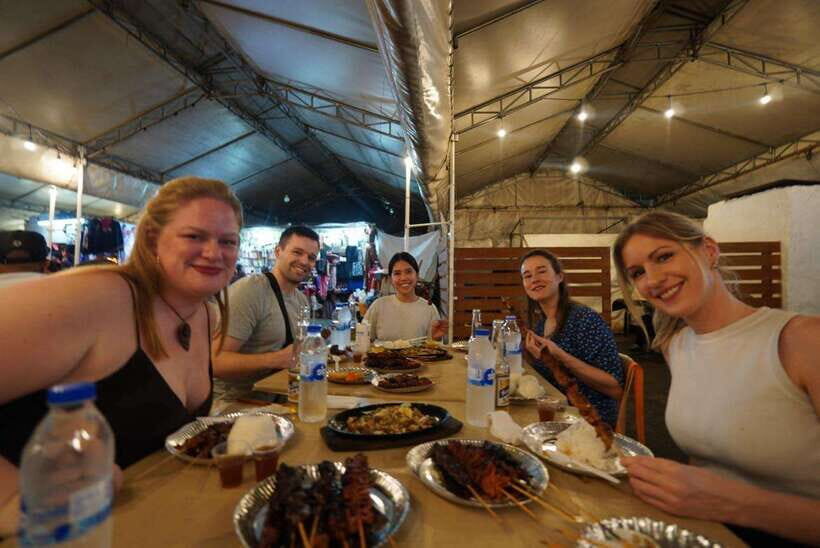
A 2-hour walking experience sounds short until you’re in a dense food district. In Binondo, your time is better spent tasting and asking questions than wandering and hoping you pick the right stall.
Here’s how that typically plays out on this kind of tour:
- You get pulled into a sequence of snack stops.
- You learn how different Chinese-Filipino dishes show up across shops.
- You move often enough to keep things interesting, but not so much that you’re exhausted before dessert.
And since you’re told to come hungry, the timing is built around feeding you. That’s better value than tours that do lots of photos and “just one bite” stops.
Food stops you can plan around: siopao and egg tart
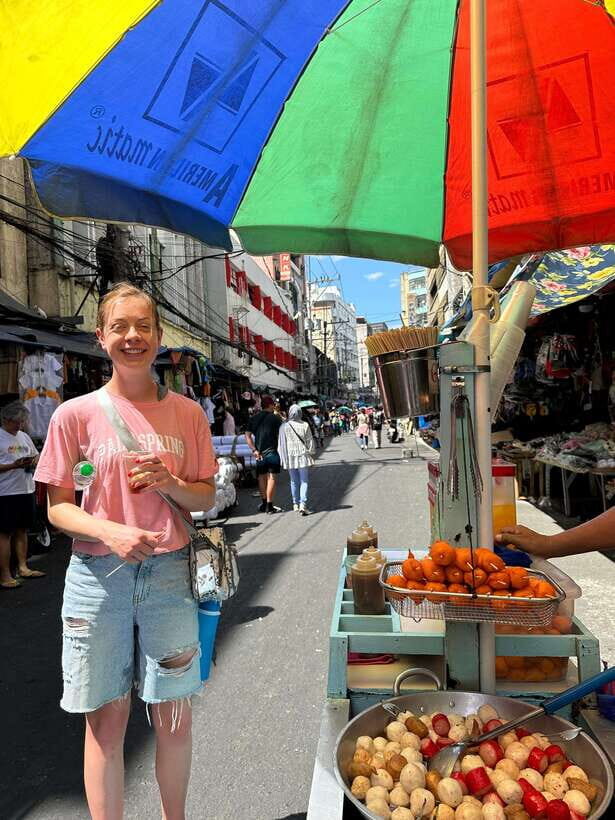
The tasting lineup includes some names you can treat as your anchor points.
Shanghai fried siopao
This is one of the items specifically included. Fried siopao is a good choice for a walking tour because it’s:
- easy to eat while standing,
- satisfying fast,
- and clearly Filipino-Chinese in style.
If you only pick one savory thing to start with, this is a strong bet.
Lord Stow’s egg tart
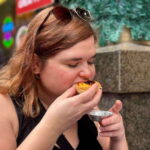
Egg tart is another included classic—also easy to eat on the move. It’s sweet, but not just dessert-shop sweetness. It gives you a palate reset after savory snacks, which helps you enjoy later bites instead of losing interest halfway.
Both of these choices are practical tour food. They’re recognizable, portable, and flavorful without needing a full sit-down meal.





What you might not get (so you should ask)
Here’s the fair part. One booking said the tour did not include some iconic dishes they were expecting, specifically:
- Fresh lumpia at New Po Heng Lumpia House
- Kutchay dumplings at Dong Bei Dumplings
- Hand-pulled noodles at Lan Zhou La Mien
That doesn’t mean they never appear. It means the tasting list may vary by route timing, vendor availability, or group flow. If those dishes are on your personal “must,” I’d message or ask before you book so you’re not relying on assumptions.
Chinatown landmarks and the oldest-building vibe (what you’ll actually notice)
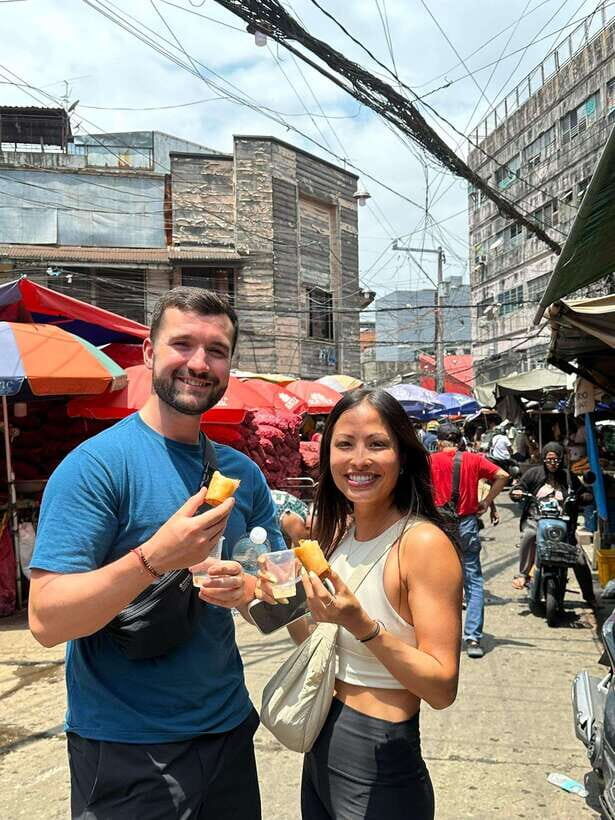
The tour includes a historical element, including landmarks and some of the oldest buildings in the area. That matters because Binondo isn’t just about food. It’s about how generations of Chinese families and Filipino culture shaped the street-life you see today.
That said, one booking also felt the history portion lacked in-depth detail. So manage expectations:
- You’ll get highlights and context you can carry with you while eating.
- You likely won’t get a lecture-length explanation of every building.
If you love history, treat this as a “street-level overview.” It’s perfect for setting the scene. If you want scholarship-level depth, you may want to pair it with a separate self-guided reading stop or a longer history-focused tour.
Getting around with tuk-tuk and jeepney rides
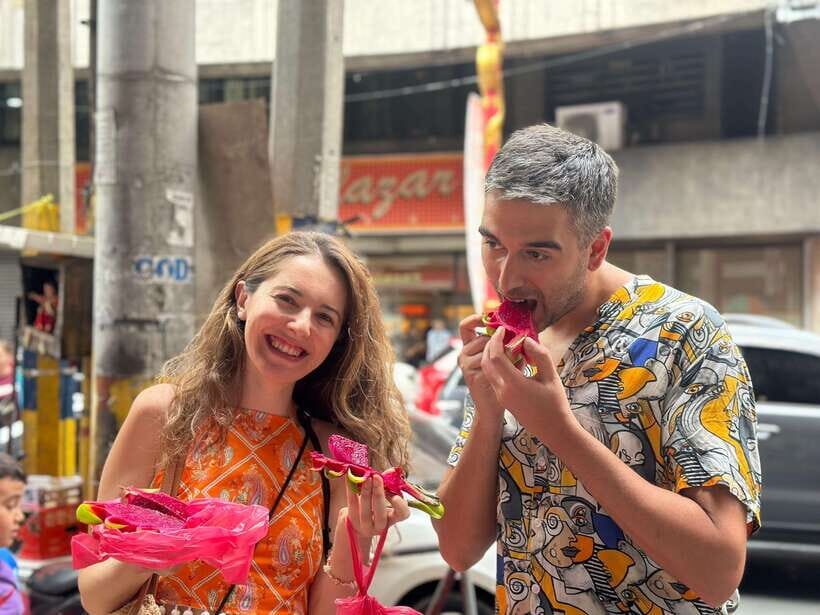
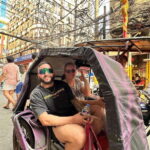
One of the smartest parts of the experience is the transport mix. Instead of doing all walking, the tour includes tuk-tuk and jeepney rides, which are memorable in their own right and also practical in a dense city.
Why this is valuable:
- It breaks up the physical load, especially in heat or drizzle.
- It changes your view of the area beyond just storefronts and food counters.
- It gives you a feel for how locals move through Manila.
And it’s not just “for fun.” In Chinatown districts, a few short rides can save you time so you still get enough snack stops within the 2-hour limit.
The guide factor: Venus and how to get better answers
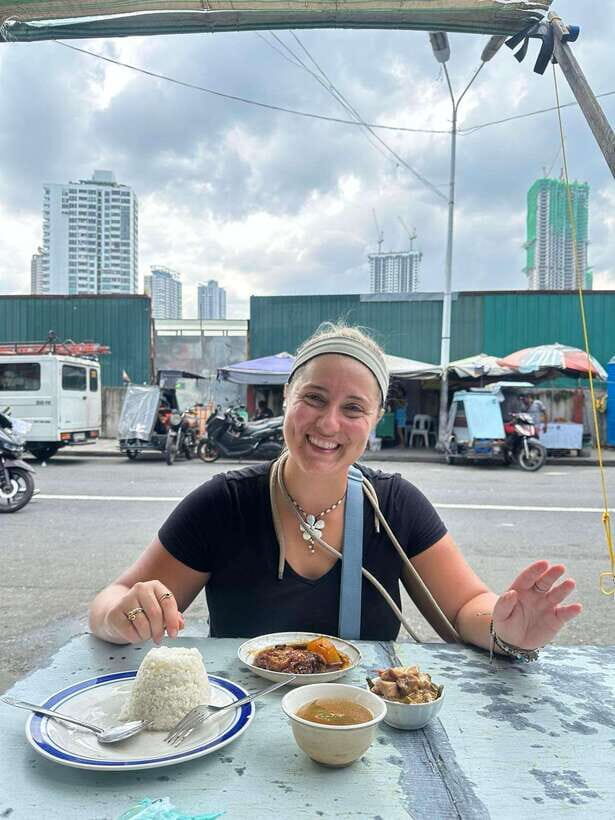
This tour is led in English by a local guide—reviewers specifically praised Venus for being helpful and giving cultural context.
For you, the best way to use a guided food walk is to ask questions that connect food to place. Examples you can try:
- What makes this Filipino-Chinese version different from what I’d find in China?
- Why does this dish fit Chinatown street life?
- What should I watch for when ordering—texture, spice level, or filling style?
One booking praised meeting travelers from around the world too, which can turn it into a social snack circuit. If you’re shy, you can still get plenty out of it by asking Venus direct questions—especially about ordering and what’s worth trying next.
Weather and pace: rain or shine, and how to dress
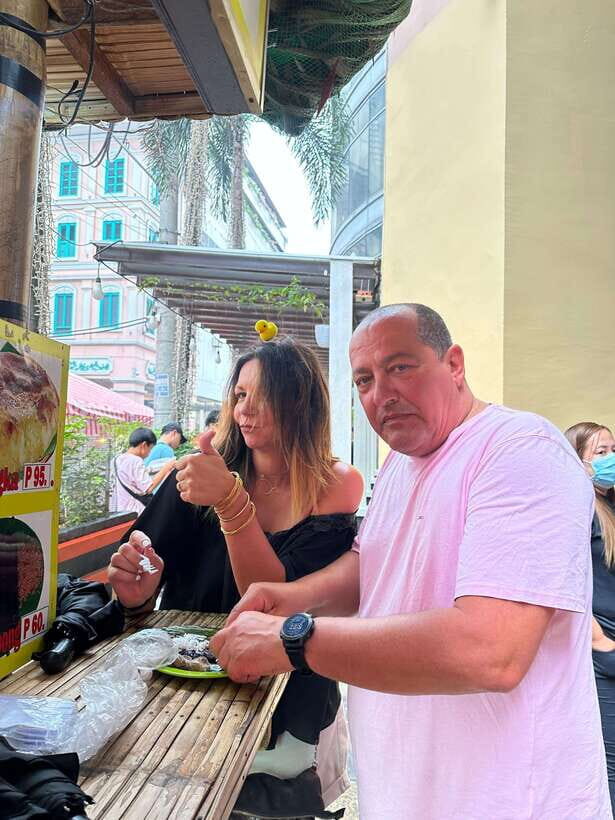
The tour runs rain or shine. That’s typical for street-food walking tours, but it’s worth planning for.
Wear shoes you don’t mind getting a little dirty, and bring something that helps you stay comfortable in wet weather. Even with rides included, you’ll still be outside enough for rain to matter.
Because it’s only 2 hours, you also want to avoid a wardrobe that slows you down—like anything that takes time to adjust or keeps soaking up water.
Price value: is $65 fair for Manila Chinatown?
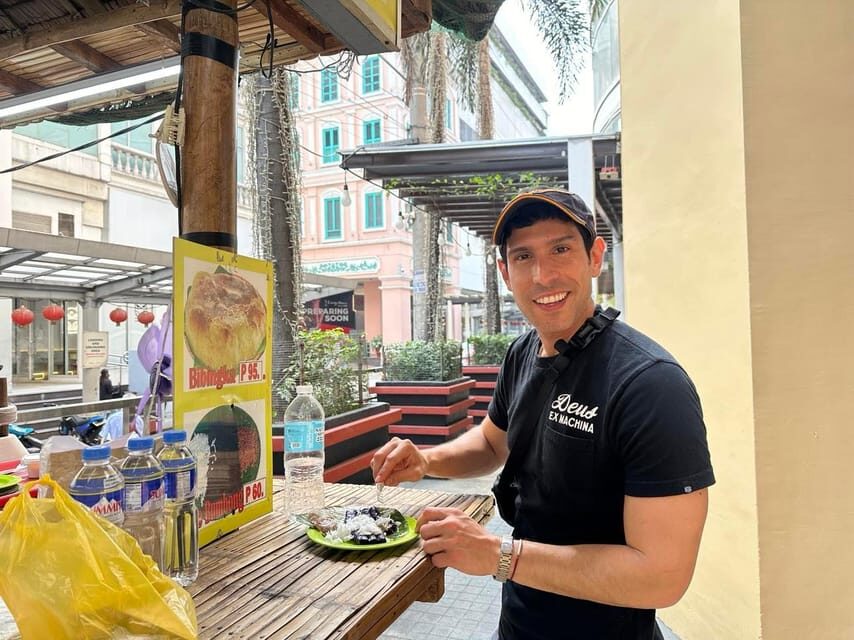
$65 per person for a 2-hour food-and-transport tour isn’t the cheapest option in the world, but in Manila it can be fair if the tasting stops are what you care about.
Here’s what you’re paying for based on what’s included:
- a local English guide (Venus and similar guide-led pacing),
- food tasting of Filipino street food in the downtown Tondo/Binondo area,
- bottle water,
- and local transportation.
Value is strongest if:
- you like trying multiple snacks rather than hunting solo,
- you want someone to point out what to order and how it fits the neighborhood,
- and you appreciate the tuk-tuk/jeepney mix.
If you’re extremely picky about specific dishes—lumpia, dumplings, hand-pulled noodles—then $65 may feel less worth it if those are your top priorities and aren’t on your specific tasting list. In that case, message ahead and confirm your must-eats are actually included for your date.
The main downside pattern to watch for
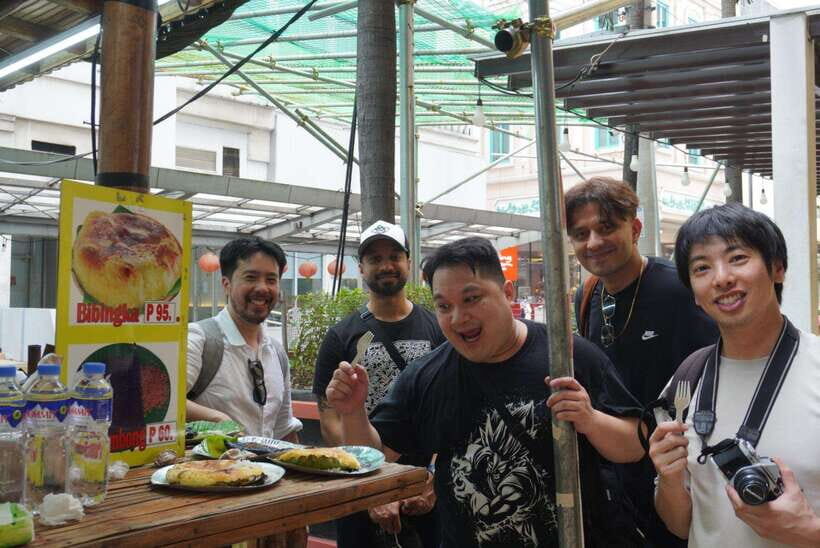
There’s one recurring “what could go wrong” theme in the feedback you should take seriously.
A possible end-of-tour mismatch
One booking said that when the 2 hours were up, they ended up in another part of a tour that didn’t include tasting foods—and they had to leave before the tour finished. That’s not something you can fully control, but it suggests:
- you should plan your next appointment carefully,
- and you may want to clarify with the guide how the last segment works so you don’t get surprised.
History depth may be light
Another note: some people wanted more historical insight about Chinatown. If you’re the type who loves details like dates, architecture, and layered community stories, you might find the historical portion more like a guided conversation than an in-depth lesson.
Who this tour is best for
This Manila Chinatown Food Tour is a good fit if:
- you want Filipino-Chinese street food without doing homework first,
- you enjoy a guided route through Binondo and not just random stall-hopping,
- you like short-and-sweet sightseeing paired with eating,
- and you’re comfortable in a city setting where crowds and traffic are part of the deal.
It’s also a solid pick for mixed groups, since meeting people from around the world is part of the vibe.
If you’re traveling with kids, it’s designed for kids age 3 and up, which helps if you want something structured but not too long.
Should you book this Manila Chinatown food tour?
Book it if you want an easy, guided way to experience Binondo through two hours of food, landmark highlights, and a transport mix. The included standouts—Shanghai fried siopao and Lord Stow’s egg tart—give you real reason to show up hungry, and the guide style (including Venus) seems to make the walk feel personal, not robotic.
Hold off or ask extra questions first if your food “must list” includes specific names like lumpia at New Po Heng, kutchay dumplings at Dong Bei Dumplings, or hand-pulled noodles at Lan Zhou La Mien. Since at least one booking didn’t get those, you’ll want confirmation for your exact schedule.
And if you hate tight timelines, plan for a little slop in the day. Manila traffic can steal minutes quickly, and you want the full 2-hour experience, not a rushed exit.
FAQ
What is the duration of the Manila Chinatown Food Tour?
The tour lasts 2 hours.
Where do I meet the guide?
You meet at the mall entrance of Tutuban Center Mall.
How much does the tour cost?
The price is $65 per person.
What language is the tour guide?
The live guide provides the tour in English.
Is the tour canceled for bad weather?
No. The tour runs rain or shine.
Is the tour suitable for kids?
Kids are allowed from age 3 and up.